Heiligenblut Ski Resort Review 2026
Heiligenblut is one of the most scenic and least crowded resorts in Austria, a historic pilgrimage village below the mighty Grossglockner with around 55 km of quiet, varied pistes. Book it if you want dramatic high mountain scenery, genuinely empty slopes and value, the antidote to the big, busy circuits. Skip it if you want a large linked area, lively apres ski, or fast, guaranteed access, because Heiligenblut is small, remote and proudly low key.
A remote, beautiful village under Austria's highest peak with quiet, varied skiing and real character, strong on scenery, peace and value and weak on size, nightlife and access.
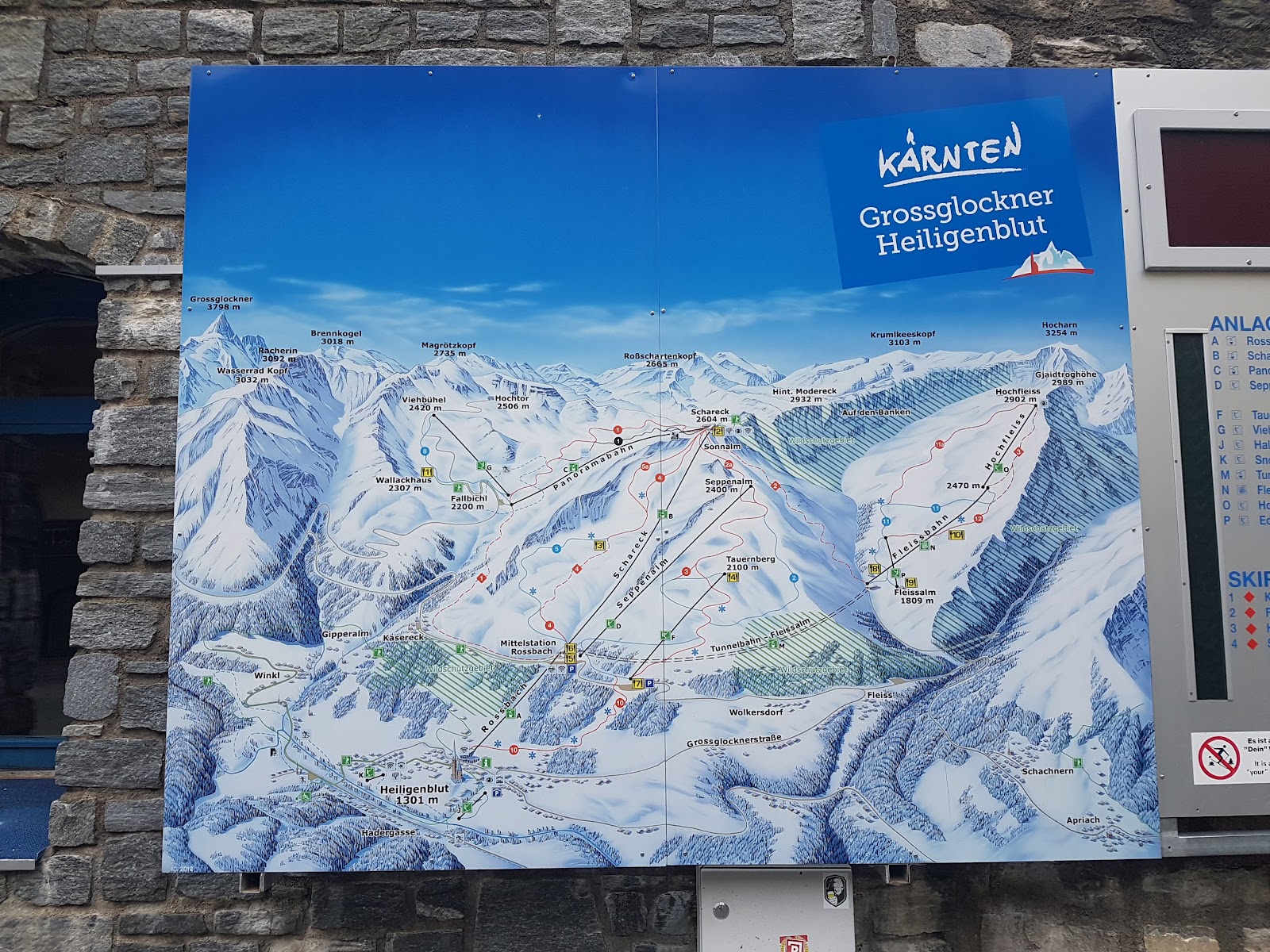
Heiligenblut sits at around 1,300 m in Carinthia at the foot of the Grossglockner, Austria's highest mountain, and offers around 55 km of pistes climbing to roughly 2,900 m. The skiing is quiet and varied, with a good spread of blues and reds and a steeper edge for a small area, all set against some of the finest scenery in the eastern Alps. It suits scenery lovers, intermediates and peace seekers; anyone wanting a big area or a party should look elsewhere.
How it scores for your group
Families. Good for the right family. The slopes are quiet and uncrowded, which is reassuring with children, and the village is small and friendly. The caveats are size and access, this is a compact area in a remote spot, so families wanting lots of variety and easy logistics may prefer a bigger, more central resort.
Beginners. Reasonable. There are gentle areas and the lack of crowds takes the pressure off, but the terrain leans toward intermediate and the village is small. It works well for beginners who value calm and scenery over a wide choice of nursery slopes.
Intermediates. A strong fit for a quiet week. Around 55 km of varied blues and reds, often almost empty, gives a confident intermediate enjoyable, scenic skiing without lift queues. The area is not large, so it suits a relaxed week rather than a mileage chasing one.
Experts. Better than the size suggests. For a small area there is a decent steeper edge, with some genuine reds and blacks and off piste to find at altitude after a fresh fall, and the high terrain under the Grossglockner is a fine setting. The volume is limited, so treat it as a few rewarding days, not a week of steeps.
Non skiers. Well suited to the quiet minded. The historic village, its famous pilgrimage church, winter walks and the sheer scenery are a draw, and the peace is the point. There is little nightlife or shopping, so non skiers who want bustle should look elsewhere.
Terrain by ability
Heiligenblut's skiing rises from the village at around 1,300 m to a top lift near 2,900 m on the Schareck, giving a respectable vertical for a small resort and putting the upper slopes high enough to hold cold snow well through the season. The roughly 55 km of pistes are a varied mix of blues and reds with a steeper edge, and crucially they are quiet, you can ski here on a busy week and still feel you have the mountain to yourself.
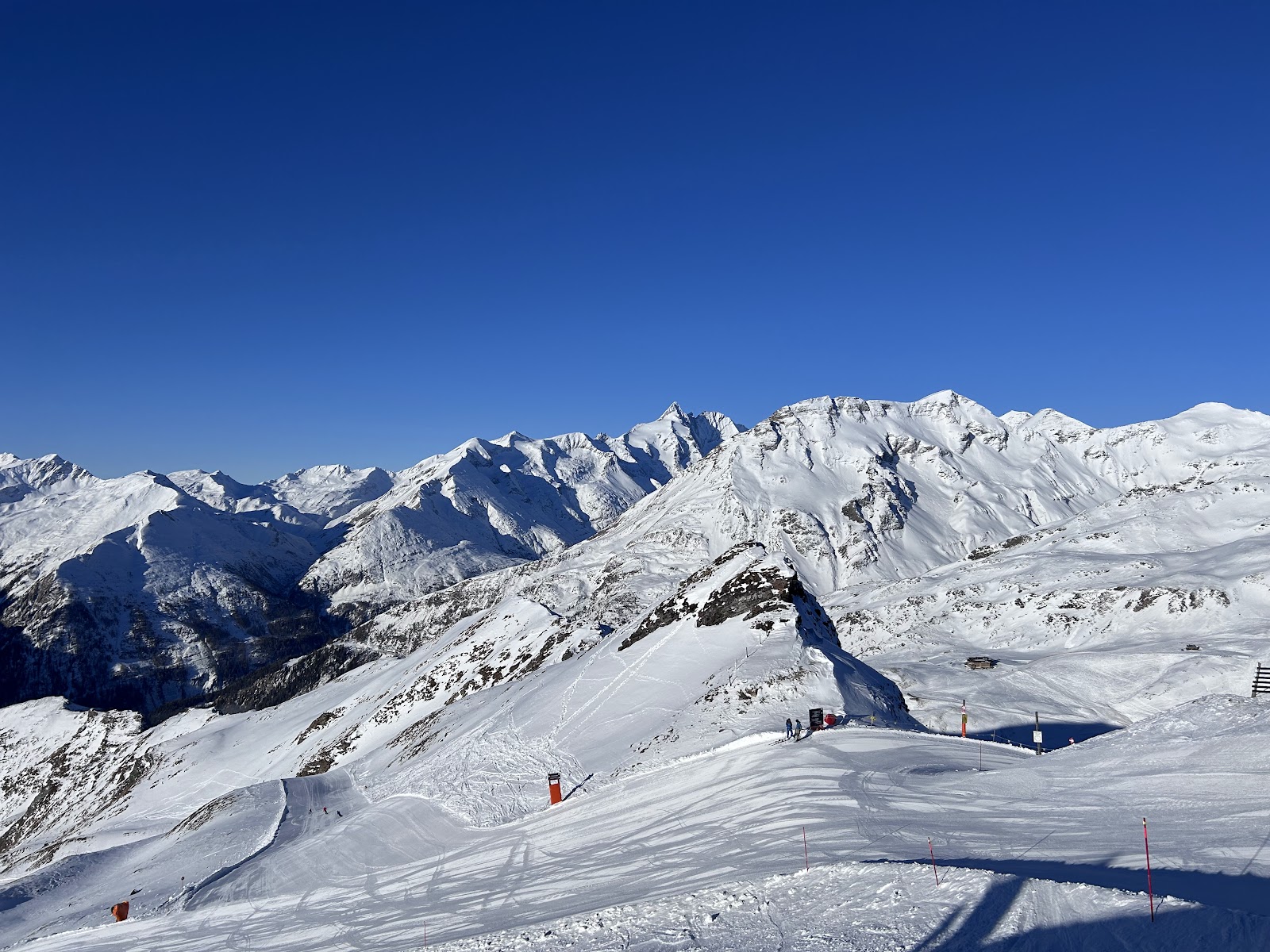
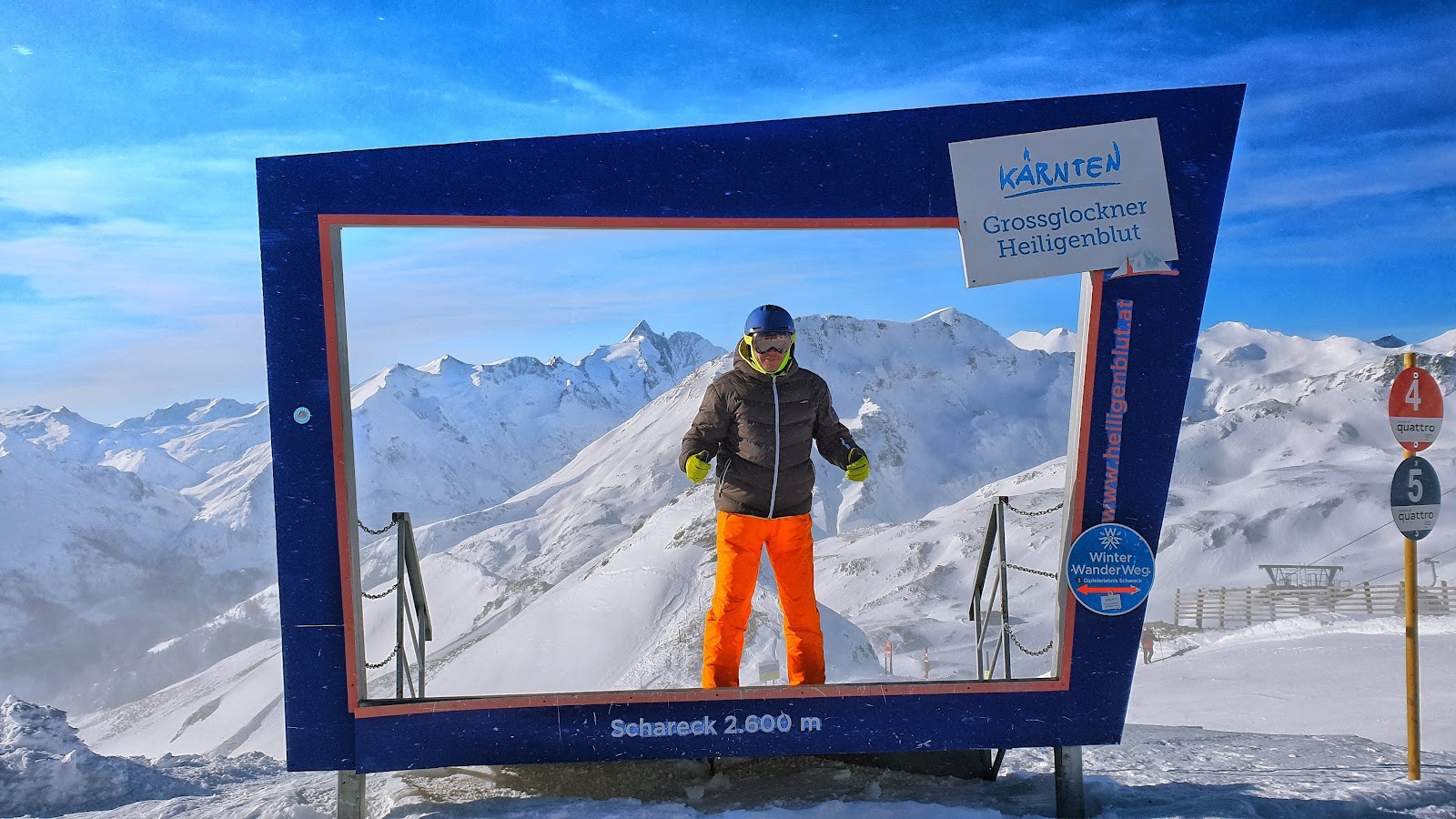
The setting is the headline. The slopes sit directly beneath the Grossglockner, Austria's highest peak, and the high mountain scenery is among the most dramatic in the eastern Alps. This is not a place for chasing mileage across linked valleys; it is a place to ski varied, uncrowded terrain in spectacular surroundings. Experts get more steep and off piste than the size implies; intermediates get peaceful, scenic cruising; everyone gets the views.
Photos via Google. Contributed by Kobus Viljoen, Sebi Peres and Tibor Losonczi.
Charm, convenience and the evening
Heiligenblut is one of the most photographed villages in Austria, a historic pilgrimage settlement gathered around a striking Gothic church with the Grossglockner rising behind it. It is small, genuine and steeped in atmosphere, the opposite of a purpose built resort, and the setting alone makes it memorable.
Evenings are quiet and traditional. Expect cozy hotels, good local restaurants and a calm, peaceful pace rather than any real apres ski scene. This is a place for people who want to wind down in the mountains, not party, and couples, families and walkers will appreciate the tranquillity. Anyone seeking nightlife should look to a bigger, livelier resort.
Lodging and chalet quotes
Lodging in Heiligenblut is mostly traditional hotels, guesthouses and apartments in and around the village, generally good value and within easy reach of the lifts. Stay central to enjoy the village and the views and to keep the short walk to the gondola simple. A car is genuinely useful here given the remote location and the limited public transport, especially for reaching the resort and exploring the region.
Get chalet quotes
Tell us your resort, dates and group size and we will pass your brief to chalet specialists for tailored quotes. No fee to you.
Prices, lessons and ski hire
A day pass runs around $58, among the better value in the Austrian Alps, a reflection of the resort's modest size and quiet position rather than any lack of quality. Lessons and ski hire are available in the village and easy to arrange given the small scale and the lack of crowds. Book ski school over the busy school holiday weeks to be safe.
Book the extras and save
Lift passes, lessons and ski hire are where a trip quietly leaks money. Booking ahead almost always beats the resort window price.
Compare lift passesFind lessonsReserve ski hireTravel insuranceTransfers and access
Heiligenblut is remote, which is part of its charm and part of its challenge. Klagenfurt is the nearest airport at around 1h 30m, with Salzburg around 2h, both on mountain roads that demand winter tires and care in heavy snow. There is limited public transport to the village, so a hire car or a booked transfer is the practical way in, and a car is the most flexible choice for a stay here.
Sort the transfer
A smooth airport to resort transfer sets the tone for the week. Book ahead, especially over peak weeks.
Book a transferThe best weeks to ski Heiligenblut
January and February are the heart of the season, with the most reliable snow on the high slopes and the village at its most atmospheric in deep winter. The upper terrain near 2,900 m holds cold cover well through this core period, and the crowds remain light even in peak weeks.
March brings spring sun and longer days on the high, scenic slopes, a fine time for relaxed skiing and big views, though the village base sits lower so late season cover at the bottom can soften. The 2026 to 2027 season should run from mid December to mid April as usual. The high top lift means snow reliability up top is better than the modest base altitude alone would suggest.
Heiligenblut FAQs
How big is the Heiligenblut ski area?
Around 55 km of pistes served by roughly a dozen lifts, climbing from the village at around 1,300 m to a top lift near 2,900 m. It is a small area best suited to a relaxed, scenic week rather than chasing big mileage across linked valleys.
Is Heiligenblut good for scenery?
Exceptionally. The slopes sit directly beneath the Grossglockner, Austria's highest peak, and the historic pilgrimage village and its Gothic church make it one of the most photographed spots in the country. For high mountain scenery it is hard to beat in the eastern Alps.
Is Heiligenblut snow sure?
Reasonably, helped by altitude up high. The top lift reaches near 2,900 m and holds cold snow well through the season, though the village base at around 1,300 m means lower cover can soften in a warm spring. January and February are the safest bets.
Is Heiligenblut suitable for experts?
Better than its size suggests. For a small resort there is a decent steeper edge, with some genuine reds and blacks and off piste to find at altitude after fresh snow. The volume is limited, so it is a few rewarding days for a strong skier rather than a full week of steeps.
Does Heiligenblut have apres ski?
Very little. Heiligenblut is a quiet, traditional village where evenings revolve around cozy hotels and good local restaurants rather than nightlife. It suits people who want peace in the mountains, not a party.
How do you get to Heiligenblut?
Fly to Klagenfurt, around 1h 30m away, or to Salzburg at around 2h, then drive or transfer on mountain roads that need winter tires and care in snow. Public transport to the village is limited, so a hire car or booked transfer is the practical way in.
Nearby alternatives
Heiligenblut sits in a remote corner of Carinthia, and these three resorts make sensible alternatives or additions to a trip.
Bad Gastein
A grand belle epoque spa town over the Tauern with a big, varied ski area and famous thermal baths, a striking change of scene.
Bad Hofgastein
The relaxed, family friendly neighbor in the Gastein valley, sharing a large linked area with gentle cruising and spa comforts.
Obertauern
The high, snow sure snow bowl to the north, with reliable cover and a compact ski in ski out layout for guaranteed snow.
Tell us the dates. We price the trip.
If you want a Heiligenblut trip priced by specialists, a village hotel, the lift pass and transfers from Klagenfurt or Salzburg, tell us your dates and budget and we will route your brief to the right operators.
Every brief is read by a real planner. You will hear back within two working days, in season.
By the Ski Resorts for Kings editorial team · Last reviewed June 2026. We update season dates and prices each year.