Mayrhofen Ski Resort Review 2026
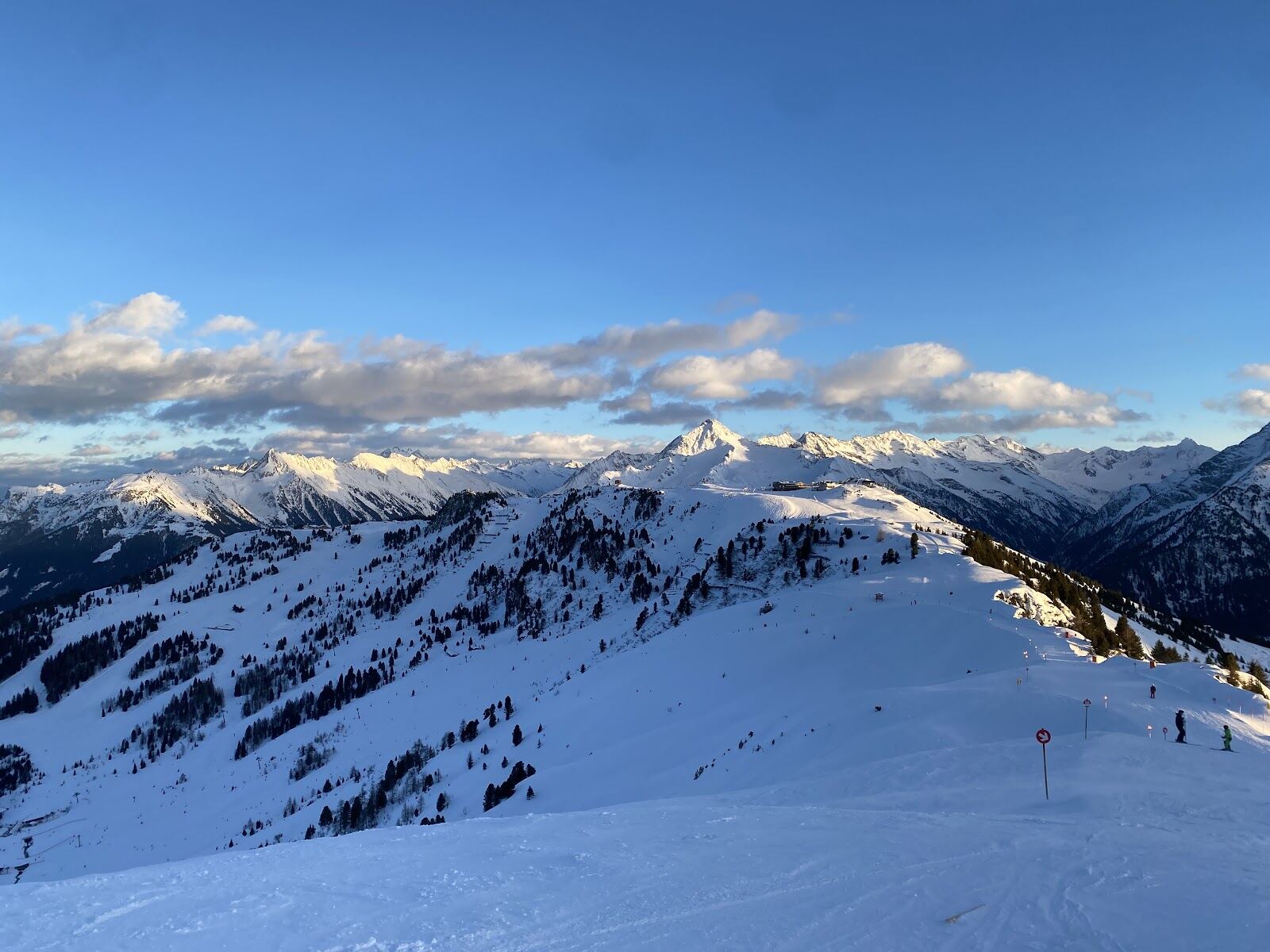
Mayrhofen is the lively all rounder of the Zillertal and one of the best value, best fun resorts in Austria for mixed groups. A real working Tyrolean town at around 630 m, it sends you up by gondola to modern, well groomed slopes on the Penken and Ahorn, home to a strong terrain park and the Harakiri, the steepest groomed piste in the country. Add famous apres ski and the snow sure Hintertux glacier up the valley, and you have a resort that keeps intermediates, snowboarders and party seekers very happy.
The Zillertal's lively, great value all rounder, strong on intermediate cruising, parks and apres, less so on serious expert terrain.
Scored honestly
Mayrhofen is at its best for intermediates and for anyone who wants a fun, social ski week. The Penken slopes are mostly broad, modern blues and reds that flatter cruisers, the lift system is quick, and the famous park is among the best in the Alps for freestyle skiers and snowboarders. It is a resort that rewards mileage and good company more than technical ambition.
Families are well served by strong ski schools and good beginner provision up on the Ahorn, which has a sunny, gentle plateau ideal for learning. Experts get the Harakiri and some off piste, but the lift served steep terrain is limited, so committed advanced skiers will want to range up the valley to the Hintertux glacier for more. The party crowd is very well catered for, with some of the liveliest apres ski in Austria, while those seeking calm should know the town can be loud in peak weeks.
Terrain by ability
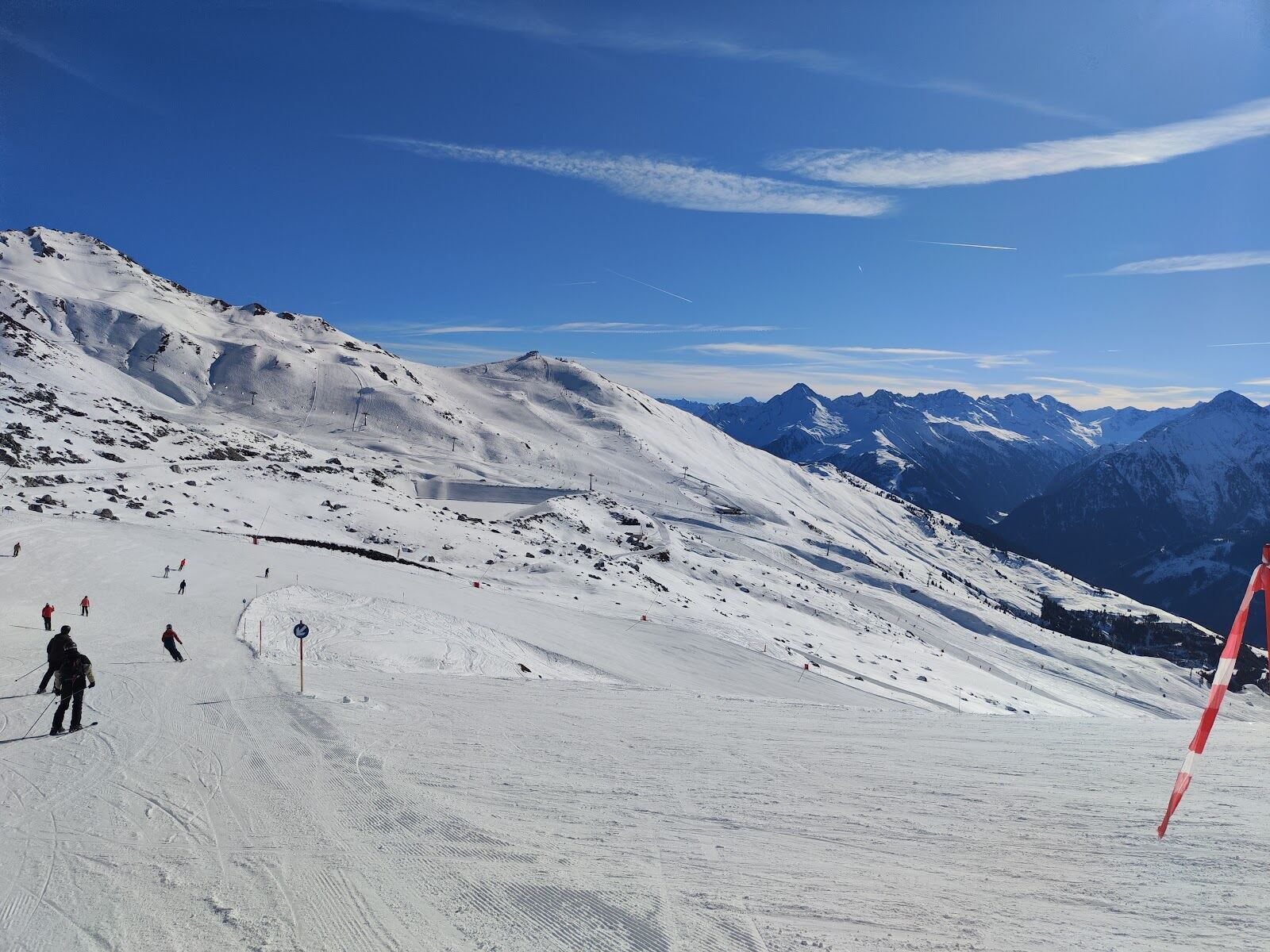
The skiing splits across two mountains reached from the town, the larger Penken and the gentler Ahorn, with the wider Zillertal Superskipass opening up several more areas up and down the valley. The character is modern and well groomed, with efficient gondolas and plenty of room to cruise. Because the town is low, the snow that matters is up on the mountain, where it is generally reliable through the core season.
Intermediates get the best of it, with long blues and reds, the buzzing park and easy links across the Penken. Beginners learn well on the Ahorn plateau, away from the faster mountain. Advanced skiers have the Harakiri, a genuinely steep groomed run, plus some off piste, but for sustained challenge the snow sure Hintertux glacier and the other Zillertal areas add the variety the home slopes lack.
Charm, convenience and evenings
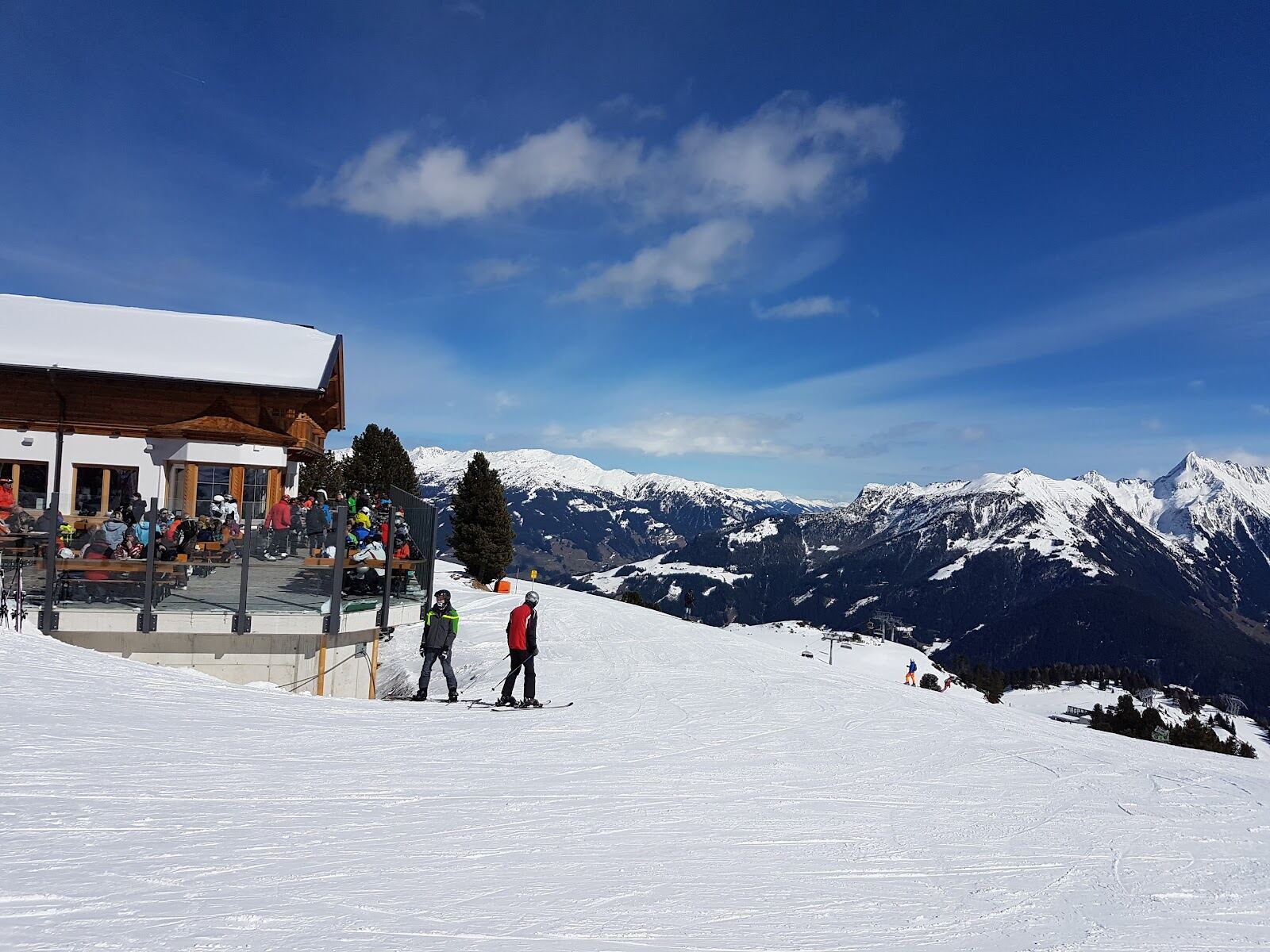
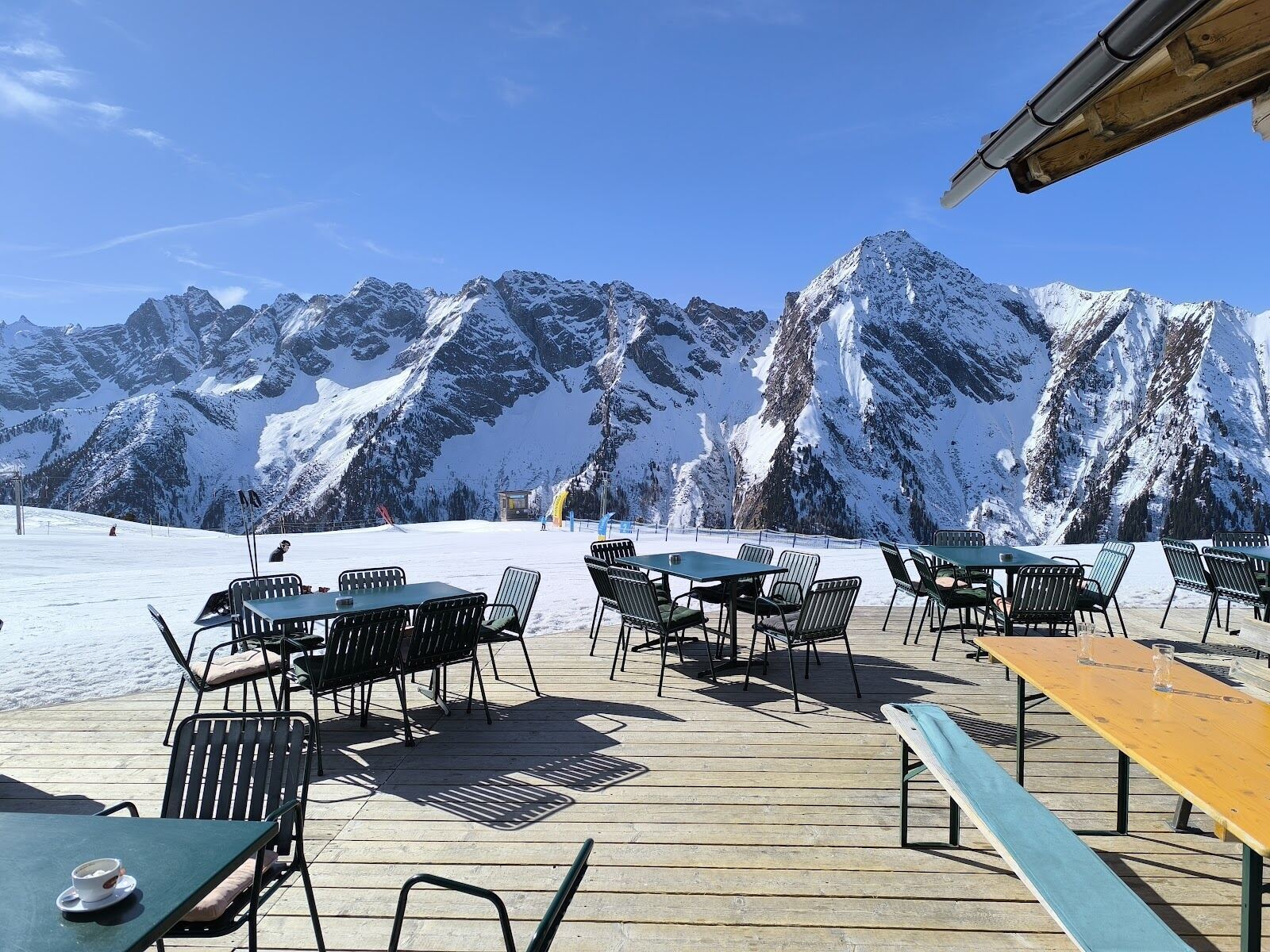
Mayrhofen is a proper Tyrolean town rather than a ski station, with a long main street of hotels, shops, bakeries and bars that lives all year round. That gives it a genuine, lived in feel and a wide choice of places to eat and drink at every budget, a real strength over purpose built resorts. The trade off is that the lifts start above town, so it is not ski in ski out and you ride the gondola up and down each day.
Evenings are famously lively. Mayrhofen has a strong apres ski culture that starts on the slopes and rolls into the town bars, and in peak weeks it can be genuinely raucous. There is plenty for those who want a quieter night too, with good restaurants and Tyrolean inns, but couples seeking total peace should pick their week and their hotel with the nightlife in mind.
Chalets and beds
Mayrhofen has a broad range of accommodation, from comfortable family run guesthouses and apartments to smart four star hotels with spas, almost all of it in or near the town rather than on the slopes. Staying central puts you close to the gondolas, the restaurants and the nightlife, which is much of the appeal. Because it is a popular, good value resort, the best places book up early for the peak weeks.
Tell us your dates and group and we will get tailored chalet quotes back to you from vetted operators.
Free and no obligation. Your brief goes to vetted operators only, never to advertisers.
What a pass costs
A Mayrhofen day pass runs around $60 to $70, with better value over six days, and the wider Zillertal Superskipass costs a little more but covers every ski area in the valley including the Hintertux glacier. For most visitors the Superskipass is the smart buy, since it turns one resort into a huge, snow sure region. Booking the pass before you arrive usually beats the resort window price.
Book the extras and save
Lift passes, transfers, lessons, ski hire and insurance are where a trip quietly leaks money. Booking ahead almost always beats the resort window price.
Compare lift passesBook a transferFind lessonsReserve ski hireTravel insuranceSchools and kit
Mayrhofen has a good choice of ski and snowboard schools with reliable English lessons for adults and children, and its strong freestyle scene means excellent park and snowboard coaching too. Ski hire is plentiful in the town, and reserving online before you travel is usually cheaper and saves queueing on day one. The gentle Ahorn plateau makes a calm, low stress place for first lessons.
Lessons and ski hire
Book lessons and kit ahead for the best instructors and the lowest rates.
Find lessonsReserve ski hireThe journey
Innsbruck is the closest airport, roughly a 60 minute transfer by road, one of the shorter approaches in the Alps, with Salzburg and Munich both around two hours. The drive up the Zillertal is straightforward with no high mountain pass at the end, which makes for an easy arrival. A pre booked transfer or the regional train both work well, and the valley is well connected by bus once you are there.
Airport transfers
Pre booked shared and private transfers are usually cheaper and smoother than arranging it on arrival.
Book a transferTiming your trip
Because the town sits low, timing matters for snow and atmosphere. January and February give the most reliable conditions on the mountain and the liveliest apres ski, the classic time to come. March brings longer, sunnier days and softer afternoon snow, still very enjoyable, while the Hintertux glacier up the valley extends good skiing at either end of the season for those who want a snow sure backstop.
Mayrhofen FAQs
Is Mayrhofen good for beginners?
Yes, with a caveat. Beginners learn best on the gentle, sunny Ahorn plateau above the town, which is separate from the faster Penken slopes and well suited to first timers. The ski schools are good and the area is family friendly, though the low town means the learning happens up the mountain.
Is Mayrhofen good for advanced skiers?
Partly. Mayrhofen has the Harakiri, the steepest groomed run in Austria, plus some off piste, but the lift served steep terrain is limited. Strong skiers usually combine it with the snow sure Hintertux glacier and the other Zillertal areas on the Superskipass for more challenge.
How high is Mayrhofen and is the snow reliable?
The town sits low at around 630 m, but the skiing rises to about 2,500 m on the Penken, where snow is generally reliable through the core winter. For guaranteed snow at the season edges, the Hintertux glacier up the valley stays open year round.
How much does a Mayrhofen lift pass cost?
A Mayrhofen day pass runs around $60 to $70, cheaper per day over six days. The wider Zillertal Superskipass costs a little more but covers every area in the valley including Hintertux, which is the better value buy for most visitors.
Is Mayrhofen good for apres ski?
Very. Mayrhofen has one of the liveliest apres ski scenes in Austria, starting on the slopes and continuing in the town bars, and it can be genuinely raucous in peak weeks. There are quieter options too, so you can pitch your evenings up or down.
How do I get to Mayrhofen?
Innsbruck is the nearest airport, roughly a 60 minute transfer, with Salzburg and Munich both around two hours. The drive up the Zillertal is easy with no high pass at the end, and the regional train is a good alternative.
If Mayrhofen is not quite right
Several Zillertal neighbors share the valley pass, from the snow sure Hintertux glacier to quieter family villages up and down the valley.
Tux Hintertux
The snow sure glacier up the valley, open year round and the Zillertal's reliable backstop for early and late season.
Zell am Ziller
A traditional valley town with its own ski area, quieter than Mayrhofen and good for families.
Gerlos
A snowy, family friendly village in the Zillertal Arena, with gentle cruising and a calmer feel.
See the full Zillertal region guide or the wider Austria guide for more options.
Tell us the dates. We price the trip.
If you want a Mayrhofen trip priced by specialists, give us the dates and budget below. Send one brief and our partner chalet companies and tour operators return tailored proposals covering flights, transfers, lift passes and lessons. No fee to you, ever.
Every brief is read by a real planner. You will hear back within two working days, in season.
By the Ski Resorts for Kings editorial team · Last reviewed May 2026. We update season dates and prices each year.