Zugspitze Ski Resort Review 2026
Zugspitze is the highest mountain in Germany and its most snow sure ski area, a small glacier perched above 2,600 m with reliable cold snow, gentle cruising and one of the great panoramas in the Alps. It suits scenery lovers, families and early or late season skiers who want guaranteed snow and a memorable day out rather than mileage or challenge. Skip it if you need a big network, real steeps or a slopeside village, because the Zugspitze glacier is a high, beautiful, limited area with no town on the mountain at all.
By the Ski Resorts for Kings editorial team · Last reviewed May 2026
Mountain stats at a glance
| Glacier base | around 2,600 m, roughly 8,500 feet on the plateau |
|---|---|
| Summit | around 2,960 m, roughly 9,700 feet, Germany's highest point |
| Vertical | roughly 350 m on the glacier itself |
| Pistes | around 20 km of mostly gentle glacier runs |
| Run split | almost all blue and red, no serious black terrain |
| Lifts | a cog railway and cable car plus around 8 glacier lifts |
| Season | roughly November to early May, the longest in Germany |
| Nearest airport | Munich, around 1h 45m to Garmisch and the valley lifts |
| Day pass | around $60 for the glacier |
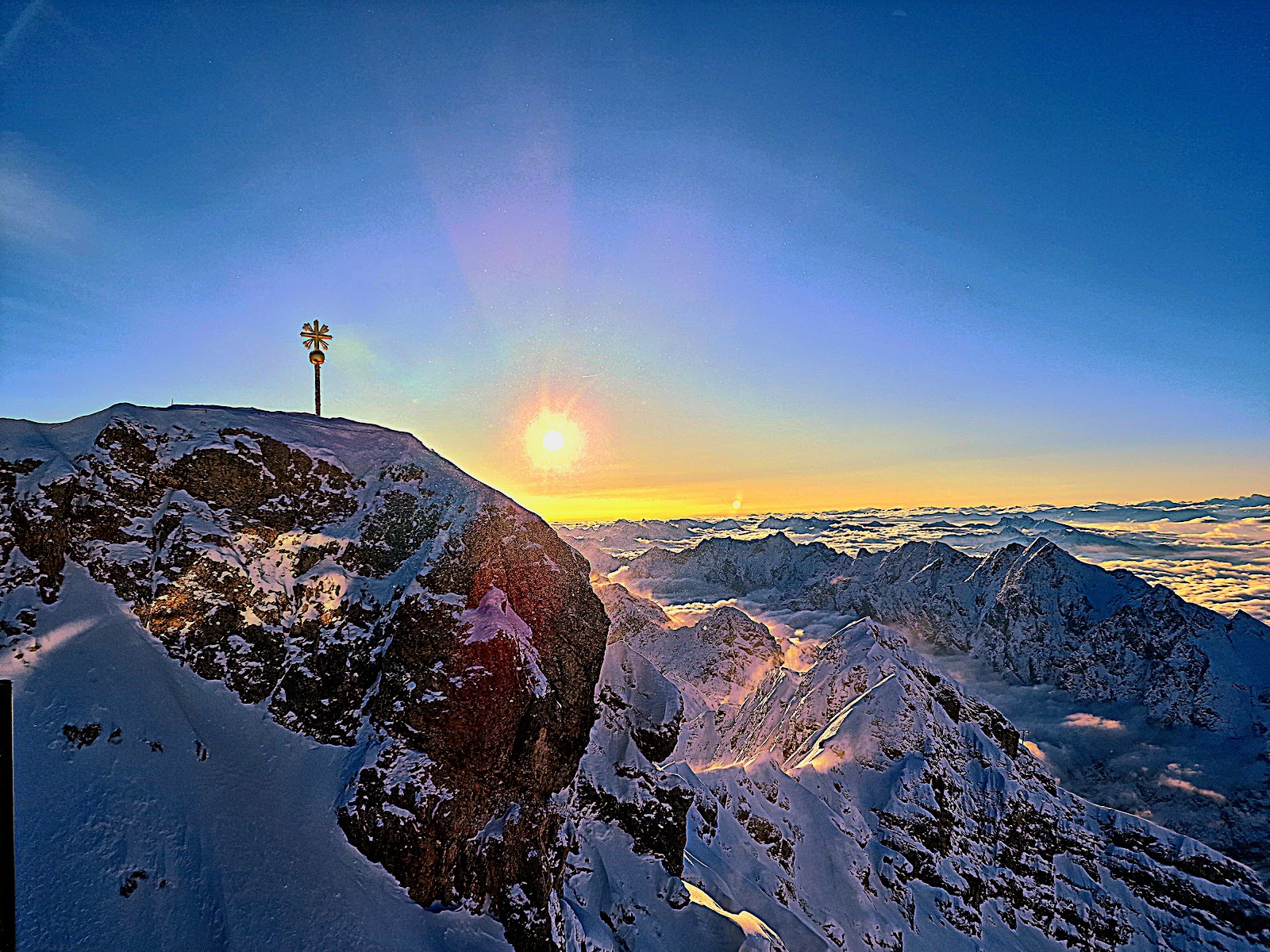
Photos via Google. Contributed by Anton Bauhofer, D. Rufer.
Who it suits
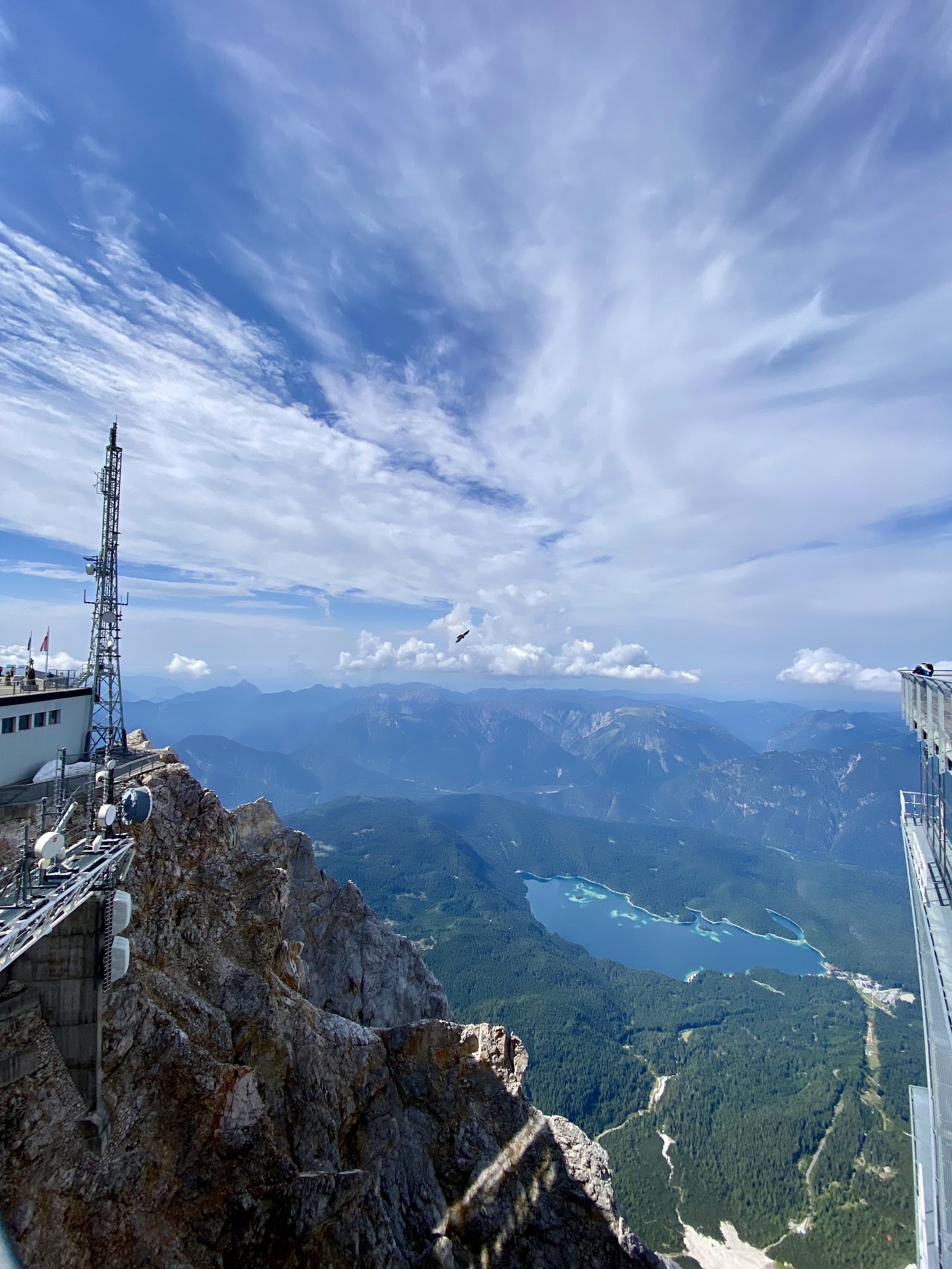
Zugspitze suits the traveler who comes for the spectacle and the certainty of snow rather than for a big ski week. Families with younger children, nervous improvers and anyone who values a jaw dropping setting will love the gentle glacier runs and the sense of standing on the roof of Germany, with views over four countries on a clear day. It is also a reliable early and late season bolt hole, holding snow when the lower resorts have none.
It is the wrong mountain for confident skiers chasing terrain. The glacier is small, almost entirely gentle, and you can ski everything it offers in a day, so anyone wanting mileage, steeps or a varied week will feel boxed in fast. Treat Zugspitze as a glorious day or two of high altitude cruising, ideally paired with the larger Garmisch Classic area below, rather than as a destination in its own right.
The skiing
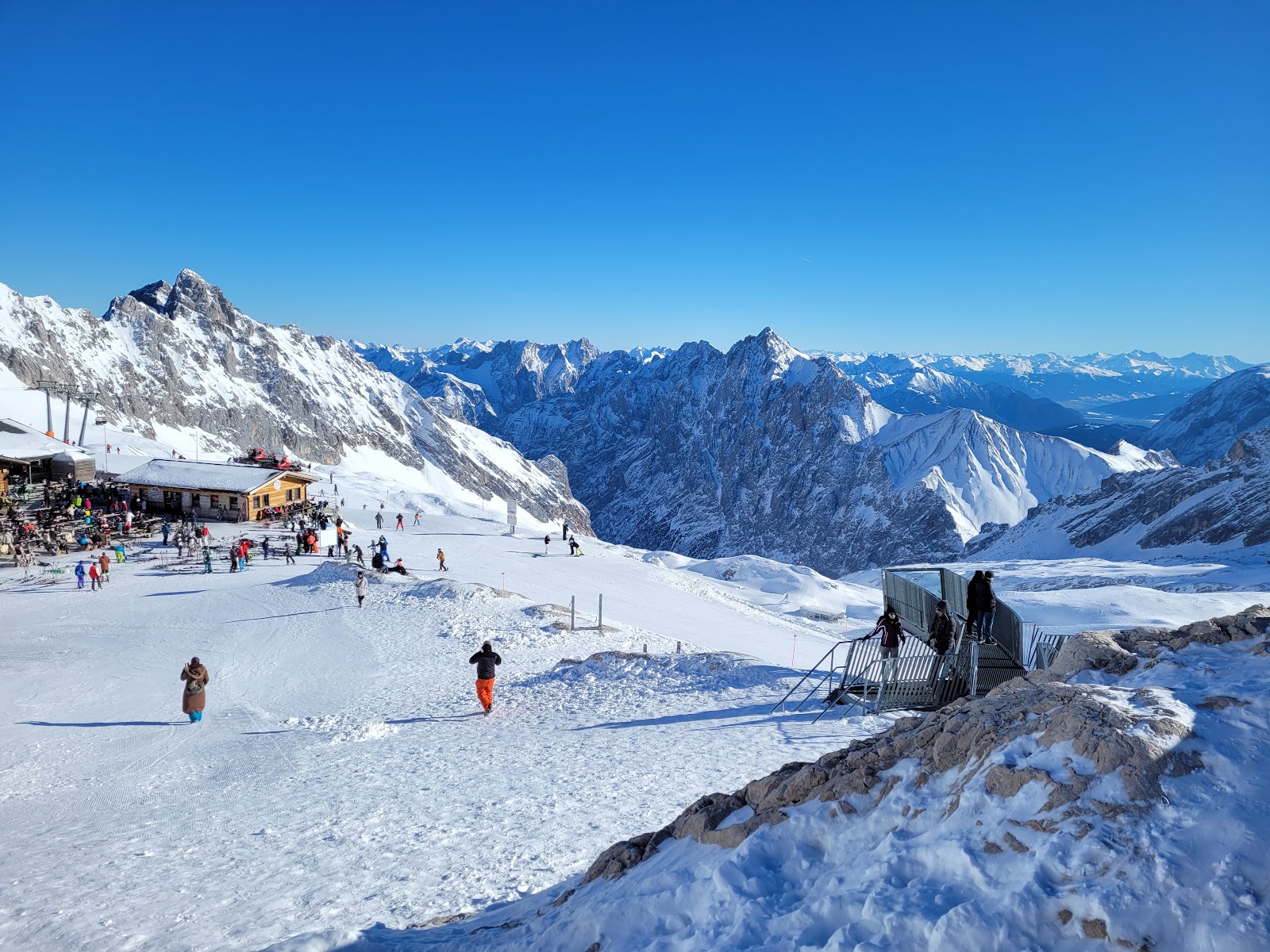
The skiing on the Zugspitze glacier is gentle, scenic and dependable rather than demanding. Around 20 km of blue and red runs spread across a high, sheltered plateau just below the summit, served by a handful of lifts, and the pleasure is cruising easy pistes at nearly 2,700 m with the whole northern Alps laid out beneath you. It is the highest skiing in Germany and the most reliably snow covered.
What you will not find is challenge. There is essentially no genuine black terrain and little off piste worth the name, so strong skiers will quickly run out of road, however lovely the surroundings. The glacier's real value is snow sureness and altitude, which is why it opens early, closes late and draws families and improvers when conditions lower down are thin.
The smart way to ski the area is to combine the glacier with the separate Garmisch Classic slopes in the valley, reached on the same regional pass, which add longer descents and a little more variety. Even then this is a modest area by alpine standards, best understood as a high, beautiful cap on a Bavarian trip rather than a full resort in itself.
The village
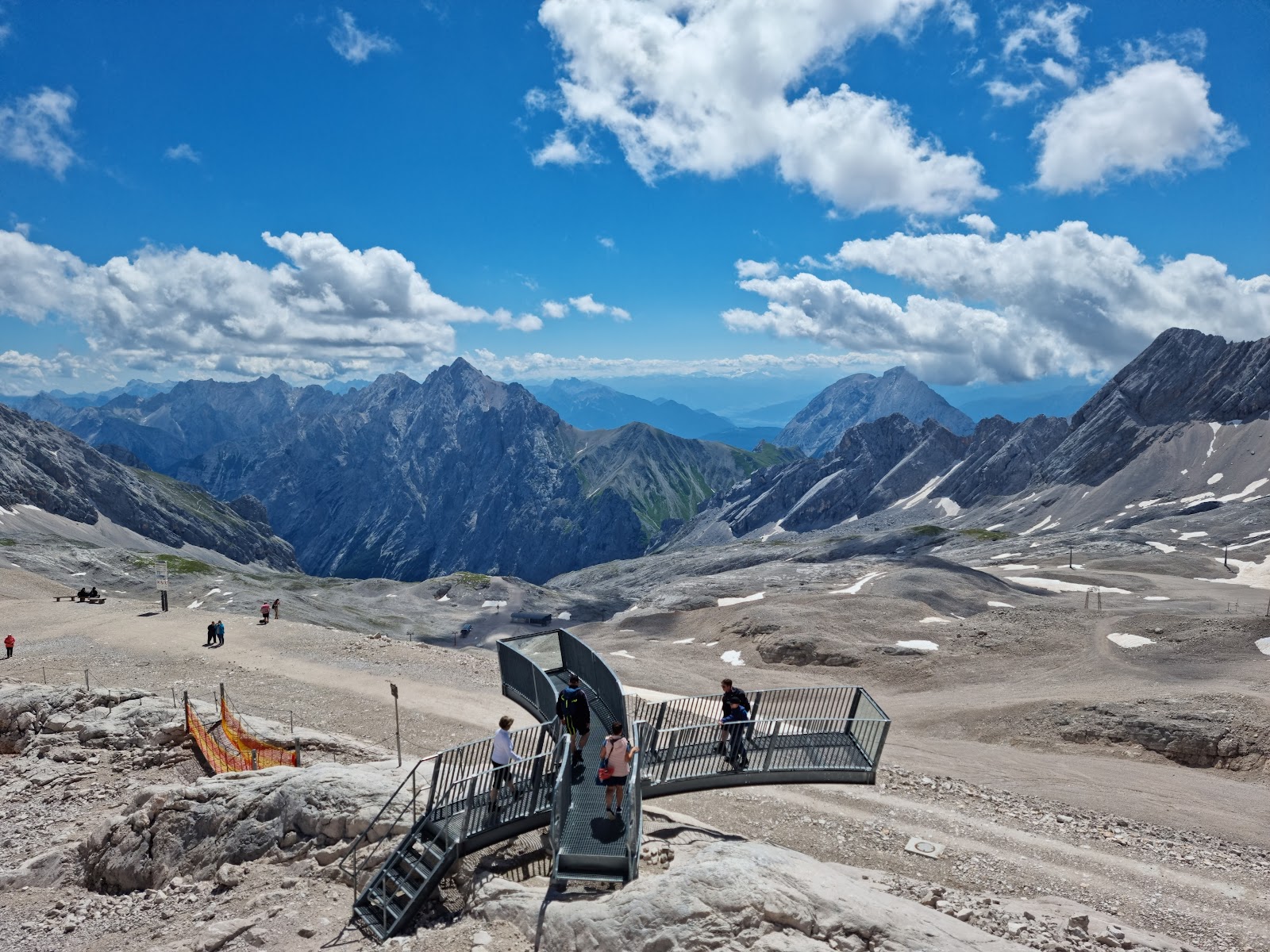
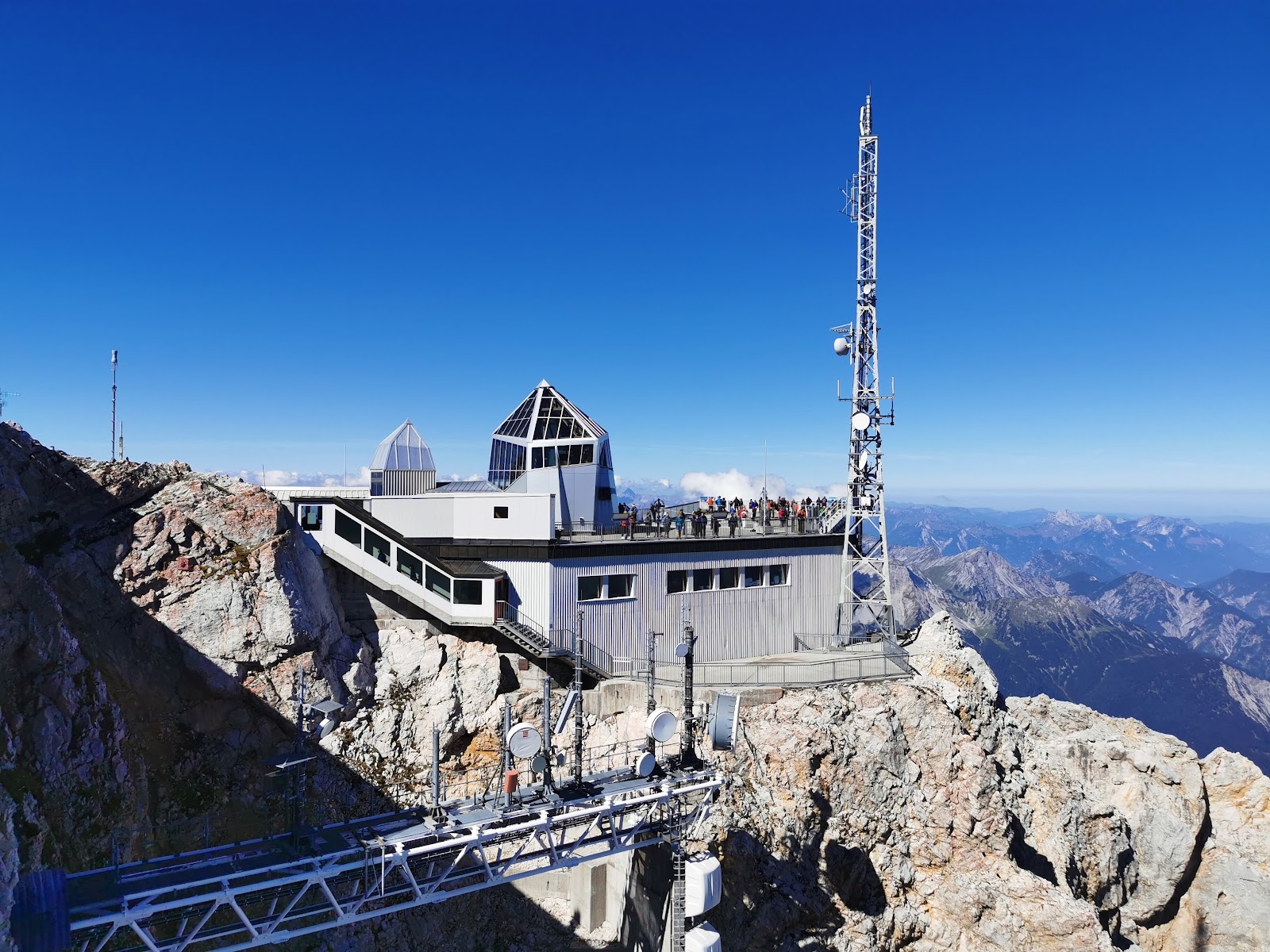
There is no village on the Zugspitze, and that is the first thing to understand. The glacier is a high, treeless plateau reached by cog railway or cable car, with only mountain stations, a famous summit terrace and a small modern building or two, magnificent but entirely without a town. You sleep down in the valley and ride up to ski, then ride down again at the end of the day.
Your base, and the soul of the trip, is Garmisch Partenkirchen, the handsome twin market town at the mountain's foot. This is one of the prettiest resort towns in the German Alps, all painted Bavarian facades, frescoed houses, good shops and a real, year round civic life, with the quieter village of Grainau closer to the cable car. The charm of a Zugspitze holiday lives down here, not on the snow.
Apres and evenings
Let me be straight about the apres, because it is my subject and the Zugspitze splits the day in two. On the mountain itself there is no apres ski to speak of, just a summit terrace where you toast the view with a beer or a gluhwein before the last train down, a moment of genuine grandeur but not a scene. The social evening does not happen on the glacier, it happens in town.
Down in Garmisch Partenkirchen the after ski mood is warm, beery and thoroughly Bavarian, and it is one of the more civilized evenings in the Alps. The pleasure here is the gasthof and the bierkeller, a long table of roast pork, dumplings and dark beer, a stein of wheat beer with friends, a wander through the painted streets, perhaps a nightcap in one of the old taverns. It is gemutlich rather than wild, conviviality over carnage.
So the verdict on the apres is that it is real but grounded in the town, German in flavor and food first, and all the better for it. If you want a thumping slopeside party the Zugspitze is not your mountain. If you want hearty Bavarian cooking, excellent beer and the cozy hum of a proper market town after a day on the roof of Germany, the evenings here are a quiet delight.
Where to stay
Base yourself in Garmisch Partenkirchen for the best of everything, the dining, the shops, the painted streets and easy access to both the Zugspitze railway and the Garmisch Classic slopes. For a quieter, more rural feel right by the cable car, the village of Grainau at the foot of the mountain is a lovely alternative, trading town life for peace and a faster route to the glacier.
Lodging ranges from comfortable Bavarian guesthouses to polished hotels, with strong value out of the peak holiday weeks. If you would like a Zugspitze and Bavarian Alps trip arranged around your dates and group, use the form below and we will route your brief to operators who know the region. Our guide to booking a catered chalet covers lodging options for larger parties.
Lift pass prices and how to save
A glacier day pass runs around $60, and the combined regional ticket that also covers the Garmisch Classic slopes is the sensible buy for anyone staying more than a day, since the glacier alone is quickly exhausted. The cog railway and cable car ride up are part of the experience and included in the ski pass, and early or late season visitors often find the glacier the only game in town, which is exactly when its snow sureness earns its keep.
Compare current prices and arrange passes through our lift pass partner.
Lessons and ski hire
The gentle glacier and the Garmisch Classic nursery areas make this a pleasant place to learn, with well run ski schools in Garmisch Partenkirchen offering instruction in German and English and plenty of forgiving terrain for first timers and children. Rental shops in town and at the valley stations are easy to use, so families and beginners can collect gear close to the lifts and travel light.
Arrange lessons through our lessons partner and rental gear through our ski hire partner.
Getting there
The Zugspitze is one of the easiest high mountains in the Alps to reach. Munich airport sits around an hour and three quarters from Garmisch Partenkirchen by road, and a direct train from Munich runs to Garmisch, from where the historic cog railway and cable cars climb to the glacier, making a car free trip simple. Drivers gain flexibility to explore the wider Bavarian and Tyrolean slopes nearby.
Book a transfer or car through our transfer partner, and sort cover through our travel insurance partner before you travel.
When to go
Thanks to its altitude the Zugspitze has the longest season in Germany, with the glacier often open from November into May. January and February bring the coldest, most reliable snow and the best chance of pairing the glacier with the lower Garmisch slopes, while the shoulder months of November, April and early May are when the glacier truly shines, offering snow sure skiing when nearly everywhere else in the country is closed. Clear high pressure days are worth chasing for the legendary summit view.
The honest bottom line
Zugspitze is the highest and most snow sure ski area in Germany, a small glacier of gentle cruising crowned by one of the great alpine panoramas, best for scenery lovers, families and early or late season skiers. You trade mileage, steeps and a slopeside village for guaranteed snow, high altitude and an unforgettable setting, with the charm of the trip living down in handsome Garmisch Partenkirchen. For a big, varied ski week look elsewhere, but for a spectacular, dependable day or two on the roof of Germany it is unmatched.
If you want this trip priced by specialists, tell us your dates and budget below and we will route your brief to operators who know the Zugspitze and the Bavarian Alps.
Nearby alternatives
Garmisch Partenkirchen: The larger Classic ski area at the mountain's foot, sharing the regional pass and offering longer, more varied descents plus the famous town itself, the natural partner to the glacier. Nebelhorn: A high, scenic mountain above Oberstdorf with the longest valley descent in the Allgau, a great alternative for views and a single grand run. Oberstdorf: A handsome Allgau resort town with more terrain across several mountains and a livelier base, a fuller German Alps option.
Common questions
Is the Zugspitze worth skiing?
Yes, for the right reasons. The Zugspitze offers Germany's highest and most snow sure skiing, gentle glacier cruising with an exceptional panorama over four countries. It is best as a spectacular day or two, ideally combined with the Garmisch Classic slopes, rather than as a full ski week, since the glacier itself is small.
Is the Zugspitze good for beginners and families?
Yes. The glacier terrain is almost entirely gentle blue and red runs, and combined with the nursery areas of Garmisch Classic it makes a forgiving, scenic place for children and improvers. The reliable snow and dramatic setting are a bonus, though strong skiers will find it limited.
Does the Zugspitze have a village?
No, there is no village on the glacier itself, only mountain stations and the summit terrace. Visitors stay down in the valley, with handsome Garmisch Partenkirchen the main base and the quieter Grainau closer to the cable car. The charm of the trip is in the town below.
When is the Zugspitze ski season?
The Zugspitze has the longest season in Germany thanks to its altitude, with the glacier often open from November into May. The shoulder months are when it stands out, offering snow sure skiing when lower German resorts are closed, while midwinter adds the lower Garmisch slopes.
What is the apres ski like on the Zugspitze?
On the mountain it is limited to a beer or gluhwein on the summit terrace. The real evening happens down in Garmisch Partenkirchen, where the mood is warm and Bavarian, built around hearty food, dark beer and the cozy taverns of a handsome market town rather than a slopeside party.
How do I get to the Zugspitze?
Munich airport is around an hour and three quarters from Garmisch Partenkirchen by road, and a direct train runs from Munich to Garmisch, where the historic cog railway and cable cars climb to the glacier. A car free trip is easy, while driving adds flexibility to explore nearby slopes.
Plan your Zugspitze trip with specialists
Send one brief and vetted operators return tailored proposals covering lodging, transfers, passes and lessons. No fee to you, ever.