Furano Ski Resort Review 2026
Furano is the connoisseur's Hokkaido resort, delivering the same reliably deep, dry powder as Niseko but with far smaller crowds and a real working Japanese town at its base. It rewards skiers who care more about quality snow and authentic atmosphere than nightlife and English everywhere. The honest trade offs are fewer English services, a more modest apres scene and tighter rules on tree skiing than at Japan's busiest resorts.
By the Ski Resorts for Kings editorial team · Last reviewed May 2026
Mountain stats at a glance
| Resort altitude | around 235 m at the base |
|---|---|
| Top lift | around 1,070 m |
| Vertical | roughly 840 m, about 2,750 feet |
| Terrain | two connected zones, the Furano Zone and the Kitanomine Zone, with around 24 runs |
| Run split | roughly 40 percent green, 40 percent blue, 20 percent advanced and expert |
| Lifts | around 9, including a ropeway and gondolas |
| Season | roughly late November to early May |
| Nearest airport | Asahikawa, roughly a 1 hour transfer; New Chitose near Sapporo around 2 hours to 2 hour 30 minutes |
| Day pass | typically around $45 to $55, low by Western standards, on an independent ticket |
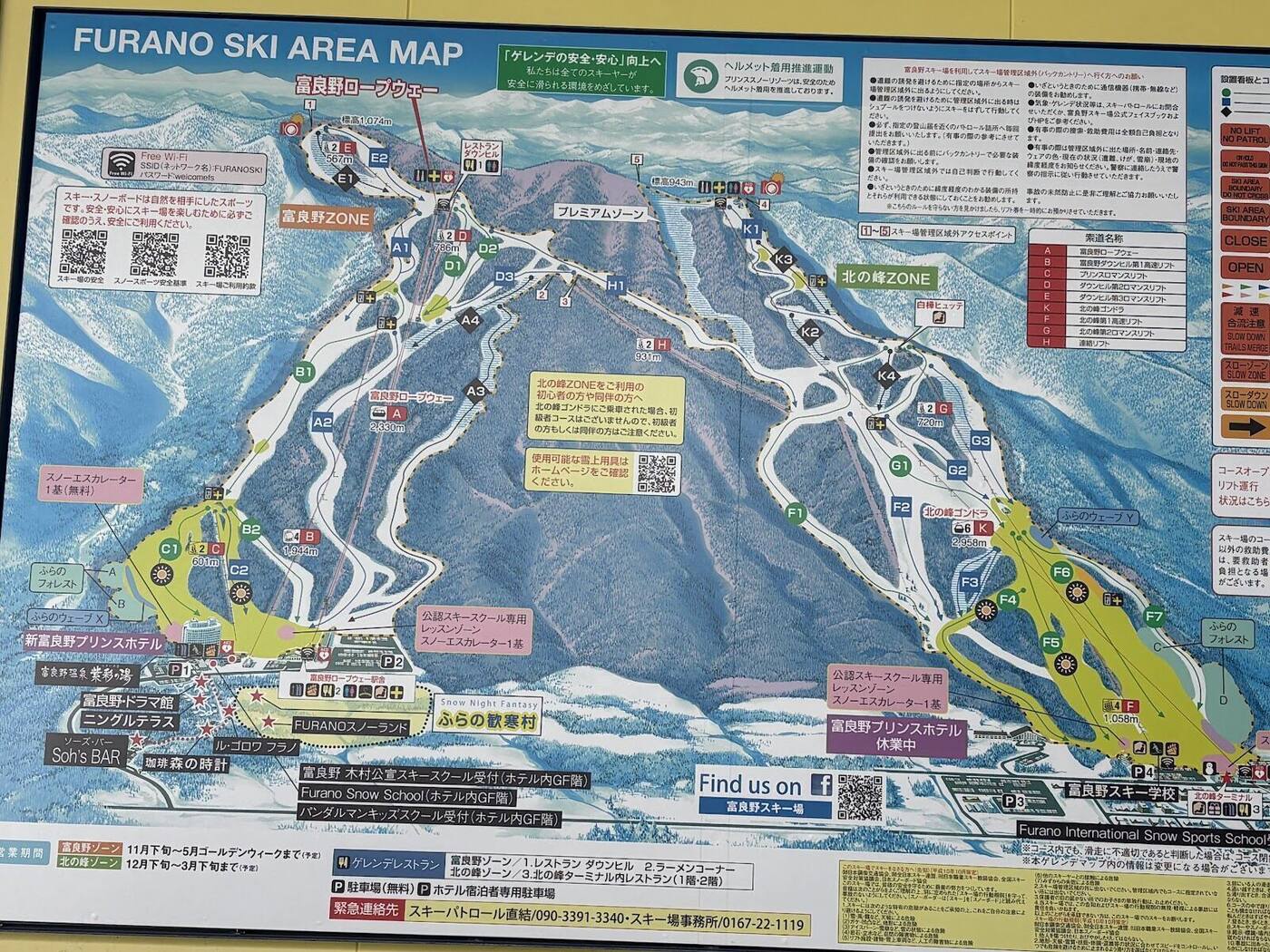
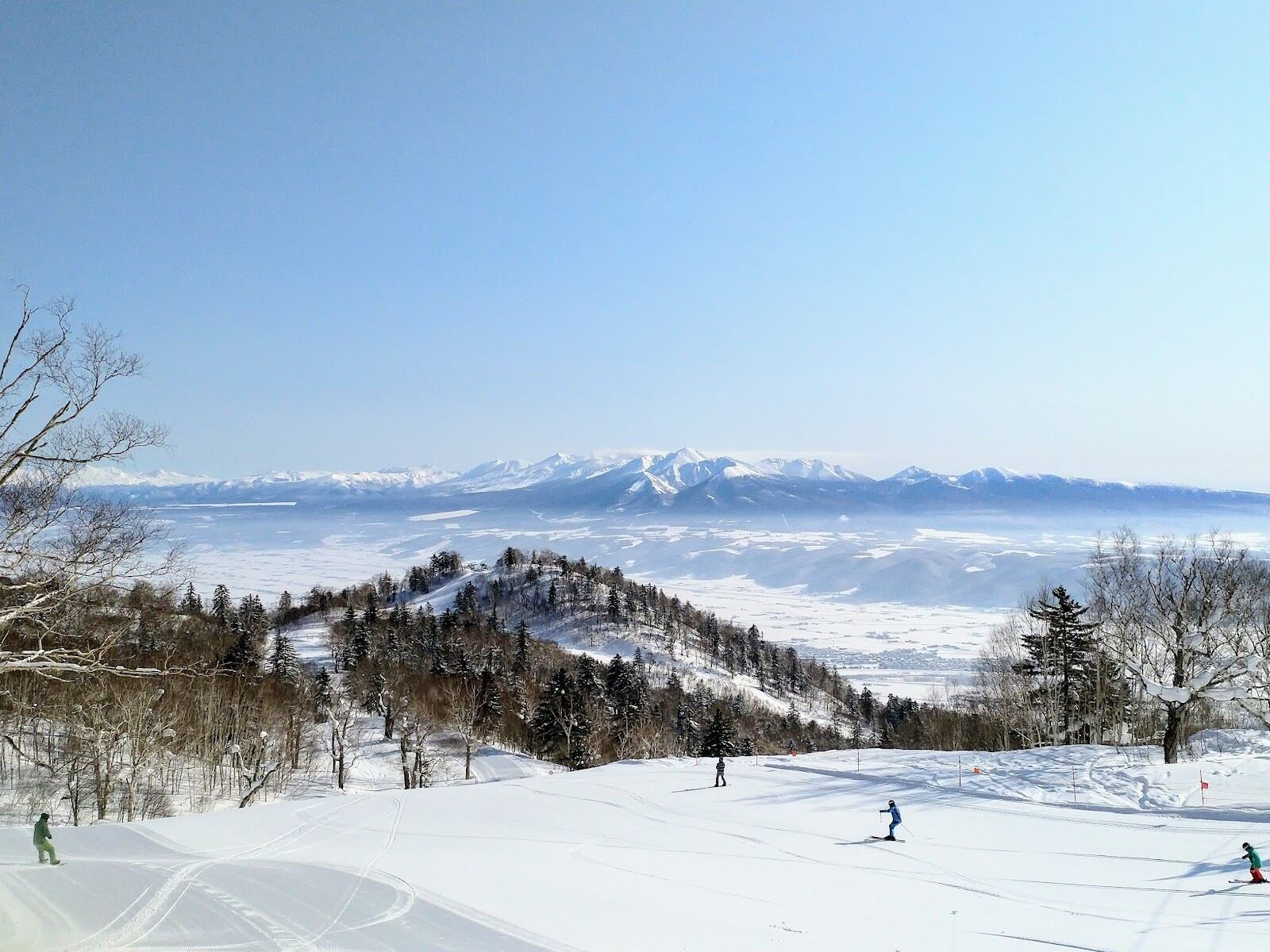
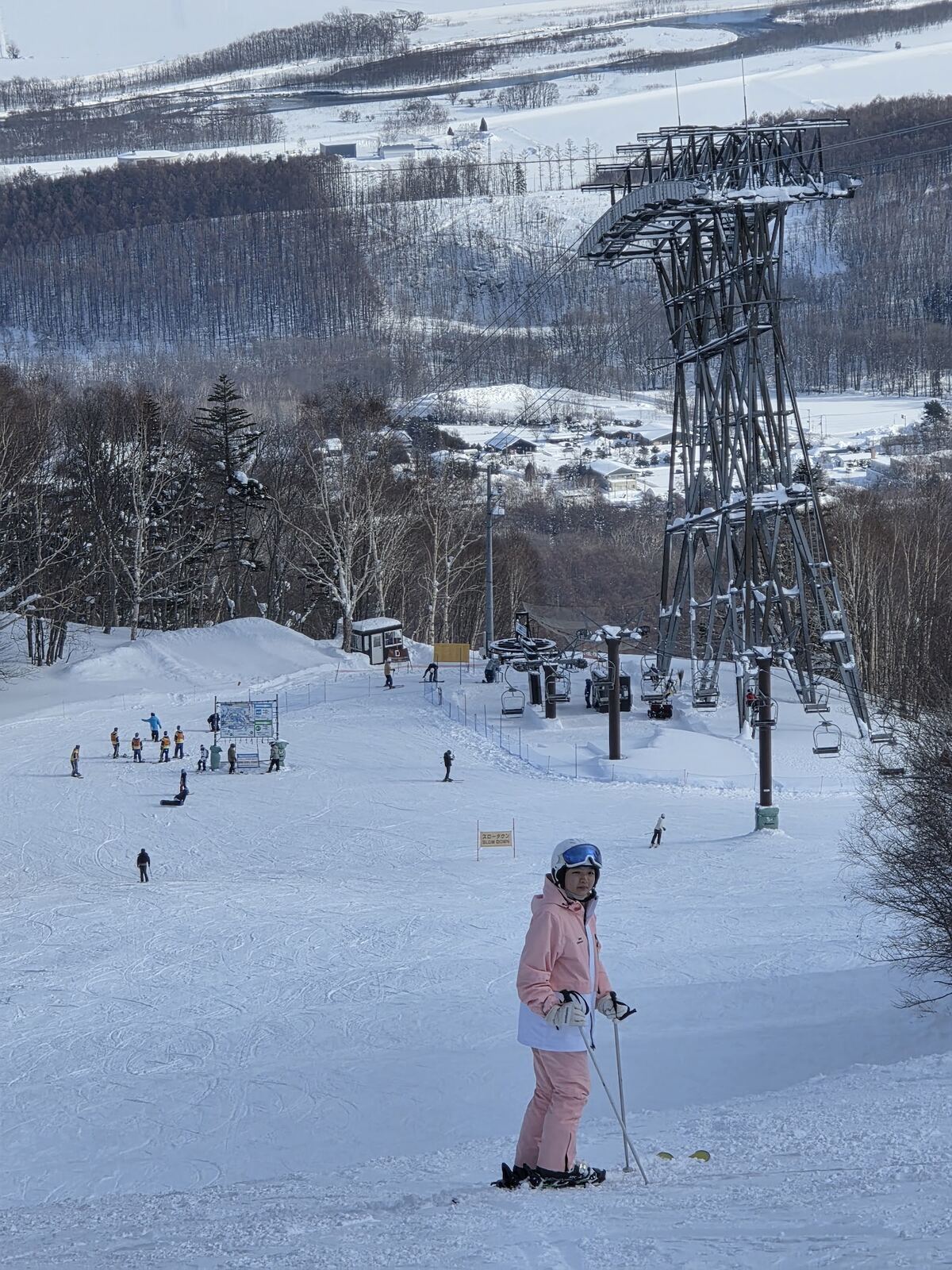
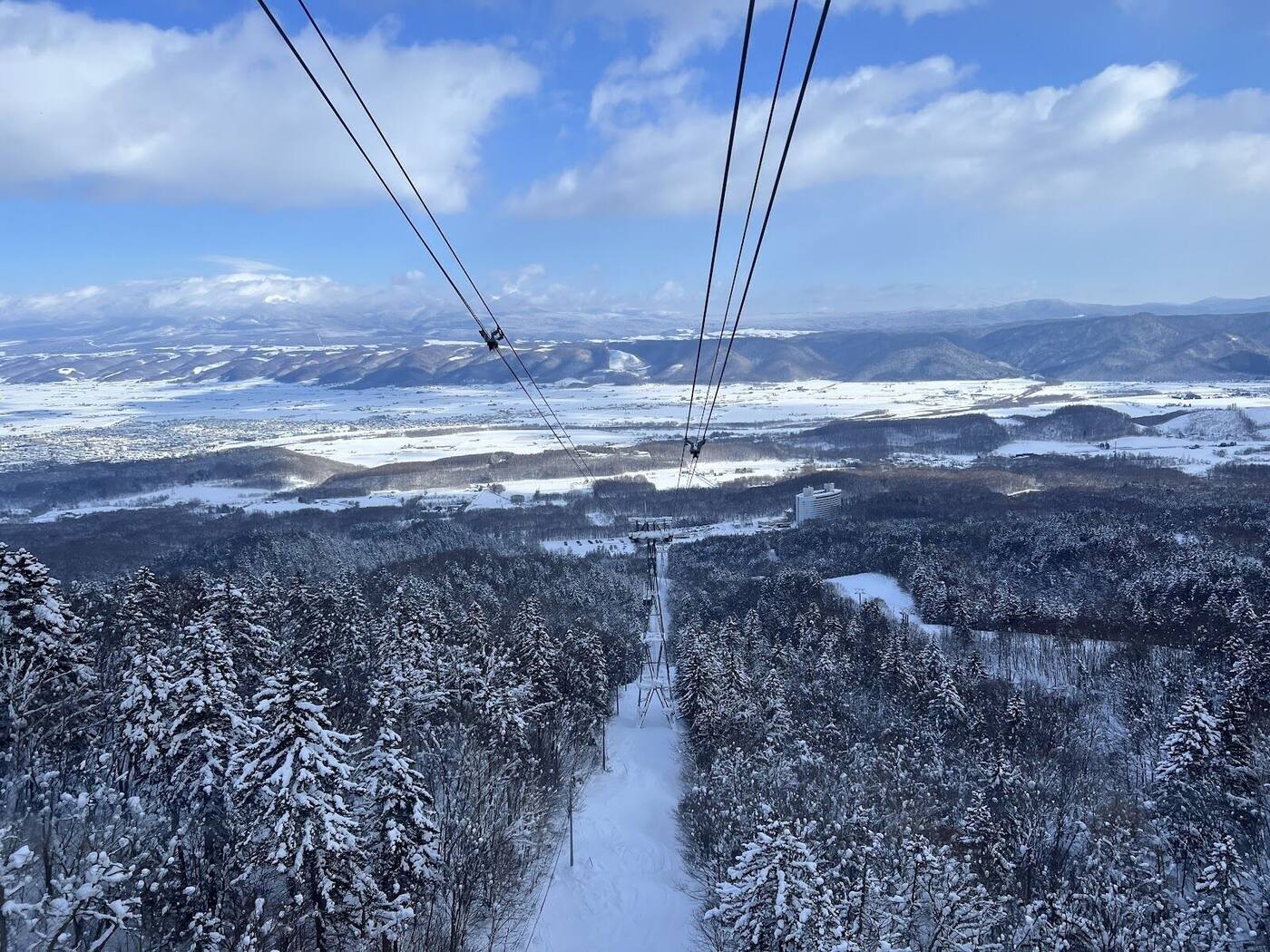
Photos via Google. Contributed by Amy, Beau Geste, Yan Ng, Tzu Ping Lin.
Who it suits
The skiing
Furano combines reliably deep, dry Hokkaido powder with two connected zones, the Furano Zone and the Kitanomine Zone, that share a top vertical of around 840 m. The snow is the headline: central Hokkaido catches frequent, cold, light storms, and because Furano draws far fewer skiers than Niseko, the groomers stay in beautiful shape and fresh snow lasts longer.
The bulk of the terrain suits beginners and intermediates, with long, well groomed cruisers and short lift lines that make for relaxed, high mileage days. There are steeper marked pitches and powder pockets for stronger skiers, and on a storm day the quality of the snow rivals anywhere in Japan.
The honest nuance is the off piste policy. Furano has traditionally controlled tree and backcountry skiing more tightly than the famously open Niseko, using designated areas and gates, though this has eased in recent seasons. If lift served tree runs are the whole point of your trip, confirm the current rules first or pair Furano with a more open resort nearby.
The village
Furano is a working Japanese town rather than a purpose built international resort, and that is its charm. The ski area sits above the town, with the Kitanomine area closest to the slopes and lodging, while the town itself offers authentic restaurants, izakayas, onsen and everyday Japanese life rather than a strip of western bars.
This makes Furano feel like a real cultural trip, not just a ski holiday in a bubble. You eat where locals eat, soak in genuine hot springs, and experience a side of Hokkaido that the busiest resorts have lost. For many travelers that authenticity is the entire appeal.
The trade off is nightlife and convenience. Apres ski is low key, English is less widespread than at Niseko, and the base lodging is more spread out, so a group wanting a buzzing scene right at the lifts will find it quiet. For peace, powder and real Japan, that quiet is a feature, not a flaw.
Where to stay
Stay in the Kitanomine area for the easiest slope access and the closest lodging to the lifts, or down in Furano town for more restaurants, onsen and local life with a short shuttle to the slopes. Lodging ranges from comfortable hotels and pensions to apartments, and it is generally better value than Niseko. A little planning around transport helps, since the layout is more spread out than a compact resort village.
Our overview of how to book a catered chalet covers what to check before you commit. If you want quotes for a Furano stay on your dates, use the short form here and we will route it to operators who know the resort.
Lift pass prices and how to save
Furano runs an independent lift ticket and is not on the Epic or Ikon Pass, but that hardly matters because Japanese lift prices are low. A day pass is typically around $45 to $55, a fraction of a major Western resort, so there is no expensive season pass calculation to make. Multi day tickets offer small savings, and the real cost of a Furano trip is the long haul flight rather than the lift pass.
Read our Japan powder season explained guide to time your trip for the best snow.
Compare current prices and book ahead through our lift pass partner.
Lessons and ski hire
Furano has ski and snowboard instruction including English language lessons, but instructors are fewer than at the international resorts, so book early, especially for children and during peak January powder weeks. Ski hire is available and reasonably priced, though the choice of high end demo gear is smaller than at Niseko. Reserving lessons and gear in advance is the single best way to avoid friction.
Arrange lessons through our lessons partner and gear through our ski hire partner.
Getting there
Furano sits in central Hokkaido and is most easily reached from Asahikawa airport, roughly a 1 hour transfer, while New Chitose airport near Sapporo is around 2 hours to 2 hour 30 minutes by road. Most international visitors fly into Tokyo or New Chitose and connect onward, and a shared shuttle, private transfer or rental car all work. A car gives useful flexibility for visiting nearby Hokkaido resorts.
Book an airport transfer through our transfer partner, and sort cover through our travel insurance partner before you travel.
When to go
Furano's season runs roughly from late November to early May, and the prime powder window is January and early February, when the cold, dry Hokkaido storms are most frequent. Late December is reliably snowy and slightly quieter, while March still skis well with more sunshine and softer afternoons. For the deepest, lightest powder days, January is the month to target, and midweek visits are quieter still given Furano's already low crowds.
The honest bottom line
Furano is the best central Hokkaido choice for skiers who want world class dry powder without Niseko's crowds and prices, set against a genuinely authentic Japanese town. For powder skiers, intermediates and families who value quality snow, short lift lines and real local culture, it is a standout. Skiers who live for lift served tree runs, lively nightlife or seamless English everywhere may prefer Niseko or Rusutsu. For the right traveler, Furano is one of Japan's smartest powder trips.
If you want this trip priced by specialists, tell us your dates and budget below and we will route your brief to operators who know Furano and Hokkaido.
Common questions
Is Furano better than Niseko?
It depends on what you want. Furano has comparably excellent dry powder, far smaller crowds, lower prices and a more authentic Japanese town. Niseko has more lift served tree skiing, livelier nightlife and far more English services. Choose Furano for quality and calm, Niseko for scene and openness.
How is the snow at Furano?
Excellent. Central Hokkaido catches frequent, cold, light storms, so Furano gets reliably deep, dry powder through the heart of winter. Because crowds are low, the groomers stay in great shape and fresh snow lasts longer than at busier resorts.
Can you ski the trees and off piste at Furano?
To a degree, but with more restriction than Niseko. Furano has historically controlled tree and backcountry skiing using designated areas and gates, though the rules have relaxed in recent seasons. If lift served tree runs are central to your trip, confirm the current policy or pair Furano with a more open resort.
How do you get to Furano?
Furano is in central Hokkaido, most easily reached from Asahikawa airport in roughly an hour, or from New Chitose airport near Sapporo in around 2 hours to 2 hour 30 minutes. Most international visitors connect through Tokyo or New Chitose, then take a shuttle, private transfer or rental car.
Is Furano good for beginners and families?
Yes, very. A large share of Furano's terrain is gentle, well groomed green and blue runs, the atmosphere is calm and safe feeling, and the authentic town adds cultural interest. The main caveat is more limited English support, so book lessons ahead and plan a little.
How much does a Furano ski trip cost?
On the mountain Furano is cheap, with day passes around $45 to $55 and good value lodging and food. The big cost is the long haul flight, so for most international visitors a week lands in the $4,000 to $8,000 per person band once flights, transfers, lodging and meals are included.