Masella Ski Resort Review 2026
Masella offers around 74 km of north facing, tree lined pistes about 2 hours from Barcelona, linked with neighboring La Molina to form the roughly 140 km Alp 2500 domain. It suits families, beginners and intermediates, and Barcelona based skiers who want a long weekend on snow that holds well thanks to the shaded, forested aspect. Skip it if you want big alpine vertical, a lively slope side village or a guaranteed long season, because Masella is a day focused mountain built around value and reliable grooming, not resort glamour.
By the Ski Resorts for Kings editorial team · Last reviewed June 2026
Mountain stats at a glance
| Base altitude | around 1,600 m, roughly 5,250 feet |
|---|---|
| Top lift | around 2,535 m, roughly 8,320 feet at Tosa d'Alp |
| Vertical | around 900 m, large for the eastern Pyrenees |
| Pistes | around 74 km at Masella, around 140 km combined with La Molina |
| Run split | roughly 20 percent green, 40 percent blue, 30 percent red, 10 percent black |
| Lifts | around 18 at Masella |
| Night skiing | yes, one of the largest night skiing areas in the Pyrenees |
| Season | early December to early April, snow dependent |
| Nearest airport | Barcelona, around 2h to 2h 30m |
| Day pass | around $50, combined Alp 2500 a little more |
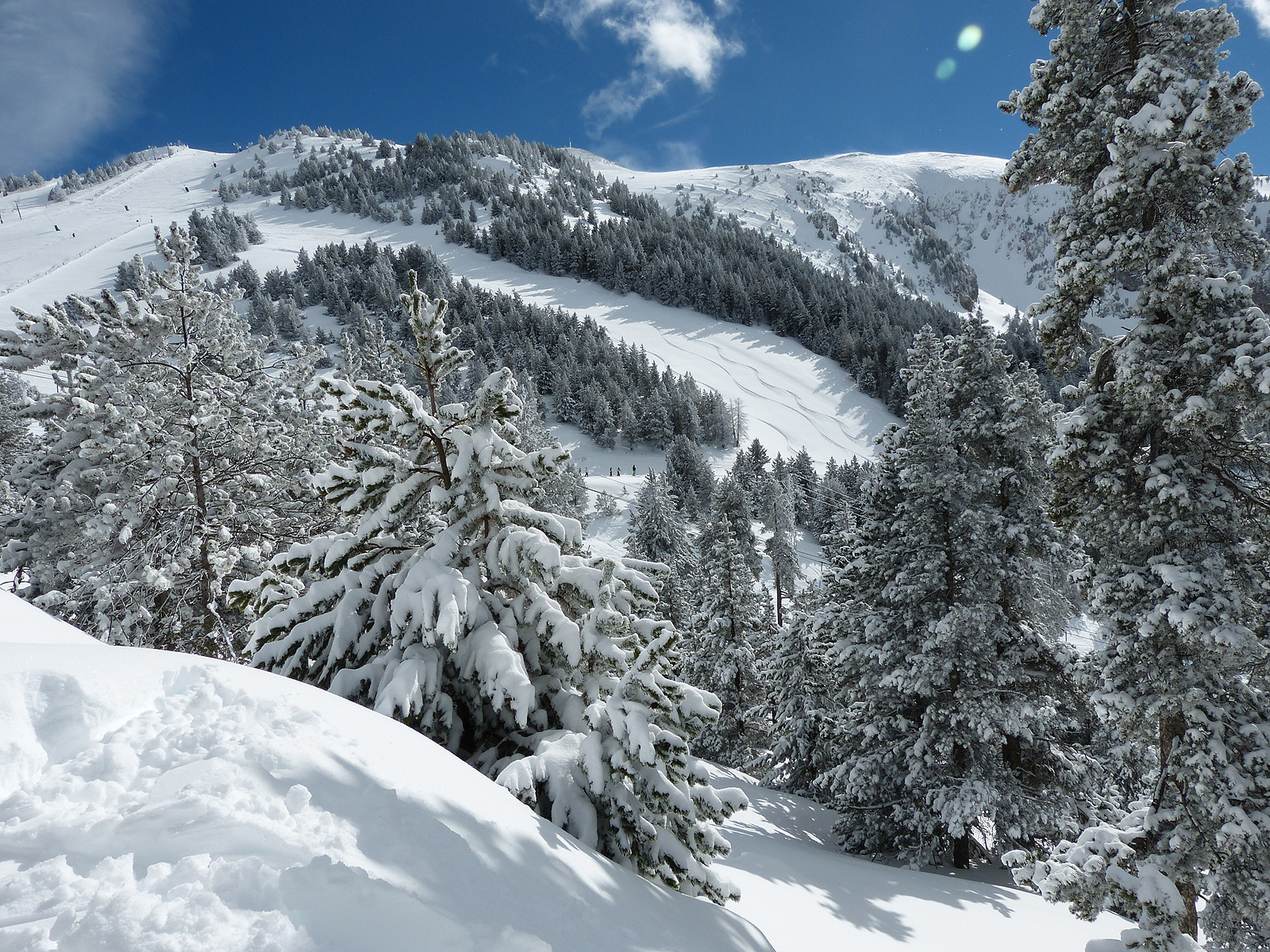
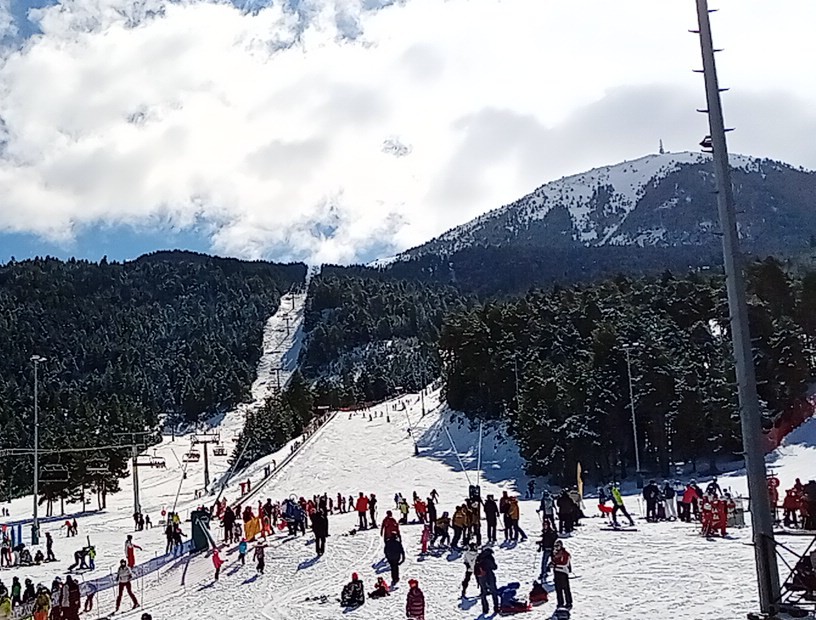
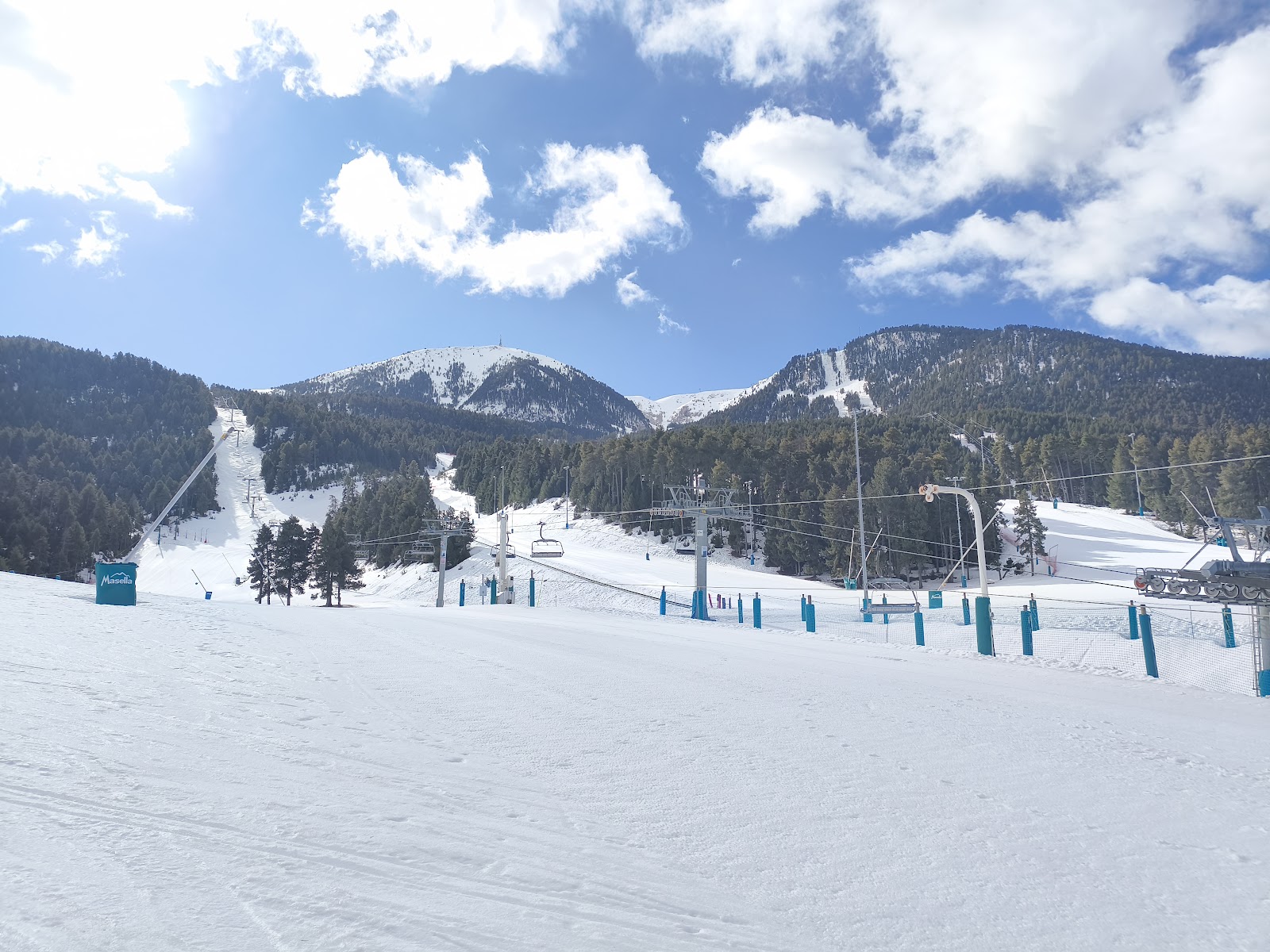
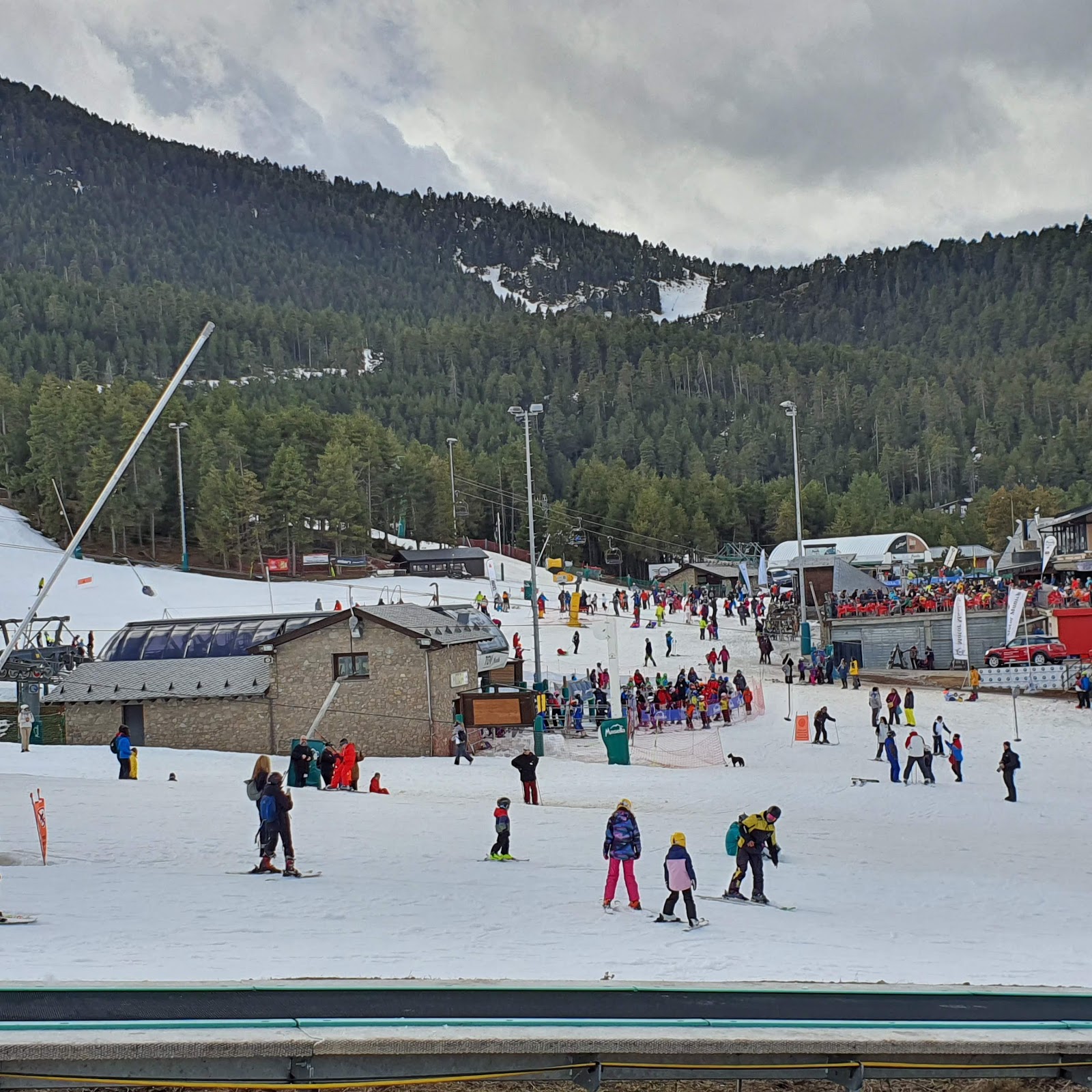
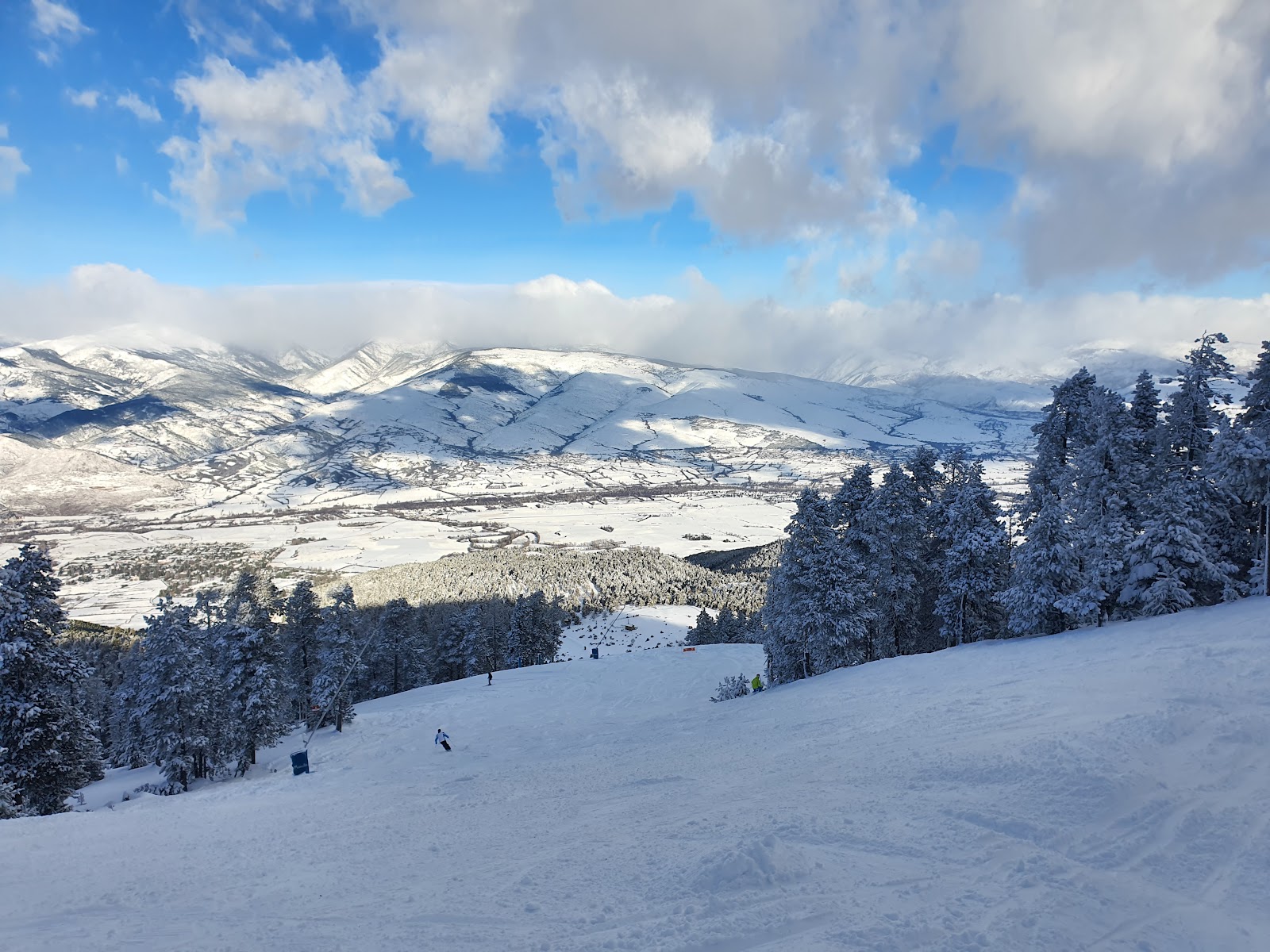
Photos via Google. Contributed by Manel Rubio, aitor mellado.
Who it suits
Masella suits families, beginners and intermediates first, and Barcelona weekenders above all. With around 74 km of mostly green, blue and red pistes and a generous spread of gentle terrain, it is a confidence building mountain rather than an expert's playground. The roughly 900 m of vertical is large for the eastern Pyrenees, giving stronger intermediates real descents.
It is a poor fit for two groups. Experts who want sustained steep terrain and big mountain scale will outgrow it quickly, with only around 10 percent black runs. And anyone seeking a lively ski in ski out village will be disappointed, because Masella is organized around day visits from Barcelona and the local towns rather than a resort core.
The skiing
Masella's defining feature is its aspect. The pistes are cut through pine forest on a predominantly north facing slope, which keeps the snow colder and firmer than the sun exposed runs common elsewhere in the Pyrenees, a measurable advantage in a range where warmth is the main enemy of snow. Around 74 km of trails fan down from Tosa d'Alp at roughly 2,535 m to the base at around 1,600 m.
Linked by lift and piste to neighboring La Molina, the two together form the Alp 2500 domain of around 140 km, comfortably the largest ski area in the eastern Pyrenees and enough for a varied multi day pass. The terrain favors cruising intermediates and families, with long blues through the trees, while the handful of reds and blacks off the top add bite without ever becoming serious.
The forested layout has a second benefit beyond snow quality: shelter and visibility in poor weather, when higher, more open Pyrenean resorts can be a whiteout. Masella also runs one of the largest night skiing operations in the Pyrenees, floodlighting a long descent several evenings a week, which materially extends a short weekend.
The village
Masella has no traditional resort village in the Alpine sense. The base is a functional cluster of car parks, a hotel, ski school and rental shops at the foot of the slopes, designed for skiers arriving by car for the day. The real towns sit down in the Cerdanya valley, with Alp, Puigcerda and La Molina offering hotels, restaurants and Catalan and French border character.
This shapes the trip. Most visitors stay in the valley towns or ski as a day trip from Barcelona, and the evening happens in Puigcerda's lively streets or a valley restaurant rather than at the lifts. For a charming Pyrenean base with proper dining, the valley delivers; for slope side convenience and apres at the bottom of the runs, Masella is not the resort to choose.
Apres and evenings
On apres ski I will be blunt: at the slopes themselves there is essentially none. Masella's base is a day operation, so when the lifts and the night skiing close, the action moves down to the valley towns. There is no concentrated bar scene at the mountain to linger in.
The compensating factor is Puigcerda and the wider Cerdanya, which offer genuinely good Catalan and Pyrenean dining and a relaxed evening culture a short drive away. This is a region where you eat and drink well in a real town rather than a purpose built resort, which many travelers prefer once they adjust their expectations.
The other distinctive option is the night skiing itself. Several evenings a week Masella floodlights a long run, turning the after dark hours into more skiing rather than more drinking, a genuinely different way to spend a winter evening and a strong draw for families and keen skiers on a short trip.
Where to stay
There is a hotel at the Masella base for true ski in ski out convenience, but most visitors stay in the Cerdanya valley towns of Alp, La Molina or Puigcerda, which offer more hotels, apartments and restaurants within a short drive. La Molina also puts you on the far side of the linked Alp 2500 domain, useful if you want to ski both areas.
Many skiers simply day trip from Barcelona, around 2 hours away, which keeps lodging costs near zero and lands the whole trip firmly in the under $2,000 band. For how hotels, apartments and catered options compare for a snow holiday, see our guide to catered chalet versus hotel versus apartment. If you would like a Masella or Catalan Pyrenees trip priced for your dates, use the form below.
Get chalet and lodging quotes
For a faster quote on where to stay in Masella, send the short form below and operators who know Masella and the Catalan Pyrenees will price your dates and group.
Lift pass prices and how to save
A Masella day pass runs around $50, with the combined Alp 2500 ticket covering La Molina too for a small premium, which is the obvious choice for anyone staying more than a day. Prices sit well below the western Pyrenees and a long way below the Alps, one of the resort's core attractions.
The biggest saving here is access: with no need for flights and lodging if you base in Barcelona, a Masella trip is among the cheapest proper ski outings in western Europe. Night skiing also stretches the value of a single day. Compare current pass options through our lift pass partner.
Lessons and ski hire
Masella has a well established ski school geared to its family and beginner heavy clientele, and lesson prices are low by European standards, making instruction an easy recommendation for first timers and improving children. The gentle base area terrain is ideal for early progress.
Rental shops at the base and in the valley towns cover all standards of gear. Book lessons through our lessons partner and skis or a board through our ski hire partner.
Getting there
Masella is one of the most accessible ski areas from a major city in Europe. Barcelona airport and city center are around 2 to 2 hours 30 minutes away by road through the Cadi tunnel, making both a day trip and a weekend straightforward. A rental car is the simplest way to reach the base and to move around the valley towns.
Trains and buses also serve Puigcerda and La Molina from Barcelona for those without a car, with onward links to the slopes. Book a transfer or car through our transfer partner, and arrange cover through our travel insurance partner before you travel.
When to go
January and February are the most reliable months, the coldest part of a Pyrenean winter when Masella's north facing slopes and snowmaking hold the best cover. December can be excellent or thin depending on early snow, and March brings sunnier, softer days that suit families. The season is shorter and more snow dependent than the high Alps, so for the surest conditions aim for midwinter.
The honest bottom line
Masella is the smart choice for snow sure value near Barcelona: around 74 km of north facing, forested pistes that hold their snow, rising to around 140 km when combined with La Molina, plus extensive night skiing, all about 2 hours from the city. You trade big alpine vertical, a slope side village and a long guaranteed season for low cost, easy access and reliable grooming.
For families, beginners, intermediates and Barcelona weekenders it is one of the best value ski trips in western Europe; for experts or anyone wanting a glamorous resort base it will fall short. If you want this trip priced by specialists, tell us your dates and budget below and we will route your brief to operators who know the Catalan Pyrenees.
Common questions
Why ski at Masella?
Masella offers around 74 km of north facing, forested pistes about 2 hours from Barcelona, with snow that holds well thanks to the shaded aspect, extensive night skiing and low prices. Linked with La Molina it forms the roughly 140 km Alp 2500 domain, the largest in the eastern Pyrenees, which makes it a strong value choice for families and weekenders.
Is Masella good for beginners and families?
Yes. The majority of its terrain is green, blue and gentle red, it has a well regarded and inexpensive ski school, and the base area is easy for early progress. The forested layout also gives shelter and good visibility in poor weather, which helps nervous learners and children.
How far is Masella from Barcelona?
Around 2 to 2 hours 30 minutes by road through the Cadi tunnel, making it practical as both a day trip and a weekend. Trains and buses also link Barcelona to nearby Puigcerda and La Molina for those without a car.
What is Alp 2500?
Alp 2500 is the combined ski domain formed by Masella and neighboring La Molina, linked by lift and piste, totaling around 140 km of runs. A combined pass covers both areas and is the best buy for anyone staying more than a day.
Does Masella have night skiing?
Yes, Masella runs one of the largest night skiing operations in the Pyrenees, floodlighting a long descent several evenings a week. It is a genuine draw on a short trip, turning the after dark hours into extra skiing.
When is the best time to ski Masella?
January and February are the most reliable, with the coldest temperatures and best cover on the north facing slopes. December varies with early snow, and March brings sunnier, softer conditions that suit families, though the season is more snow dependent than the high Alps.
Plan your Masella trip with specialists
Send one brief and vetted operators return tailored proposals covering lodging, transfers, passes and lessons. No fee to you, ever.