Sugarbush Ski Resort Review 2026
Sugarbush is the most complete big mountain ski experience in Vermont, two linked peaks that hold genuinely steep terrain, long flowing cruisers and tree skiing that rivals anything in the East. It rewards strong intermediates and experts who want real challenge with a quietly upscale, unhurried base rather than a theme park village. The honest trade off is New England weather and a smaller scale than the West: come for the terrain, the calm and the polish, not for deep powder guarantees.
By the Ski Resorts for Kings editorial team · Last reviewed June 2026
The verdict
Sugarbush is the best all round mountain in Vermont for skiers who want real terrain rather than a manicured cruise. Two connected peaks, Lincoln Peak and Mount Ellen, deliver steep bump runs, classic glades and some of the longest sustained pitches in the East, served by a base that feels refined and grown up rather than packaged. Strong intermediates, experts and couples who want a polished, low key weekend will love it; nervous beginners, families wanting a big ski school carnival, and anyone chasing reliable deep powder should look elsewhere.
Book it if you are a confident skier who wants genuine challenge, fewer crowds than Stowe and a tasteful slopeside base for a long weekend. Skip it if you need gentle, sprawling beginner terrain, a large car free pedestrian village or the snow security of the high Rockies, since this is New England skiing with all its weather and its rewards.
Mountain stats at a glance
| Base altitude | around 480 m (1,575 ft) |
|---|---|
| Top lift | around 1,245 m (4,083 ft) |
| Vertical | roughly 790 m (around 2,600 ft) |
| Terrain | around 110 marked trails across two mountains |
| Annual snowfall | roughly 250 inches |
| Run split | roughly 20 percent green, 45 percent blue, 35 percent black |
| Lifts | around 16 |
| Season | roughly late November to mid April, snow dependent |
| Nearest airport | Burlington, roughly a 1 hour transfer |
| Day pass | around $140 |
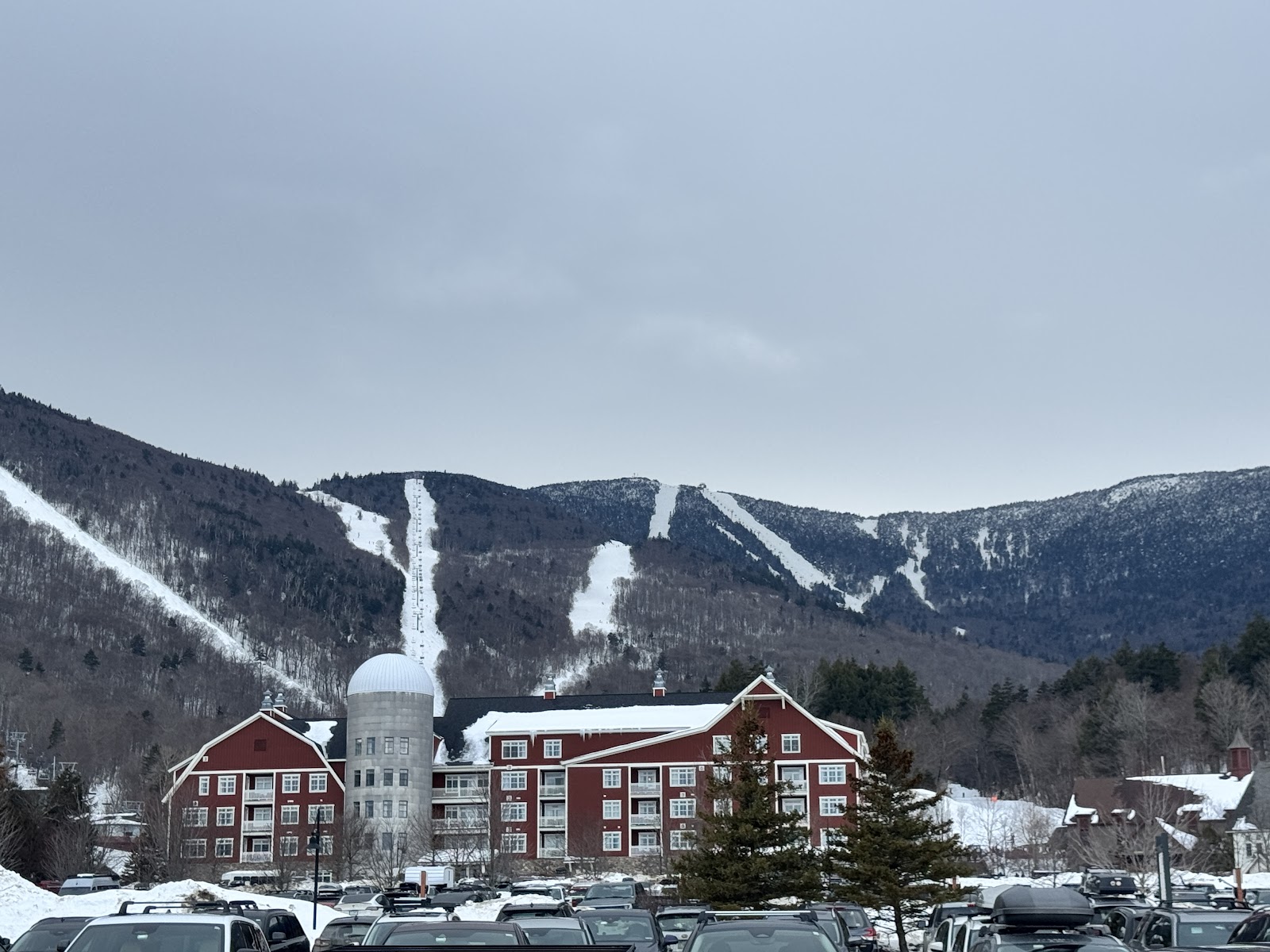
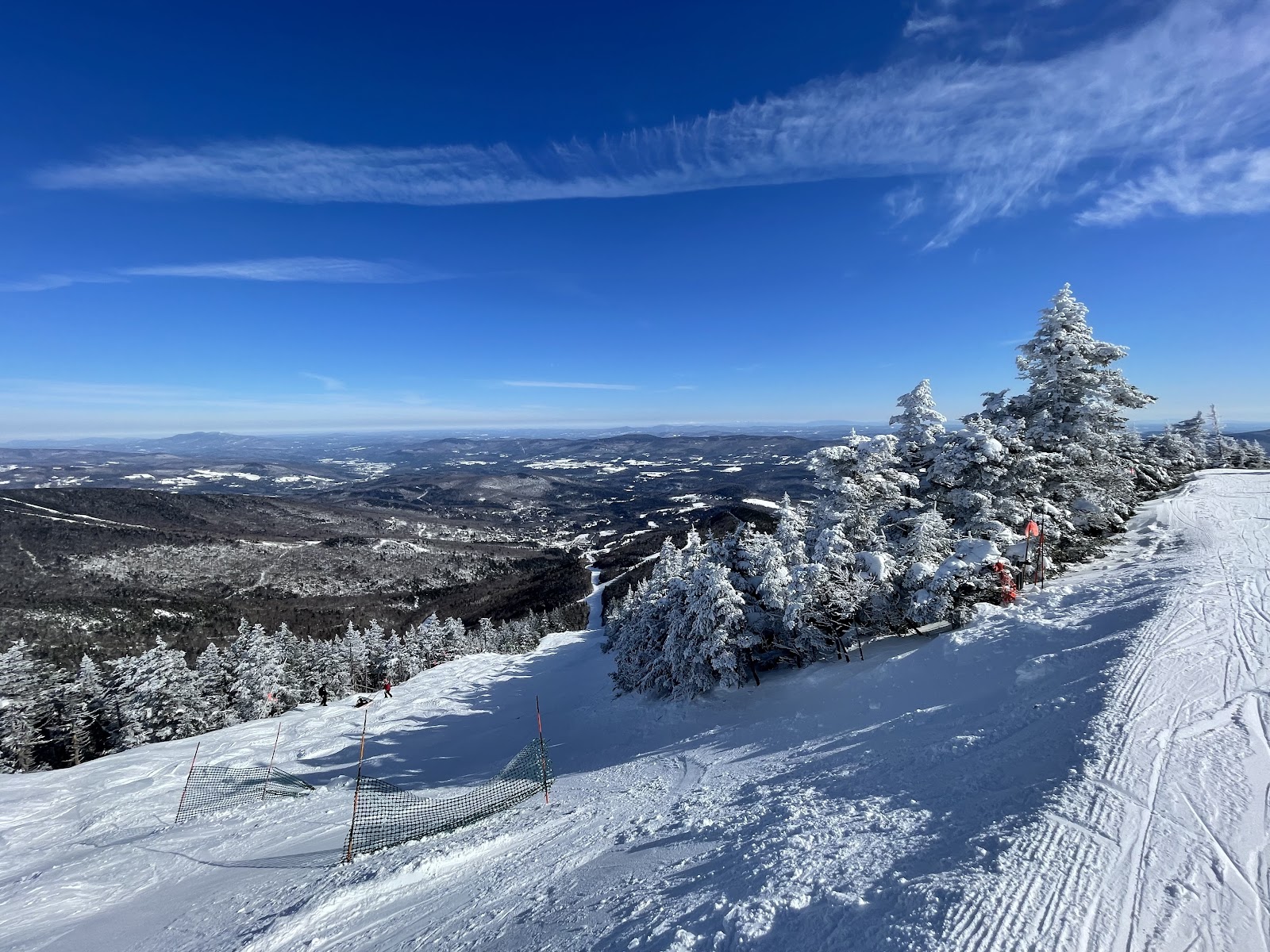
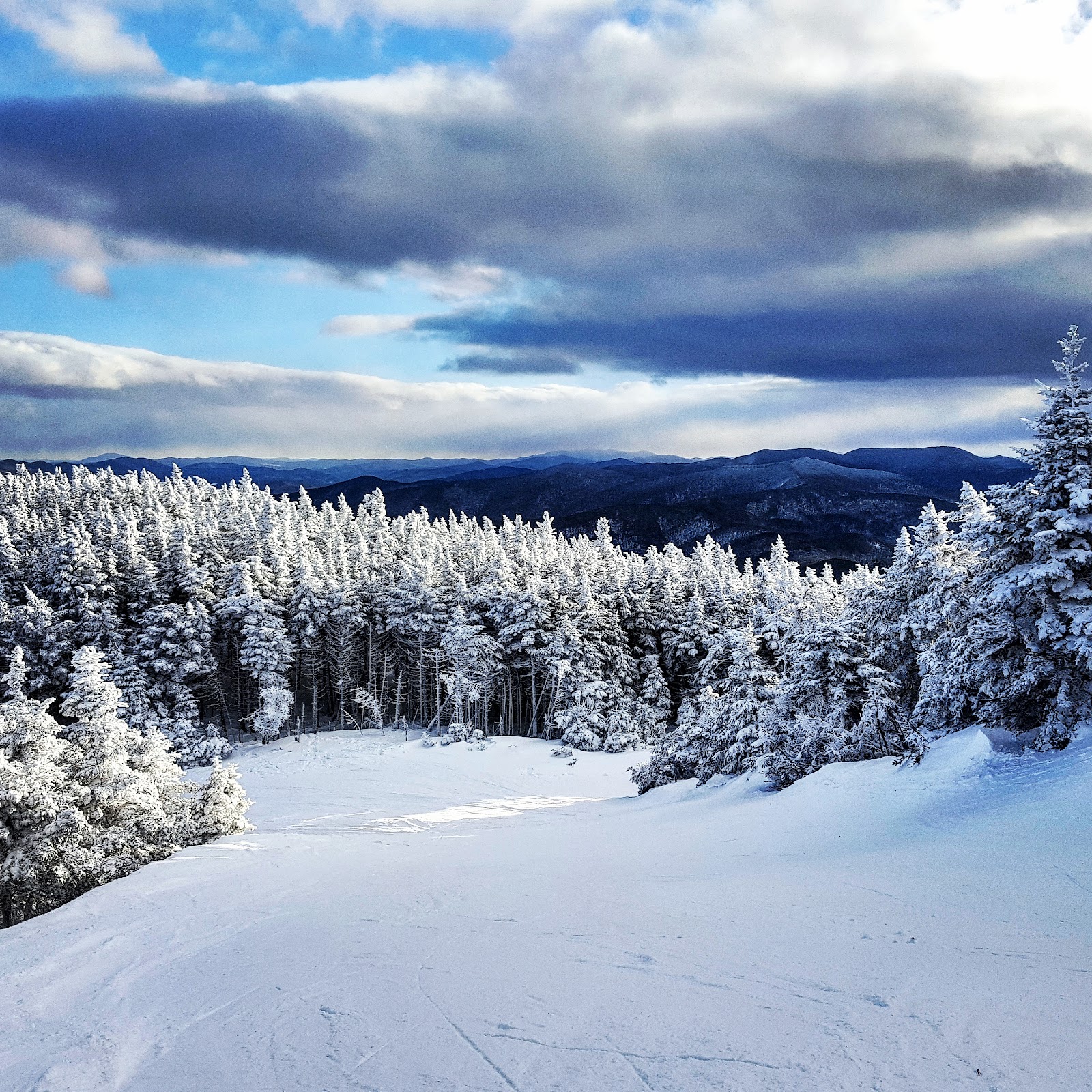
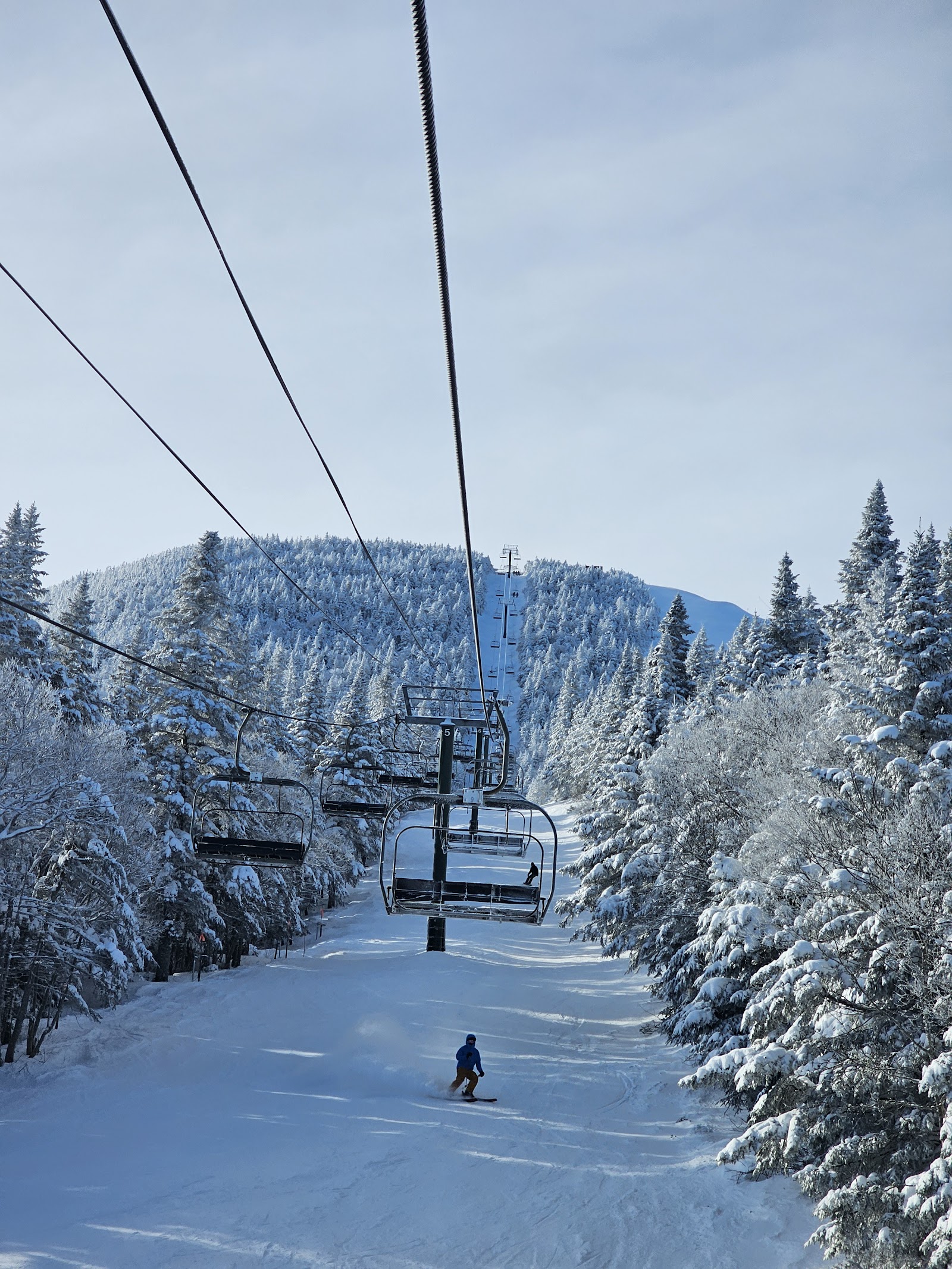
Photos via Google. Contributed by Anna Macsai, Kieran Alton34 and Ryan Fitzpatrick.
Photos via Google. Contributed by Anna Macsai, Kieran Alton34, Ryan Fitzpatrick, Rob Nagle, Jacqueline Hormaza Melo.
Who it suits
Strong intermediates are the sweet spot at Sugarbush. The mountain is full of long, rolling blue and black runs that let a confident cruiser open up and actually ski, and the linked terrain across Lincoln Peak and Mount Ellen gives enough variety for a full week without repeating yourself. For a skier ready to step up from groomers into bumps and trees, this is one of the most rewarding mountains in the East.
Experts are genuinely well served, which is rare in New England. Steep classic lines, demanding mogul fields and a network of glades give serious skiers something to chew on, especially after a cold snap firms things up or a storm drops fresh snow. This is a mountain that respects an advanced skier rather than running out of terrain by mid morning.
The weaker fit is the true beginner and the family wanting a gentle, sprawling nursery slope scene. There is good learning terrain and a capable school, but the character of the mountain is challenge and quiet refinement, not a beginner playground. Non skiers will find the base calm and tasteful rather than full of distractions, so a non skiing partner who wants shopping and spectacle should plan day trips.
The skiing
Sugarbush spreads across two linked mountains with a vertical of roughly 790 m, which is substantial for the East. Lincoln Peak is the main event, a tangle of steep frontside runs, the famous Castlerock area with its raw, narrow, old school lines, and generous tree skiing in between. Mount Ellen, connected by the Slide Brook Express, is higher, quieter and built for long top to bottom intermediate cruising.
The signature here is variety with a serious edge. On a good day you can warm up on long groomers, test yourself in steep bumps, then disappear into the glades, all without the lift queues of busier Vermont names. Castlerock in particular is a pilgrimage for skiers who love rugged, ungroomed, narrow New England terrain that has barely changed in decades.
The honest limitation is snow and scale. This is New England, so conditions swing from soft powder to hard pack and the occasional thaw, and snowmaking does much of the heavy lifting in lean spells. It is also a fraction of the size of a major Western resort, so a hardcore skier chasing big alpine vertical and guaranteed depth will eventually want the Rockies. What Sugarbush offers instead is honest challenge, character and calm.
The village
Sugarbush has a compact, tasteful base at Lincoln Peak with a small cluster of slopeside lodging, a few good restaurants and a quiet, grown up feel rather than a manufactured village. It sits in the Mad River Valley, one of the most beautiful and unspoiled corners of Vermont, anchored by the classic New England towns of Warren and Waitsfield a few minutes down the road.
Evenings are relaxed and refined. The valley is known for genuinely good farm to table dining, characterful country inns and a low key apres ski scene built around fireplaces and good food rather than thumping bars. For a couple or a group of keen skiers who want comfort and quality without spectacle, the mood is close to ideal.
For a concierge planned trip, the smart formula is a comfortable slopeside suite or a private home in the valley, a table booked at one of the standout valley restaurants, and a car for exploring Warren and Waitsfield. It is a place that rewards a little planning with a great deal of charm, and it suits travelers who value taste over flash.
Where to stay
Lodging at Sugarbush ranges from ski in ski out suites and condos at the Lincoln Peak base for true convenience, to characterful inns and private homes spread through Warren and Waitsfield for more space and atmosphere. Keen skiers should stay at the base for first chair, while couples and groups who want dining and character often prefer the valley. Larger parties can find handsome private homes with room to spread out.
Our guide to how to book a catered chalet covers what to confirm before you pay a deposit. If you would like curated options for a Sugarbush stay on your dates, share the short brief here and we will route it to operators who know the Mad River Valley.
Get a chalet quote
Want a quick chalet or hotel quote for Sugarbush on your dates? Share a few details and we will route it to operators who know the area.
Lift pass prices and how to save
A day pass at Sugarbush is around $140, with multi day tickets and early season purchase lowering the daily rate, and the resort sits on a major multi resort season pass that is worth comparing if you ski several mountains a year. Booking lift tickets ahead is strongly advised, since walk up prices on peak weekends are the most expensive way to ski. Midweek visits are quieter and better value than Saturdays, when the East Coast crowds arrive.
Compare current prices and buy ahead through our lift pass partner.
Lessons and ski hire
Sugarbush has a respected ski and snowboard school with strong coaching for skiers who want to progress into bumps, steeps and trees, which is exactly the kind of terrain the mountain rewards. English speaking instruction is standard. Reserve rental gear in advance and consider all mountain skis here rather than soft snow specialist skis, since firm New England mornings call for an edge that holds.
Arrange lessons through our lessons partner and gear through our ski hire partner.
Getting there
Sugarbush is one of the easier Eastern mountains to reach. Burlington International Airport is roughly a 1 hour drive, while Boston is around 3 hours and works well for a long weekend by car. A hire car is the sensible choice, since the lodging is spread through the valley and you will want it for dining and exploring. Plan the drive around New England winter storms, which can slow the final approach.
Book a private airport transfer through our transfer partner, and sort cover through our travel insurance partner before you travel.
When to go
Sugarbush skis well from late November to mid April, with the heart of the season from January to early March offering the coldest, most reliable snow and the best chance of soft conditions in the trees. February is peak season and busiest on weekends, so a midweek window then is the sweet spot. March often brings sunnier, softer spring skiing and is a lovely, less crowded time to visit for strong skiers who do not mind variable surfaces.
The honest bottom line
Sugarbush is the thinking skier's choice in Vermont, two linked mountains with genuine steeps, classic glades and long cruisers, wrapped in a calm and tasteful Mad River Valley base. For strong intermediates, experts and couples who want real terrain, good food and fewer crowds, it is one of the most rewarding trips in the East. Beginners wanting a gentle carnival, families seeking a big pedestrian village and powder hunters needing Western depth should look elsewhere. For character and challenge close to the airport, it is hard to beat.
If you want this trip arranged by specialists, tell us your dates and budget below and we will route your brief to operators who know Vermont.
Nearby alternatives
Considering other options in the East? Compare Mad River Glen, the famously raw, single chair, no snowboard mountain right next door, Cannon Mountain for steep, exposed New Hampshire skiing on a budget, and Bromley for a sunny, gentle, family friendly day. You can also browse the wider Vermont and the East region guide or the full United States destination guide.
Common questions
Is Sugarbush good for experts?
Yes, more so than almost any other Vermont resort. Steep frontside runs, demanding bump fields, the rugged Castlerock area and an extensive glade network give serious skiers real challenge, especially after fresh snow or a hard freeze. It is one of the few Eastern mountains that respects an advanced skier all day.
Is Sugarbush good for beginners and families?
Partly. There is decent learning terrain and a capable ski school, but the character of the mountain is challenge and quiet refinement rather than a gentle beginner playground. Families with very young or nervous skiers may prefer a mountain built around easy cruising, while families of confident skiers will love the variety.
How does Sugarbush compare to Stowe?
Sugarbush is quieter, more low key and arguably has more interesting expert terrain for the crowd it draws, while Stowe is larger, glossier and busier with a more developed base scene. Skiers who want refined calm and real challenge often prefer Sugarbush; those who want a polished resort village lean to Stowe.
How much does a trip to Sugarbush cost?
Many long weekends land in the $2,000 to $4,000 per person band including lodging, lift tickets and dining, with a full week of slopeside comfort reaching $4,000 to $8,000. The day pass is around $140, plus flights, a hire car and meals in the valley's excellent restaurants.
When is the best time to ski Sugarbush?
January to early March brings the coldest, most reliable snow and the best tree skiing, with February busiest on weekends. March offers sunnier, softer spring days and thinner crowds, which suits strong skiers who do not mind more variable surfaces. Aim for midweek to avoid the East Coast weekend rush.
How do you get to Sugarbush?
Burlington International Airport is roughly a 1 hour drive and is the easiest gateway, while Boston is around 3 hours and works for a long weekend. A hire car is the sensible choice because lodging and dining are spread through the Mad River Valley, and you will want it for exploring Warren and Waitsfield.
Where should you stay and when should you go?
Plan your Sugarbush trip with specialists
If you want a polished Mad River Valley weekend arranged, with a slopeside suite or a private home, a table at one of the valley's standout restaurants and a car sorted for the drive, tell us your dates and group below and we will route your brief to operators who know Vermont.