St Anton Village Guide 2026
St Anton am Arlberg is the big, lively, ski first town of the Austrian Arlberg, a place built for confident skiers who want serious terrain by day and the loudest apres ski in the Alps by late afternoon. The village anchors the Ski Arlberg circuit, around 300 km of linked pistes shared with Lech, Zurs, Stuben and Warth, and it sits high enough at around 1,300 m to ski reliably from December to April. Book it for snow sure mileage, famous off piste and a buzzing, social winter base. Skip it if you are a nervous beginner, you want a quiet luxury hideaway, or your group needs an early, calm evening every night.
By the Ski Resorts for Kings editorial team · Last reviewed June 2026
St Anton at a glance
| Village altitude | around 1,300 m, roughly 4,270 feet |
|---|---|
| Ski area | Ski Arlberg, around 300 km linked with Lech, Zurs, Stuben and Warth |
| Top lift | around 2,800 m on the Valluga above the town |
| Lifts in the area | around 85 across the whole Ski Arlberg circuit |
| Village type | lively, ski first Tirolean town, pedestrian main street, big apres ski |
| Best for | advanced skiers, off piste, apres ski, sociable groups |
| Nearest airport | Innsbruck, around 1h 15m, or Zurich around 2h 15m |
| Area day pass | around $75 for the full Ski Arlberg circuit |
| Season | December to mid April, snow sure for an Austrian resort |
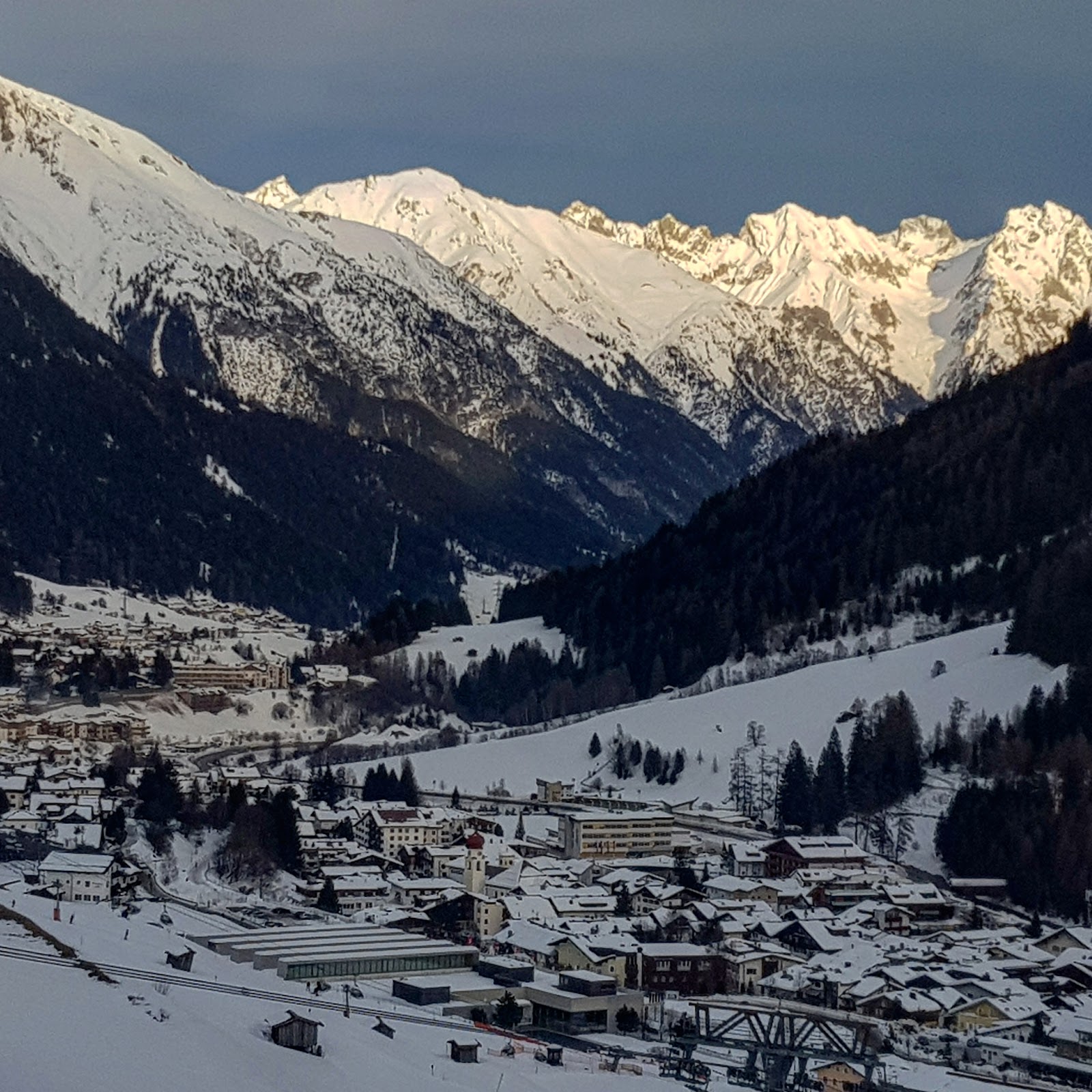
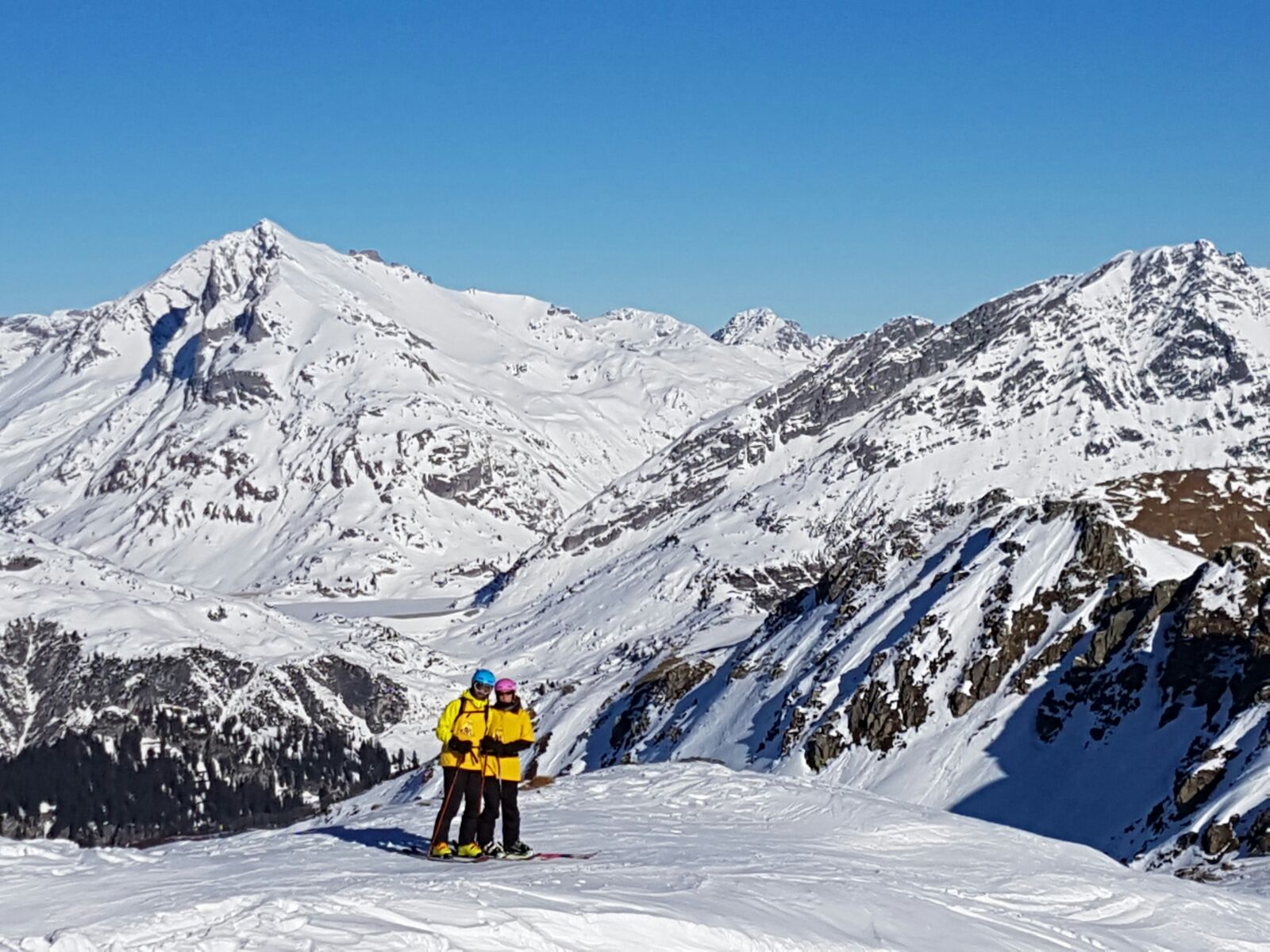
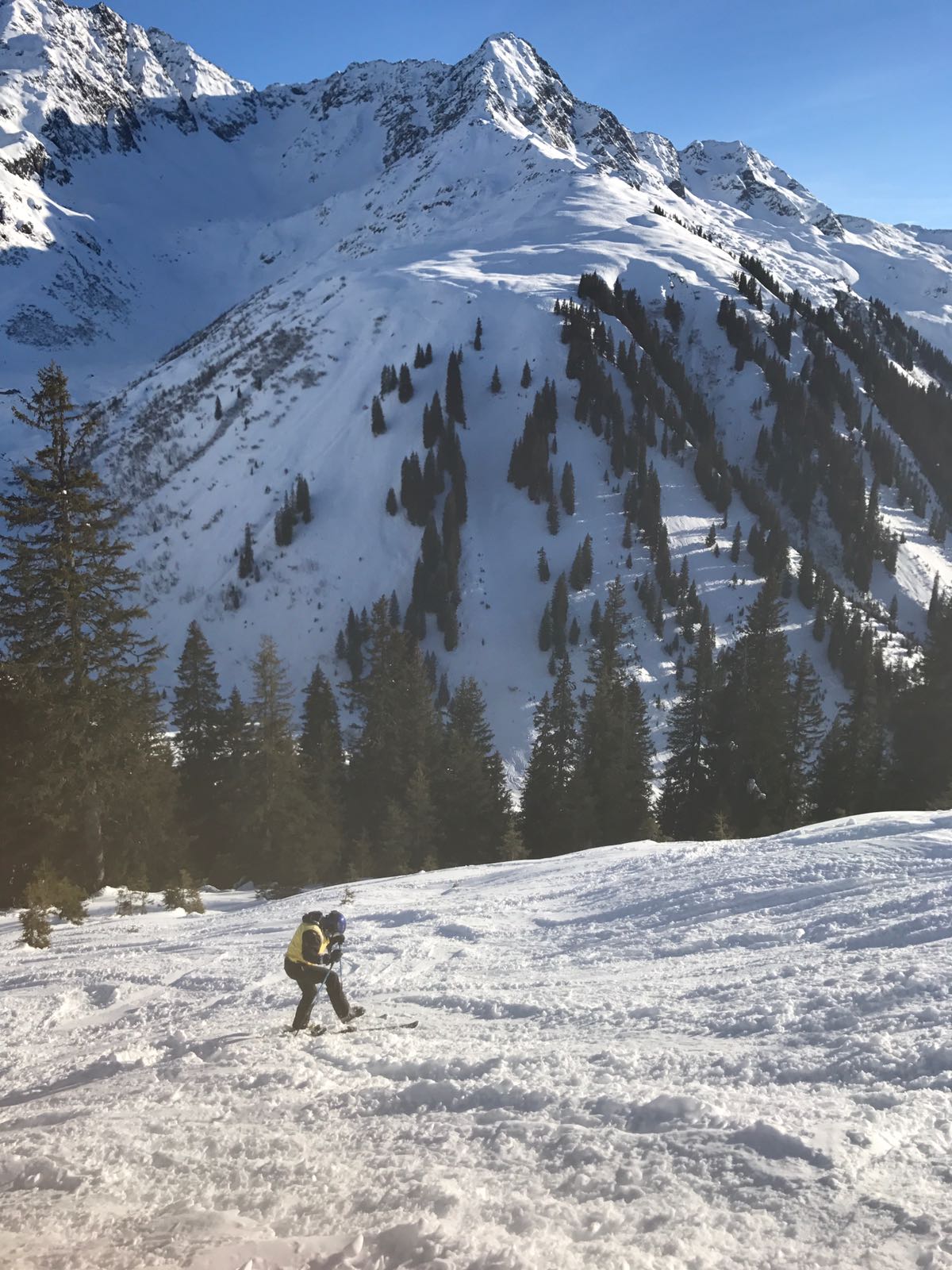
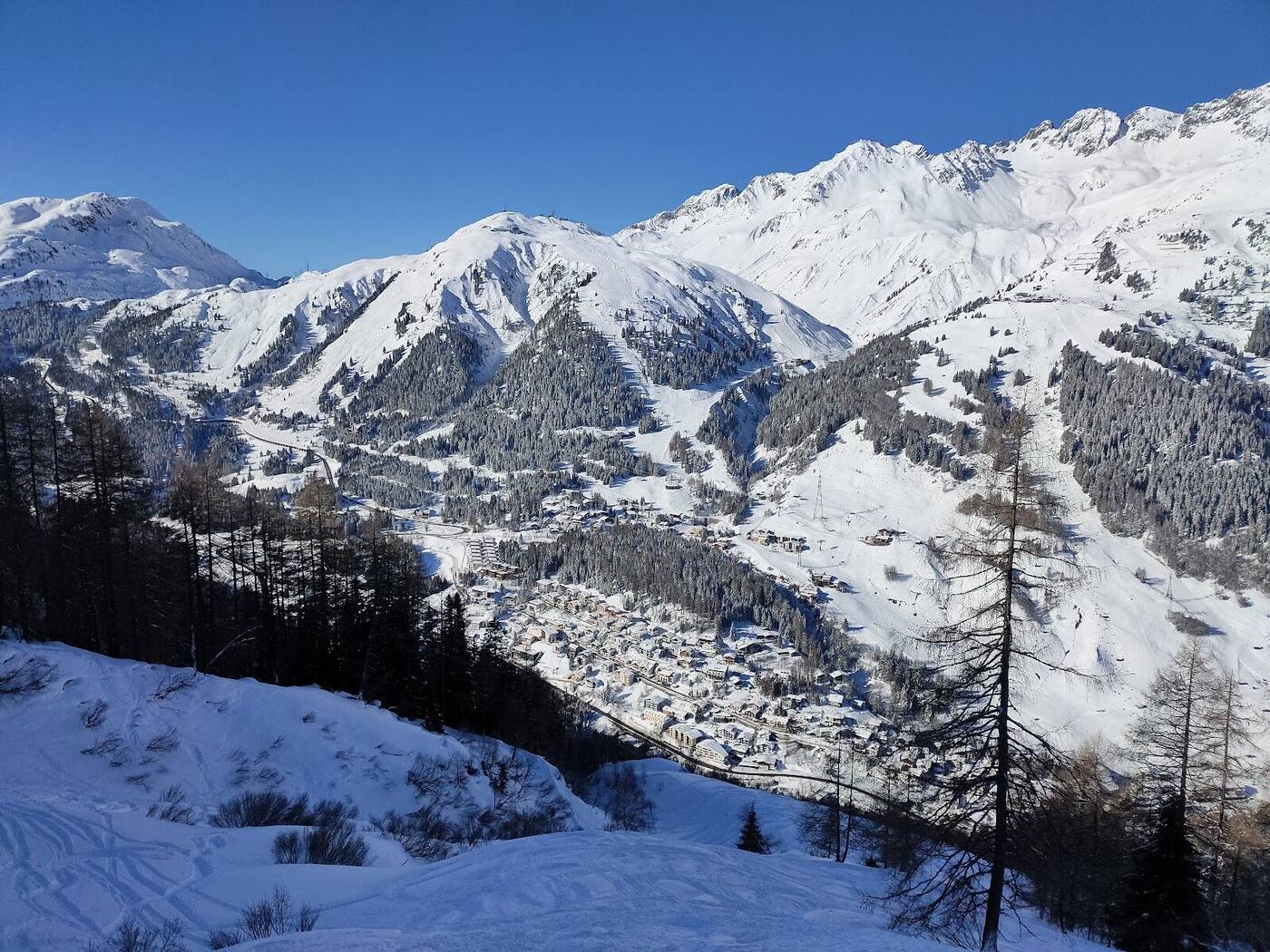
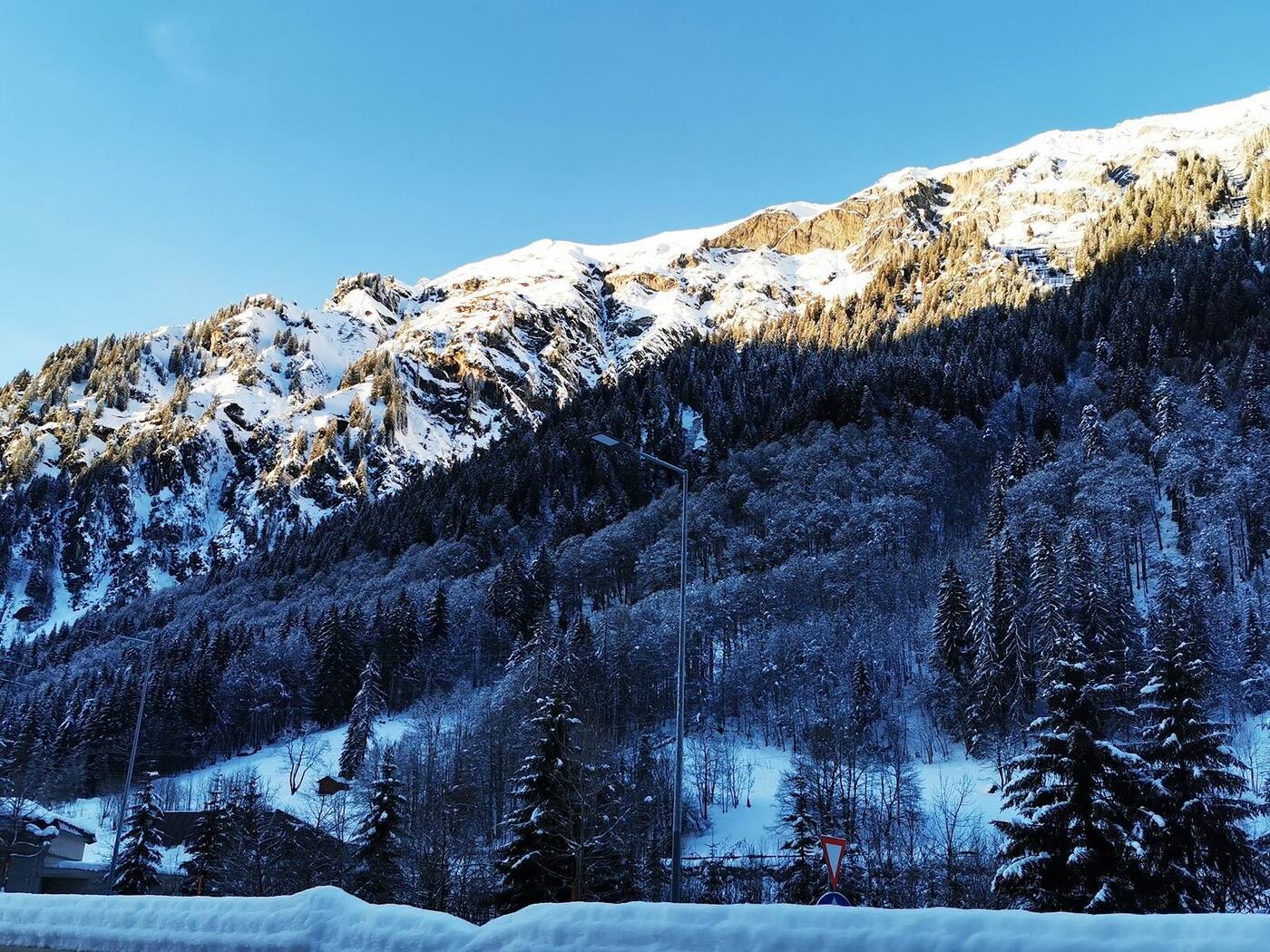
Photos via Google. Contributed by Devrim Kaya, Jose Luis Sanchez MartinezCasa, Markus Schreiber and Jonas Scheidegger.
What St Anton is really like
St Anton is a proper ski town, not a manicured resort, and that is the whole point of it. The pedestrian main street runs through a busy, energetic village where ski shops, bars and hotels sit shoulder to shoulder, and from mid afternoon the famous slopeside huts and the bars in town fill with skiers who have earned a drink on big terrain. It feels lived in and a little wild, with a long Arlberg skiing heritage that locals are rightly proud of.
The honest character to understand before you book is that St Anton is loud and it is serious. The skiing rewards people who can already ski, and the apres ski is genuinely some of the most full on anywhere, which is a feature for a sociable group and a drawback for a family wanting calm. For the full mountain breakdown see our St Anton ski resort review.
Where to stay in St Anton
Accommodation runs from classic Tirolean four star hotels and welcoming family run guesthouses to a growing band of smart chalets and apartments, most of them within walking distance of the main lifts and the pedestrian centre. Staying central is the practical choice here because the village is compact and the nightlife is on your doorstep, though a room a street back from the busiest bars makes for an easier night with children. Nasserein, a short walk or bus from the centre, is the quieter, more family friendly corner of town with its own gondola.
A week in St Anton typically lands in the $2,000 to $4,000 band per person for a comfortable hotel or apartment, rising into the $4,000 to $8,000 band for the best chalets and peak holiday weeks. True ski in ski out is limited in the heart of the village, so if stepping from your door to a lift matters, look at the Nasserein side or a slopeside hotel and confirm the access before you book.
Skiing from the village
St Anton sits at the heart of Ski Arlberg, around 300 km of linked pistes that make it one of the largest connected areas in Austria, shared on one pass with Lech, Zurs, Stuben and Warth. From the village you ride straight up onto wide red runs and the high, open terrain below the Valluga, and the lift network now links the whole circuit so strong skiers can tour from town to town across the day. The bias of the terrain is firmly toward red and black, with long, demanding descents that suit confident intermediates and experts.
This is also one of the great off piste resorts of the Alps, with legendary itineraries and powder fields that draw serious skiers all winter, best tackled with a guide. Beginners are not shut out, there are nursery areas and a few gentle runs, but the resort genuinely favours people who can already link turns down a red. Mixed ability families often pair St Anton with the gentler neighbours of Lech and the high snow pockets of Zurs, both on the same pass.
Apres ski and evenings
St Anton is one of the apres ski capitals of the world, and there is no point pretending otherwise. The slopeside bars on the way down to town are famous for an afternoon that starts in ski boots and builds into a full party, and the village then keeps going late into the night across a dense run of bars and clubs. If a lively, sociable evening is part of what you want from a ski trip, very few places deliver it on this scale.
The flip side is that this is not a discreet or quiet town in the heart of the season. Couples and families who want a calm dinner and an early night can absolutely have one by choosing their hotel and their bars carefully, but you are choosing to sit slightly outside the main event rather than escape it. Stuben and the quieter villages on the circuit are the antidote if peace matters more than the party.
For families and non skiers
St Anton can work for families, but it asks you to plan around its character rather than the other way round. Base yourself in the quieter Nasserein quarter, use the ski school and the gentle Nasserein and Gampen nursery areas for younger or improving children, and you have a workable family week with a serious mountain on the doorstep for the stronger skiers in the group. The town is compact and walkable, which helps with children, even if the central bars are not aimed at them.
Non skiers get a busy, characterful town with good restaurants, shops, a large modern leisure and spa centre, winter walking and tobogganing, plus easy bus and train links for a day out. That said, families wanting a calm, gentle, child first resort will be happier at Lech or one of the softer Tirolean towns, and our guide to the best Austrian resorts for snowboarders and the wider Ski Arlberg region guide help you weigh the trade off.
Getting around
St Anton is compact and largely walkable, with the lifts, the pedestrian street and most hotels within a few minutes of each other, so you rarely need transport once you arrive. A free ski bus links Nasserein, the centre and the outlying parts of the valley, and the village sits on the main rail line, which makes car free trips genuinely easy. A car is useful only if you plan to range across the wider circuit by road or explore beyond the Arlberg, otherwise the train and the lift network cover most needs.
Getting there
Innsbruck airport is around 1 hour 15 minutes away by road and Zurich around 2 hours 15 minutes, with Munich a longer but well served alternative at roughly 2 hours 30 minutes to 3 hours. St Anton also has its own railway station on the main line, so arriving by train from any of these airports is one of the easiest car free journeys in the Alps. Private transfers and shared shuttles run all season. Arrange a transfer or hire car through our transfer partner and put cover in place through our travel insurance partner before you travel. For more arrival options see our guide to ski resorts near Innsbruck.
Lift passes, lessons and ski hire
The Ski Arlberg pass covering St Anton, Lech, Zurs, Stuben and Warth runs around $75 a day and is the one to buy, because the whole point of basing here is the linked circuit rather than a single mountain. Multi day and family rates bring the cost down, and the resort has a deep bench of ski schools and rental shops used to equipping confident skiers and beginners alike. Compare current pass options through our lift pass partner, book lessons through our lessons partner, and sort skis or a board through our ski hire partner.
When to go
St Anton is relatively snow sure for an Austrian resort thanks to its altitude and the high Arlberg terrain, so the core season from January to mid March is the safe, reliable window and the best time for the off piste that makes the resort famous. Christmas and New Year are busy and lively, with the apres ski at full volume and prices to match. March brings longer days and sunny cruising with the party still going, while early April can offer quieter slopes and softer spring snow. Families chasing the calmest week should aim for January outside the holidays.
The honest bottom line
St Anton is the Arlberg's big, energetic, ski first town: around 300 km of demanding linked terrain, world class off piste and apres ski that is genuinely among the loudest anywhere, all from a compact, walkable village that is easy to reach by train. You trade quiet evenings and gentle beginner terrain for serious skiing, social energy and snow you can rely on.
For advanced skiers, sociable groups and confident intermediates who want a real mountain and a real night out, it is one of the best bases in the Alps. Nervous beginners, families wanting calm, and anyone after a discreet luxury hideaway should look to Lech or a softer Tirolean town instead. If you want this trip priced by specialists, tell us your dates and budget below and we will route your brief to operators who know St Anton and the Arlberg well.
Get chalet and lodging quotes
For a faster quote on where to stay in St Anton, send the short form below and operators who know the town and the wider Arlberg will price your dates and group, including whether a central base or the quieter Nasserein side suits you better.
Common questions
Is St Anton good for families?
It can be, with planning. Base yourself in the quieter Nasserein quarter, use the ski school and the gentle nursery areas for younger children, and you have a workable family week with a serious mountain on the doorstep. The catch is the loud apres ski and the demanding terrain, so families wanting calm and gentle slopes are often happier at Lech or a softer Tirolean town.
Is St Anton suitable for beginners?
Beginners are not shut out, with nursery areas at Nasserein and Gampen and a good ski school, but the resort genuinely favours people who can already link turns down a red run. Most of the 300 km circuit is red and black. A timid first timer will progress, but will get more from a gentler resort, while a beginner in a mixed group can manage well with lessons.
Is St Anton ski in ski out?
True ski in ski out is limited in the heart of the village, where the lifts and the centre are a short walk apart. The Nasserein side and some slopeside hotels offer better direct access, so confirm ski access when you book if stepping from your door to a lift matters to your group.
How expensive is St Anton?
A comfortable week typically lands in the $2,000 to $4,000 band per person, rising into the $4,000 to $8,000 band for the best chalets and peak holiday weeks. The full Ski Arlberg day pass is around $75. Christmas, New Year and the February half term weeks are the busiest and priciest.
Does St Anton get reliable snow?
Yes, by Austrian standards. The village sits high at around 1,300 m and the Arlberg terrain rises to around 2,800 m, so the core season from January to mid March is dependable and the off piste is at its best then. Late season into April still offers good high altitude and spring snow.
How do you get to St Anton?
Innsbruck airport is around 1 hour 15 minutes by road and Zurich around 2 hours 15 minutes, with Munich a longer alternative. St Anton has its own station on the main rail line, so arriving by train is one of the easiest car free journeys in the Alps, and private transfers run all season.
Plan your St Anton trip with specialists
Send one brief and vetted operators return tailored proposals covering the right chalet, transfers, passes, lessons and a driver if you want one. No fee to you, ever.