Skiing in August in The Southern Hemisphere
August is the best month to ski the southern hemisphere, delivering the deepest and most reliable snow of the year with every field fully open, and in New Zealand it offers a quieter window between the July and late September school holidays, so it suits powder seekers and serious skiers willing to travel for peak winter.
Reviewed for the 2026 season by the Ski Resorts for Kings editorial team
Why is August the best month to ski the southern hemisphere?
August is peak winter below the equator, the southern equivalent of February up north, and it is the month with the deepest, most settled snow and the most reliable natural snowfall of the year. By August the base laid through June and July has consolidated, every field is fully open, and the upper mountains are at their snowiest. Across New Zealand, and across the wider southern hemisphere from Australia to the Andes, this is when terrain access is at its fullest and powder days are most likely. If you are flying a long way for a southern winter and want the best odds on snow, August is the month to target.
The conditions are genuine winter conditions: cold, with regular fronts rolling in to refresh the snow, and a real chance of the powder mornings that make the trip worthwhile. New Zealand's high, exposed fields catch these systems well, and August typically returns the most snow days of the season. The trade off versus the spring months is colder temperatures, shorter days and more variable, sometimes stormy weather, with the wind holds that come with exposed Southern Alps terrain. That is the price of peak snow, and for most serious skiers it is well worth paying.
August is not a powder guarantee, because no month is, but it stacks the odds in your favor better than any other window in the south. Pair it with high terrain and a flexible day or two and you give yourself the best chance the hemisphere offers.
How busy is the southern hemisphere in August, and when are the school holidays?
August is busier than the spring shoulder but, crucially, it contains a quieter window between New Zealand's two main school holiday peaks. The first big crowd comes with the winter school break in the first two weeks of July, and the second arrives in late September and early October. Between them, August and early September are noticeably calmer, with shorter lift lines and easier terrain access than the July holiday crush, while still carrying the best snow of the season. That combination, peak snow with sub peak crowds, is what makes August such a strong pick.
The practical move is to aim for the weeks of August that fall clear of the July holiday tail and well before the late September break. Weekends at the Queenstown and Wanaka fields are always busier than midweek, since they draw local and Australian visitors, so a midweek August trip is the quietest way to ski the best snow. If your dates are flexible, midweek in August is close to the ideal southern hemisphere ski window.
How much does an August southern hemisphere ski trip cost?
An August southern hemisphere ski trip is a peak season trip, and the pricing reflects it, though it is rarely as steep as a marquee Alpine holiday week. For most international travelers the dominant cost is long haul flights to reach New Zealand, Australia or South America, and once transfers, lodging, lift passes and lessons are added a typical week lands in the $4,000 to $8,000 per person band. A more modest week, basing in Queenstown or Wanaka and skiing the open fields on a sensible budget, can come in around the $2,000 to $4,000 per person band excluding the biggest flight costs.
Because August is peak season, lodging in the popular base towns books up, so reserve early, especially for the calmer weeks between the school holidays. Lift passes and lessons are best secured ahead rather than at the window. The single biggest variable remains how far you are traveling, so for many northern skiers the August southern trip is a bucket list once in a few years expedition rather than an annual habit, and worth planning around the best snow month accordingly.
Who should ski the southern hemisphere in August, and who should wait?
August suits powder seekers and strong skiers who want the deepest, most reliable southern snow, northern hemisphere skiers chasing a second winter in their off season, and anyone who can travel midweek to pair peak snow with manageable crowds. If your priority is the best conditions the southern hemisphere offers and you are prepared for cold, shorter days and the odd storm, August is the clear choice over any other month.
You should wait for September or October if you prefer spring skiing, with warmer sun, soft corn and even lighter crowds, accepting a thinning base and fewer powder days in exchange. Families with young children and nervous beginners may also find the warmer, softer spring snow and longer days kinder than August's cold and variable weather. And anyone whose dates are locked to the July school holidays should expect the biggest crowds of the season, so if you can shift even a couple of weeks later into August, the experience improves markedly.
August in The Southern Hemisphere: the case for and against
| Why August works | What to weigh |
|---|---|
|
|
Where to ski in the Southern Hemisphere in August
For August we would point you first at these, each with our full review:
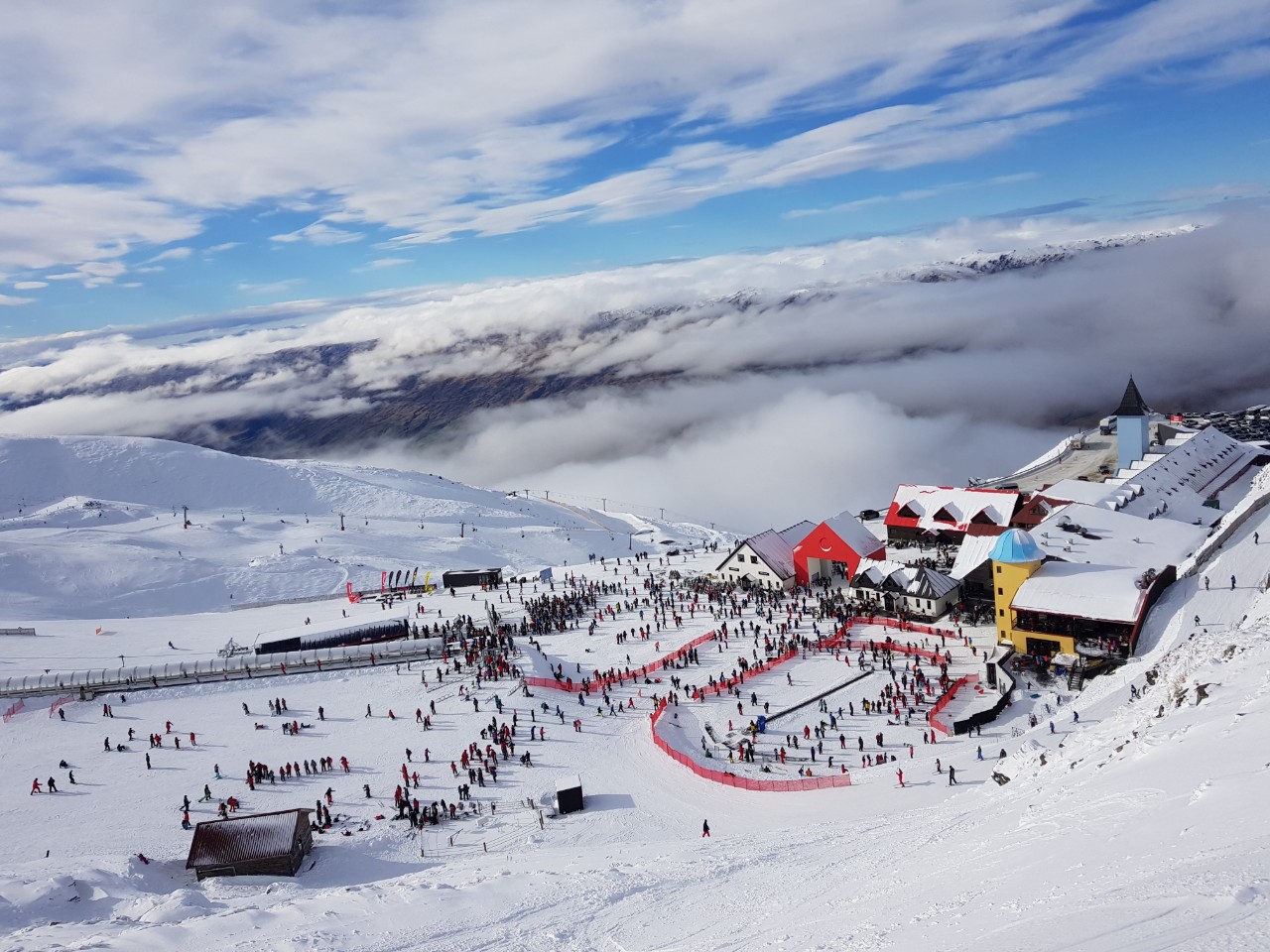
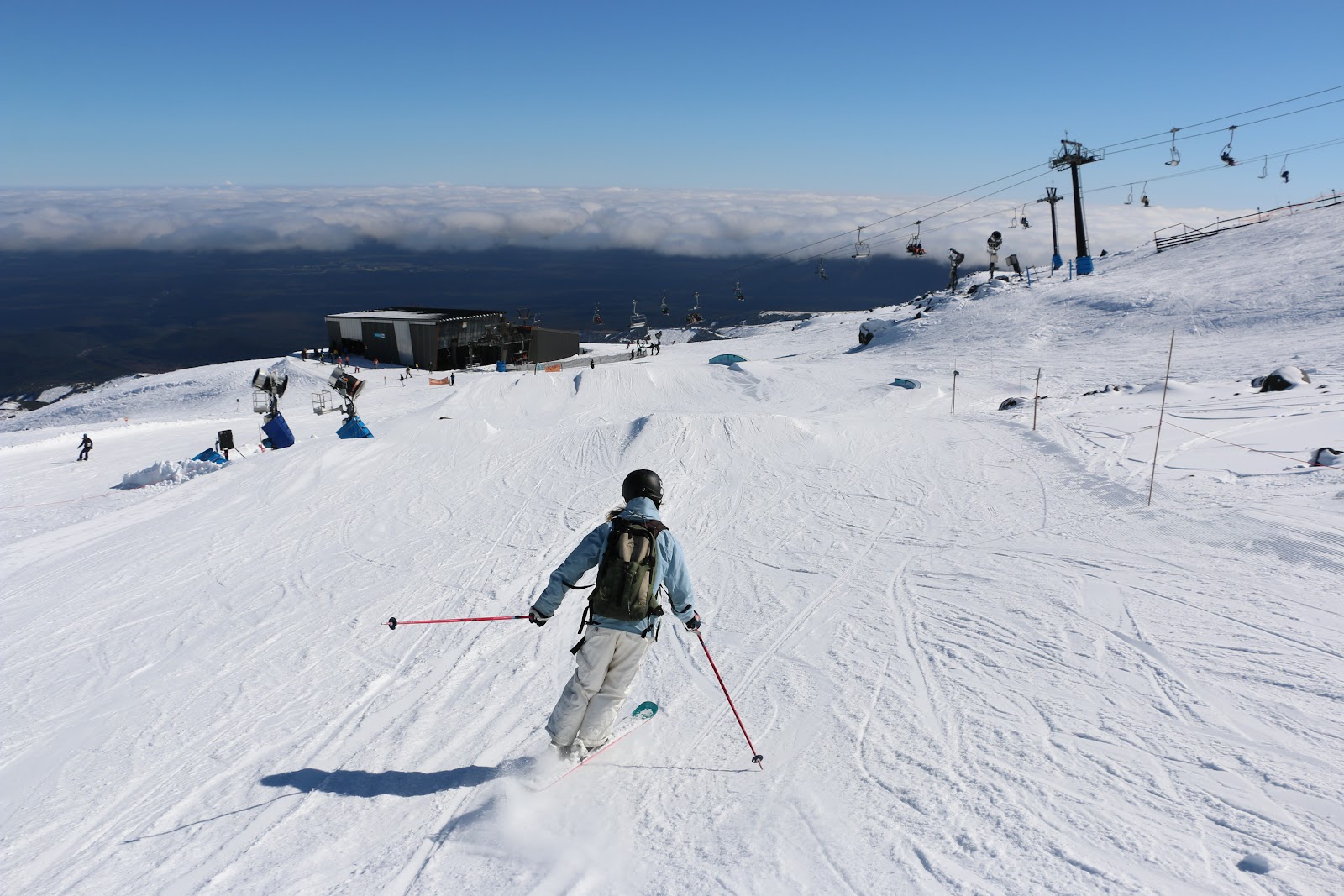
- Treble Cone. Big, steep Wanaka terrain that catches August storms well and offers the best powder odds of the picks.
- Cardrona. Reliable high terrain above Wanaka with full August cover, strong for all levels in peak winter.
- The Remarkables. A snowy, sheltered Queenstown field that skis at its fullest in the August core of the season.
- Mt Hutt. High and storm exposed inland from Christchurch, it is among the most reliable fields for deep August snow.
Sources we checked
Common questions
Is August a good time to ski in the southern hemisphere?
August is the best time to ski the southern hemisphere. It is peak winter below the equator, with the deepest, most settled snow of the year, every field fully open, and the most reliable natural snowfall. In New Zealand it also falls between the July and late September school holidays, so crowds are lighter than the July peak.
Where is the snow best in the southern hemisphere in August?
In August the snow is best across New Zealand's high South Island fields, such as Treble Cone, Cardrona, The Remarkables and Mt Hutt, which catch winter storms and hold their deepest base. Australia and the South American Andes also ski strongly in August, but New Zealand offers the most accessible peak winter for many travelers.
How much does it cost to ski the southern hemisphere in August?
An August southern hemisphere ski trip is a peak season trip, typically landing in the $4,000 to $8,000 per person band once long haul flights, transfers, lodging, lift passes and lessons are counted. A more budget conscious week based in Queenstown or Wanaka can fall in the $2,000 to $4,000 per person band excluding the biggest flight costs.
Is August or September better for skiing New Zealand?
August is better for snow and September is better for sun and quiet. August delivers the deepest, most reliable base and the best powder odds but with colder, shorter, more variable days. September brings warmer spring skiing, softer corn and even lighter crowds, at the cost of a thinning base and fewer powder days. Choose August for conditions, September for comfort.
Book the extras and save
Lift passes, airport transfers and lessons are where a trip quietly leaks money. Booking ahead almost always beats the resort window price.
Compare lift passesBook a transferFind lessonsReserve ski hireTravel insuranceTell us the dates. We price the trip.
Send one brief and vetted chalet companies and tour operators return tailored proposals. Flights, transfers, lift passes and lessons priced for your group. No fee to you, ever.