Skiing in February in Italy
February is the most snow sure month to ski Italy, delivering the deepest and most reliable cover of the season across the Dolomites, the Aosta valley and the high Milky Way, but it is also the busiest and dearest month, so the real skill is dodging the Settimana Bianca and Carnevale weeks rather than choosing a resort.
Reviewed for the 2026 season by the Ski Resorts for Kings editorial team
What is the snow actually like in Italy in February?
February is the most dependable snow month of the Italian winter. By the first week the early season storms have built a deep, settled base, and the high resorts of the Aosta valley and the Milky Way are at their best, while the Dolomites combine whatever has fallen with the most extensive snowmaking network in the Alps. Cover above roughly 1,800 meters is rarely in question, and even mid mountain runs hold firm through the month because February stays genuinely cold.
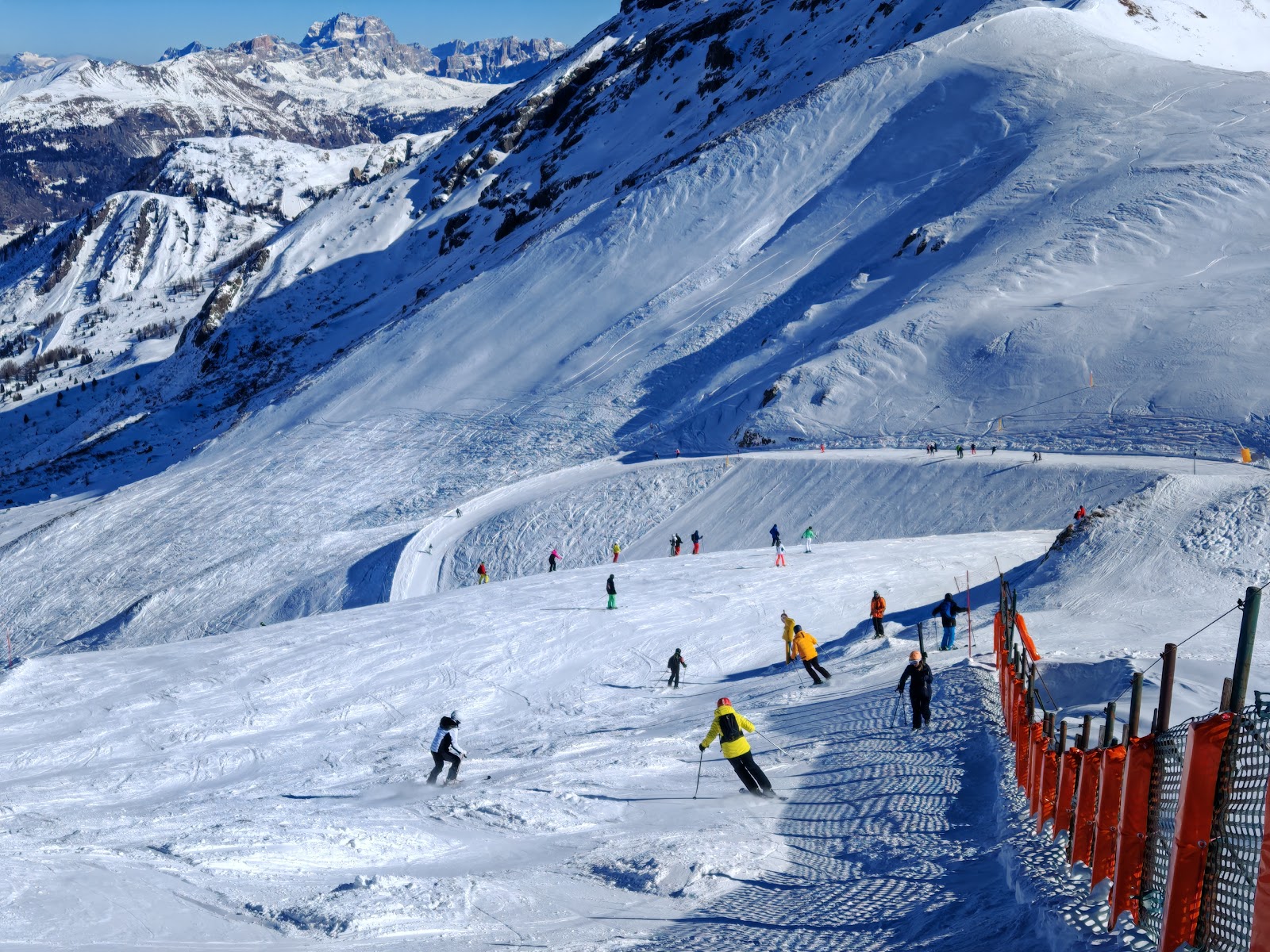
The trade off is that Italian sun is strong by late February, so aspect matters more here than further north. North facing pistes keep their best snow into the afternoon, while south facing runs can soften to slush by early afternoon on a clear day and then refreeze hard overnight. In the Dolomites the famous grooming means you get fast, well groomed corduroy first thing even after a dry spell, which is part of why the area skis so reliably regardless of recent snowfall.
One honest caveat: a high pressure spell can park over Italy for a week, leaving bluebird skies, hard pistes and thin fresh snow. When that happens the higher, glacier linked options such as Cervinia are the safe bet, and the Dolomites still ski well on machine made cover. Check the resort snow report before you commit your dates.
How busy is Italy in February, and which weeks should you avoid?
February is the busiest month of the Italian ski season, driven by the Settimana Bianca, the national white week school holiday, and by Carnevale, which falls in late January to mid February. During these weeks the marquee resorts fill with Italian families, lift queues build at the headline lifts, and accommodation in Cortina d'Ampezzo, Madonna di Campiglio and Val Gardena Selva books out months ahead at top prices.
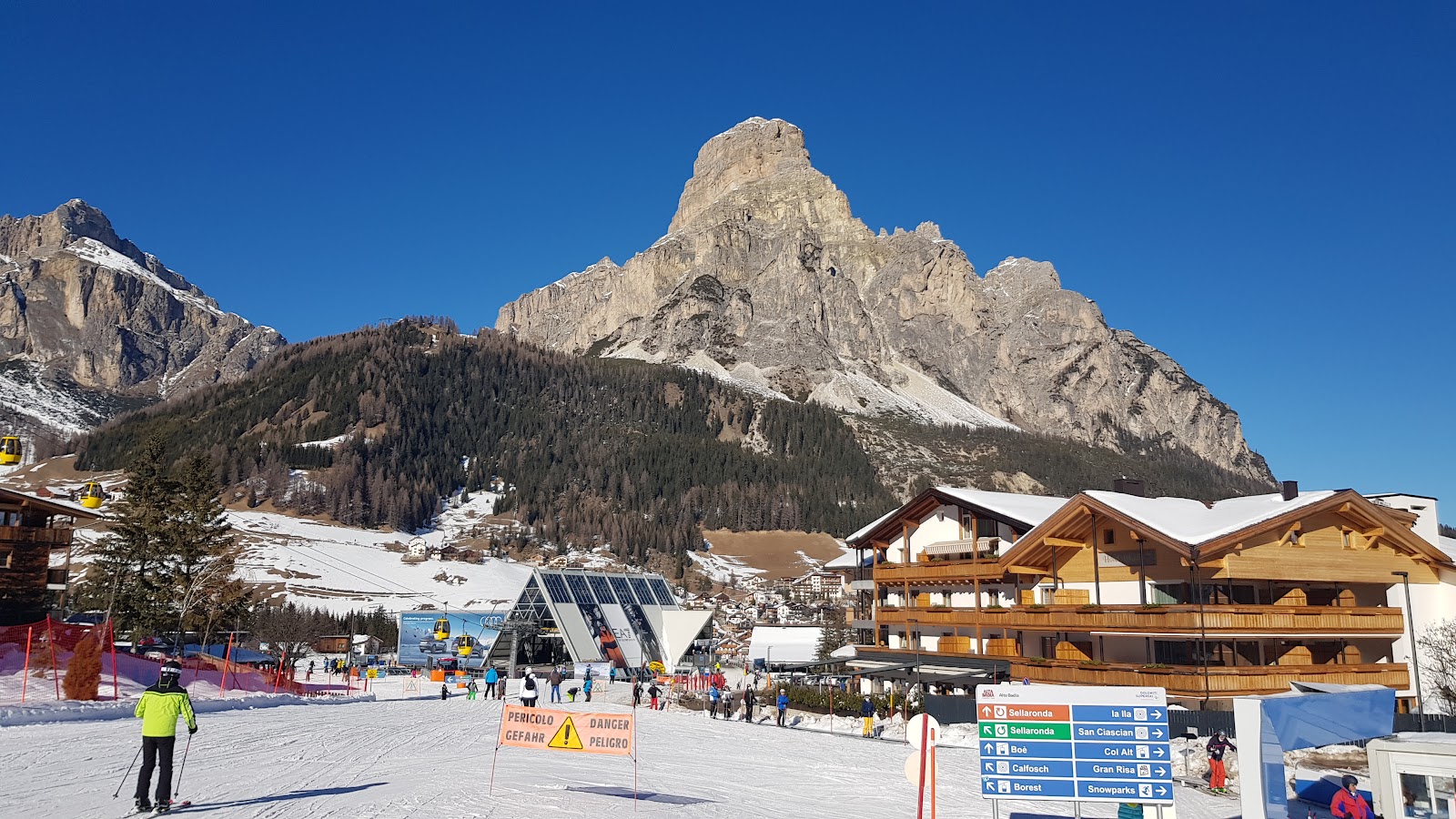
The crowds are concentrated, not constant. If your dates are flexible, aim for the weeks either side of the Italian half term peak, and you get the same deep snow with a fraction of the queues. Quieter, more spread out areas such as San Cassiano and the wider Alta Badia sector absorb crowds far better than the honeypot villages, so resort choice still helps even in a busy week. Couples and groups without school age children should treat the calendar, not the resort, as the main lever.
How much does a February ski trip to Italy cost?
February pricing tracks the holiday calendar more than the resort. During the Settimana Bianca and Carnevale weeks a week at a marquee Dolomites or Aosta resort easily reaches the $4,000 to $8,000 per person band once flights, transfers, a hotel or catered chalet, lift passes and lessons are counted. In the quieter February weeks the same trip eases into the $2,000 to $4,000 per person band, and a value focused week at a smaller station can sit under $2,000 per person.
Italy still tends to undercut the marquee French and Swiss resorts on food and lift passes, which is a real part of its appeal. A six day adult Dolomiti Superski pass is a meaningful line item but generally cheaper than an equivalent pass in the Three Valleys, and mountain restaurant prices are noticeably gentler. Book lift passes, transfers and lessons ahead rather than at the resort window, where February demand pushes prices up.
Who should ski Italy in February, and who should wait?
February suits anyone whose first priority is snow certainty and who can either travel outside the Italian half term or accept paying for it. It rewards strong intermediates and experts who want the high, snow sure terrain of Cervinia or the long linked circuits of the Dolomites at their fullest, and it suits foodies who come as much for the mountain huts as the pistes.
It suits the budget led and the crowd averse less well, at least during the peak weeks. If your trip is built around quiet slopes or the lowest possible price, late March delivers softer snow, longer days and lower prices, at the cost of less certainty down low. Families tied to a specific national half term that overlaps the Italian one should book very early or look at the quieter Alta Badia villages rather than the honeypots.
February in Italy: the case for and against
| Why February works | What to weigh |
|---|---|
|
|
Where to ski in Italy in February
For February we would point you first at these, each with our full review:
- Cervinia. High, glacier linked and snow sure, it is the safest bet in any February high pressure spell and links to Zermatt for strong skiers.
- Cortina d'Ampezzo. The grand Dolomites name, with superb grooming and scenery, best booked for the weeks either side of the Italian half term.
- Val Gardena Selva. The hub of the Sellaronda circuit, ideal for intermediates who want to ski a different valley every day.
- Livigno. High, snow sure and duty free, it holds cold snow well and stays better value than the marquee names even in February.
Sources we checked
Common questions
Is February a good time to ski in Italy?
Yes. February is the most snow sure month of the Italian winter, with the deepest base of the season across the high resorts and the best snowmaking in the Dolomites. The catch is crowds and price during the Settimana Bianca and Carnevale weeks, so flexible travelers should target the quieter weeks either side.
When in February is busiest in Italy?
The Settimana Bianca, Italy's national white week school holiday, and Carnevale in late January to mid February are the busiest and most expensive weeks of the season. Marquee resorts such as Cortina d'Ampezzo and Madonna di Campiglio book out months ahead, so aim for the weeks either side if you can.
How much does a week skiing Italy in February cost?
Expect the $4,000 to $8,000 per person band at a marquee resort during the half term peak, easing to $2,000 to $4,000 per person in the quieter February weeks, with value resorts under $2,000 per person. Booking lift passes, transfers and lessons ahead saves the most.
Where is the snow most reliable in Italy in February?
The high resorts of the Aosta valley, led by Cervinia at over 3,000 meters, are the most snow sure, while the Dolomites stay reliable thanks to the most extensive snowmaking network in the Alps. In a high pressure spell, altitude and snowmaking matter more than recent snowfall.
Book the extras and save
Lift passes, airport transfers and lessons are where a trip quietly leaks money. Booking ahead almost always beats the resort window price.
Compare lift passesBook a transferFind lessonsReserve ski hireTravel insuranceTell us the dates. We price the trip.
Send one brief and vetted chalet companies and tour operators return tailored proposals. Flights, transfers, lift passes and lessons priced for your group. No fee to you, ever.