Skiing in February in Scandinavia
February is the most dependable month to ski Scandinavia, delivering cold, reliable snow across Norway, Sweden and Finland with lengthening daylight and widespread floodlit night skiing, at the cost of genuine deep cold and still short days, especially in the far north.
Reviewed for the 2026 season by the Ski Resorts for Kings editorial team
What is the snow actually like in Scandinavia in February?
February is the heart of the Scandinavian winter and its most reliable month for snow. By now a deep cold base has settled across the resorts of Norway, Sweden and Finland, and the persistent low temperatures keep that snow dry, light and well preserved rather than letting it thaw and refreeze the way milder ranges do. Upper mountain temperatures across the major resorts typically sit between roughly minus 5C and minus 15C, and inland and northern areas can be colder still, which is exactly why the snow quality holds so well through the month. Coverage is rarely in question in February, and the groomers turn out consistently excellent pistes day after day.
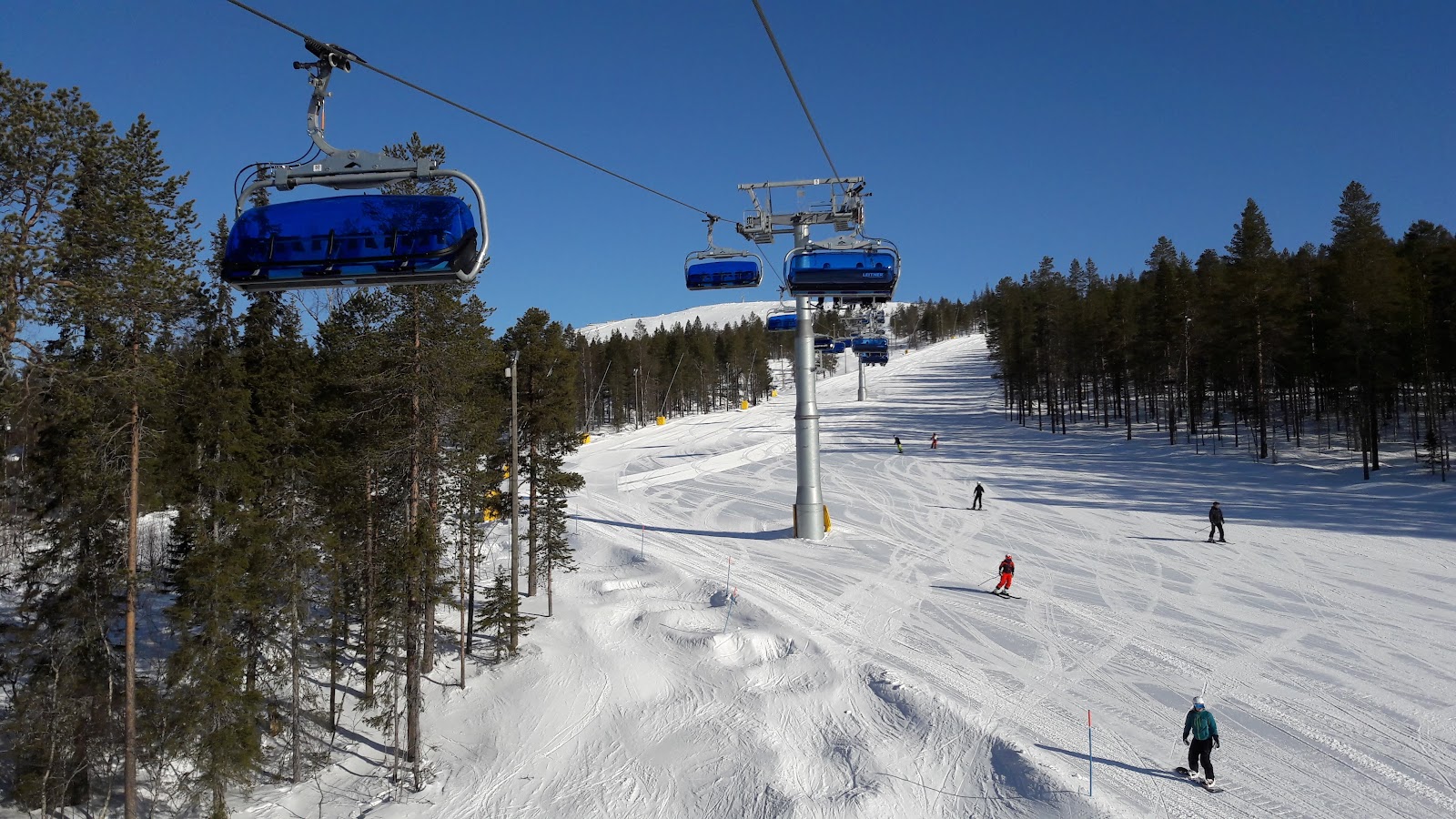
What Scandinavia does not promise is Alpine steepness or huge vertical. These are rounded, often tree lined mountains with modest drops, built for cruising pistes, family terrain and reliable grooming rather than big mountain descents. The snow is the draw, not the gradient. The cold also has a specific texture here: because it stays so consistently below freezing, the snow stays cold and squeaky underfoot all day, holding fresh tracks long after a fall and avoiding the heavy afternoon slush of warmer ranges. For skiers who value snow quality and quiet, well groomed pistes over dramatic terrain, February in Scandinavia is hard to beat.
How short are the days, and what about the cold and the light?
February is a big improvement on the dark midwinter, but daylight is still the defining limit of Scandinavian skiing. In the southern resorts of Norway and Sweden you get roughly seven to nine hours of usable daylight by February, lengthening noticeably through the month, while the far northern resorts in Swedish and Finnish Lapland have shorter days and a lower sun. The upside is that the light is returning fast, the days feel genuinely brighter than January, and the low winter sun gives beautiful long shadows and pink afternoon skies. Plan to make the most of the daylight hours by being on the first lifts, because the skiable window is shorter than you are used to in the Alps.
The cold is the other thing to plan around, and it is real. With upper slopes often well below minus 10C and northern resorts colder, proper layering, face cover, goggles and warm gloves are not optional, and you should build in regular stops in the warm. The great Scandinavian answer to short days and cold is floodlit night skiing, which is widespread across the region: many resorts light up pistes into the evening, so you can extend a short daylight day with a few floodlit runs after dark, often the most atmospheric skiing of the trip. Far north, February also brings a real chance of the northern lights on clear nights, a genuine bonus you will not get in the Alps.
How busy and how expensive is February skiing in Scandinavia?
February is peak Scandinavian season, driven by the Nordic winter sports holidays, so it is the busiest and dearest month of the local winter. Norway, Sweden and Finland all run school sports holiday weeks through late February, and during those weeks the popular resorts fill with domestic families and prices rise accordingly. Outside those specific holiday weeks, February is busy but manageable, and the resorts rarely feel as pressured as a marquee Alpine area at half term. If you can target the gaps between the Nordic holiday weeks, you get the same superb snow with thinner crowds.
On cost, a February week in Scandinavia generally lands in the $2,000 to $4,000 per person band once flights, accommodation, lift passes, food and equipment are counted, rising toward the upper part of that range in a ski in ski out resort during a holiday week. Scandinavia is not a budget ski destination the way the Pyrenees can be, and on mountain food and drink in particular is expensive, but lift passes are often more reasonable than the big Alpine areas and the overall experience leans toward quality and reliability rather than bargain pricing. Self catering apartments are the standard way to keep a Scandinavian trip in check, since eating every meal out adds up quickly here.
Who should ski Scandinavia in February, and who should skip it?
February in Scandinavia suits families, intermediates and snow quality purists who want dependable cold snow, immaculate grooming, safe and well organized resorts and the novelty of floodlit and possibly northern lights skiing. The region is famously family friendly, with excellent ski schools, gentle terrain and a calm, safe feel that appeals to parents of young children. It also suits anyone chasing reliable conditions who has been burned by marginal snow in milder ranges, since February here is about as close to a snow guarantee as European skiing offers.
It suits thrill seeking experts and big mountain skiers far less. The modest vertical and largely gentle, tree lined terrain will leave a strong off piste skier wanting more after a few days, and there is little of the lift served steep that defines the marquee Alpine resorts. Anyone who feels the cold badly should also think twice, because February in Scandinavia is genuinely cold and the short days compress the skiing into a tighter window than they may expect. Those skiers are better served by a sunnier, higher Alpine resort or by waiting for the longer, milder days of late March, when Scandinavia itself softens and the light is excellent.
February in Scandinavia: the case for and against
| Why February works | What to weigh |
|---|---|
|
|
Where to ski in Scandinavia in February
For February we would point you first at these, each with our full review:
- Are. Sweden's largest and best known resort, with the widest terrain, liveliest village and most reliable February grooming in the country.
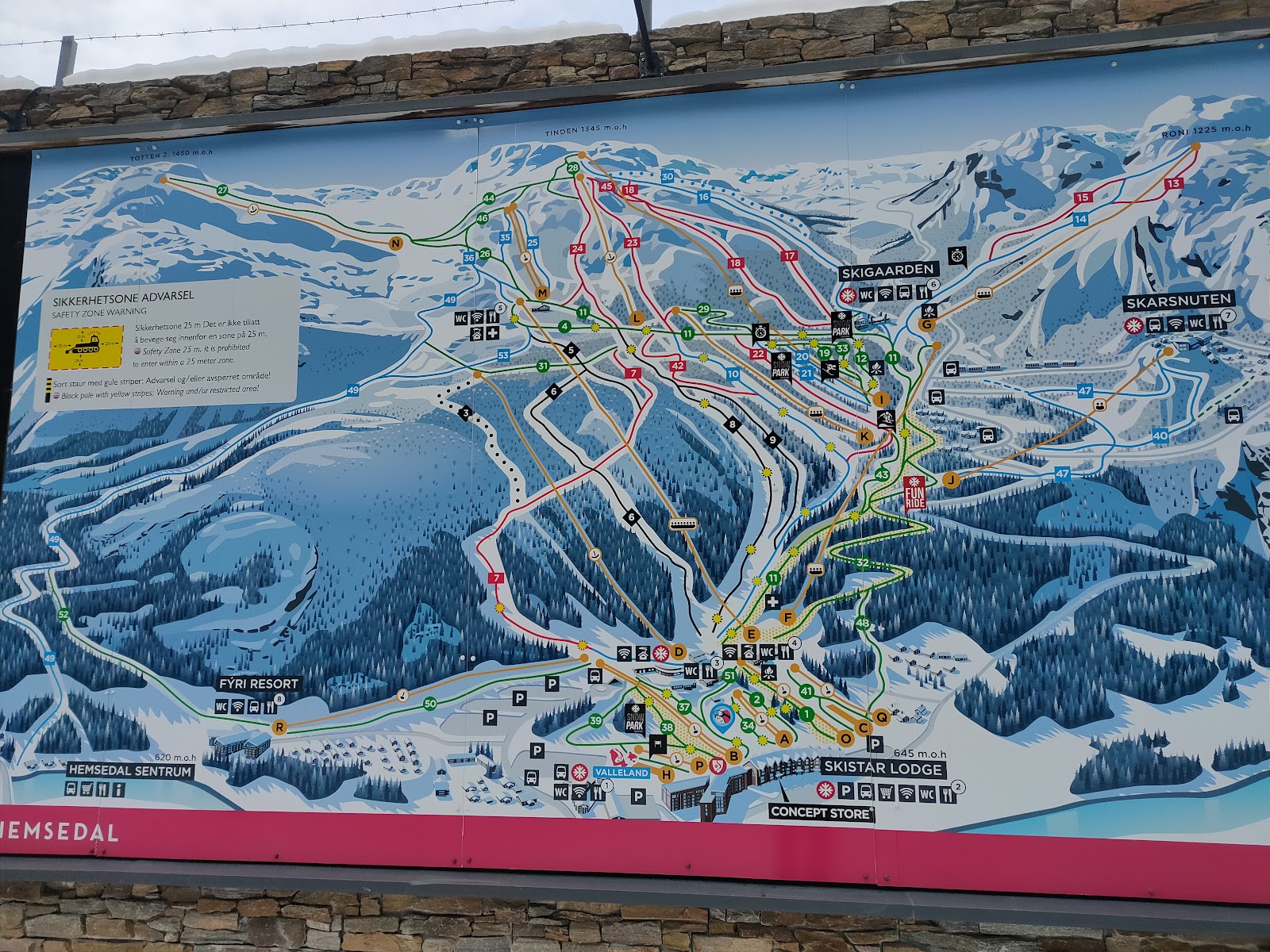
- Hemsedal. One of Norway's most varied resorts, holding cold upper mountain snow well and offering more pitch than most Scandinavian areas.
- Trysil. Norway's biggest ski area and a family favorite, with gentle, beautifully groomed pistes and extensive floodlit night skiing.
- Levi. The leading Finnish Lapland resort, north of the Arctic Circle, pairing reliable February snow with a real chance of the northern lights.
Sources we checked
Common questions
Is February a good time to ski in Scandinavia?
Yes. February is the most dependable month to ski Scandinavia, with cold, reliable snow across Norway, Sweden and Finland and immaculate grooming. The trade offs are genuine deep cold and still short, though lengthening, daylight, plus peak season prices during the Nordic school holiday weeks.
How cold and how short are the days skiing Scandinavia in February?
Upper slopes often sit well below minus 10C, and far northern resorts are colder still, so proper layers and face cover are essential. Daylight runs roughly seven to nine hours in the southern resorts and less in the far north, so being on the first lifts matters, and widespread floodlit night skiing extends the day.
How much does February skiing in Scandinavia cost?
A February week generally lands in the $2,000 to $4,000 per person band once flights, accommodation, lift passes, food and equipment are counted, rising toward the top of that range in a ski in ski out resort during a holiday week. On mountain food and drink is expensive, so self catering apartments are the usual way to keep costs in check.
Can you see the northern lights while skiing in February?
Yes, in the far north. Resorts in Swedish and Finnish Lapland, such as Levi, sit north of the Arctic Circle and offer a real chance of the northern lights on clear February nights. The southern Norwegian and Swedish resorts are too far south for a reliable display.
Book the extras and save
Lift passes, airport transfers and lessons are where a trip quietly leaks money. Booking ahead almost always beats the resort window price.
Compare lift passesBook a transferFind lessonsReserve ski hireTravel insuranceTell us the dates. We price the trip.
Send one brief and vetted chalet companies and tour operators return tailored proposals. Flights, transfers, lift passes and lessons priced for your group. No fee to you, ever.