Skiing in January in Canada
January is deep midwinter in Canada and one of the best months to ski it, delivering the cold, dry powder the country is famous for on a settled base across the Rockies and British Columbia, at the price of genuine cold and short daylight.
Reviewed for the 2026 season by the Ski Resorts for Kings editorial team
What is the snow like in Canada in January?
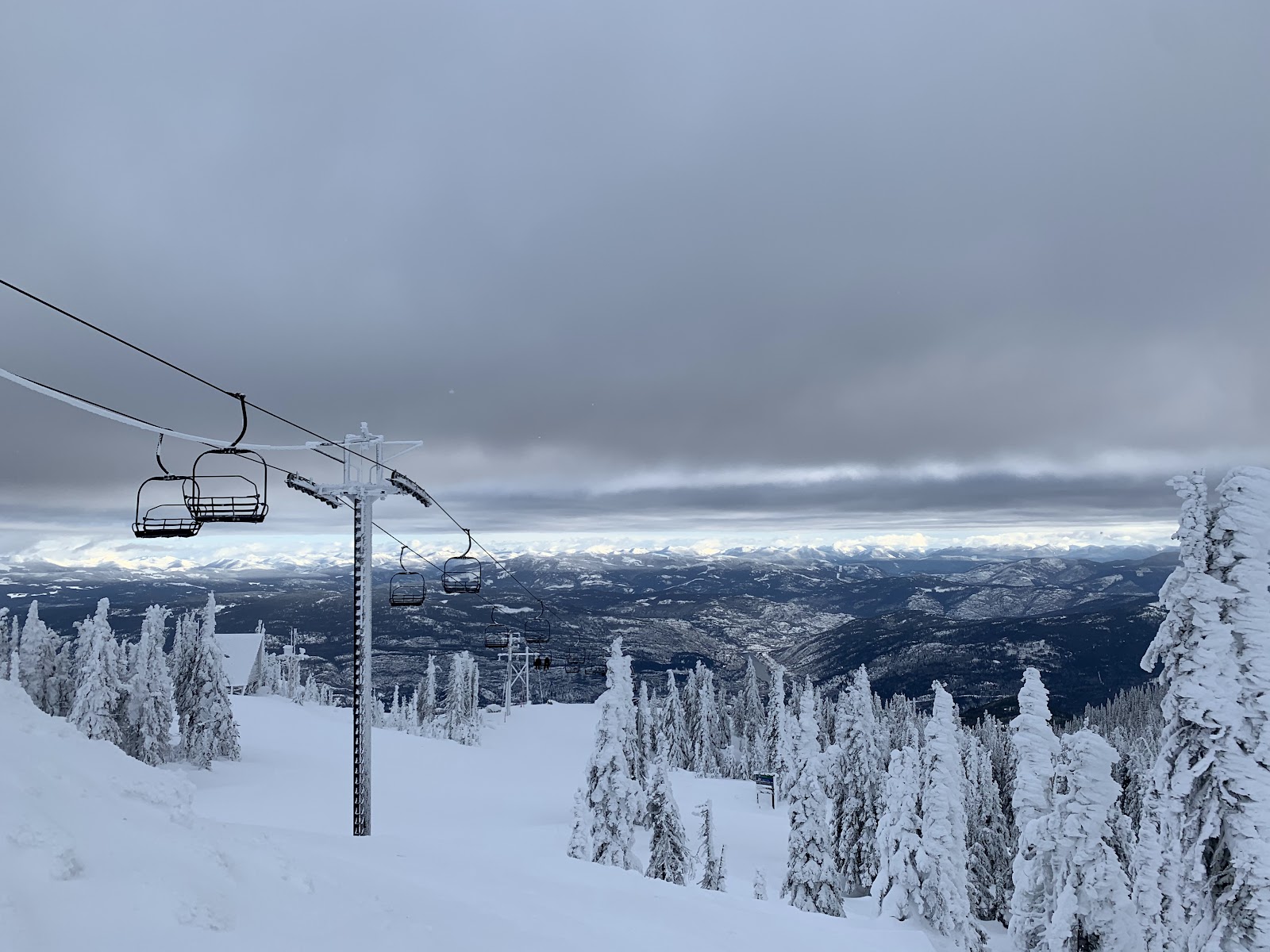
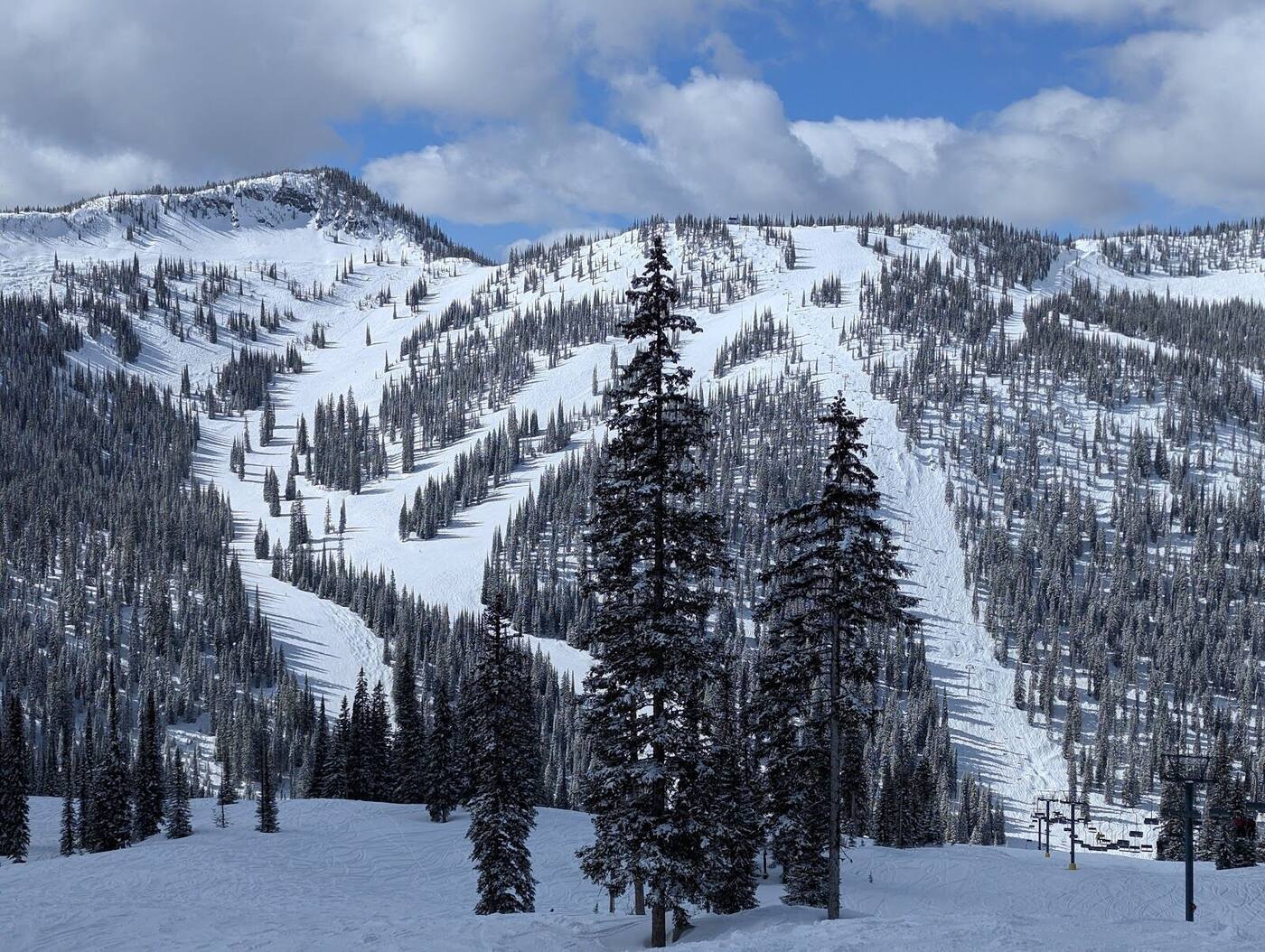
January is the heart of the Canadian ski season and the month most associated with the light, dry powder that draws skiers from around the world. By January the early winter storms have laid a deep, settled base across the Alberta Rockies and the interior and coastal ranges of British Columbia, and fresh systems keep topping it up. The 2025 to 2026 season opened on the back of a record snowy December across the Rockies, with several areas pushing season totals toward 200 inches before the new year, which is the kind of base that makes January cover a near certainty.
The defining feature is how cold and dry the snow is. The Rockies in particular sit at a continental, high altitude latitude that keeps temperatures low and the snow feather light, so powder stays good for days after it falls rather than going heavy. British Columbia interior resorts share that dry snow reputation, while the coastal mountains around Whistler take bigger, occasionally wetter storms but also far larger volumes. A January warm spell can bring rain to lower elevations on the coast, so staying high matters most there.
The honest caveat is the cold itself. January in the Canadian Rockies can deliver hard, deep freezes, with valley and summit temperatures dropping well below what most Alpine skiers are used to. That cold is exactly what protects the powder, but it shapes how you ski the day, and a clear, calm cold morning can still be magic.
How cold does Canada get in January, and how do you handle it?
Cold is the headline trade off for January powder in Canada. The interior Rockies regularly see deep freezes, with stretches where summit temperatures sit far below freezing and wind chill makes exposed chairlifts genuinely punishing. The coastal mountains of British Columbia are milder and wetter by comparison, but the dry inland resorts are where the cold bites hardest. This is not weather to underdress for.
Handling it is straightforward but non negotiable: proper layers, a face cover or balaclava for the lifts, goggles rather than sunglasses, and warm gloves with the option of a long indoor lunch when a cold snap parks over the range. Many Canadian resorts are well set up for it, with heated lift bubbles, warming huts and tree skiing that shelters you from the wind. Tree runs are also where the best protected powder sits on a cold, clear day, so the cold and the best snow often point you to the same place.
How busy is January, and is it worth avoiding the holidays?
January splits into two experiences in Canada just as it does in the Alps. The first week, carrying the tail of the Christmas and New Year holidays, is among the busiest and dearest of the season, with families filling the marquee resorts and queues at the headline lifts. Once the holidays end, usually in the second week, the mountains quiet down sharply, and mid to late January becomes one of the best high snow, low crowd windows of the whole winter.
If your dates are flexible, target the middle and back half of the month. You get the same deep, cold powder as the New Year peak without the holiday surcharge or the lift lines, and the big areas feel calmer. Canadian resorts are vast and the terrain spreads crowds out well even at busy times, but the contrast between the New Year week and quiet mid January is still well worth planning around, especially for groups without school age children.
How much does a January ski trip to Canada cost?
January pricing in Canada is a tale of two halves like the crowds. The New Year week sits at the top of the season, easily $4,000 to $8,000 per person for a week at a marquee resort once long haul flights, transfers, lodging, lift passes and lessons are counted. From mid January the same trip eases into the $2,000 to $4,000 per person band at most resorts, and a value focused week at a smaller interior area can land under $2,000 per person before flights.
For international visitors the flight is the line item that sets the band, and the favorable exchange on a Canadian trip often makes on the ground costs feel reasonable once you arrive. The biggest lever within your control is timing: moving off the New Year peak to mid January typically saves more than switching resorts would. Booking lift passes, transfers and lessons ahead rather than at the resort window is the second lever, as those extras are where a trip quietly leaks money.
Who should ski Canada in January, and who should wait?
January suits powder hunters above all, and anyone whose first priority is snow certainty on a deep, cold, dry base. It rewards confident intermediates and experts who want to ski trees and bowls in light snow, and travelers who can come outside the holidays and want big quiet mountains. If cold, dry powder is the dream, this is the month and Canada is the place.
It suits beginners, small children and anyone who feels the cold less well. The deep freezes, short daylight and occasional flat light make long learning days hard for first timers, who often do better in the softer, sunnier, longer days of March and April. If your group is built around ski school for young children, or you simply dislike serious cold, lean toward late February through March, accepting slightly less reliable powder for kinder conditions. And if you want the lowest prices, the late season shoulder brings them, at the cost of spring snow rather than midwinter fluff.
January in Canada: the case for and against
| Why January works | What to weigh |
|---|---|
|
|
Where to ski in Canada in January
For January we would point you first at these, each with our full review:
- Whistler Blackcomb. The largest resort in North America, with enormous terrain and big coastal snowfalls, best skied high in January when lower elevations can see rain.
- Lake Louise. A scenic Alberta Rockies giant with reliable cold, dry January powder and the kind of deep base the 2025 to 2026 record December delivered.
- Banff Sunshine. High, snowy and one of the first Canadian areas to open each year, holding excellent dry midwinter snow across a long season.
- Revelstoke. Huge vertical and steep British Columbia interior terrain with deep, dry January snow, a powder hunter's pick for confident skiers.
Sources we checked
Common questions
Is January a good time to ski in Canada?
Yes. January is deep midwinter and one of the best months to ski Canada, with reliable cold, dry powder on a settled base across the Rockies and British Columbia. The main trade offs are genuine cold and, in the New Year week, peak prices and crowds.
How cold does it get skiing in Canada in January?
Very cold, especially in the interior Rockies, where summit temperatures can sit far below freezing and wind chill makes exposed lifts punishing. That cold is what keeps the powder light and dry, so proper layers, a face cover and goggles are essential, and tree runs offer shelter and the best protected snow.
When in January is best to avoid the crowds?
Aim for mid to late January, after the Christmas and New Year holidays end. You get the same deep, cold powder as the New Year peak with far fewer people and noticeably lower prices, and the vast Canadian resorts feel calm midweek.
How much does a week skiing Canada in January cost?
Expect $4,000 to $8,000 per person at a marquee resort in the New Year peak, easing to $2,000 to $4,000 per person from mid January once long haul flights, lodging and passes are counted. A value focused week at a smaller interior area can land under $2,000 per person before flights.
Book the extras and save
Lift passes, airport transfers and lessons are where a trip quietly leaks money. Booking ahead almost always beats the resort window price.
Compare lift passesBook a transferFind lessonsReserve ski hireTravel insuranceTell us the dates. We price the trip.
Send one brief and vetted chalet companies and tour operators return tailored proposals. Flights, transfers, lift passes and lessons priced for your group. No fee to you, ever.