Skiing in January in Europe
January is the most snow sure month across European skiing, delivering the deepest and most reliable cover of the winter with full lift networks open, at peak prices in the New Year week and a notably quieter, cheaper sweet spot from mid month.
Reviewed for the 2026 season by the Ski Resorts for Kings editorial team
What is the snow like across Europe in January?
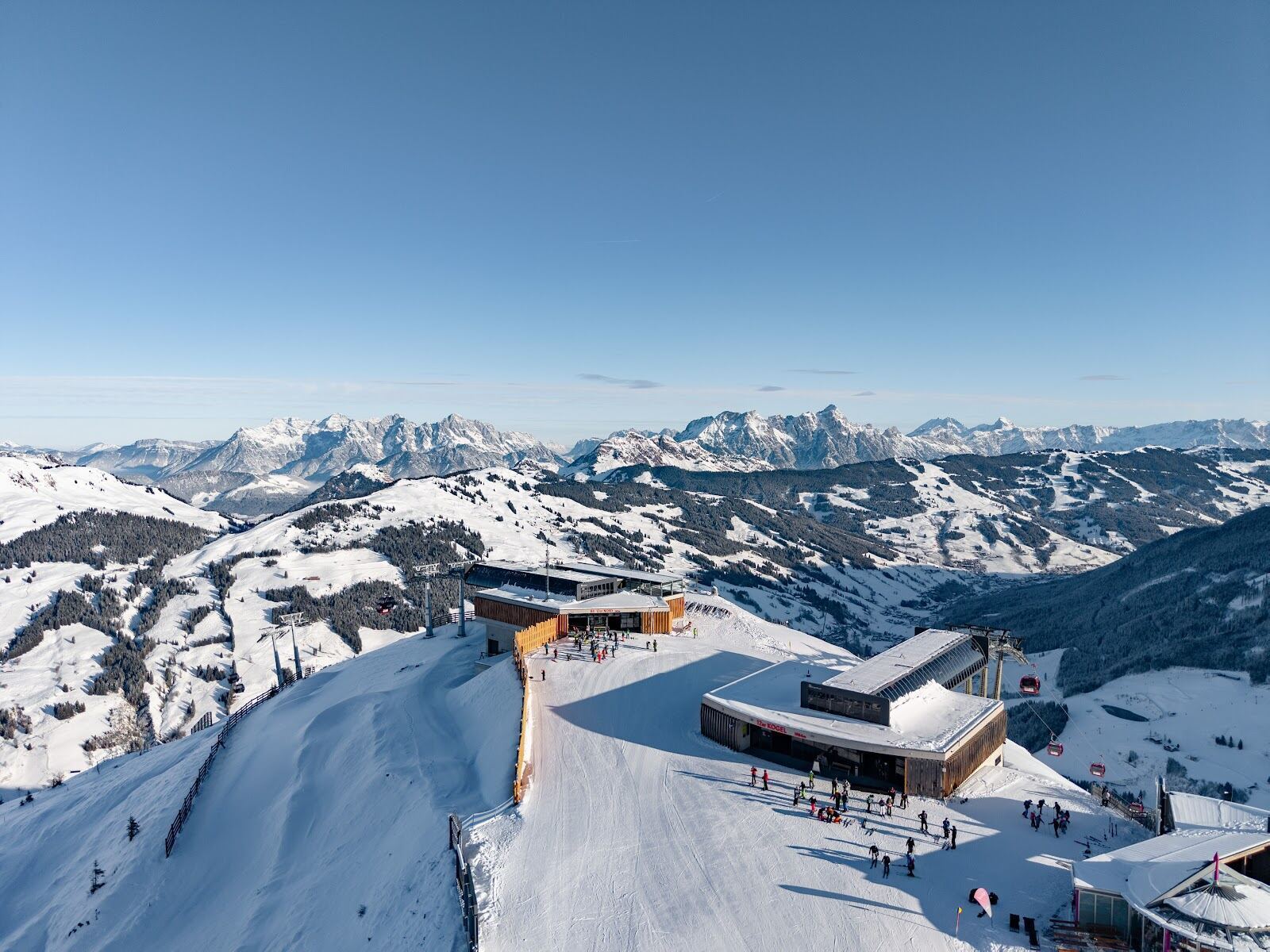
January is the most dependable snow month in Europe, from the French and Swiss Alps through Austria and Italy to the Pyrenees and Scandinavia. By the start of the month the early winter storms have laid a deep, settled base, and fresh systems keep refreshing it through to February, so cover is rarely in doubt above roughly 1,500 meters. This is the window when even lower, normally marginal stations tend to ski well from village level, and when the high glacier linked resorts are at their most generous.
The trade off is genuine cold, and across the higher Alps that cold is real, with summit temperatures often sitting around minus 10C to minus 20C and valley towns holding below freezing for days. That deep chill is exactly why the snow stays light and dry rather than slushy, but it changes how you pack and plan: proper layers, a face cover for exposed chairs, and a warm lunch indoors when the wind gets up. Further north in Scandinavia the cold is sharper still and the daylight short, which is part of the appeal for those chasing reliable powder and quiet.
One honest caveat applies everywhere in Europe: January snow is reliable, not guaranteed perfect. A high pressure block can park over the continent for a week, bringing blue skies, hard pistes and thin fresh snow. When that happens, the high altitude resorts with serious snowmaking are the safe choice, so a look at the resort snow report before you commit your dates is always worth five minutes.
How busy is January, and when should you go?
January splits cleanly into two very different trips. The first week, running out of the Christmas and New Year holidays, is among the busiest and most expensive of the year right across Europe, with families filling the marquee resorts and queues at the headline lifts. Once the school holidays end, usually in the second week, the mountains empty dramatically. Mid January to the start of February is the quiet sweet spot of the European winter: full snow, full lift networks and a fraction of the crowds.
If your dates are flexible, target the middle two weeks of January. You get the same deep cover as the New Year peak without the holiday surcharge or the queues, and the villages feel calmer and more local. Couples and groups without school age children should almost always choose this window over February, when half term holidays across several European countries push prices and crowds back up across the whole continent.
How much does a January ski trip to Europe cost?
January pricing is a tale of two halves. The New Year week sits at the very top of the season, easily $4,000 to $8,000 per person for a week at a marquee Alpine resort once flights, transfers, lodging, lift passes and lessons are counted. From mid January the same trip eases into the $2,000 to $4,000 per person band at most resorts, and a value focused week at a smaller station in Austria, Italy or the Pyrenees can land under $2,000 per person.
The single biggest lever is timing, not country or resort. Moving your week from the New Year peak to mid January usually saves more than switching destinations would. The second lever is the extras: lift passes, airport transfers and lessons are where a trip quietly leaks money, and booking those ahead almost always beats the resort window price. A six day adult lift pass at a large linked area is a meaningful line item, so factor it in early.
Who should ski Europe in January, and who should wait?
January suits anyone whose first priority is snow certainty: powder hunters, skiers burned by thin December cover, and travelers who only get one trip a year and cannot risk it. It also rewards anyone who can travel outside the holidays and wants quiet pistes on a deep base, a combination that is rare later in the season. For lovers of cold dry snow and short, atmospheric northern days, January in Scandinavia is hard to beat.
It suits beginners and small children less well than March does. Short daylight, deep cold and occasional flat light make long learning days harder for first timers, who often do better in the softer, sunnier, longer days of late season. If your group is built around ski school for young children, or around terrace sun more than snow underfoot, late February to March is the kinder choice. And if budget is the deciding factor, the shoulder weeks of late March go cheaper, at the cost of less certain snow down low.
January in Europe: the case for and against
| Why January works | What to weigh |
|---|---|
|
|
Where to ski in Europe in January
For January we would point you first at these, each with our full review:
- Val d'Isere. Snow sure altitude and a vast linked area with Tignes make it a dependable January choice for strong intermediates and above.
- Zermatt. High, glacier linked and reliably snow sure, one of the safest bets in any January high pressure spell.
- St Anton. Deep midwinter snow and serious off piste for confident skiers, with the liveliest apres ski of the picks.
- Cervinia. High, sunny and snow sure on the Italian side of the Matterhorn, a gentler, cheaper high altitude option than its Swiss neighbor.
Sources we checked
Common questions
Is January a good time to ski in Europe?
Yes. January is the most snow sure month across European skiing, with the deepest, most reliable cover of the season and full lift networks open. The main trade offs are deep cold and, in the New Year week, peak prices and crowds.
When in January is cheapest and quietest to ski in Europe?
Aim for mid January, roughly the second and third weeks, after the Christmas and New Year holidays end and before February half term begins. You get the same deep snow as the New Year peak with far fewer people and noticeably lower prices.
How cold does it get skiing in Europe in January?
January is the coldest part of the European winter. Alpine summits often sit around minus 10C to minus 20C, valley towns hold below freezing for days, and Scandinavia is colder still. That cold is what keeps the snow light and dry, so proper layers and a face cover are essential.
How much does a week skiing in Europe in January cost?
Expect $4,000 to $8,000 per person at a marquee Alpine resort during the New Year peak, easing to $2,000 to $4,000 per person from mid January. A value focused week at a smaller resort in Austria, Italy or the Pyrenees can land under $2,000 per person.
Book the extras and save
Lift passes, airport transfers and lessons are where a trip quietly leaks money. Booking ahead almost always beats the resort window price.
Compare lift passesBook a transferFind lessonsReserve ski hireTravel insuranceTell us the dates. We price the trip.
Send one brief and vetted chalet companies and tour operators return tailored proposals. Flights, transfers, lift passes and lessons priced for your group. No fee to you, ever.