Skiing in January in The Dolomites
January is the most snow sure month in the Dolomites, pairing the deepest base and famously immaculate grooming of the season with crisp blue sky days and, once the New Year holiday clears, some of the quietest cruising on the whole Sellaronda circuit.
Reviewed for the 2026 season by the Ski Resorts for Kings editorial team
What is the snow like in the Dolomites in January?
January gives the Dolomites their most dependable snow of the winter. By the start of the month the early season storms and the region's vast snowmaking have laid a deep, settled base across the linked areas, and the cold holds it in place, so the famously well groomed pistes ski firm, fast and immaculate day after day. The Dolomiti Superski network, which links Val Gardena, Alta Badia, Arabba, Cortina, Kronplatz and the Val di Fassa among others, is fully open by January and at its best for the long motorway cruising the region is known for.
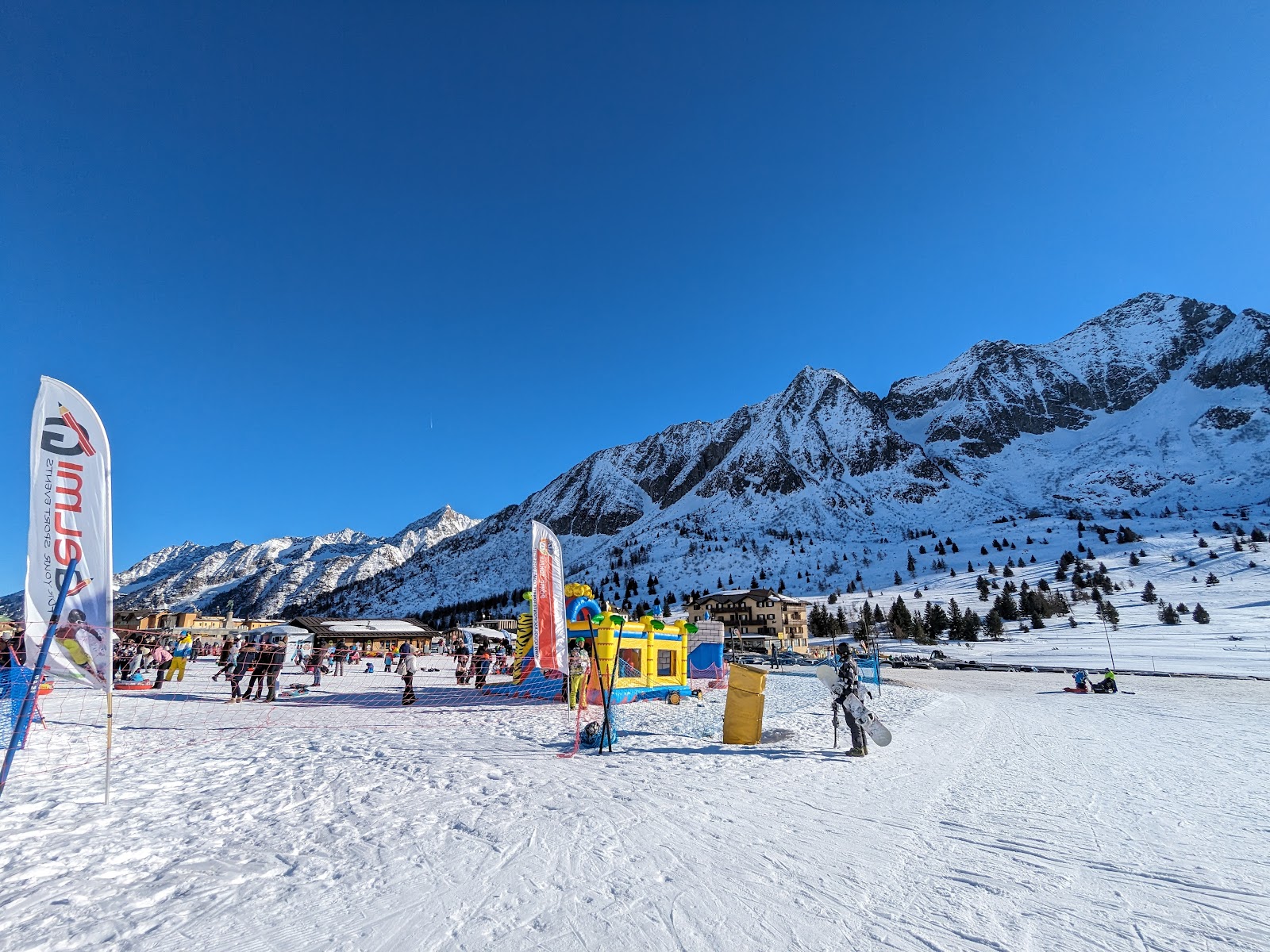
The Dolomites are not a deep powder destination in the way the northern Alps can be, and January is no exception. This is a region that turns moderate snowfall and serious snowmaking into perfect corduroy rather than waist deep off piste, so set your expectations around quality grooming and reliable cover rather than powder days. When fresh snow does fall it is light and cold in January, but the everyday product here is beautifully pisted runs under blue sky, which is exactly what most visitors come for.
The honest caveat is high pressure. The Dolomites enjoy a sunny, dry microclimate, which is glorious for blue sky skiing but can mean long spells without fresh snow. That matters less here than elsewhere because the grooming and snowmaking are so strong, but if your dream is fresh tracks rather than perfect pistes, January in the Dolomites will not always deliver them.
How busy are the Dolomites in January, and when is quietest?
January splits into two very different halves in the Dolomites. The first week, running out of the Christmas and Epiphany holidays, is among the busiest and dearest of the season, because the Befana holiday on the sixth keeps Italian families on the slopes well into the first week of the month. After that the mountains empty dramatically, and mid to late January is one of the quietest high snow windows of the entire winter, with short lift queues and easy tables even on the marquee Sellaronda circuit.
If your dates are flexible, target mid to late January, after Epiphany and before the February half term traffic begins. You get the same deep base and perfect grooming as the holiday peak without the crowds or the surcharge, and the long lunch terraces that the Dolomites are famous for are calm and unhurried. Couples and groups without school age children should almost always choose this window over February.
How much does a January Dolomites trip cost?
January pricing in the Dolomites is a tale of two halves. The Christmas and Epiphany week sits near the top of the season, easily $4,000 to $8,000 per person for a week at a marquee Sellaronda resort once flights, transfers, accommodation, lift pass and lessons are counted. From mid January the same trip eases into the $2,000 to $4,000 per person band, and a value focused week at a smaller linked village can come in under $2,000 per person.
The single biggest lever is timing rather than resort, because moving your week out of the holiday peak into mid January saves more than switching resorts would. The Dolomiti Superski pass is a meaningful line item that covers the whole linked network, so factor it in early and book ahead. Use #AFFILIATE_LIFTPASS for the area pass, #AFFILIATE_TRANSFER for airport transfers, #AFFILIATE_LESSONS for ski school and #AFFILIATE_SKIHIRE for gear, and protect the trip with #AFFILIATE_INSURANCE.
Who should ski the Dolomites in January, and who should wait?
January suits intermediates and cruisers above all, the skiers who live for long, immaculately groomed pisted miles and big mountain scenery rather than steep off piste. It rewards anyone who wants snow certainty, anyone who can travel mid month for quiet slopes, and lovers of the region's long lunches and blue sky days. The grooming is so reliable that improving skiers and confident families have a wonderful time linking the Sellaronda and the Dolomiti Superski valleys.
Who should wait, or look elsewhere? Powder hunters set on deep, frequent fresh snow are better served by the higher, snowier northern Alps, because the Dolomites trade powder for grooming and sun. Anyone who feels the cold should know January here can be genuinely cold on exposed chairs, and beginners and small children often find the softer, sunnier days of March kinder for long ski school sessions. And families tied to the February half term will pay more for slightly less reliable late month conditions than mid January offers.
January in The Dolomites: the case for and against
| Why January works | What to weigh |
|---|---|
|
|
Where to ski in the Dolomites in January
For January we would point you first at these, each with our full review:
- Val Gardena. A Sellaronda anchor with vast groomed cruising and quick access to the whole circuit, ideal for January pisted miles.
- Alta Badia. Gentle, immaculately groomed slopes and famous mountain dining, a top January pick for intermediates and food lovers.
- Cortina d'Ampezzo. Grand Dolomite scenery with lifts near 3,000 meters, reliable January cover and the region's most glamorous base.
- Arabba. The steepest, most snow sure corner of the Sellaronda, the best January choice for stronger intermediates wanting pitch.
Sources we checked
Common questions
Is January a good time to ski the Dolomites?
Yes. January is the most snow sure month in the Dolomites, with the deepest base of the season, the region's famous grooming and the full Dolomiti Superski network open. Just expect immaculate pistes rather than powder, and genuine cold.
Do the Dolomites get good snow in January?
They get reliable cover, helped by strong snowmaking and a deep early season base, but they are not a powder region. The Dolomites turn moderate snowfall into perfect corduroy, so January is about quality grooming and blue sky days more than fresh tracks.
When in January are the Dolomites quietest?
Mid to late January, after the Epiphany holiday on the sixth and before the February half term. The slopes empty out dramatically, giving short queues and easy tables on the Sellaronda with the same deep snow as the holiday peak.
How much does a week skiing the Dolomites in January cost?
Expect $4,000 to $8,000 per person at a marquee resort during the Christmas and Epiphany peak, easing to $2,000 to $4,000 per person from mid January. A smaller linked village can come in under $2,000 per person.
Book the extras and save
Lift passes, airport transfers and lessons are where a trip quietly leaks money. Booking ahead almost always beats the resort window price.
Compare lift passesBook a transferFind lessonsReserve ski hireTravel insuranceTell us the dates. We price the trip.
Send one brief and vetted chalet companies and tour operators return tailored proposals. Flights, transfers, lift passes and lessons priced for your group. No fee to you, ever.