Skiing in July in New Zealand
July is the most snow sure month to ski New Zealand, delivering the deepest and most reliable cover of the southern winter across the Queenstown, Wanaka and Canterbury fields, at the busiest and most expensive point of the season.
Reviewed for the 2026 season by the Ski Resorts for Kings editorial team
What is the snow like in New Zealand in July?
July gives you the most dependable snow of the New Zealand season. The southern winter is at its heart this month, the early June openings have laid a working base, and a steady run of fronts off the Tasman Sea keeps topping the fields up through July and into August. This is the window when the Queenstown and Wanaka commercial fields, Cardrona, the Remarkables, Coronet Peak and Treble Cone, are running their full footprint, and when Mt Hutt in Canterbury is at its deep, wind blown best.
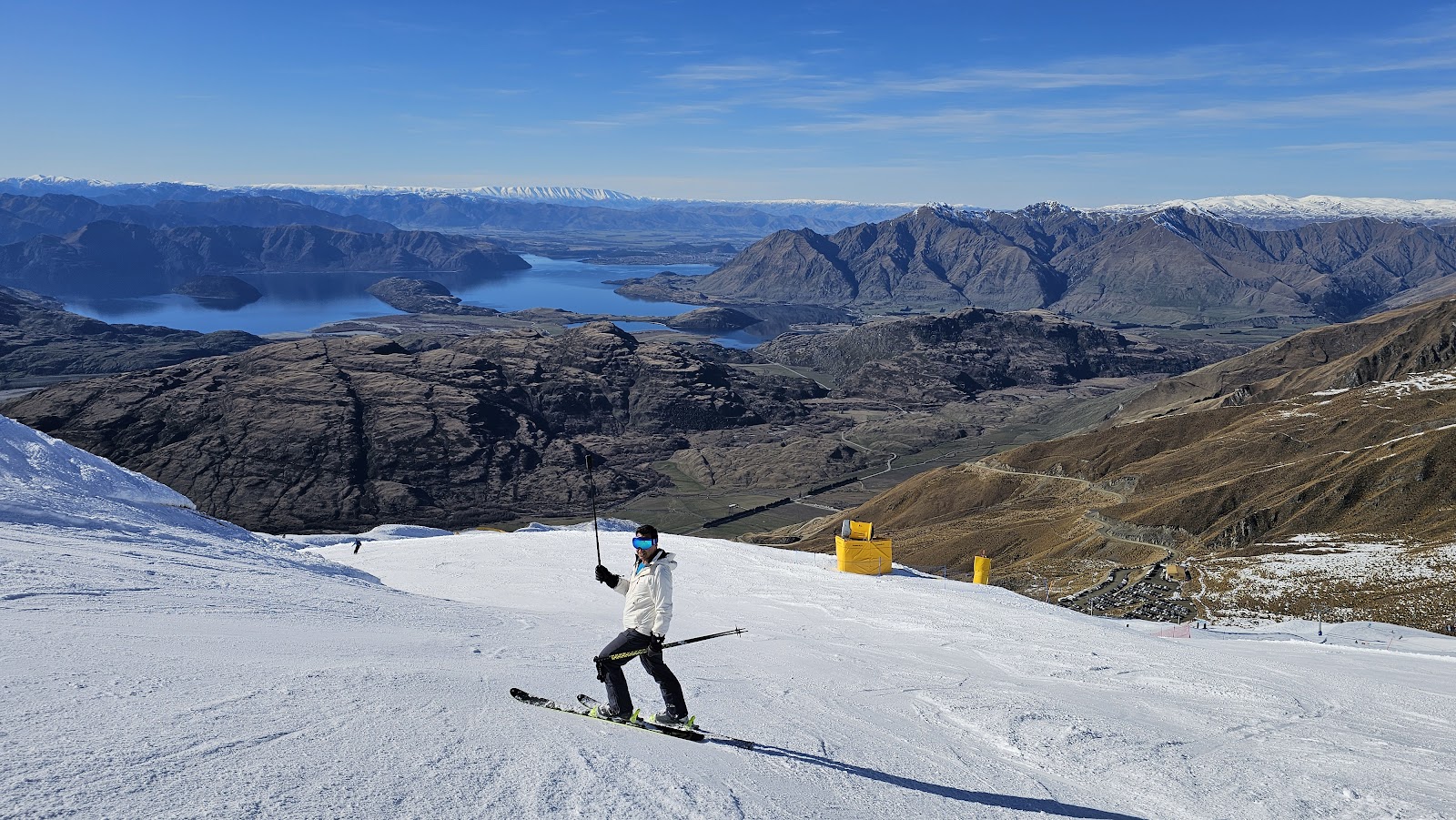
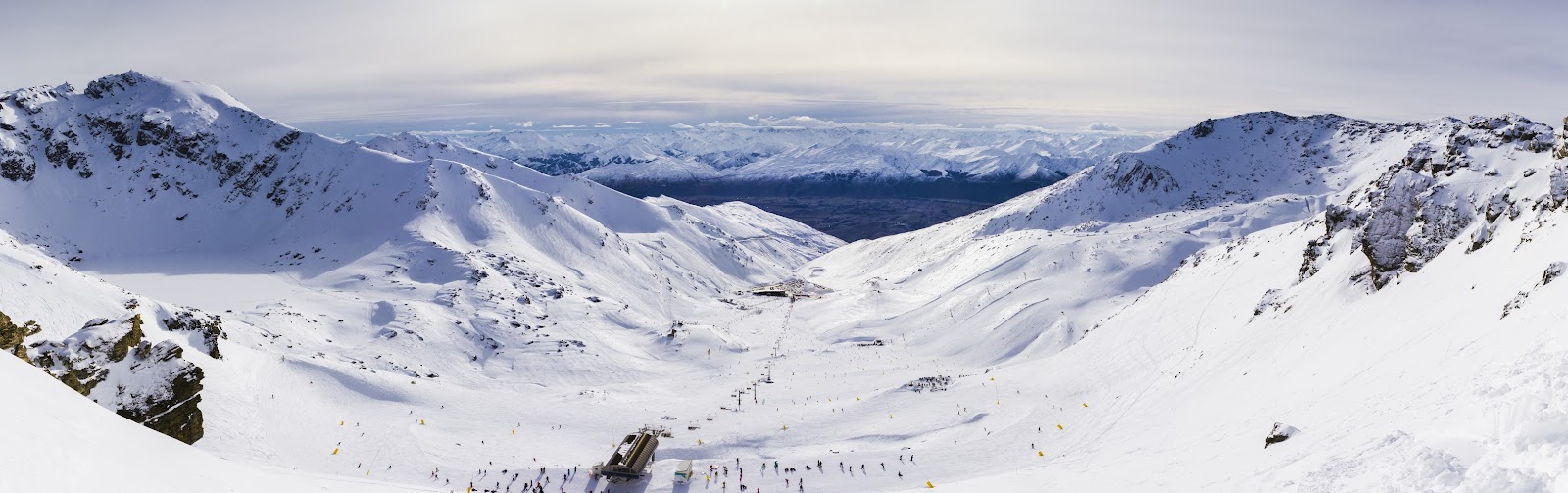
New Zealand snow is different in character from the Alps or Japan. The fields here are mostly high open basins above the tree line, so the skiing is about wide treeless bowls, ridgelines and groomed trails rather than forest runs. The maritime climate means conditions swing quickly: a southerly front can dump fresh snow and shut the access roads for a day, then clear to brilliant blue sky and firm fast groomers. That variability is the honest reality of a New Zealand ski trip, and July sees both the best powder days and the most weather disruption of the season.
One real caveat is that New Zealand winters are snowfall dependent and can start slow. Some years the base is thin into early July before the big fronts arrive. The high fields with strong snowmaking, Cardrona and Coronet Peak in particular, are the safe bets when natural snow is late, and checking the field snow report before you fix dates is always worth the few minutes.
How busy is New Zealand skiing in July?
July is the busiest month of the New Zealand ski season, driven by the New Zealand and Australian school holidays. The Australian winter holidays in particular send a large crowd across the Tasman to the Queenstown and Wanaka fields, filling the access roads, the car parks and the base buildings on peak weekends. The first three weeks of July overlap with these holidays, so the fields and the town of Queenstown are at their liveliest and most crowded.
If your dates are flexible, the back end of July, once the school holidays wind down, eases noticeably while the snow stays deep. Midweek skiing is always quieter than weekends here, and getting to the field early matters because the access roads and limited parking are the real bottleneck rather than the lifts themselves. Couples and groups without school age children should aim for late July midweek to pair peak snow with thinner crowds.
How much does a July ski trip to New Zealand cost?
July sits at the top of the New Zealand season for price, and the largest line item for most international visitors is getting there. Long haul flights to Queenstown or Christchurch dominate the budget, so a July ski trip for an overseas traveler typically lands in the $4,000 to $8,000 per person band once flights, accommodation, lift passes, transfers and lessons over a week are counted. The on snow costs themselves, lift passes and lessons, are reasonable by global resort standards, but the peak July holiday weeks push lodging in Queenstown and Wanaka to their dearest.
The biggest saving lever is timing within the month. Skiing late July after the school holidays, and choosing Wanaka over Queenstown for lodging, both ease the accommodation bill. Booking lift passes and any lessons ahead almost always beats the window price, and travelers planning several days should look at multi day passes. For a New Zealand based skier without the long haul flight, a July trip can land in the $2,000 to $4,000 per person band.
Who should ski New Zealand in July, and who should wait?
July suits anyone whose first priority is snow certainty in the southern winter: northern hemisphere skiers chasing a second winter, powder hunters willing to gamble on the maritime weather, and anyone who only gets one southern trip and cannot risk thin cover. It rewards confident intermediates and experts who relish big open bowls and ridgeline terrain, and it is the right call for travelers who want the liveliest atmosphere in Queenstown.
It suits crowd averse and budget focused skiers less well. The July school holidays bring the season's biggest crowds and dearest lodging, so anyone who can travel later should look at late July or August, when the snow is still deep but the fields are quieter and prices ease. Beginners do fine in July, but families on a budget may prefer the quieter, often sunnier conditions of August and early September. And anyone unwilling to risk weather closures on the access roads should build spare days into the trip, because July is when the big southerly fronts hit hardest.
Where to ski in New Zealand in July?
For July the picks are the high commercial fields with the snowmaking and the terrain to ski well at peak season. Cardrona above Wanaka is the most reliable all rounder, with strong snowmaking and broad terrain that holds up when natural snow is late. The Remarkables outside Queenstown offers sheltered bowls and good intermediate and beginner terrain, while Coronet Peak nearby runs night skiing and the most extensive snowmaking in the region. Treble Cone above Wanaka is the choice for advanced skiers who want the biggest, steepest terrain in the south. Over in Canterbury, Mt Hutt is the standout, a high exposed field that often holds the deepest natural snow in the country. Check each field road and snow status before you set out, as southerly fronts can close access at short notice.
July in New Zealand: the case for and against
| Why July works | What to weigh |
|---|---|
|
|
Where to ski in New Zealand in July
For July we would point you first at these, each with our full review:
- Cardrona. The most reliable all rounder above Wanaka, with strong snowmaking and broad terrain that skis well even when natural snow is late.
- The Remarkables. Sheltered bowls and excellent intermediate and beginner terrain outside Queenstown, a dependable July family choice.
- Treble Cone. The biggest and steepest terrain in the south above Wanaka, the pick for advanced skiers chasing serious July terrain.
- Mt Hutt. A high exposed Canterbury field that often holds the deepest natural snow in the country at peak season.
Sources we checked
Common questions
Is July a good time to ski in New Zealand?
Yes. July is the most snow sure month in New Zealand, with the deepest and most reliable cover of the season across the Queenstown, Wanaka and Canterbury fields. The trade offs are peak prices and the season's biggest crowds during the school holidays.
When in July is best to avoid the crowds in New Zealand?
Aim for late July, after the New Zealand and Australian school holidays wind down, and ski midweek. You get the same deep snow as the holiday peak with noticeably thinner crowds on the access roads and at the fields, plus easier parking.
How much does a week skiing New Zealand in July cost?
For an international traveler, expect $4,000 to $8,000 per person once long haul flights, lodging, lift passes, transfers and lessons are counted, with the long haul flight the largest item. A New Zealand based trip without that flight can land in the $2,000 to $4,000 per person band.
Which New Zealand field has the best snow in July?
Mt Hutt in Canterbury often holds the deepest natural snow in the country, while Cardrona and Coronet Peak have the strongest snowmaking and ski well when natural snow is late. The high fields are the safe bets in a slow snow year.
Book the extras and save
Lift passes, airport transfers and lessons are where a trip quietly leaks money. Booking ahead almost always beats the resort window price.
Compare lift passesBook a transferFind lessonsReserve ski hireTravel insuranceTell us the dates. We price the trip.
Send one brief and vetted chalet companies and tour operators return tailored proposals. Flights, transfers, lift passes and lessons priced for your group. No fee to you, ever.