Skiing in March in Canada
March is arguably the best all round month to ski Canada, pairing the deepest base of the season with frequent storms, longer and warmer days, and far lighter crowds than the Christmas peak, with spring break weeks the only real busy spell to plan around.
Reviewed for the 2026 season by the Ski Resorts for Kings editorial team
What is the snow like in Canada in March?
March is when the Canadian snowpack is at its deepest and the storms keep coming. Western Canada in particular runs strong: Whistler Blackcomb commonly piles up over eight feet of snow across its two mountains in March, and Revelstoke averages around 225 cm of snowfall across March and April combined. The base built through the long winter is now at its peak, so coverage is excellent from village level at most resorts.
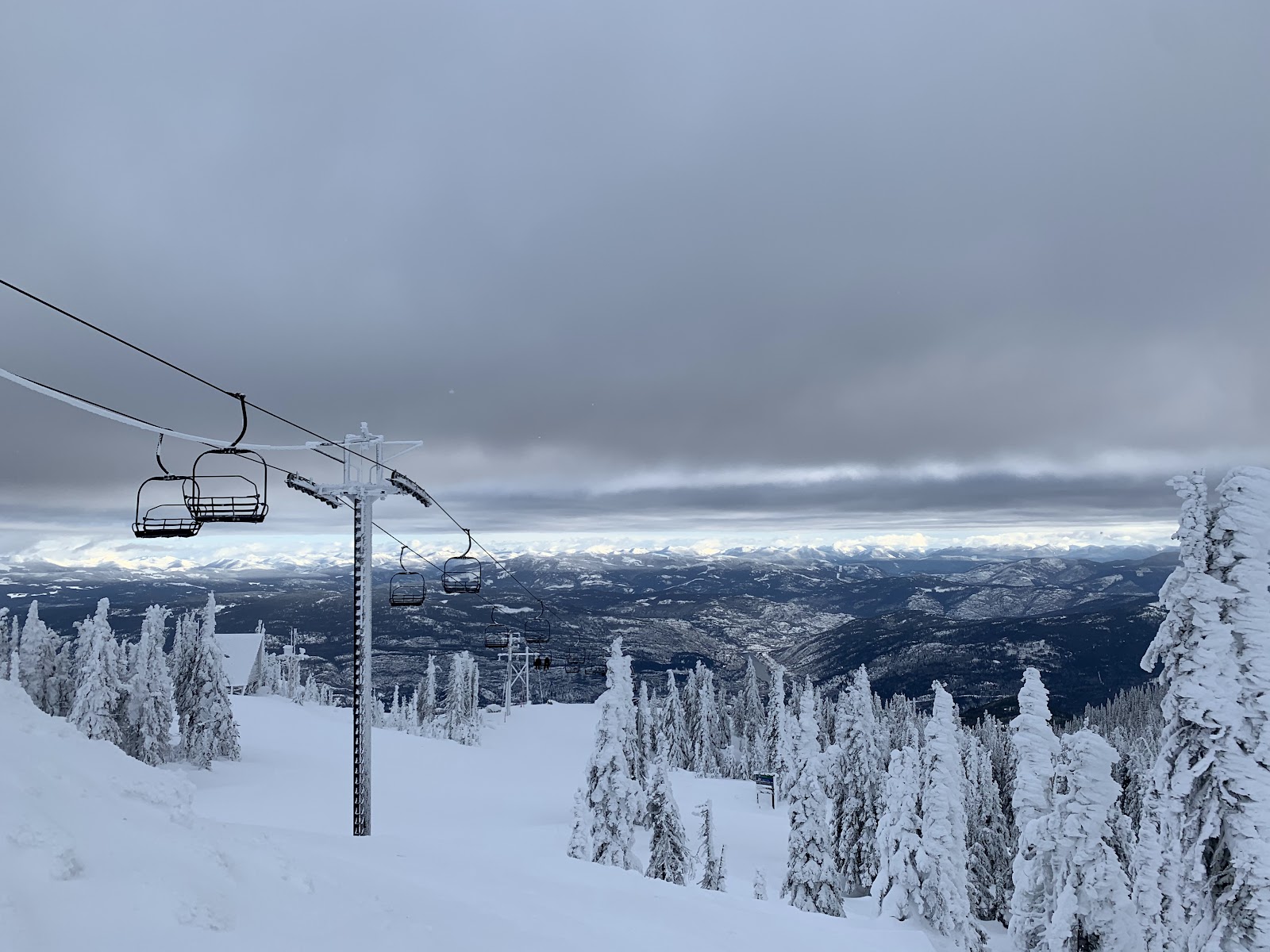
The Canadian Rockies, Banff Sunshine and Lake Louise, stay genuinely cold well into spring, with daytime temperatures often hovering between minus 5C and 5C, which keeps the snow dry and wintry rather than slushy. Coastal Whistler is milder and can deliver heavy snow lower down and excellent depth up high. The combination across the country is rare: a midwinter depth of snow with the softer light and longer days of spring.
The trade off is the start of the spring rhythm. Lower slopes can soften in the afternoon sun, especially late in the month, while north facing and high alpine terrain holds cold powder. The practical move is to chase the aspect and altitude that suit the day, ski the sunny lower runs in the warm afternoons and the high cold faces in the morning, which is exactly what makes March so versatile.
How busy is Canada in March, and when should you avoid the crowds?
March is noticeably quieter than the Christmas and New Year peak, but it is not empty. The one thing to plan around is spring break, when North American school holidays spread across several weeks of the month and bring families to the bigger resorts. Even then, the slopes are less crowded than the festive peak and the snow is better, so the trade is usually worth it.
To dodge the busiest spells, aim for the weeks between the main spring break waves and travel midweek where you can. The Canadian resorts are vast, Whistler Blackcomb and Revelstoke especially, so crowds disperse quickly across the terrain even on a busy week. Early March often lands before the heaviest spring break traffic and pairs deep snow with thinner lift lines.
How much does a March ski trip to Canada cost?
March sits in the mid band for the Canadian season. A comfortable week runs roughly $2,000 to $4,000 per person once flights, lodging, lift access and a few lessons are counted, with the marquee names like Whistler Blackcomb at the higher end and the interior British Columbia and Rockies resorts often better value. Spring break weeks push lodging and lift prices up at the popular resorts, so the calendar still matters.
Outside spring break, March can be a value sweet spot: you get the deepest snow of the year at lower prices than the December and February peaks, with the bonus of longer days that stretch the skiing. Booking lift access and lessons ahead, rather than at the window, is the usual saving, and the interior BC resorts, Revelstoke, Kicking Horse, Fernie and Big White, generally cost less than Whistler or Banff for comparable or deeper snow.
Where should you ski in Canada in March?
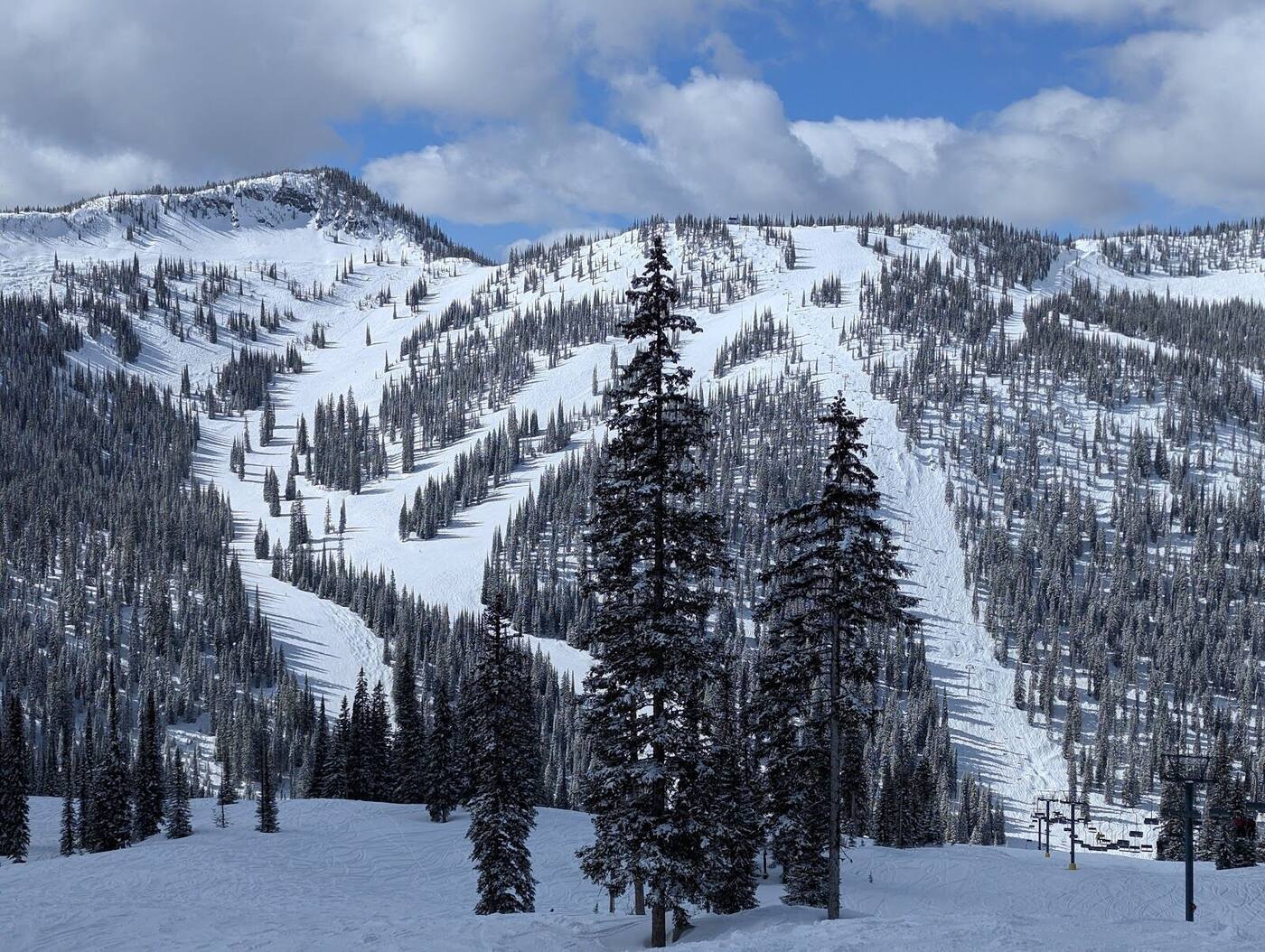
For sheer snow and scale, Whistler Blackcomb is the headline March choice, with deep storms, vast terrain across two mountains and a long spring season that runs into April and beyond. Revelstoke offers the biggest vertical in North America and reliably heavy interior BC snowfall, a powder hunter's March pick. In the Rockies, Banff Sunshine and Lake Louise stay cold and snowy late, often with fresh powder days well into spring, and pair with a memorable town base.
If value and quieter slopes matter more than a marquee name, the interior BC resorts deliver deep snow with smaller crowds. Whichever you choose, March rewards going where the storms are pointing that week, so keep an eye on the forecast and let it shape the pick. Our full reviews below spell out who each resort genuinely suits.
March in Canada: the case for and against
| Why March works | What to weigh |
|---|---|
|
|
Where to ski in Canada in March
For March we would point you first at these, each with our full review:
- Whistler Blackcomb. Deep March storms and vast two mountain terrain, the headline choice for snow and scale with a long spring season.
- Revelstoke. The biggest vertical in North America and reliably heavy interior BC snowfall, a powder hunter's March pick.
- Banff Sunshine. Stays cold and snowy late into spring, with fresh powder days well into the season and a memorable town base.
- Lake Louise. High, cold Rockies terrain that holds dry March snow, with stunning scenery and access to the wider Banff area.
Sources we checked
Common questions
Is March a good time to ski in Canada?
Yes, it is arguably the best all round month. March pairs the deepest snowpack of the season with frequent storms, longer warmer days and lighter crowds than the Christmas peak. Western Canada is especially strong, with Whistler Blackcomb often piling up over eight feet of snow across the month.
How crowded is Canada for skiing in March?
Much quieter than the festive peak, with spring break the only real busy spell. North American school holidays spread across several weeks of March and bring families to the bigger resorts, but the slopes are still less crowded than Christmas and the snow is better. Travel between the spring break waves and midweek to dodge the traffic.
Is the snow still good in Canada in March?
Yes. March holds the deepest base of the season and frequent storms keep topping it up, while the Rockies stay cold enough to keep snow dry well into spring. Lower slopes can soften in afternoon sun late in the month, so ski high cold faces in the morning and sunny lower runs later.
How much does a March ski trip to Canada cost?
Expect roughly $2,000 to $4,000 per person for a comfortable week once flights, lodging and lift access are counted, with Whistler Blackcomb and Banff at the higher end and interior BC resorts better value. Outside spring break, March can be a value sweet spot with the best snow of the year.
Book the extras and save
Lift passes, airport transfers and lessons are where a trip quietly leaks money. Booking ahead almost always beats the resort window price.
Compare lift passesBook a transferFind lessonsReserve ski hireTravel insuranceTell us the dates. We price the trip.
Send one brief and vetted chalet companies and tour operators return tailored proposals. Flights, transfers, lift passes and lessons priced for your group. No fee to you, ever.