Skiing in March in Scandinavia
March is the best month to ski in Scandinavia, pairing the deepest, most reliable snow of the season with the dramatic return of long daylight after the dark midwinter, so you get full ski days, cold dry snow and far quieter slopes than the Alps, with only the Easter week to plan around.
Reviewed for the 2026 season by the Ski Resorts for Kings editorial team
What is the snow actually like in Scandinavia in March?
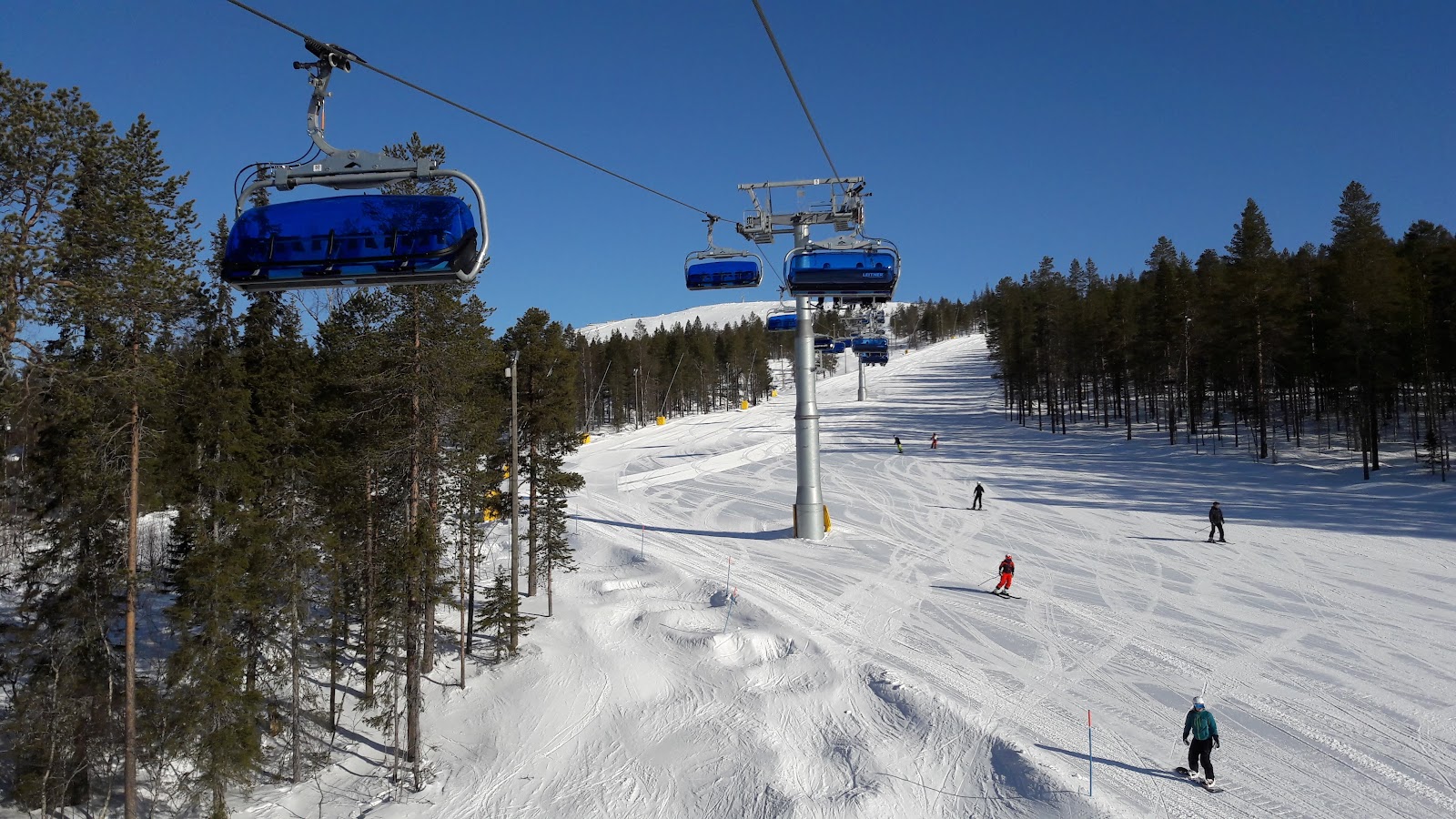
March is the high point of the Scandinavian ski season. The long, cold winter has built a deep, settled snowpack across Norway, Sweden and Finnish Lapland, and March typically sits at peak snow depth at resorts like Trysil, Norway's largest ski destination, where summit cover often runs around 130 centimeters. The cold northern air keeps the snow light and dry rather than heavy, so the pistes stay in excellent shape and the tree lined runs that define Scandinavian skiing hold their quality all day.
What sets March apart from the Alps is the combination of that deep cold snow with returning light. Through the dark heart of winter, the far north has only a few hours of usable daylight, but by March the days have stretched to roughly ten to twelve hours, and they keep growing fast through the month. Temperatures sit broadly in the minus 5C to minus 15C range, cold enough to preserve the snow but with a noticeably stronger sun than in midwinter, so the skiing feels generous and the days feel long.
The honest caveat is that this is still genuinely cold skiing, and the resorts are lower than the high Alps, so you are relying on the cold rather than altitude to keep the snow. In March that bet pays off reliably, but a warm spell can soften the lower runs, and the far northern resorts in Lapland stay colder and snow surer later than the southern Norwegian and Swedish areas. Check the resort report, but in March the snow is rarely the problem.
Why is March the best month to ski in Scandinavia?
March wins because it solves the one real drawback of Scandinavian skiing, the darkness, without giving up the snow. December and January deliver deep cold and a magical polar twilight, but the short daylight limits how many hours you can actually ski, and the cold is at its most biting. February is excellent but still short on light. By March you get full length ski days, the deep snowpack is at or near its peak, and the stronger sun makes the whole experience warmer and brighter without melting the snow out.
It is also the sunniest part of the season in much of the region; Trysil, for example, averages its most sunny days in March. That blend of deep reliable snow, long bright days and the calm, family friendly Scandinavian resort style is hard to match anywhere in Europe at this time of year. For cross country skiers the long groomed trail networks are at their best too, with firm fast tracks and light to ski by.
How busy is Scandinavia in March, and when is Easter?
For most of March the Scandinavian resorts are calm by Alpine standards, which is a large part of the appeal. The crowds that fill the Alps in the February half term do not transfer here, so outside the school holidays you get deep snow, long days and genuinely quiet pistes. The one week to plan around is Easter, which in 2026 falls in early April, so most of March 2026 sits comfortably before the busiest stretch.
Easter is the great Norwegian ski holiday, the spring skiing dream season when locals decamp to the mountains in force, and the week around it is by far the busiest and dearest of the Scandinavian spring. If your dates land before Easter you get the quiet end of the season; if they overlap it, expect full resorts and a wonderful, very local atmosphere but higher prices and more company. For peace and value, target the weeks of March before the holiday.
How much does a March ski trip to Scandinavia cost?
A March week in Scandinavia generally lands in the $2,000 to $4,000 per person band once flights, transfers, lodging, lift pass and any lessons are counted, with the far northern Lapland resorts often offering the best value and the southern Norwegian areas closest to Oslo at the higher end. A well timed week in a self catered cabin, the classic Scandinavian way to ski, can edge toward the lower end of that range, while the Easter week pushes prices up across the board.
Scandinavia is not a budget destination once you account for the cost of food and drink, which is high across the region, but the value is in the experience: quiet slopes, reliable snow, excellent family infrastructure and the cabin culture that makes a self catered week genuinely affordable for groups. Lapland in particular pairs good ski value with the wider winter experience of the far north. Book the lift pass and any lessons ahead, and consider a cabin over a hotel to keep costs sensible.
Who should ski Scandinavia in March, and who should skip it?
March in Scandinavia suits families, cross country skiers and anyone who values calm, reliable, scenic skiing over big vertical and high altitude drama. It is ideal for skiers who want full daylight days and dependable snow without Alpine crowds, for groups who like the self catered cabin style, and for anyone drawn to the wider winter experience of the far north, from Lapland's light to the cross country trails. It is also a strong, gentle month for beginners and children thanks to the long days and forgiving terrain.
Skip Scandinavia in March if your priority is steep, high altitude terrain, huge linked lift networks, or a lively Alpine apres ski scene, none of which is the regional strength. Advanced skiers chasing serious vertical and off piste will find more in the high Alps, and anyone who wants guaranteed spring sunshine and warmth should look south. If you want the calm, the snow certainty and the return of the light, though, March in Scandinavia is one of the most underrated ski windows in Europe.
March in Scandinavia: the case for and against
| Why March works | What to weigh |
|---|---|
|
|
Where to ski in Scandinavia in March
For March we would point you first at these, each with our full review:
- Trysil. Norway's largest ski destination, at peak snow depth in March and its sunniest month, ideal for families and cruising.
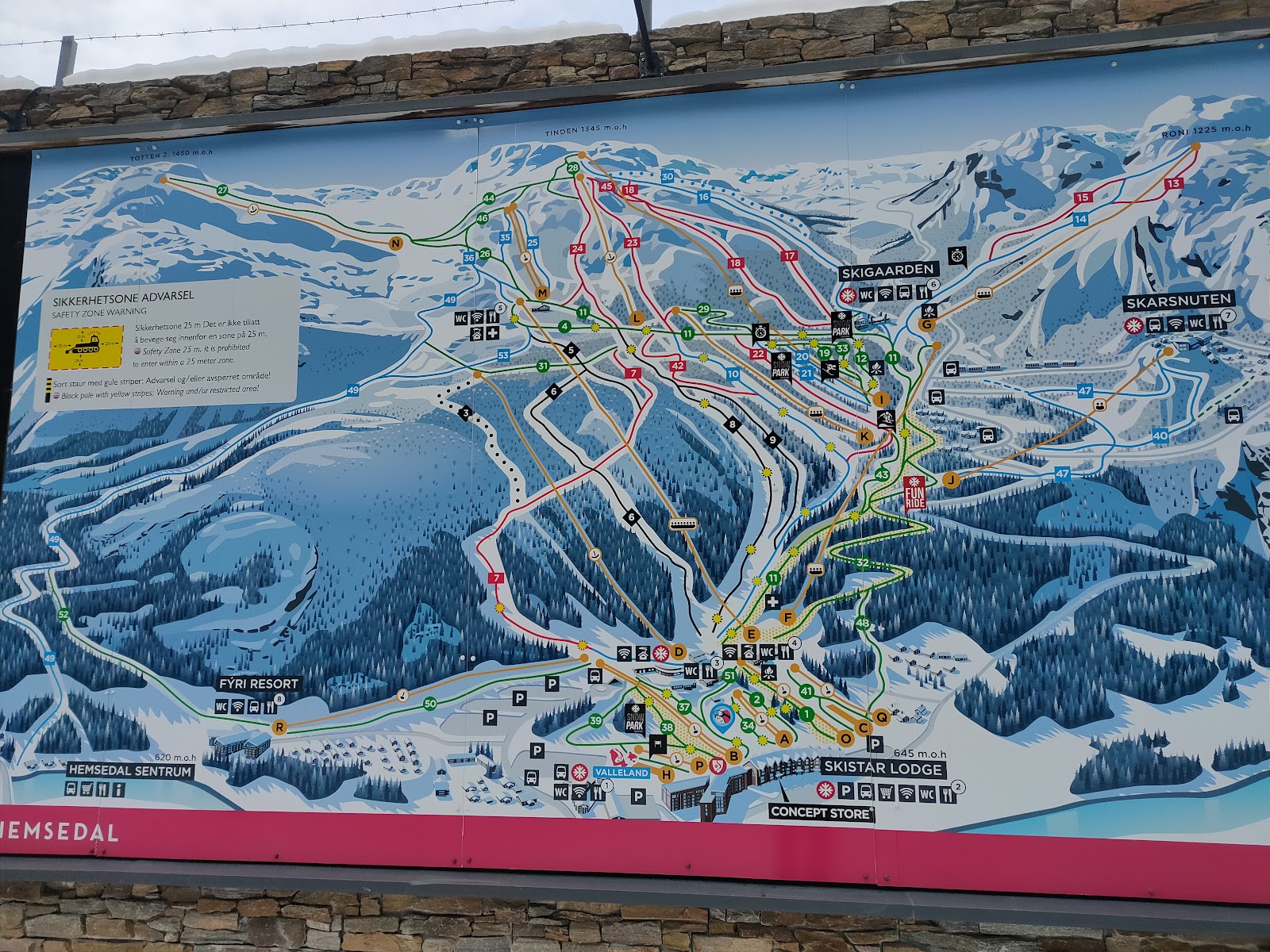
- Hemsedal. The most varied and steepest terrain in southern Norway, the pick for stronger skiers wanting more challenge in March.
- Are. Sweden's biggest and liveliest resort, with the widest terrain spread and the most going on off the snow.
- Levi. A Finnish Lapland base that holds cold snow latest and offers strong March value alongside the wider far north experience.
Sources we checked
Common questions
Is March a good time to ski in Scandinavia?
Yes, it is the best month. March pairs the deepest, most reliable snow of the season with the return of long daylight after the dark midwinter, so you get full ski days, cold dry snow and quiet slopes. The only week to plan around is Easter, which falls in early April in 2026.
Why is March better than midwinter for skiing in Scandinavia?
March keeps the deep cold snow of midwinter but adds the daylight that the dark December and January months lack. By March the days have stretched to roughly ten to twelve hours and the sun is stronger, so you can ski full days in comfort while the snowpack is at or near its peak.
How cold is skiing in Scandinavia in March?
March is still genuinely cold, broadly in the minus 5C to minus 15C range, colder in Lapland and milder in the southern resorts. That cold is what keeps the snow light and dry, but proper layers and face cover are essential, especially on exposed lifts.
How much does a week skiing Scandinavia in March cost?
Expect $2,000 to $4,000 per person once flights, transfers, lodging, lift pass and lessons are counted, with Lapland often the best value and the Easter week the dearest. A self catered cabin can bring a group toward the lower end of that range.
Book the extras and save
Lift passes, airport transfers and lessons are where a trip quietly leaks money. Booking ahead almost always beats the resort window price.
Compare lift passesBook a transferFind lessonsReserve ski hireTravel insuranceTell us the dates. We price the trip.
Send one brief and vetted chalet companies and tour operators return tailored proposals. Flights, transfers, lift passes and lessons priced for your group. No fee to you, ever.