Skiing in March in The Dolomites
March is the finest all round month to ski the Dolomites, pairing the longest sunny days of late winter with a deep settled base, the entire Sellaronda circuit open and prices that ease noticeably once the February half term crowds have gone.
Reviewed for the 2026 season by the Ski Resorts for Kings editorial team
What is the snow like in the Dolomites in March?
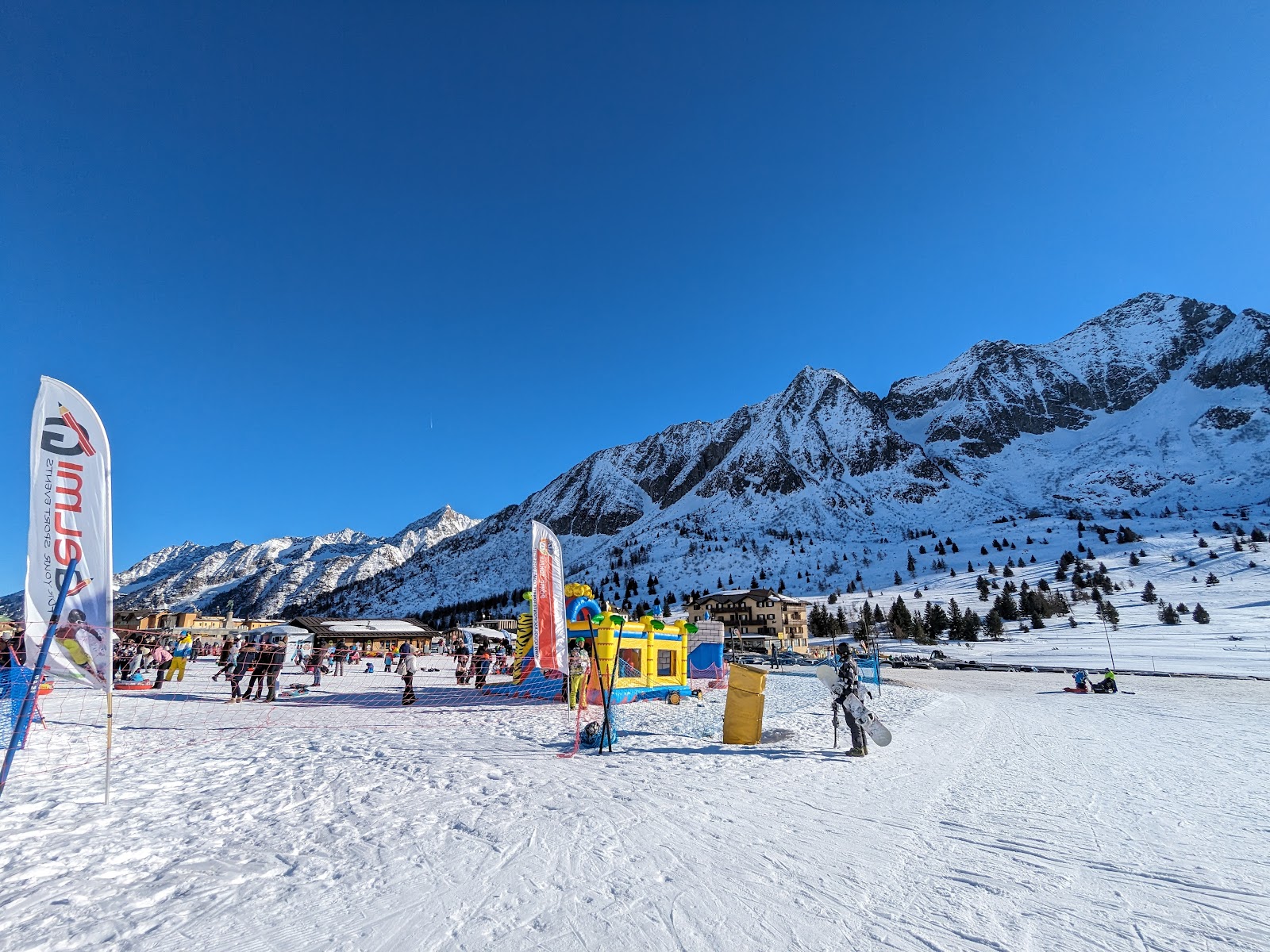
March in the Dolomites usually delivers the best balance of the season: a deep late winter base built up since December, topped by the fresh falls that often arrive in early March, all sitting under a strong spring sun. The Dolomiti Superski network keeps its famously broad, well groomed pistes in excellent shape this month, and the region's serious snowmaking underwrites the main runs even in a dry spell. By March the whole Sellaronda circuit and the linked valleys of Val Gardena, Alta Badia, Arabba and Val di Fassa are fully open, so you can ski the celebrated tour around the Sella massif with confidence.
The spring rhythm changes how you ski the day. North facing slopes hold firm, fast morning pistes and keep their snow latest into the afternoon, while sunny south facing runs soften from late morning and can turn slushy by mid afternoon. The smart plan is to chase the sun around the mountain: firm groomers early, sunnier aspects through the middle of the day, and an early lunch on a terrace when the snow goes heavy. Late March can see the lower runs soften quickly, so a higher base or the north facing sectors give the most reliable surface.
One honest caveat: March snow is dependable on the maintained network but more variable off piste, where the spring melt freeze cycle makes timing everything. For lift served skiing on prepared pistes, though, March in the Dolomites is about as good as late winter gets.
How busy is March in the Dolomites?
March is far calmer than February once the half term holidays have passed. The first week can still carry some of the late February crowds, but from the second week onward the Dolomites empty out noticeably, leaving the broad motorway pistes feeling spacious even at the marquee areas. Easter is the one variable to watch, because when it falls in late March the holiday week pushes crowds and prices back up across the region, so check the date before you book.
For the quietest skiing with the best snow, target the middle two weeks of March outside any Easter holiday. You get the same long days and deep base as the start of the month without the lingering February crush, and the famous Dolomites mountain restaurants are easier to get a table at. This combination of space, sun and good snow is exactly why many regulars rate March as the best time to visit.
How much does a March ski trip to the Dolomites cost?
March pricing eases from the February peak across most of the Dolomites. A week outside Easter commonly lands in the $2,000 to $4,000 per person band once flights, transfers, half board and a Dolomiti Superski pass are counted, and a value focused week at a smaller village or on a quieter date can come in under $2,000 per person. Easter week, when it falls in late March, climbs back toward $4,000 to $8,000 per person at the headline resorts.
The main saving lever is avoiding the Easter holiday and the very first days of the month. The Dolomiti Superski pass is one of the great value lift tickets in the Alps given the size of the linked area, but it is still a meaningful line item, so factor it in early. Booking the lift pass, airport transfer and any lessons ahead of time almost always beats the in resort window price, and the gentler Italian lodging and dining costs help a March trip here stretch further than an equivalent week in the higher French or Swiss giants.
Who should ski the Dolomites in March, and who should wait?
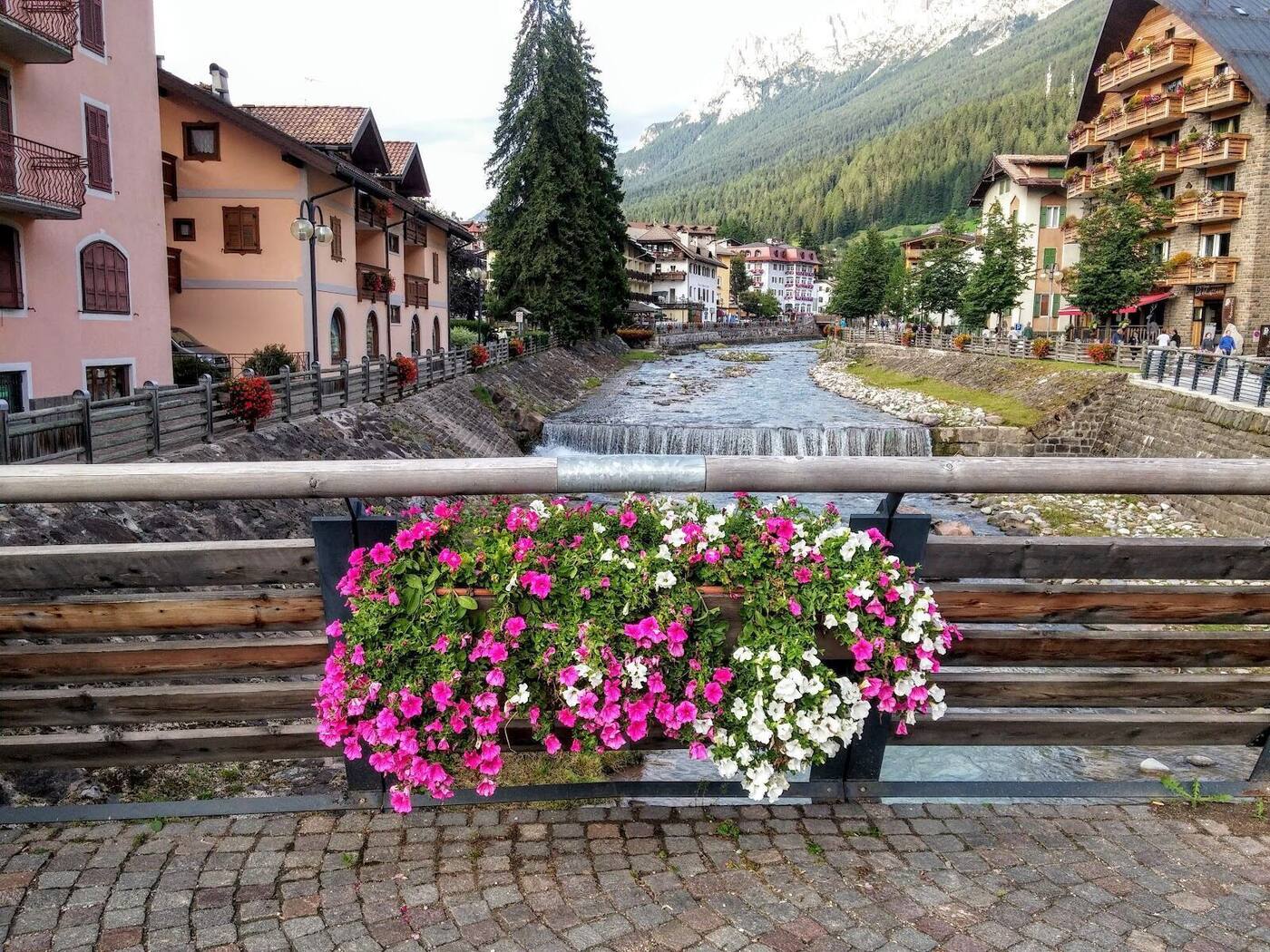
March suits almost everyone, which is why it is the standout month here. It is ideal for intermediates who want endless well groomed cruising in the sun, for families who want long daylight and softer afternoon snow for ski school, and for anyone who wants the scenery of the pink Dolomite peaks at their most photogenic under blue spring skies. The easing crowds and prices after February make it the value pick of the proper winter months too.
It suits powder hunters less reliably. While early March can bring fresh falls, the deepest, coldest, most certain powder is a January and February affair, so dedicated off piste skiers may prefer midwinter. Anyone who needs guaranteed firm snow all day on lower runs should favor a higher base or the north facing sectors, since late March afternoons can go slushy down low. And if your dates land on Easter, expect the crowds and prices of a holiday week rather than the quiet sweet spot of mid March.
March in The Dolomites: the case for and against
| Why March works | What to weigh |
|---|---|
|
|
Where to ski in the Dolomites in March
For March we would point you first at these, each with our full review:
- Selva Val Gardena. A central Sellaronda base with miles of sunny, well groomed cruising that is ideal for March intermediates.
- Alta Badia. Gentle, immaculately groomed pistes and famous mountain restaurants make it the relaxed gourmet choice in spring.
- Cortina d'Ampezzo. Grand scenery and sunny, varied terrain suit a stylish March week for confident intermediates and up.
- Arabba. The steepest, most snow holding sector of the Sellaronda, best for keen skiers who want firmer March pistes.
Sources we checked
Common questions
Is March a good time to ski in the Dolomites?
Yes, March is widely rated the best all round month in the Dolomites. You get long sunny days, a deep late winter base, the full Sellaronda open and easing crowds and prices after February, outside any Easter holiday week.
Is there still good snow in the Dolomites in March?
Yes. A deep base from the winter, frequent early March top ups and extensive snowmaking keep the well groomed pistes in excellent shape. Snow is most reliable on north facing slopes and at higher bases, while sunny lower runs soften in the afternoon.
How busy are the Dolomites in March?
Much quieter than February once the half term holidays end, usually from the second week. The pistes feel spacious and restaurants are easier to book. The exception is Easter, which when it falls in late March brings holiday crowds and prices.
How much does a week skiing the Dolomites in March cost?
Outside Easter, expect roughly $2,000 to $4,000 per person once flights, transfers, half board and a Dolomiti Superski pass are counted, with value weeks under $2,000 per person. Easter week can climb to $4,000 to $8,000 per person.
Book the extras and save
Lift passes, airport transfers and lessons are where a trip quietly leaks money. Booking ahead almost always beats the resort window price.
Compare lift passesBook a transferFind lessonsReserve ski hireTravel insuranceTell us the dates. We price the trip.
Send one brief and vetted chalet companies and tour operators return tailored proposals. Flights, transfers, lift passes and lessons priced for your group. No fee to you, ever.