Skiing in September in Europe
September is glacier only in Europe, with skiing limited to a few high summer areas such as Zermatt, Hintertux and Solden's Rettenbach glacier, where cooling autumn temperatures late in the month start to firm up the snow ahead of the winter season.
Reviewed for the 2026 season by the Ski Resorts for Kings editorial team
Can you ski in Europe in September?
You can, but only on the glaciers. No regular winter resort in Europe is open in September, so skiing is confined to the small group of high summer glacier areas that operate through the warm months. The list is short and the terrain is limited, typically a handful of well groomed pistes high above a green valley, open from early morning until the snow softens. This is training and turns, not a ski holiday in any normal sense.
What makes September interesting is timing. It sits at the tail of the summer glacier season and the very start of the autumn cool down. Early September can be warm and slushy with thin coverage, but as the month ends, colder nights and the first autumn snowfalls begin to firm things up and even reopen extra glacier terrain ahead of winter. For racers and clubs it is a key pre season window; for everyone else it is a curiosity best paired with hiking in spectacular early autumn mountains.
Which European glaciers are open in September?
The dependable September glaciers are the year round and summer names. Zermatt in Switzerland offers the most extensive September skiing in Europe, with gentle glacier pistes under the Matterhorn, a top height near 3,900 meters and up to around 20km of runs in good conditions. Hintertux in Austria, open all year round, skis through September and gets better as the month cools. Saas Fee runs its high Allalin glacier through the late summer into autumn.
Toward the end of the month the autumn openings begin. The Rettenbach glacier above Solden in Austria is typically scheduled to open in late September, and small summer only areas such as Passo Stelvio on the Italian side keep going until the first part of November. As ever with glaciers, dates and open terrain depend on temperatures and fresh snow, so confirm the official lift status for your exact dates rather than trusting a general guide. A warm September can keep coverage thin even on the big names.
What are conditions like skiing in September?
September conditions improve as the month goes on. Early in the month the glaciers are at the end of a long warm summer, so snow can be thin, grey and slushy by late morning, with skiing best confined to the first hours after opening. From the middle of September the nights lengthen and cool, the snow refreezes harder overnight, and the surface holds better into the day. By the last week, the first autumn storms can dust the high mountains and noticeably lift both the quality and the amount of open terrain.
Whatever the date, treat it as morning skiing. Lifts open early and the good snow is gone by lunch on warm days, so plan to ski first and explore the valley afterward. Pack for two seasons at once: proper winter kit for the cold, high glacier and light layers, sun cream and sunglasses for warm afternoons lower down. The early autumn light and quiet mountains are a genuine draw, and pairing a few glacier mornings with hiking makes far more of the trip than skiing alone would.
How much does September skiing cost, and who is it for?
September is off season for the mountains, so valley lodging is inexpensive and a week typically falls in the under $2,000 per person band once you remove a winter lift pass and ski school. Glacier skiing is sold as day or limited tickets rather than a six day pass, keeping the on snow cost modest, though it buys only a few hours of skiing a day. The real value is combining cheap autumn lodging with both skiing and hiking in one trip.
September suits racers, clubs and instructors building toward winter, season pass holders who want autumn turns, and active travelers happy to ski a glacier morning then hike or sightsee in beautiful early autumn weather. It does not suit anyone after a normal ski holiday, beginners who need long gentle days, or travelers wanting resort atmosphere and apres ski, none of which exist in September. Those skiers should wait for the winter season, which begins in earnest from December.
September in Europe: the case for and against
| Why September works | What to weigh |
|---|---|
|
|
Where to ski in Europe in September
For September we would point you first at these, each with our full review:
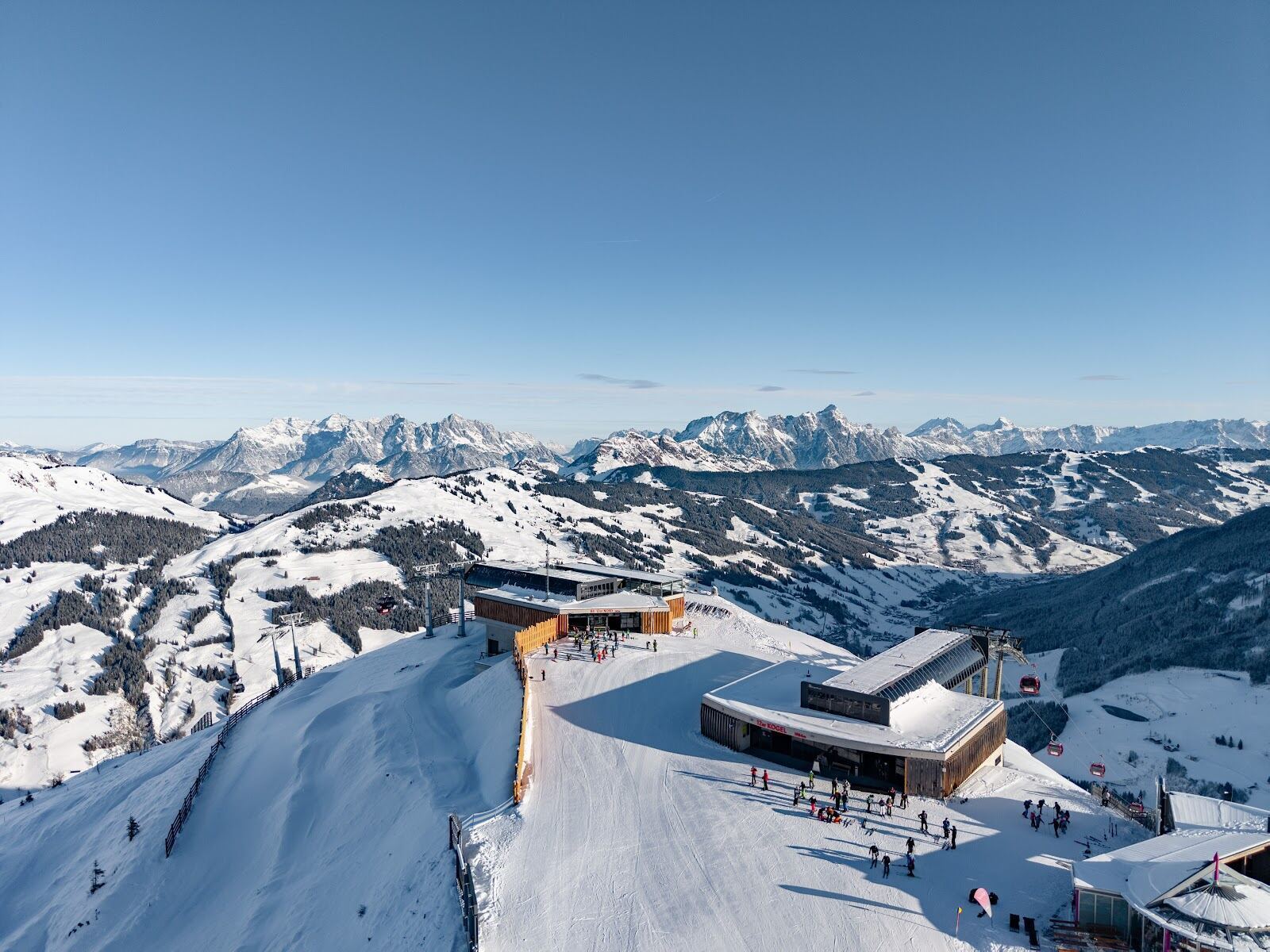
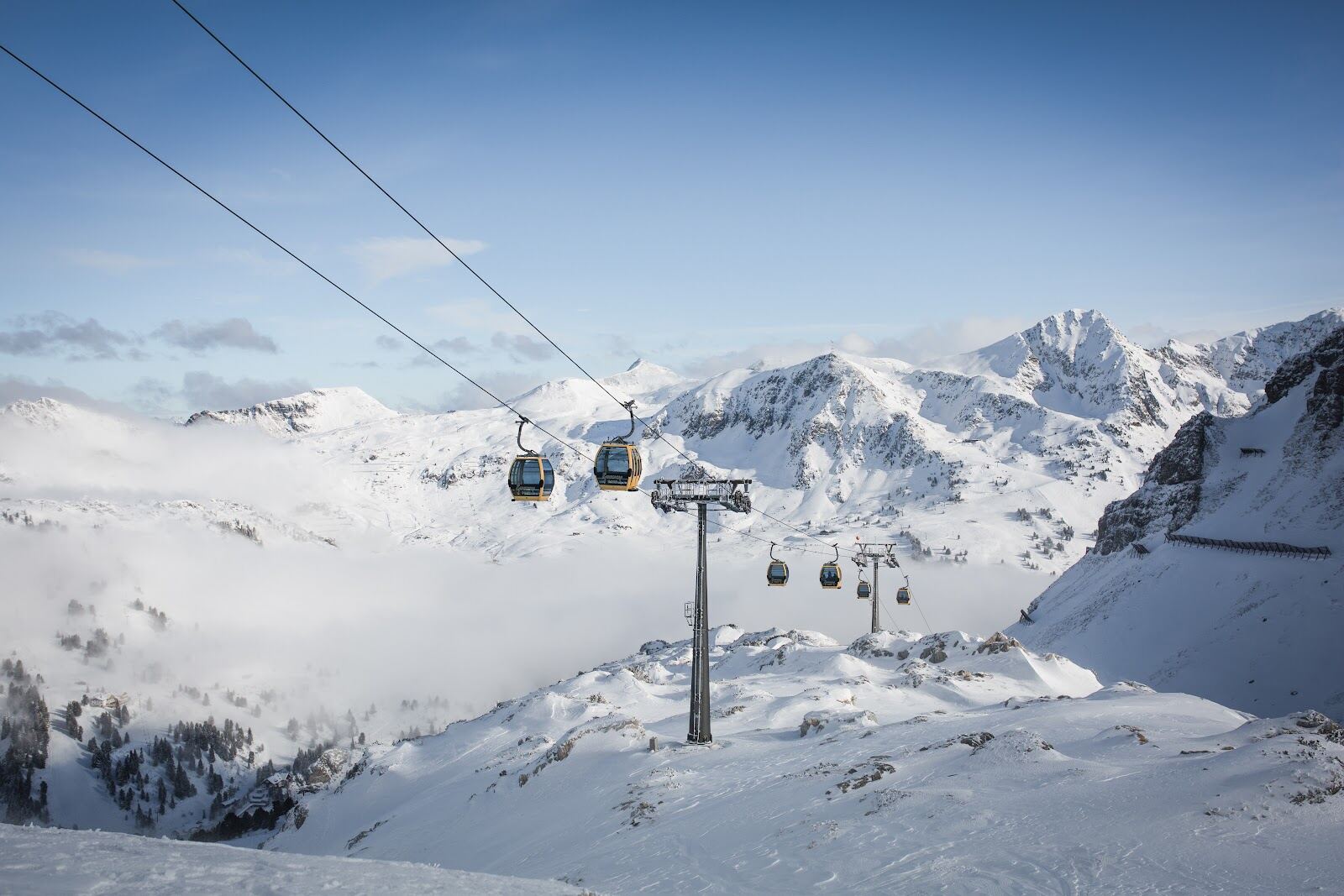
- Zermatt. The most extensive September skiing in Europe, with gentle glacier pistes under the Matterhorn open all year round.
- Hintertux. Open every day of the year, its high glacier skis through September and improves as the autumn nights cool.
- Solden. The Rettenbach glacier is typically scheduled to reopen in late September, signalling the start of the autumn build up.
- Saas Fee. The high Allalin glacier runs through late summer into autumn, a quiet and dependable September training option.
Sources we checked
Common questions
Can you ski in Europe in September?
Yes, but only on the glaciers. No regular winter resort is open, so skiing is limited to high summer glacier areas such as Zermatt, Hintertux, Saas Fee and, from late in the month, Solden's Rettenbach glacier. Expect a few groomed pistes open in the morning, with conditions improving as the autumn nights cool.
Which European glacier skis best in September?
Zermatt offers the most extensive September glacier skiing in Europe, with gentle pistes under the Matterhorn and a top height near 3,900 meters. Hintertux is the other standout, open all year round and improving as September cools. Both depend on temperatures, so check the official lift status for your dates.
What are snow conditions like in September?
They improve through the month. Early September snow can be thin and slushy after a warm summer, with skiing best in the first hours after opening. From mid September, cooler nights firm the surface overnight and the first autumn storms can lift both quality and open terrain by the last week. Treat it as morning skiing throughout.
Is September skiing worth it in Europe?
Only for a specific traveler. It suits racers and clubs in pre season training, pass holders wanting autumn turns, and active visitors who pair a glacier morning with hiking. It is not a ski holiday: there is no resort atmosphere or apres ski, and a week typically lands in the under $2,000 per person off season band.
Book the extras and save
Lift passes, airport transfers and lessons are where a trip quietly leaks money. Booking ahead almost always beats the resort window price.
Compare lift passesBook a transferFind lessonsReserve ski hireTravel insuranceTell us the dates. We price the trip.
Send one brief and vetted chalet companies and tour operators return tailored proposals. Flights, transfers, lift passes and lessons priced for your group. No fee to you, ever.