Skiing in September in The Southern Hemisphere
September is the spring of the Southern Hemisphere ski season, when New Zealand and the high Andes still hold a deep winter base but the days lengthen, the sun softens the afternoon snow and the experience tilts from cold powder chasing toward long, sunny, forgiving days on the piste.
Reviewed for the 2026 season by the Ski Resorts for Kings editorial team
What is the snow actually like in the Southern Hemisphere in September?
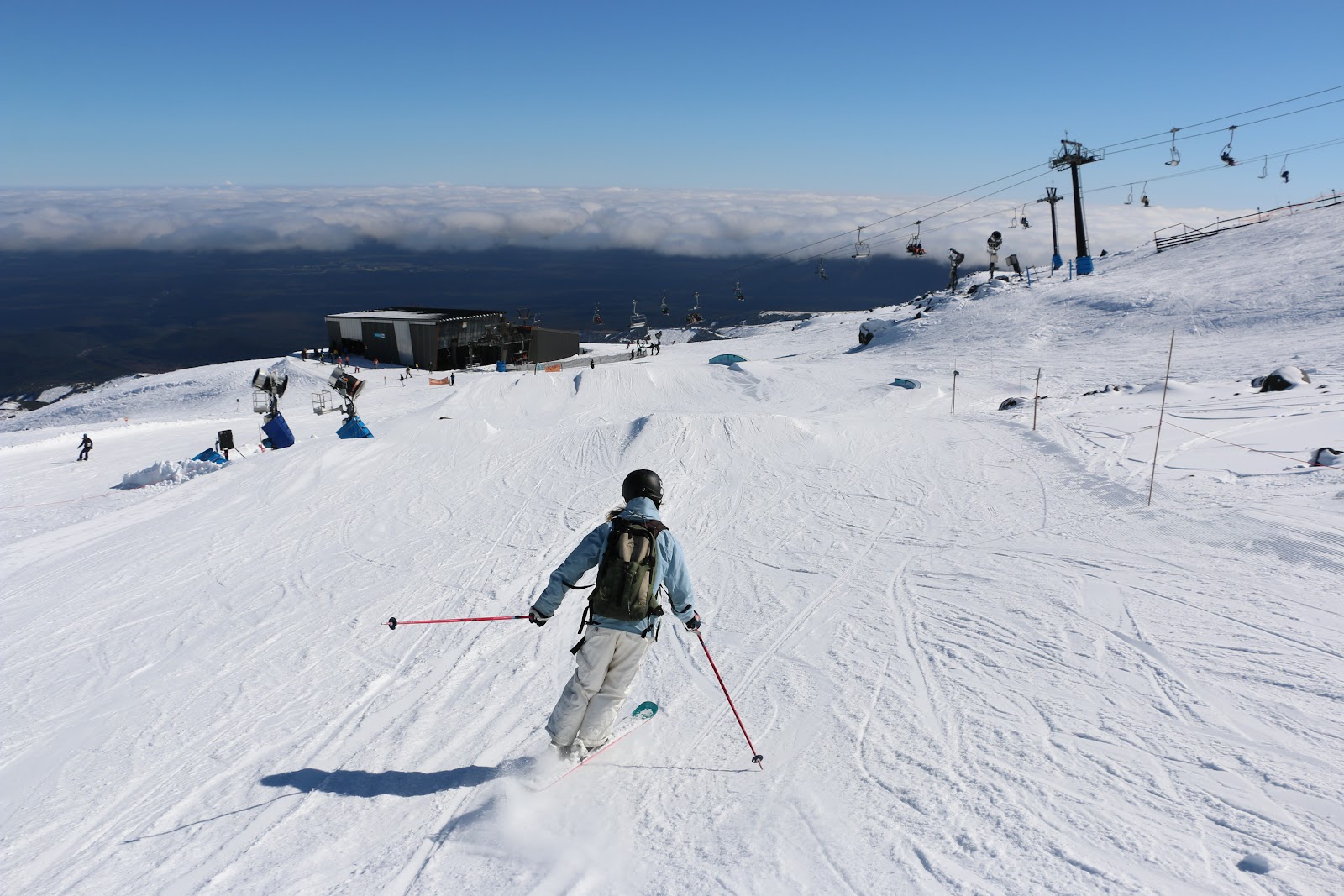
September is the classic spring skiing month south of the equator. By the start of the month the winter has laid a deep, settled base across the higher resorts of New Zealand and the central Andes, so cover is generally good and the marked terrain is fully open. What changes is the character of the snow. Cold midwinter powder gives way to a daily freeze and thaw cycle, so mornings start on firm, fast, well groomed pistes that soften through the day into spring corn, and the prime window is often the middle of the day rather than first light.
Altitude is the deciding factor in September. The high Andes resorts, sitting well above 8,000 feet, and the higher New Zealand fields hold winter quality snow on their upper slopes into mid September, while lower elevations and sunny north facing aspects soften and thin faster. Fresh spring storms still roll through, and a September dump can deliver some of the best days of the whole season, particularly at the snowier New Zealand fields. But by late September the trend is clearly toward melt: coverage tapers, some terrain closes, and the snow becomes a morning and midday game.
The honest summary is that September trades depth of cold for length and warmth of day. You give up the reliability of August powder and gain sunshine, soft afternoon snow and a relaxed, spring mountain feel, with the upper, higher resorts holding the best conditions.
Where should you ski in the Southern Hemisphere in September?
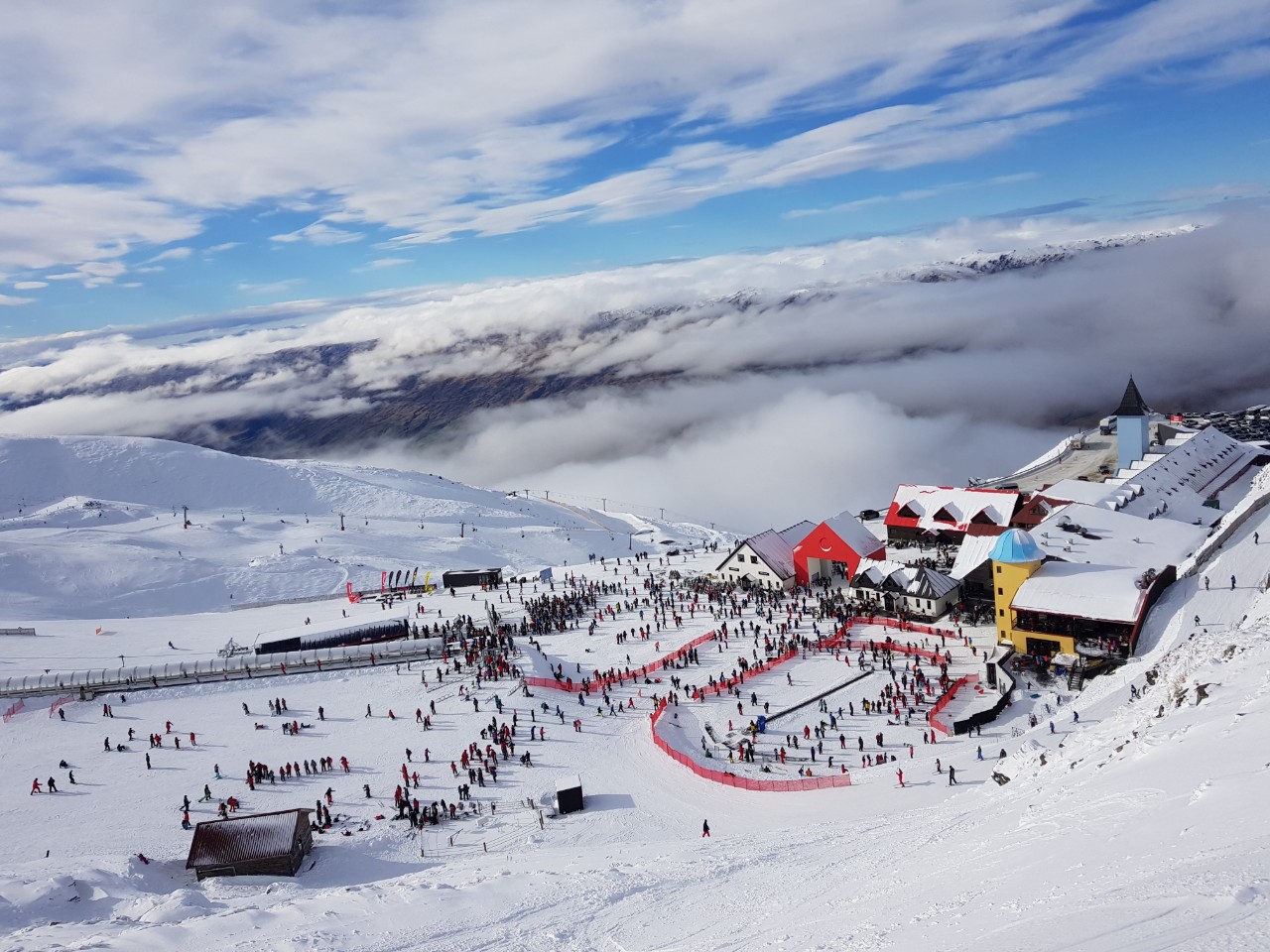
New Zealand is the most accessible September option and still firmly in season early in the month. The Queenstown and Wanaka fields ski well into spring, and Cardrona in particular usually holds snow and stays open into October thanks to serious snowmaking and a high, broad ski area. Treble Cone is the one to watch for spring storms, which can make its late season some of the best skiing of the year, though it tends to close earlier than Cardrona, typically late September. See our guide to skiing in New Zealand and the resorts around Queenstown and Wanaka, including Cardrona and Treble Cone.
The high Andes of Chile and Argentina are the other strong September choice, and their altitude is their advantage. The loftiest resorts hold good snow on the upper mountain into mid September before spring takes hold, offering big terrain and long descents with the bonus of South American sun. Our guide to Southern Hemisphere skiing from June to September lays out the timing and trade offs for both regions so you can match your dates to the best conditions.
Whichever you choose, lean high and lean early in the month. The taller resorts hold winter snow longest, and the first half of September is more reliable than the last week, when melt accelerates and some terrain begins to close.
How busy and how expensive is September in the Southern Hemisphere?
September is generally quieter than the July and August peak, which is one of its quiet advantages. The big winter holiday crowds have passed, so lift lines ease and the resort towns feel calmer, particularly on weekdays. The exception is any local spring holiday period, which can briefly fill the family fields, so it is worth checking the local school calendar for your chosen country before locking dates.
On price, September often sits a notch below midwinter. New Zealand lodging in Queenstown and Wanaka eases from the July peak, and South American operators may offer late season value as the season winds down. A week including long haul flights, lodging, passes, transfers and lessons commonly lands in the $2,000 to $4,000 per person band, with premium ski in ski out stays in the marquee resorts reaching the $4,000 to $8,000 per person range. The flights remain the biggest single cost from the Northern Hemisphere in any month.
The value caveat for September is the same as for any spring month: you are paying for a base that is slowly receding, so the saving is real but it comes with thinner late season cover and the chance that some terrain has closed by the time you arrive.
Who should ski the Southern Hemisphere in September, and who should skip it?
September suits the spring skier who values sunshine, long days and soft afternoon snow over cold midwinter powder. It rewards intermediates and cruisers who love well groomed morning pistes and forgiving spring corn, sun seekers who want a tan with their turns, and anyone who can ski high, where the best September conditions live. For Northern Hemisphere skiers chasing an off season fix without the crowds of midwinter, early September is a sweet spot.
It suits powder devotees less well. If your priority is deep, cold, reliable snow, August is the better Southern Hemisphere month and September is a gamble that pays off mainly at altitude or after a fresh spring storm. Anyone planning for late September should be especially cautious, since melt accelerates and some lower terrain closes, so the back end of the month is best left to flexible skiers who can target the high resorts.
In short, September is the Southern Hemisphere's bright, relaxed spring, ideal for sun and soft snow at the higher resorts, and best skipped by anyone whose trip lives or dies on guaranteed powder.
September in The Southern Hemisphere: the case for and against
| Why September works | What to weigh |
|---|---|
|
|
Where to ski in the Southern Hemisphere in September
For September we would point you first at these, each with our full review:
- Cardrona. High, broad and snowmaking backed, it usually holds spring cover and stays open into October, making it the most reliable September pick in New Zealand.
- Treble Cone. Spring storms can make its late season some of the best skiing of the year, ideal for strong skiers chasing a September powder day before it closes.
- The Remarkables. A sunny, family friendly spring mountain near Queenstown with good groomed terrain for soft September days.
- Mt Hutt. High Canterbury field that holds a solid base into spring, a dependable September choice for well groomed pistes.
Sources we checked
Common questions
Can you ski in the Southern Hemisphere in September?
Yes, September is spring skiing in the Southern Hemisphere. New Zealand and the high Andes still hold a deep winter base early in the month, with long sunny days and afternoon spring snow. The higher resorts hold the best conditions, while lower and sunny slopes thin out as the month goes on.
Is September good for skiing in New Zealand?
Early September is good for spring skiing in New Zealand. Cardrona and the higher fields hold a solid base and stay open into spring, with firm groomed mornings softening through the day. Treble Cone can produce standout spring storm days, though it usually closes in late September while Cardrona runs into October.
What is the snow like in the Andes in September?
The high Andes hold good winter snow on the upper mountain into mid September before spring takes over. Altitude is the key: the loftiest resorts, well above 8,000 feet, keep colder, better snow longest, while lower and north facing slopes soften and thin. By late September coverage tapers and some terrain closes.
How much does a September Southern Hemisphere ski trip cost?
A week commonly lands in the $2,000 to $4,000 per person band including long haul flights, lodging, passes, transfers and lessons, with premium ski in ski out stays reaching $4,000 to $8,000 per person. September often costs a little less than the July and August peak, though airfare from the Northern Hemisphere is the biggest single cost in any month.
Book the extras and save
Lift passes, airport transfers and lessons are where a trip quietly leaks money. Booking ahead almost always beats the resort window price.
Compare lift passesBook a transferFind lessonsReserve ski hireTravel insuranceTell us the dates. We price the trip.
Send one brief and vetted chalet companies and tour operators return tailored proposals. Flights, transfers, lift passes and lessons priced for your group. No fee to you, ever.