Ischgl Ski Resort Review 2026
Ischgl is the apres ski capital of the Alps, paired with a genuinely excellent, snow sure high altitude ski area of around 240 km that links across the border into duty free Samnaun in Switzerland. The skiing is high, well groomed and built for confident intermediates who want big mileage. The same energy that makes the parties famous is exactly why young families and quiet seekers should look elsewhere.
By the Ski Resorts for Kings editorial team · Last reviewed June 2026
Mountain stats at a glance
| Resort altitude | around 1,400 m in the village of Ischgl |
|---|---|
| Top lift | around 2,870 m at Palinkopf and Greitspitze |
| Vertical | roughly 1,500 m |
| Pistes | around 240 km across the Silvretta Arena with Samnaun |
| Run split | roughly 20 percent blue, 65 percent red, 15 percent black |
| Lifts | around 45 modern lifts |
| Season | roughly late November to early May thanks to the high altitude |
| Nearest airport | Innsbruck, roughly a 1 hour 30 minute transfer, or Zurich around 2 hour 30 minutes |
| Day pass | around $70 for the Silvretta Arena |
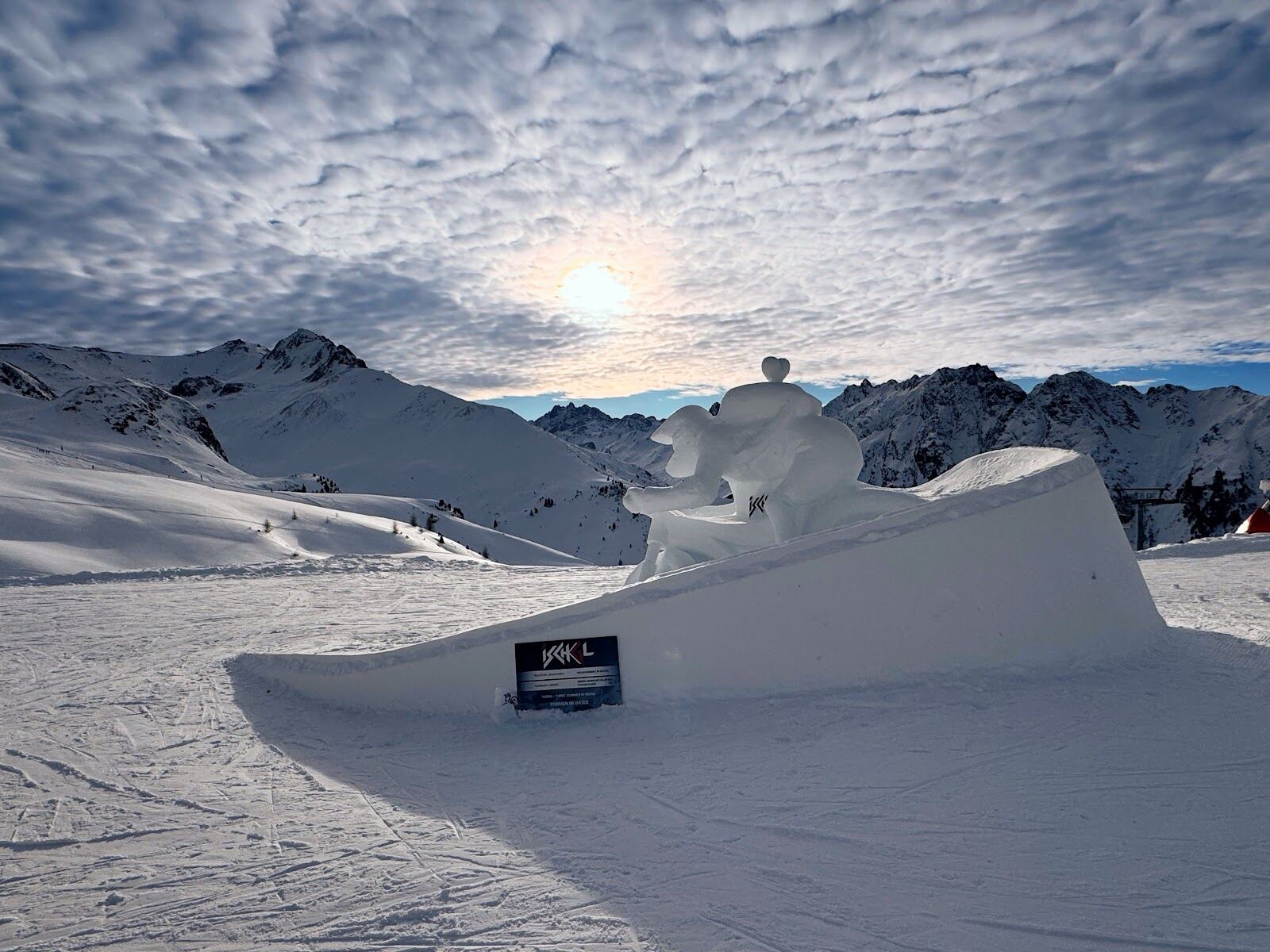
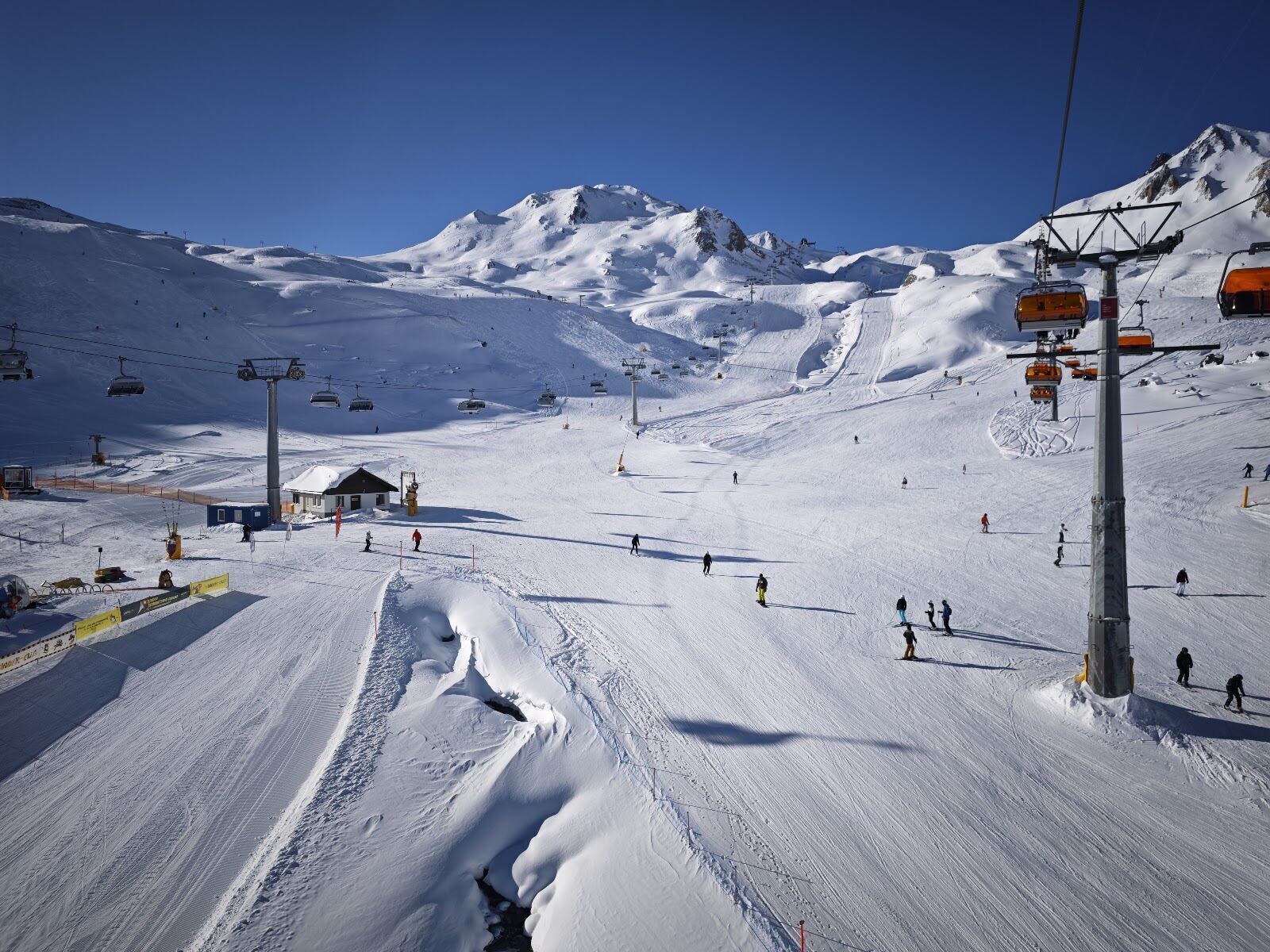
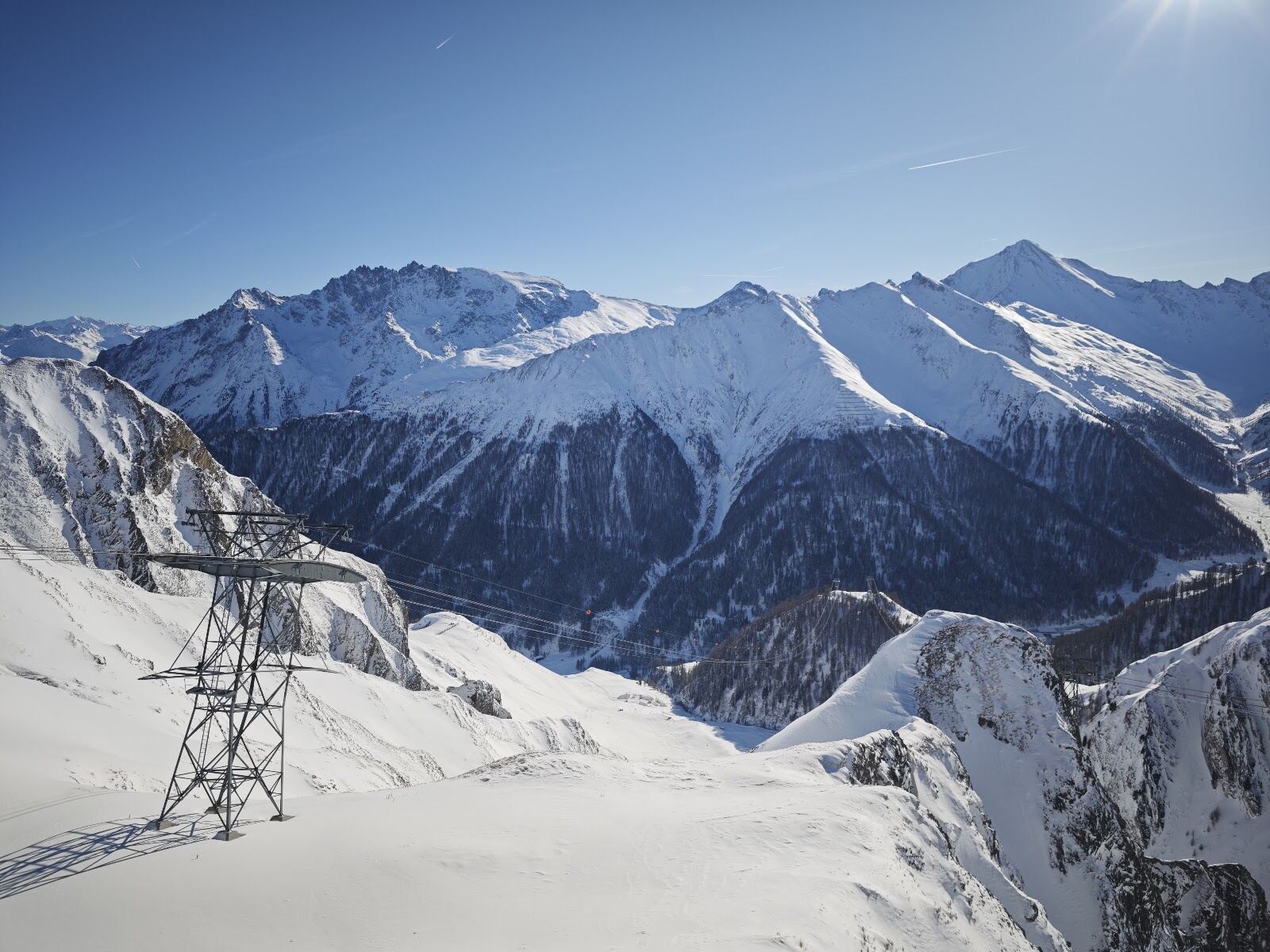
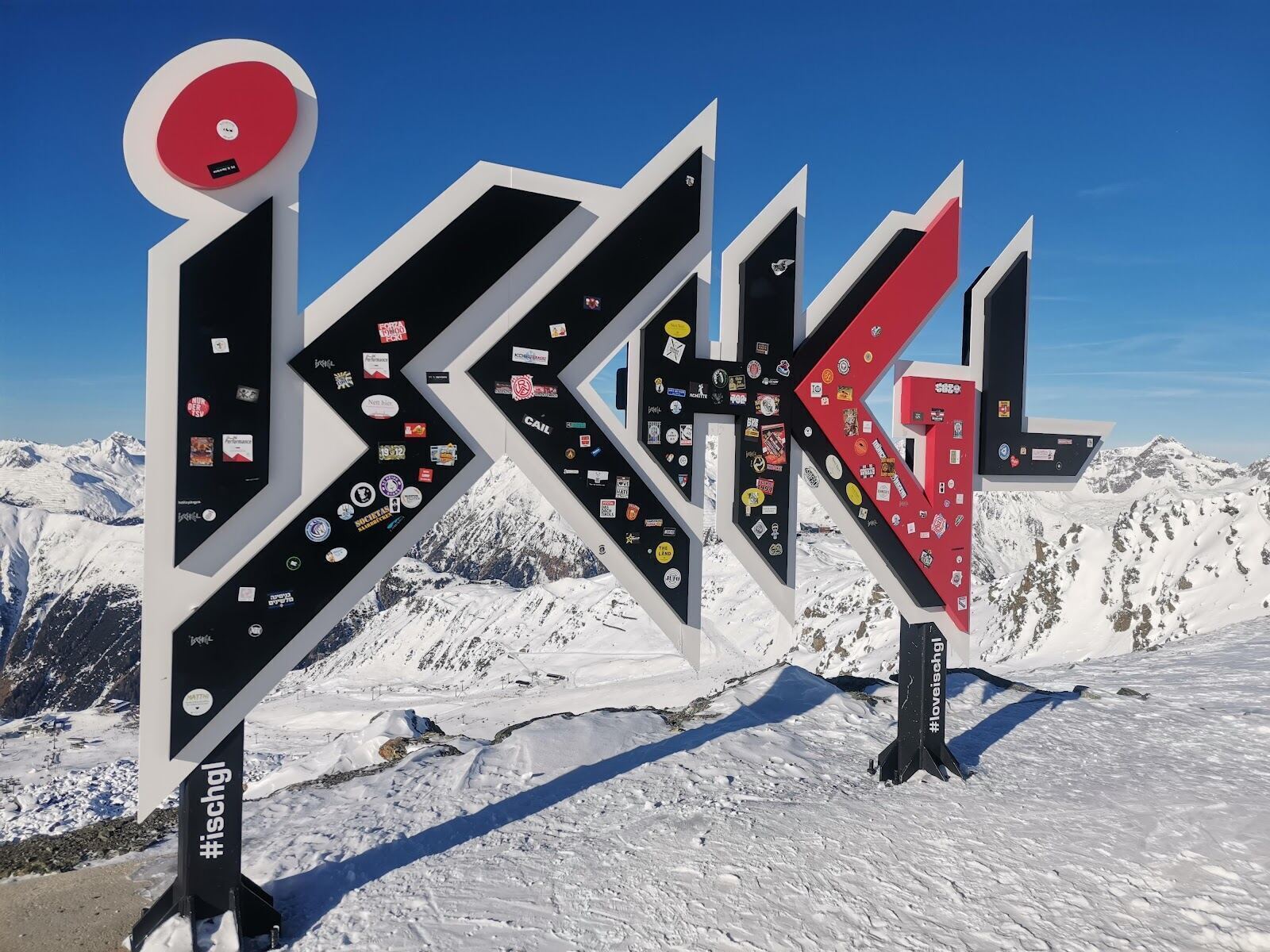
Photos via Google. Contributed by J W, Kauz Eugen, Peter Kemp.
Who it suits
The skiing
Ischgl is one of the most snow sure resorts in Austria because almost all of its skiing sits high, with the bulk of the terrain above 2,000 m and the top lifts near 2,870 m. That altitude lets it run a long season from late November to early May and keep its pistes in excellent shape when lower Tyrolean resorts struggle. For a reliable snow trip with big mileage, it is a strong bet.
The skiing is tailor made for confident intermediates. Around 240 km of wide, beautifully groomed pistes spread across the Silvretta Arena, served by a modern, high capacity lift system that keeps queues short even in peak weeks. You can rack up enormous distances in a day, including the cross border run to Samnaun in Switzerland, famous for its duty free shopping at the bottom.
Experts get less than the terrain stats might suggest. There is decent off piste after a storm, some marked ski routes and a couple of real blacks, but Ischgl is fundamentally a cruising mountain. Hard core steep skiers are better served at St Anton, while Ischgl rewards those who want to cover ground in comfort.
The village
Ischgl sits in the Paznaun valley at around 1,400 m and is, above all, a party town. The pedestrian center fills from mid afternoon as skiers pour off the mountain into the bars, and the resort is famous for its season opening and closing concerts that have drawn some of the biggest names in pop. The energy is the product, and the resort leans into it without apology.
Apres ski here is on another level. The Trofana Alm, the Kuhstall and the Kitzloch are institutions, and the action runs from the slopes in the afternoon through to the small hours in the village clubs. If a big night out is part of your ideal ski trip, few places do it better.
The flip side is obvious. Ischgl is not a quaint, traditional village and it is not quiet. The architecture is functional, the streets are lively well into the night, and that atmosphere is wonderful for some travelers and exhausting for others. Know which camp you are in before you book.
Where to stay
Ischgl has a strong range of comfortable four star hotels and apartments, many with excellent spas, plus some catered options, mostly within walking distance of the gondolas in the compact center. For the easiest skiing, stay near the Silvretta or Pardatschgrat lifts. For a slightly calmer night, look at the neighboring Paznaun villages of Galtur, Kappl or See, which share the valley and the views.
Our overview of how to book a catered chalet covers what to check before you pay a deposit. If you want quotes for an Ischgl stay on your dates, use the short form here and we will route it to operators who know the resort.
Lift pass prices and how to save
A day on the Silvretta Arena costs around $70, with multi day passes lowering the daily rate and representing far better value for a week. The single pass covers the whole cross border area including Samnaun, so there is no need to buy separately for the Swiss side. As almost everywhere, booking ahead beats the resort window price.
Compare current prices and buy ahead through our lift pass partner.
Lessons and ski hire
Ischgl has well run ski and snowboard schools with reliable English lessons for adults and children, though the resort skews toward confident skiers rather than first timers. Book lessons early for peak weeks, and reserve gear in advance to save money and skip the arrival day queue. Strong skiers wanting off piste should book a guide after fresh snow.
Arrange lessons through our lessons partner and gear through our ski hire partner.
Getting there
Ischgl is reachable and well connected. Innsbruck is roughly a 1 hour 30 minute transfer, Zurich is around 2 hour 30 minutes and Friedrichshafen is a similar drive, which gives plenty of flight options. The roads up the Paznaun valley are good, and many visitors drive or take a transfer rather than rely on trains, since the nearest mainline station at Landeck is a further connection away.
Book an airport transfer through our transfer partner, and sort cover through our travel insurance partner before you travel.
When to go
Ischgl runs a long season from late November to early May thanks to its altitude, and the bookend concert weekends are a spectacle in themselves. January and February deliver the coldest, most reliable snow and the full party in flow. Late season skiing in April stays strong here when lower resorts soften, and the spring sun makes for superb cruising. Christmas, New Year and the February peak weeks are the busiest and priciest.
The honest bottom line
Ischgl earns its reputation twice over, as the apres ski capital of the Alps and as one of the best high altitude intermediate cruising areas in Austria. If you are a confident skier who wants reliable snow, big mileage and a legendary night out, it is hard to beat. Young families, beginners and anyone seeking a quiet, traditional village should look to a gentler Tyrolean resort. For mixed groups of strong skiers who like to play hard on and off the snow, it is a brilliant choice.
If you want this trip priced by specialists, tell us your dates and budget below and we will route your brief to operators who know Ischgl.
Nearby alternatives
Staying in the area but want to compare? Consider St Anton for steeper terrain and an equally famous apres scene, Solden for two glaciers and high altitude snow, and Serfaus Fiss Ladis for a calmer, family friendly alternative nearby.
Common questions
Is Ischgl really the best apres ski resort in the Alps?
Ischgl is widely considered the apres ski capital of the Alps. The afternoon scene at venues like the Trofana Alm and the Kuhstall is legendary, the village stays lively into the small hours, and the resort hosts famous season opening and closing concerts. Few places match it for sheer nightlife.
How snow sure is Ischgl?
Very. Almost all of Ischgl's skiing sits above 2,000 m, with top lifts near 2,870 m, so it runs a long season from late November to early May and keeps good snow when lower resorts struggle.
Is Ischgl good for families?
Not especially for young families. Ischgl is a party resort with high, fast terrain and a busy late night scene. Older teenagers who ski well can enjoy it, but families wanting calm are better served at Serfaus Fiss Ladis or a quieter Tyrolean village.
How big is the Ischgl ski area?
Ischgl anchors the Silvretta Arena, which offers around 240 km of pistes and links across the border to Samnaun in Switzerland. It is dominated by wide, well groomed red runs, which makes it superb for confident intermediates.
How far is Ischgl from the airport?
Ischgl is roughly a 1 hour 30 minute transfer from Innsbruck, around 2 hour 30 minutes from Zurich, and a similar drive from Friedrichshafen. Many visitors drive or take a private transfer up the Paznaun valley.
How much does a week in Ischgl cost?
A comfortable week typically lands in the $2,000 to $4,000 per person band including hotel or apartment, with value possible under $2,000 and premium spa hotels above $4,000. Lift passes run around $70 a day, plus flights, transfers, lessons and a generous apres ski budget.