Ischgl Village Guide 2026
Ischgl is the apres ski capital of the Alps, a high energy resort town at the head of the Paznaun valley that pairs the most famous nightlife in skiing with a genuinely excellent, snow sure high altitude ski area. It sits at around 1,400 m with lifts climbing to about 2,870 m, and the modern Silvretta Arena rolls out around 240 km of well groomed pistes that link over the border into duty free Samnaun in Switzerland. Come here for big mileage cruising, reliable snow late into the season and parties that are the stuff of legend. Stay away if you want a quiet, quaint old village, a calm family week or a romantic hideaway, because Ischgl is loud, modern and built around its nightlife. For the romantic the magic is up high at dawn, on empty groomers under big peaks before the crowds and the music arrive.
By the Ski Resorts for Kings editorial team · Last reviewed May 2026
Ischgl at a glance
| Village altitude | around 1,400 m at the head of the Paznaun valley in the Tyrol |
|---|---|
| Ski area | the Silvretta Arena, around 240 km of pistes linked to Samnaun in Switzerland |
| Top lift | around 2,870 m at Palinkopf and Greitspitze |
| Village type | modern resort town, known above all for apres ski and nightlife |
| Best for | apres ski, confident intermediates, big mileage, snow reliability |
| Nearest airport | Innsbruck, around 1h 30m by road, with Zurich around 2h 30m |
| Area day pass | around $70 for the Silvretta Arena |
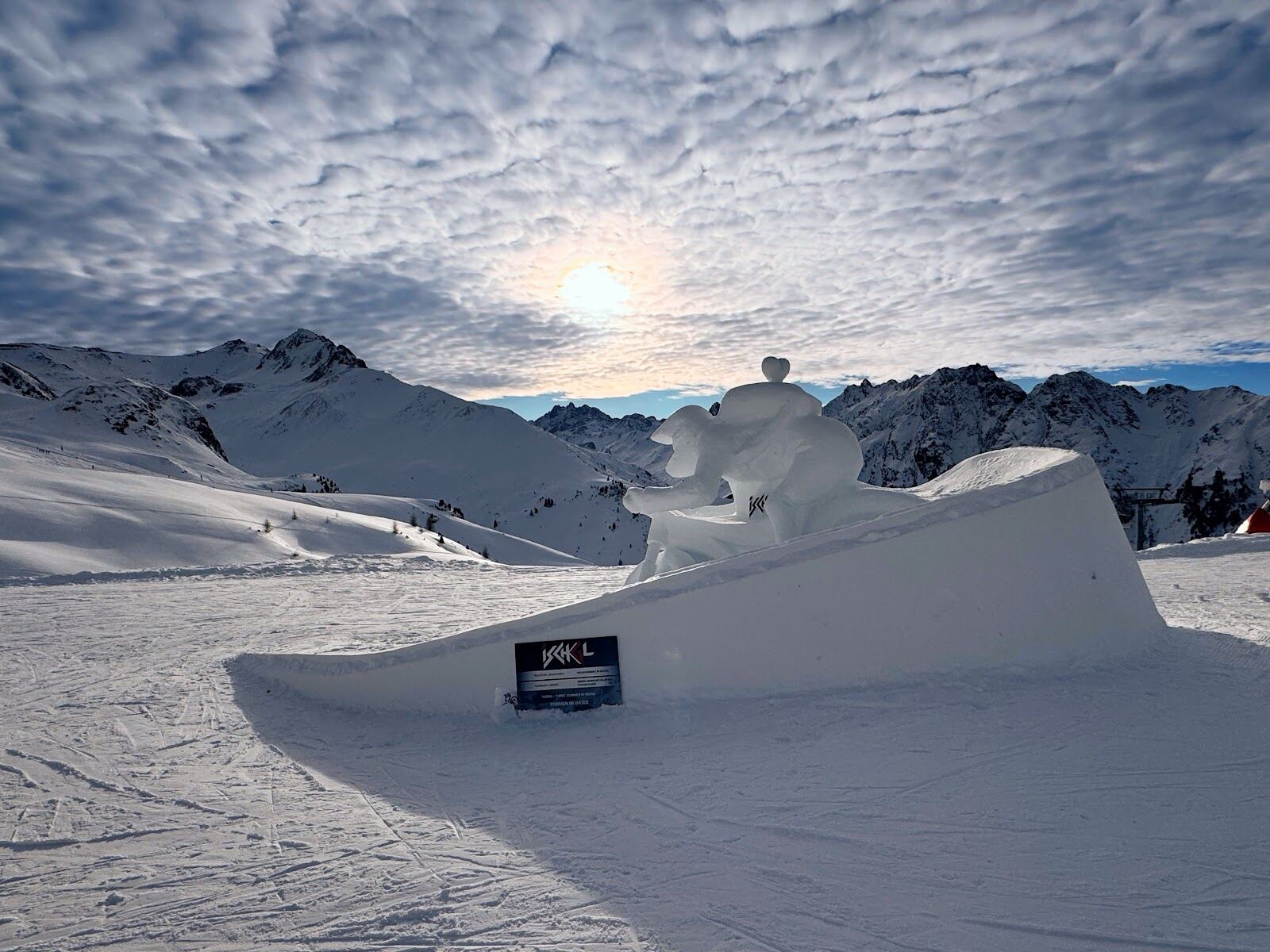
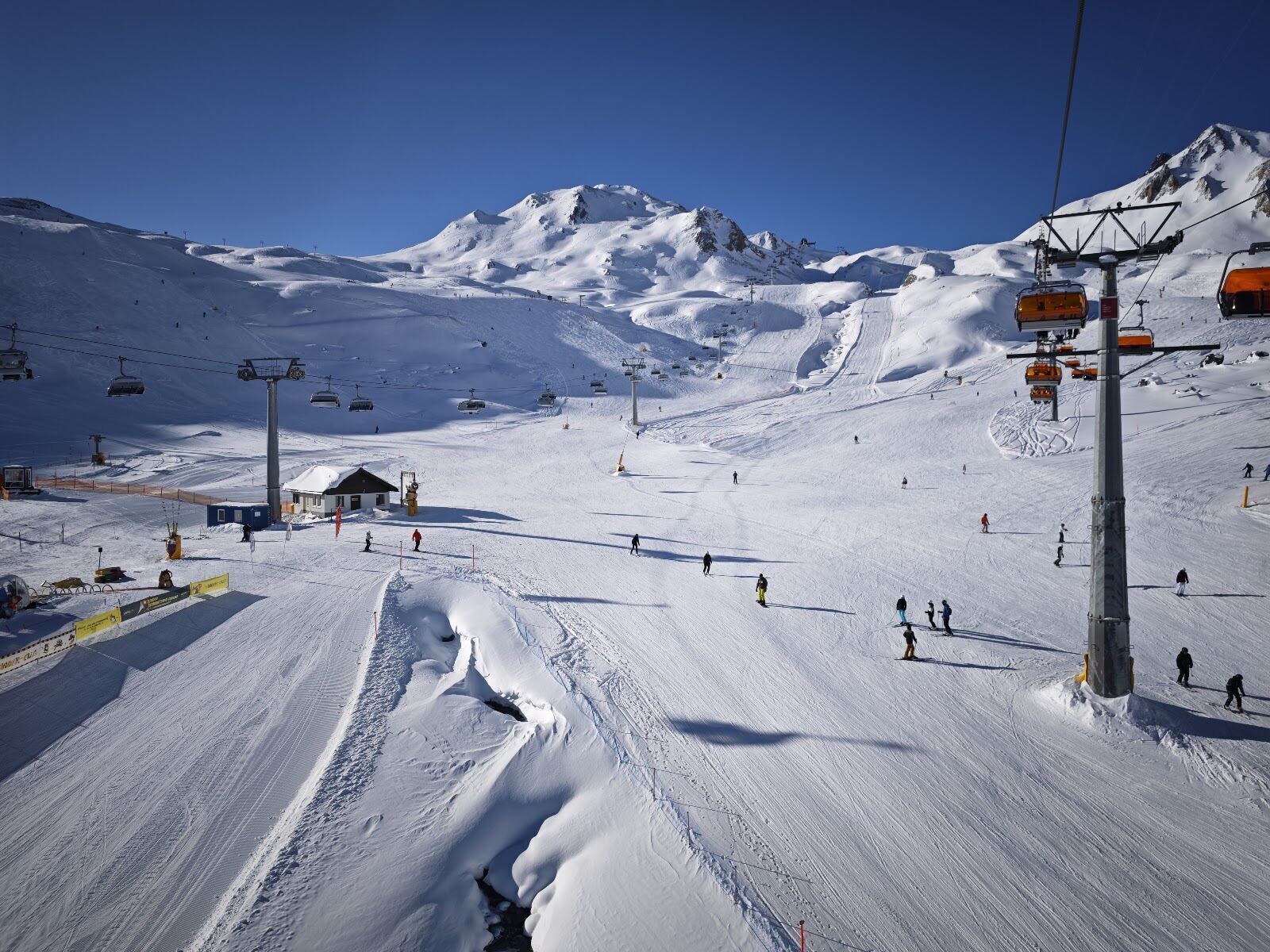
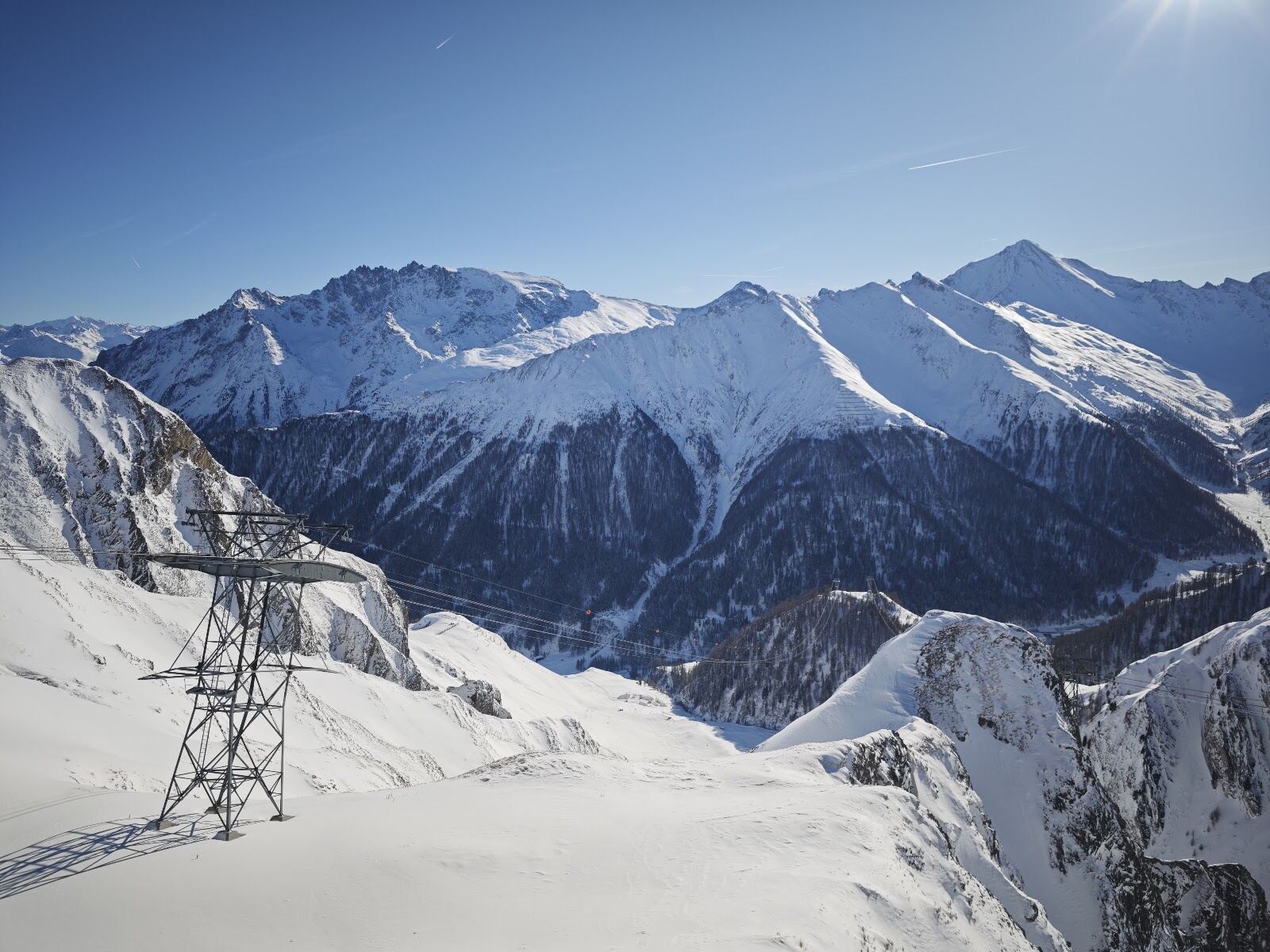
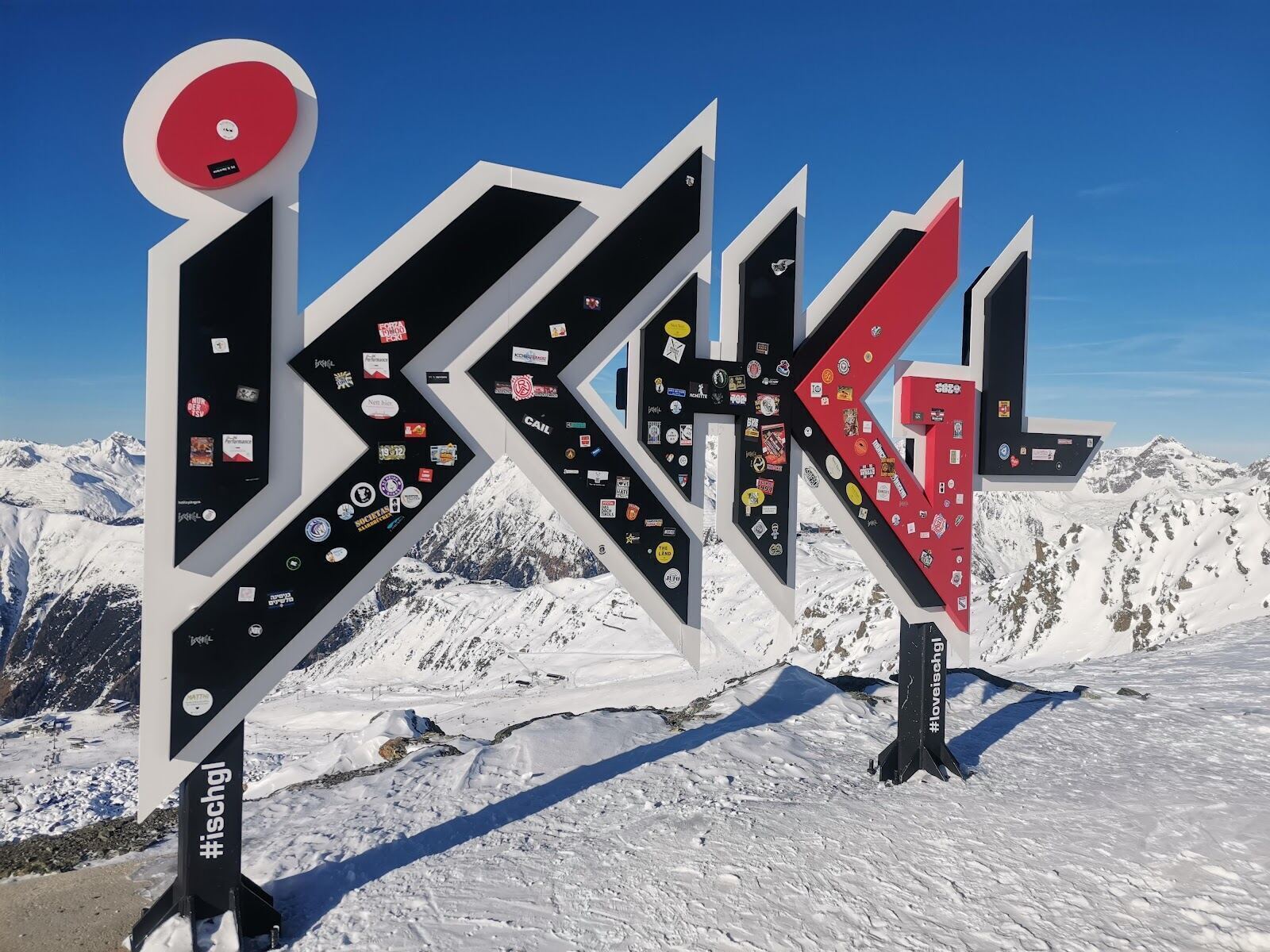
Photos via Google. Contributed by J W, Kauz Eugen, Peter Kemp.
What Ischgl is really like
Ischgl is a place that knows exactly what it is. By day it is one of the best high altitude ski areas in Austria, all big modern lifts and immaculate red runs, and by late afternoon it transforms into the loudest, most committed apres ski scene in the Alps. The village itself is a compact, modern resort town of large hotels rather than a chocolate box hamlet, designed around skiing hard and partying harder. If that sounds like a warning, it is also the honest appeal: few places do energy like Ischgl.
The skiing is high and reliable, with lifts climbing to around 2,870 m and pistes that link across the Swiss border into duty free Samnaun, so the snow holds well and the mileage is huge. This is a resort that rewards strong intermediates who want to cover ground and then celebrate it. For the full terrain and ratings breakdown see our Ischgl ski resort review.
Where to stay in Ischgl
Ischgl is full of large, comfortable four star hotels, many with serious wellness areas, plus apartments and a smaller number of smart five star options. Most central hotels put you within a short walk of the lifts and the bars, which is the point here, so you choose on comfort, spa and how close to the noise you want to be. Expect Austrian quality at prices in the $2,000 to $4,000 band per person for most comfortable stays, climbing into the $4,000 to $8,000 range at the top end.
Light sleepers and anyone wanting calm should ask for a room away from the main bar strip, because the apres ski runs loud and late in the center. Couples and groups who have come for the scene will want to be right in the thick of it. Wherever you stay, a good spa is worth seeking out, because soaking after a big day on the snow is one of the real pleasures of an Ischgl evening. Use the short form below to have your dates and group priced quickly.
Skiing from the village
Ischgl's skiing is high, modern and built for confident cruisers. Three big lifts rise from the edge of the village into the Silvretta Arena, where around 240 km of mostly red, beautifully groomed pistes roll across the high bowls and over the border to Samnaun. The altitude keeps the snow reliable from late November into early May, and the sheer scale means you can ski all week without repeating yourself. For a strong intermediate who loves fast, immaculate motorway pistes, this is close to ideal.
Be honest about what is missing. There are few gentle nursery slopes in the village itself and the terrain leans toward confident reds rather than easy blues, so true beginners and nervous skiers are better served elsewhere. Experts will find good off piste and a long famous run down to Samnaun, but the lift served pitch is more about cruising than steep challenge. The honest line is that Ischgl is brilliant for big mileage intermediates and merely fine for absolute beginners and steep hungry experts.
Apres ski and evenings
This is what Ischgl is famous for, and it lives up to the billing. The apres starts on the mountain in the afternoon and pours down into the village, where legendary bars run from ski boots straight through to the small hours, and the resort hosts huge headline concerts at the start and end of the season. If you have come to dance on tables in your salopettes, there is nowhere in the Alps that does it bigger or better.
The flip side is that there is little quiet here in peak weeks, and the village mood is energy rather than romance. The romantic angle in Ischgl is found earlier and higher: a still dawn on the empty groomers, the peaks of the Silvretta turning gold, a long lunch on a sunny terrace before the music takes over. Come knowing what the evenings are, and Ischgl delivers exactly what it promises. For how it ranks, see our pick of the best apres ski resorts in Austria.
For families and non skiers
Ischgl is not a natural family choice, and we say so plainly. The nightlife dominates the village, the terrain skews toward confident reds rather than gentle beginner slopes, and the atmosphere in peak weeks is loud and adult. Families with young children will have a calmer, easier week in a quieter Tyrolean village. Older teenagers who ski well and families who do not mind the buzz can still have a great time on the excellent high pistes.
Non skiers get a mixed deal. There are good spas, smart shops, mountain restaurants and the easy pleasure of riding lifts up for the views and a long lunch, but Ischgl is built around skiing and partying rather than gentle daytime activities, so a non skier looking for charm and calm may feel the village is not really aimed at them.
Getting around
Ischgl is compact, so most hotels are an easy walk to the three village lift stations and to the bars, and you rarely need transport inside the resort. A free ski bus runs along the Paznaun valley to the neighbouring villages of Galtur, Kappl and See, which share the wider lift pass and offer quieter skiing and a calmer base if you want to dip in and out. A car is not necessary in the village, though it can help for exploring the valley.
Getting there
Ischgl is one of the more accessible big Austrian resorts. Innsbruck is around 1 hour 30 minutes away by road, and Zurich is around 2 hours 30 minutes, giving you two good airport options, while Austria's trains run to Landeck from where a bus or transfer climbs the Paznaun valley to the resort. Arrange a transfer or car through our transfer partner, and put cover in place through our travel insurance partner before you travel. For the wider area see our Tyrol region guide.
Lift passes, lessons and ski hire
The Silvretta Arena day pass runs around $70 and covers the full linked area including the runs over to Samnaun, with the duty free shopping there a fun bonus on the way home. A wider Paznaun pass adds the neighbouring villages of Galtur, Kappl and See if you want to roam. Compare current pass options through our lift pass partner, book lessons or a guide through our lessons partner, and sort skis or a board through our ski hire partner before you arrive to skip the queues.
When to go
Ischgl has one of the longest and most reliable seasons in Austria thanks to its altitude, running dependably from late November into early May. The big season opening and closing concerts draw huge crowds and a party atmosphere, so book early if that is the draw and avoid those weeks if it is not. January and February bring the coldest, deepest snow and the classic high winter scene, while March and April offer longer sunny days that are glorious on the high groomers, with the altitude keeping the snow in good shape late on.
The honest bottom line
Ischgl is the apres ski capital of the Alps backed by a seriously good high altitude ski area, a modern resort town where big mileage cruising by day meets the most famous nightlife in skiing by night. For confident intermediates who want reliable snow, huge groomed pistes and a party to remember, there is nowhere quite like it, and the early morning hours up high are genuinely beautiful.
The honest trade off is character and calm. This is a loud, modern resort built around its nightlife, not a quaint old village, and it is a poor fit for young families, nervous beginners or anyone after a peaceful romantic week. If charm and quiet matter most, choose a gentler Tyrolean village instead. But if you want top class snow sure skiing and the biggest party in the Alps, Ischgl is in a class of its own. If you want this trip priced by specialists, tell us your dates and budget below and we will route your brief to operators who know Ischgl and the Tyrol.
Get chalet and lodging quotes
For a faster quote on where to stay in Ischgl, send the short form below and operators who know the Tyrol will price your dates and group, including whether a spa hotel near the lifts or a quieter room away from the bar strip suits your trip.
Common questions
Is Ischgl really the apres ski capital of the Alps?
Yes, it has a strong claim to the title. The apres starts on the mountain in the afternoon and runs late in the village bars, and the resort hosts huge season opening and closing concerts. If nightlife is your priority, few resorts in the Alps match Ischgl for scale and energy.
Is Ischgl snow sure?
Very. The Silvretta Arena is high, with lifts to around 2,870 m, so the snow holds dependably from late November into early May. The altitude and modern snowmaking make it one of the safer bets in Austria for reliable cover early and late in the season.
Is Ischgl good for beginners?
Not especially. There are few gentle nursery slopes in the village and the terrain leans toward confident red runs, so true beginners and nervous skiers are better served by a gentler Tyrolean resort. Strong intermediates, by contrast, are exceptionally well looked after.
Is Ischgl suitable for families?
It is not a natural family choice. The loud nightlife dominates the village, the slopes skew toward confident reds, and the peak week atmosphere is adult. Families with young children will usually have a calmer, easier week in a quieter Paznaun valley village such as Galtur or Kappl.
How do you get to Ischgl?
Innsbruck airport is around 1 hour 30 minutes away by road and Zurich around 2 hours 30 minutes, giving two good options. Austria's trains run to Landeck, from where a bus or transfer climbs the Paznaun valley to the resort. A car is not needed in the compact village.
Can you ski to Switzerland from Ischgl?
Yes. The Silvretta Arena links over the border to Samnaun in Switzerland on the same lift pass, with a long run down and the bonus of duty free shopping there. It is one of the highlights of skiing the area and easy to do as part of a normal day on the snow.
Plan your Ischgl trip with specialists
Send one brief and vetted operators return tailored proposals covering the right base, hotel, transfers, passes and lessons. No fee to you, ever.