See Ski Resort Review 2026
See is the value play of the Paznaun valley, a quiet farming village at around 1,000 m with roughly 40 km of mostly red pistes, a day pass near $50, and Ischgl's 240 km megapass a 15 minute drive up the road. The numbers tell the story: you trade about 200 km of terrain and all of the nightlife for a price that runs a third to a half below the marquee resorts, in a calm, snow holding bowl that tops out near 2,400 m. Book it if you are a family or a budget minded intermediate who wants short transfers, real Tyrolean quiet and big skiing within reach; skip it if you want a self contained large area, lively apres ski, or guaranteed mileage without a drive, because on its own See is small.
A quiet, low cost Paznaun family station with around 40 km of mostly red pistes, best for families and value seekers who will drive to Ischgl for a big day.
See sits at around 1,000 m and skis up to about 2,400 m, roughly 40 km of pistes weighted to red, with a day pass near $50. It suits families, beginners and budget intermediates who value quiet and short transfers; experts and apres ski seekers will find it small and quiet.
How it scores for your group
Families. Very good. See is a calm, low traffic village with a single connected mountain, a ski school and nursery area at the base, and a transfer near 1h 15m from Innsbruck. Prices are among the lowest in the Tyrol, which matters most when you are buying four or five passes. The lack of through traffic and nightlife is a feature for families, not a flaw.
Beginners. Good. The base area has gentle learning ground and a handful of blue progressions higher up, enough for a first week. It is not a vast nursery network, so fast improvers will run out of easy terrain in three or four days and start eyeing the reds.
Intermediates. Good. This is the core audience for See's own 40 km, which leans about 60 percent red. Confident cruisers get two to three varied days here, then use the shared Paznaun region pass or a short drive to Ischgl's 240 km for the big mileage. As a base, the combination is strong value.
Experts. Modest. A few blacks and some off piste lines off the top after snow give strong skiers a day, but See is not a steep terrain destination. The honest move for experts is to base here for the price and drive the 15 minutes to Ischgl for the serious terrain.
Non skiers. Modest. See offers winter walking, tobogganing and quiet village life, but it is a small place with limited shops, spas or excursions. Non skiers who want bustle, variety or big town amenities should look to a larger resort.
Terrain by ability
See skis as a single compact mountain rising from the village at around 1,000 m to about 2,400 m, a vertical near 1,400 m across roughly 40 km of pistes. The split is intermediate heavy, around 60 percent red, with about 25 percent blue and a small black share, so the typical day is mid gradient cruising with a couple of steeper pitches to test yourself on. The terrain is well grouped on one sector, which keeps the small area easy to navigate and quick to ski end to end.
Snow reliability is solid for the altitude because the bowl faces favorably and holds cover well into the season, supported by snowmaking on the main runs; January and February are the dependable core, with December and late season more weather dependent at village level. The real headline is location: See is the lowest cost gateway of the Paznaun, with Kappl, Galtur and Ischgl strung up the same valley, so a regional pass or a short drive turns a 40 km resort into access to several hundred kilometers. Treat See as a quiet, affordable base camp rather than a standalone area and the math works strongly in your favor.
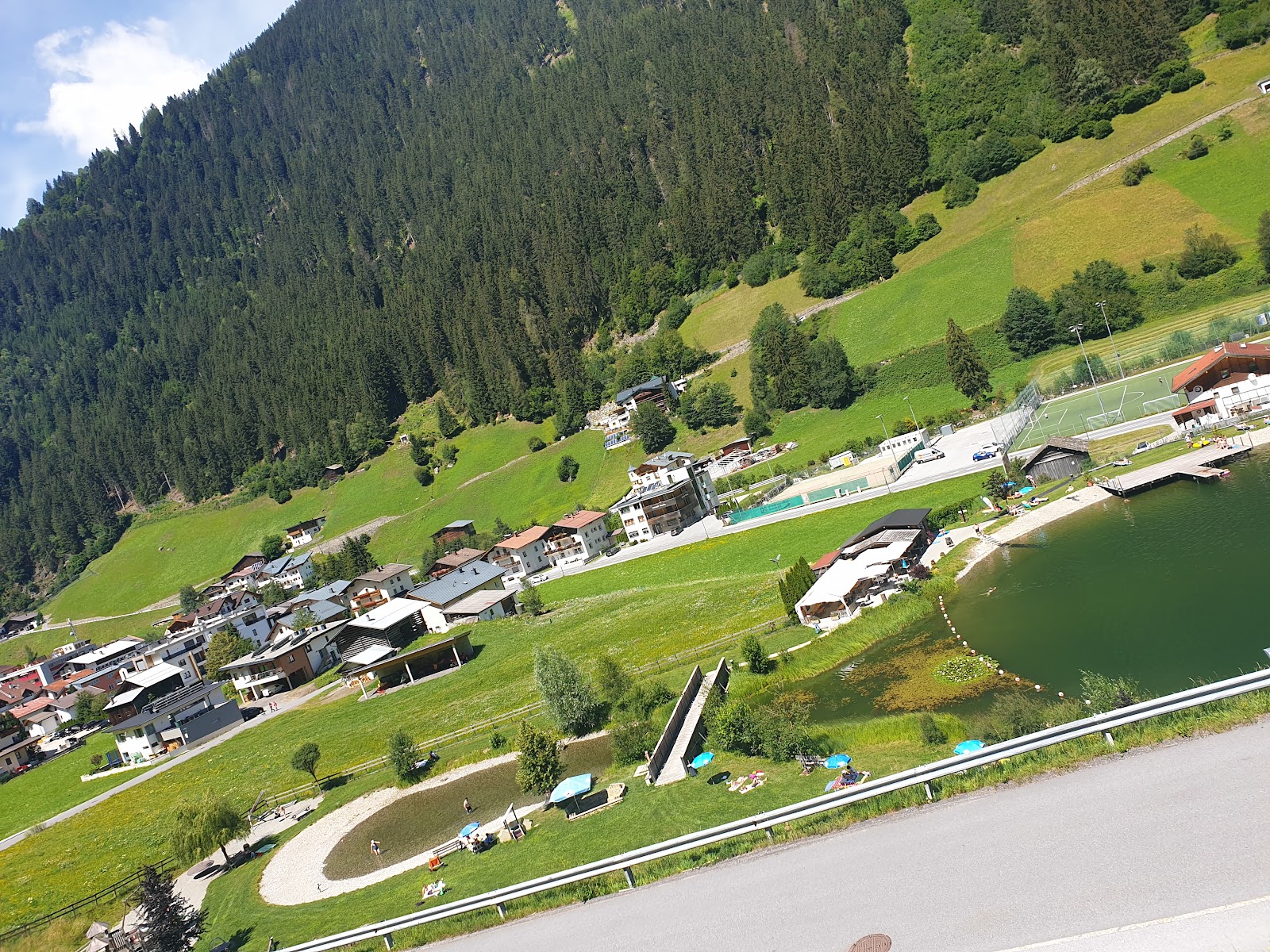
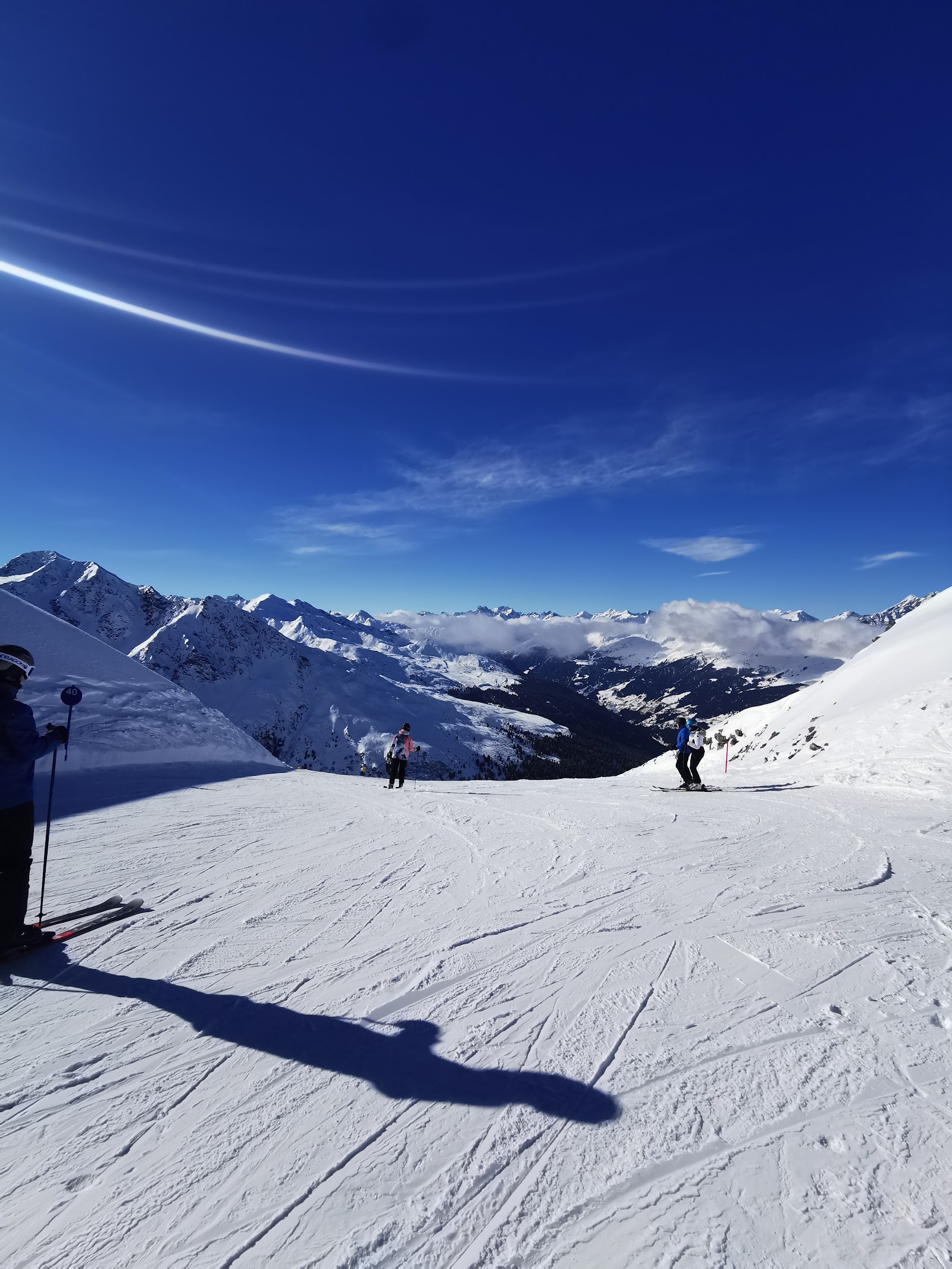
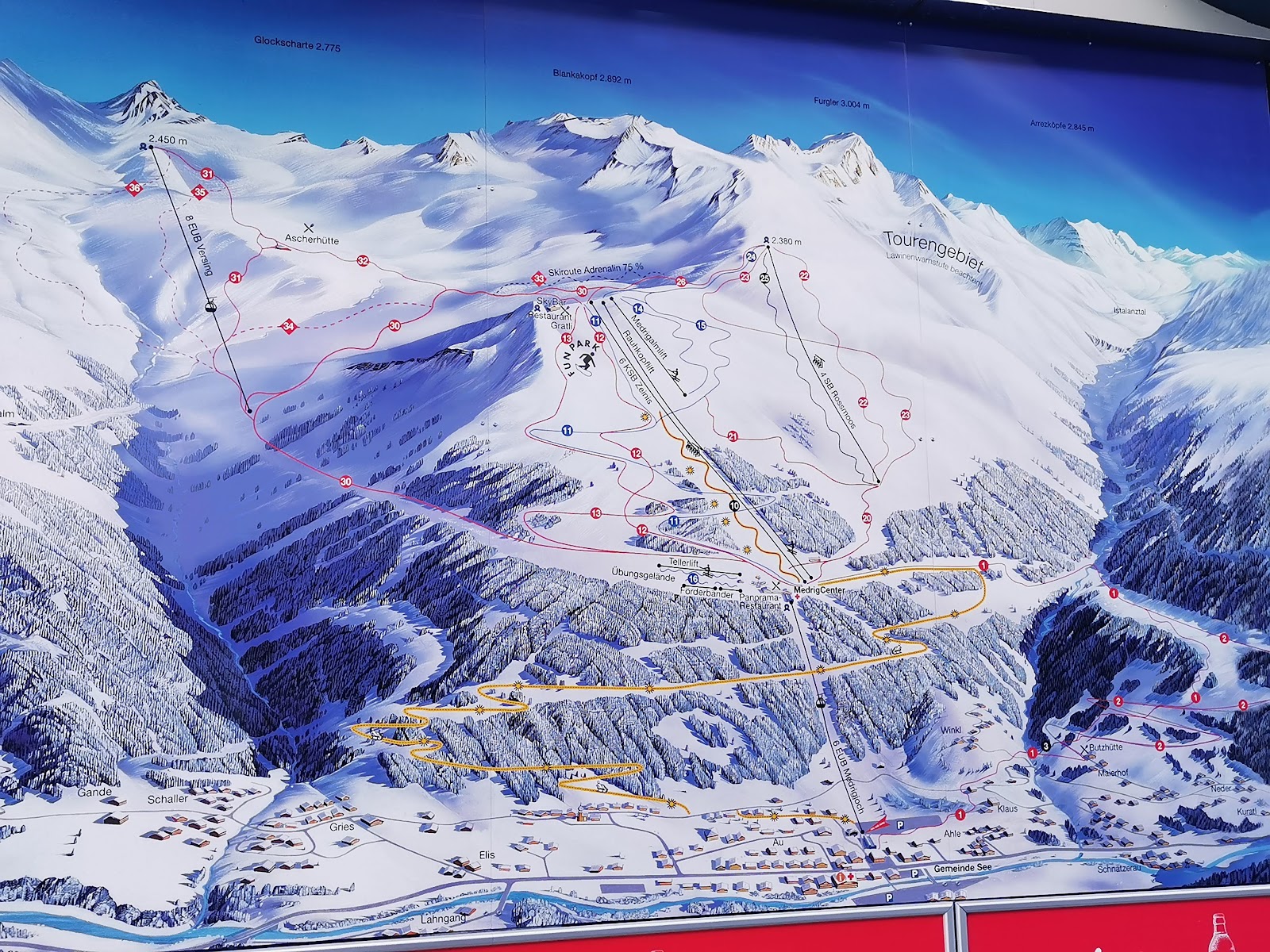
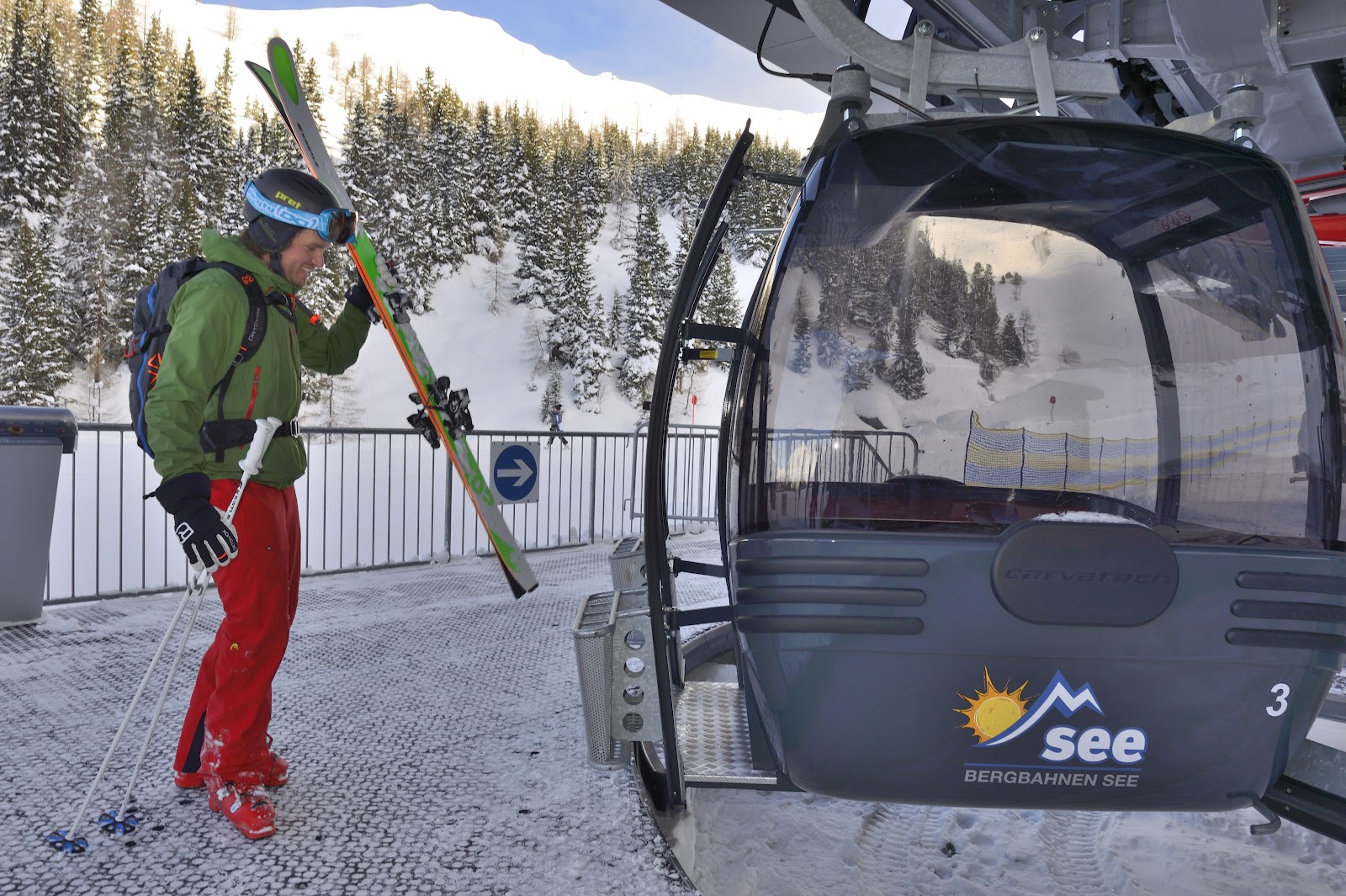
Photos via Google, contributed by Bergbahnen See, Dorota Kuzimska, Johannes Siegele and ZK OK.
Charm, convenience and the evening
See is a genuine Tyrolean farming village rather than a built up resort, strung along the valley floor at the entrance to the Paznaun with the lift base a short step away. It is quiet, traditional and unpolished in the best sense, a place of family run guesthouses, a few restaurants and a calm pace, with none of the through traffic or crowds of its famous neighbor up the road.
Evenings are low key by design. Expect a handful of cozy bars, hotel dining and an early night rather than a scene; the apres ski energy of the Paznaun lives in Ischgl, 15 minutes away, not here. That quiet is exactly why families and couples on a budget choose See, and exactly why party seekers should not.
Lodging and chalet quotes
Lodging in See runs mainly to family guesthouses, pensions and a few comfortable hotels and apartments, with prices well below Ischgl for similar quality. Stay near the lift base for ski in convenience and the shortest walk with children, or take a valley floor guesthouse for the lowest rates and an easy drive to the gondola. A car is genuinely useful here to unlock the rest of the Paznaun and the Ischgl lift system.
Get chalet quotes
Tell us your resort, dates and group size and we will pass your brief to chalet specialists for tailored quotes. No fee to you.
Prices, lessons and ski hire
See's own day pass runs around $50, one of the lower rates in the Tyrol, with multi day and family tickets cheaper per day and a wider Paznaun region pass available for skiing Kappl, Galtur and Ischgl on one ticket. A full week here with passes, lessons, rental and a family guesthouse typically lands in the under $2,000 to $2,000 to $4,000 per person bands, clearly below the Ischgl equivalent. Lessons and hire are priced at standard Austrian rates and are easy to book on the day outside peak weeks.
Book the extras and save
Lift passes, lessons and ski hire are where a trip quietly leaks money. Booking ahead almost always beats the resort window price.
Compare lift passesFind lessonsReserve ski hireTravel insuranceTransfers and access
See is an easy reach from Innsbruck, around 1h 15m by road at the mouth of the Paznaun, with Zurich a longer option near 2h 30m and Munich around 2h 30m. The route is straightforward valley driving with no high passes to clear, which makes a self drive simple and unlocks the rest of the Paznaun and Ischgl. A car is the smart choice here precisely because the value case depends on reaching the neighboring areas.
Sort the transfer
A smooth airport to resort transfer sets the tone for the week. Book ahead, especially over peak weeks.
Book a transferThe best weeks to ski See
January and February are the reliable core: the coldest, snowiest weeks, when the bowl holds its best cover and the village is at its quiet best. The 2026 to 2027 season should run from December to mid April, with the most dependable conditions in the deep winter months.
Early December leans on early snow and snowmaking at village level, so book it only with the glacier rich neighbors in mind for backup. March brings longer, brighter days and good cover up high, though lower runs soften in the afternoon sun. For the best mix of snow, quiet and value, target mid January to mid February outside the peak Austrian holiday weeks.
See FAQs
Is See a good ski resort?
Yes, as a quiet, low cost family and intermediate base in the Paznaun valley with around 40 km of mostly red pistes and a day pass near $50. Its strongest case is the combination of low prices and Ischgl's 240 km a 15 minute drive away. It is less suited to experts, party seekers or anyone wanting a large self contained area.
How big is the See ski area?
Around 40 km of pistes on one connected mountain, weighted roughly 60 percent red, rising from about 1,000 m to 2,400 m. On its own it is a two to three day area, but a regional pass or a short drive opens Kappl, Galtur and Ischgl for several hundred kilometers more.
Is See cheaper than Ischgl?
Yes, noticeably. See's day pass runs around $50 against Ischgl's higher rate, and lodging in See sits well below Ischgl for similar quality. Many value minded skiers stay in See and buy a wider pass or drive up for big days, which is the core reason to choose it.
Is See good for families and beginners?
Very good for families and good for beginners. It is a calm village with a ski school, a base nursery area and gentle blues higher up, all around 1h 15m from Innsbruck. Fast improving beginners may outgrow the easy terrain within a few days.
How far is See from Innsbruck?
Around 1h 15m by road at the entrance to the Paznaun valley, with no high passes on the route. Zurich and Munich are longer alternatives near 2h 30m. A car is recommended to reach the neighboring Paznaun resorts.
Is the snow reliable in See?
It is solid for the altitude. The bowl holds cover well and snowmaking supports the main runs, with January and February the dependable months. Early and late season at village level are more weather dependent, so deep winter is the safe choice.
How much does a week in See cost?
Most groups land in the under $2,000 to $2,000 to $4,000 per person bands for a week with passes near $50 a day, lessons, rental and a family guesthouse. That is clearly below the Ischgl equivalent and the main reason to base here.
Nearby alternatives
The Paznaun and wider Tyrol give several alternatives a short drive from See.
Ischgl
The big, lively neighbor up the valley with around 240 km of snow sure terrain and the loudest apres ski in the Alps, for when you want scale and a scene.
St Anton
The Arlberg powerhouse a short hop west, serious steeps, big mileage and real expert terrain, a step up in challenge from See.
Solden
A high, glacier backed Otztal resort with strong snow reliability and a bigger area, a snow sure alternative within easy reach.
Where should you stay and when should you go?
Tell us the dates. We price the trip.
If you want a See trip priced by specialists, a value guesthouse or chalet, the See or wider Paznaun pass, lessons and transfers bundled, tell us your dates and budget and we will route your brief to the right operators.
Every brief is read by a real planner. You will hear back within two working days, in season.
By the Ski Resorts for Kings editorial team · Last reviewed July 2026.