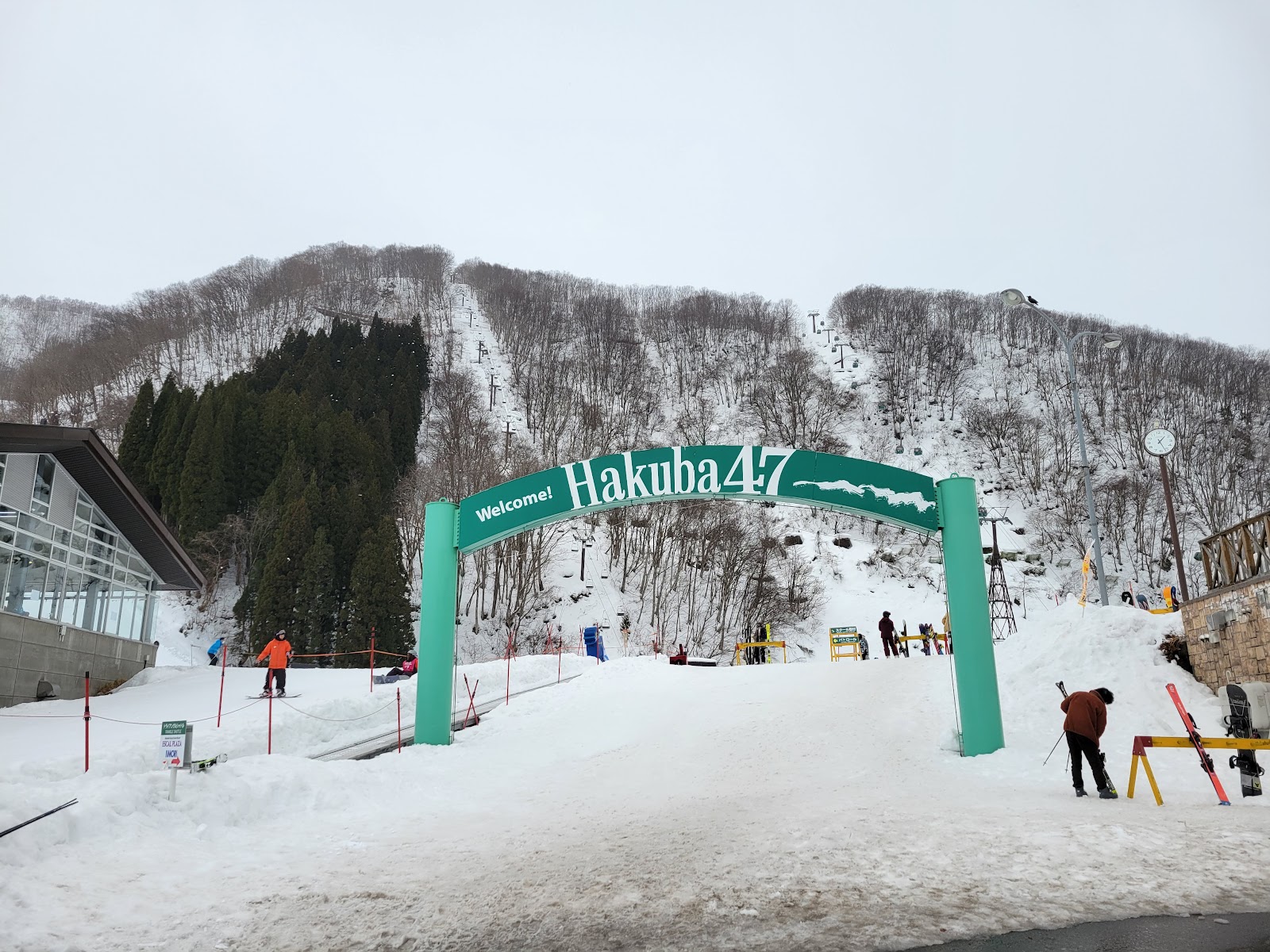
Hakuba 47 Ski Resort Review 2026
Hakuba 47 is a compact, north facing Hakuba Valley resort best known for its terrain park and, for the off piste skier, for its officially opened tree skiing zones that hold dry Japan powder long after a storm. It is linked by lift to neighboring Hakuba Goryu, and the two ski as one mountain on a single ticket, which is the right way to think about a trip here. It suits powder and tree skiers wanting cold north facing snow and park skiers wanting one of the best setups in the valley, and the honest caveats are that it is smaller than Happo One next door, the pitch is moderate rather than steep, and the marquee big mountain terrain of the valley is at Happo, so treat Hakuba 47 as a quality powder and tree stop within a wider Hakuba trip rather than a standalone destination.
A compact north facing Hakuba resort with a top terrain park and official tree zones that hold dry powder, best skied as part of the wider valley.
Scored honestly
Hakuba 47 is built around two strengths: its terrain park and its tree skiing. Park skiers and snowboarders get one of the best maintained setups in the Hakuba Valley, a progression of jumps, rails and features that draws a dedicated crowd. Intermediates are well served on the groomed runs, which combined with linked Hakuba Goryu give a solid spread of blue terrain for cruising, and the north facing aspect keeps the snow cold and dry.
For the off piste skier, the draw is the tree skiing. Hakuba 47 was one of the resorts that opened official, sanctioned tree zones, and on its north facing slopes the powder stays light and skiable longer than on sunnier aspects elsewhere in the valley. The honest weaknesses are scale and pitch. This is a small resort on its own, the terrain is moderate rather than genuinely steep, and the big, serious alpine terrain of the valley is at Happo One, not here, so experts wanting committing lines will spend most of their time elsewhere. Beginners have enough gentle terrain to get going but the valley has better dedicated learner hills. Come to Hakuba 47 for cold tree powder and a great park, as one stop on a wider Hakuba Valley trip, and it delivers.
Terrain by ability
The resort rises to around 1,550 m and links directly to Hakuba Goryu, so in practice you ski the two as one connected area on a single ticket, which materially increases the groomed terrain on offer. The marked runs are mostly green and blue, well groomed cruising that suits intermediates and families, and the famous terrain park sits among the best in the valley for anyone wanting to session features. The north facing layout is the key fact: it keeps the snow cold and dry through the day.
For the tree skier, the official tree zones are the reason to come. Hakuba 47 helped lead the move to sanction tree skiing in Japan, and its north facing forest holds the light dry powder that the country is famous for, staying soft and skiable well after a storm while sunnier slopes crust over. The pitch in the trees is moderate rather than extreme, which makes it accessible and fun rather than frightening, ideal for skiers building their powder and tree skills. The sanctioned zones are within the patrolled area, but Japan powder and forest bring real hazards, deep tree wells above all, where a fall headfirst into the snow around a tree can be fatal, so always ski the trees with a partner in sight, keep visual and voice contact and stay within the marked zones. Beyond the resort boundary the Hakuba backcountry is serious avalanche terrain that demands a guide, full kit and local knowledge. Lap the north facing trees on a powder day and the park when it is tracked out, and Hakuba 47 earns its place in a valley trip.
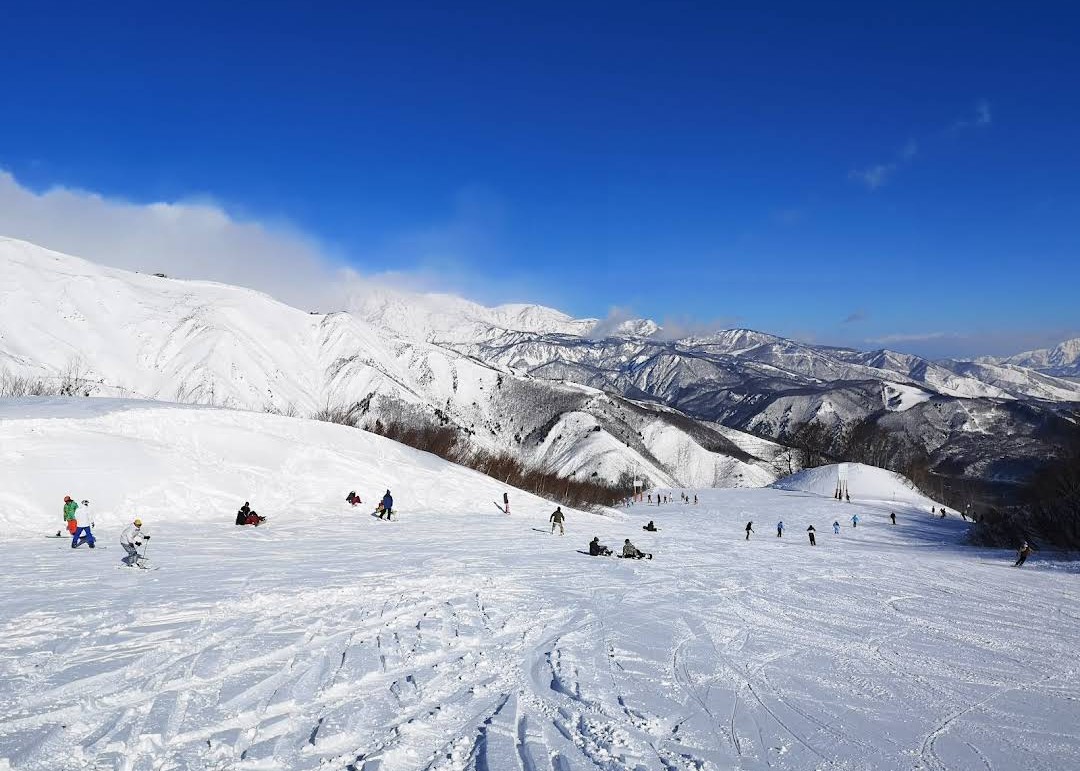
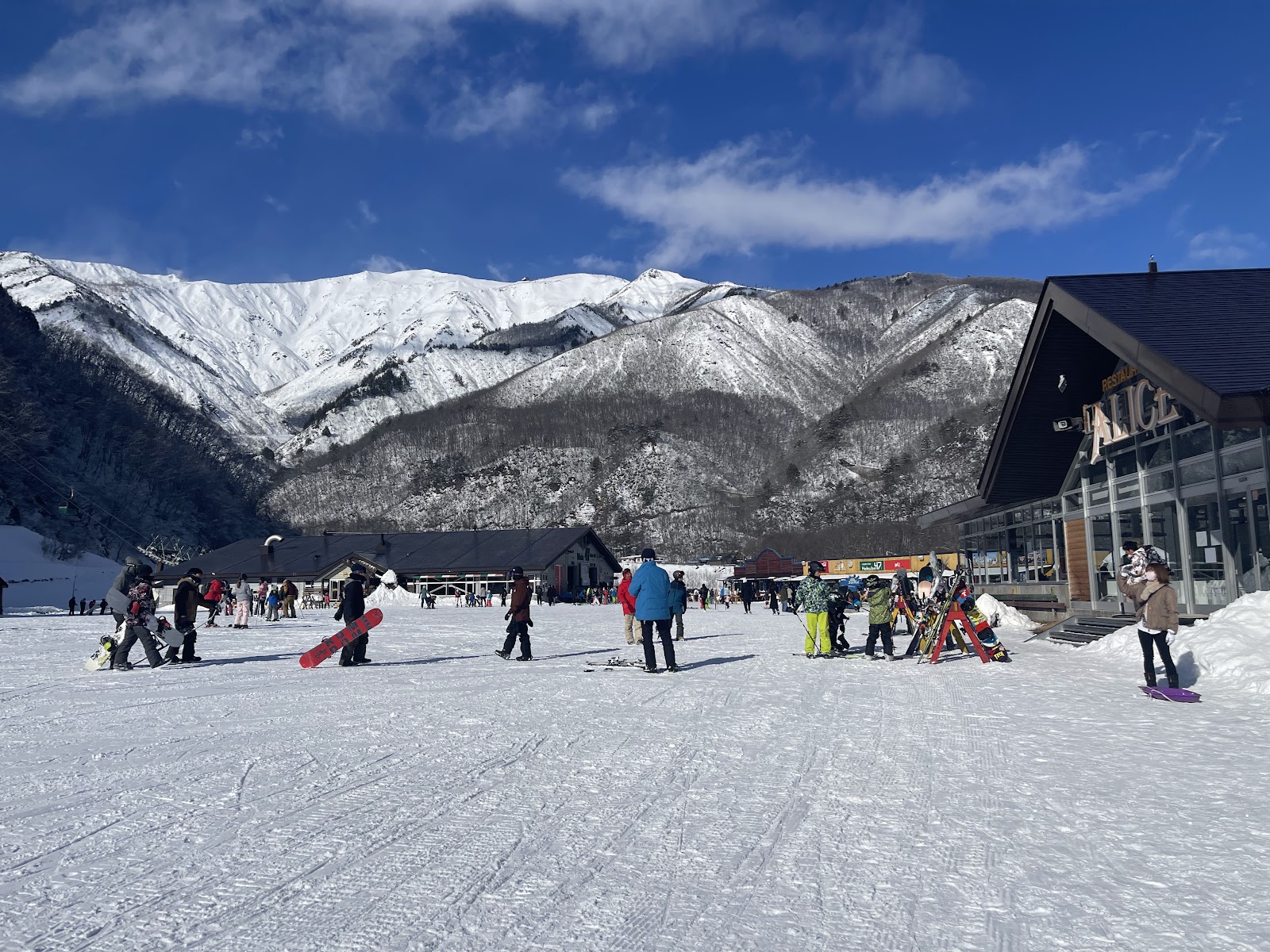
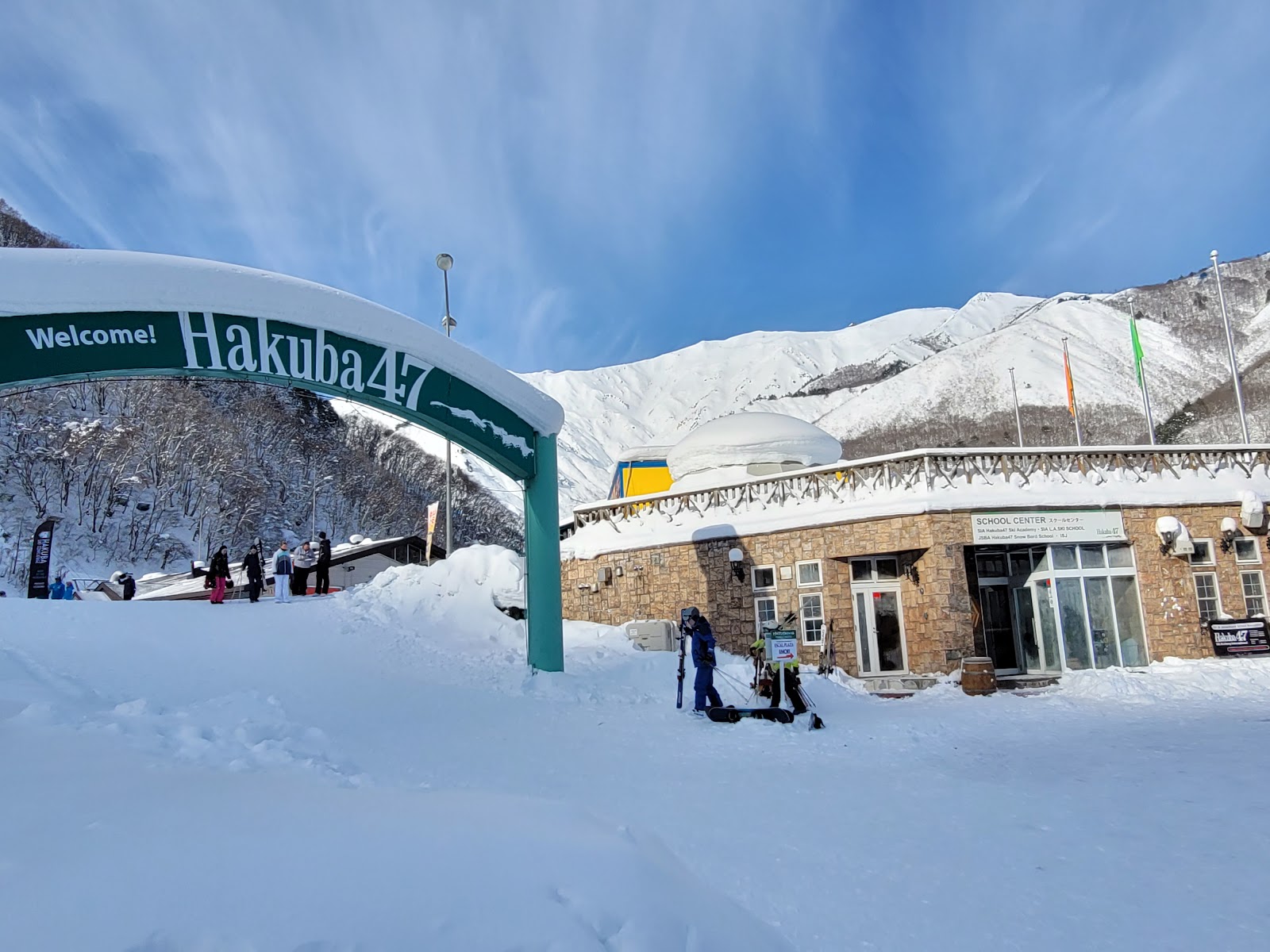
Photos via Google. Contributed by ACE, Chris Quinn, M Shin, dc info.
Charm, convenience and evenings
Hakuba 47 does not have a village of its own in the way some resorts do; it has a functional base and sits within the wider Hakuba Valley, where the main accommodation and nightlife are spread across the valley floor, especially around Happo and Echoland. Most visitors base in the valley and travel to the different ski areas, including Hakuba 47, by the resort shuttle buses or by car, which is the normal rhythm of a Hakuba trip.
Evenings happen down in the valley rather than at the resort base, and Hakuba has a genuinely good food and apres ski scene by Japanese standards, from ramen and izakaya to international restaurants and bars in Echoland, plus the great Japanese pleasure of an onsen hot spring soak after skiing. Treat Hakuba 47 as one mountain in a valley full of options for eating, drinking and bathing, and the lack of an on hill village stops mattering.
Chalets and easy access beds
Because the valley is a collection of linked ski areas, the smart move is to base centrally in Hakuba, around Happo or Echoland, where the bulk of the lodges, hotels and chalets sit along with the dining and nightlife, and to use the shuttles or a car to reach Hakuba 47 and the other resorts. Accommodation runs from simple Japanese pensions to comfortable chalets and apartments suited to groups, with onsen hotels for the full experience. Staying central keeps every mountain in the valley in reach. Book well ahead, as the best valley beds sell out early for the peak January and February powder weeks.
Tell us your dates and group and we will get tailored chalet quotes back to you from vetted operators.
Free and no obligation. Your brief goes to vetted operators only, never to advertisers.
What a pass costs
Hakuba 47 shares a ticket with linked Hakuba Goryu, and the real value buy for any proper trip is the Hakuba Valley lift pass, which covers the major resorts across the valley and lets you ski Hakuba 47, Happo One, Goryu and the rest on one product. By international standards Japan lift tickets are good value, with valley passes typically far cheaper per day than equivalent Alpine or North American resorts. Multi day valley passes bring the per day cost down further, and booking ahead online is the cheapest route. Japan trips reward booking flights, accommodation and the valley pass early for the peak powder weeks.
Book the extras and save
Lift passes, transfers, lessons, ski hire and insurance are where a trip quietly leaks money. Booking ahead almost always beats the resort window price.
Compare lift passesBook a transferFind lessonsReserve ski hireTravel insuranceSchools and guiding
Hakuba is well set up for international visitors, with English speaking ski and snowboard schools across the valley, good for children, beginners and for park coaching at Hakuba 47. For the off piste skier, the real value is a guide: a qualified local guide will show you the best of the north facing tree zones safely, teach you to manage tree wells and deep snow, and is essential if you want to venture into the serious Hakuba backcountry beyond the resort boundary, which is genuine avalanche terrain. Reserve rentals, lessons and any guiding ahead for the busy January and February weeks.
Lessons and ski hire
Book lessons, guiding and kit ahead for the best instructors and the lowest rates.
Find lessonsReserve ski hireThe journey
Most international visitors fly into Tokyo and travel on to Hakuba, roughly 4 to 5 hours by a combination of bullet train to Nagano and a bus or transfer up to the valley, or by direct coach and private transfer. Toyama airport is a closer option for some routings. Within the valley, the resort shuttle buses connect Hakuba 47 with the central accommodation and the other ski areas, and a hire car adds flexibility for chasing snow between mountains. The journey from Tokyo is part of the trip, and a booked transfer takes the stress out of arrival with ski luggage.
Airport transfers
Pre booked shared and private transfers from Tokyo or Toyama are usually cheaper and smoother than arranging it on arrival.
Book a transferTiming your trip
January and early February are the heart of the Japan powder season, the deepest and most reliable weeks for the dry snow Hakuba is famous for, and the prime time to ski the north facing tree zones at Hakuba 47. The north facing aspect means the trees hold cold powder well even between storms. Late February and March bring longer days, still good snow and slightly more settled weather, a fine time for park skiing and cruising. The high valley and the late closing of some areas mean spring skiing runs deep into April and beyond. Whenever you come, time your trip to a storm cycle and ski the trees on the days after fresh snow.
Hakuba 47 FAQs
Is Hakuba 47 good for tree skiing and powder?
Yes, that is its main draw for off piste skiers. Hakuba 47 has official, sanctioned tree zones on north facing slopes that hold light dry Japan powder long after a storm. The pitch is moderate rather than extreme, which makes the trees accessible and fun, ideal for building powder and tree skills.
Is Hakuba 47 linked to Hakuba Goryu?
Yes, the two resorts are connected by lift and ski as one area on a shared ticket, which significantly increases the terrain on offer. Most visitors treat Hakuba 47 and Goryu as a single linked mountain within the wider Hakuba Valley.
Is Hakuba 47 good for experts?
Less so than its neighbors. The terrain is moderate in pitch and the resort is small on its own, so experts wanting big, steep alpine terrain will spend most of their time at Happo One. Hakuba 47 is better as a quality tree and park stop within a wider valley trip.
What is the snow like at Hakuba 47?
It is classic dry Japan powder, cold and light, and the north facing aspect keeps it soft and skiable longer than sunnier slopes. January and early February are the deepest, most reliable weeks, and the tree zones are at their best in the days after a storm.
How much does a lift pass cost at Hakuba 47?
By international standards it is good value. Hakuba 47 shares a ticket with Goryu, and the Hakuba Valley pass covering the major valley resorts is the smart buy, typically far cheaper per day than equivalent Alpine or North American resorts, with multi day passes cheaper still.
How do I get to Hakuba 47?
Most visitors fly into Tokyo and travel on roughly 4 to 5 hours by bullet train to Nagano and a bus or transfer up to the valley, with Toyama airport a closer option for some routings. Within the valley, shuttle buses connect Hakuba 47 with the central accommodation and the other resorts.
If Hakuba 47 is not quite right
These three sit within reach in and around the Hakuba Valley, each offering a different character, from the valley's big mountain to a quieter tree skiing favorite.
Hakuba Happo One
The valley's flagship and biggest mountain, with the real steeps, the most vertical and the serious alpine terrain, the place experts base for a Hakuba trip.
Hakuba Goryu
The resort linked directly to Hakuba 47 on the same ticket, with more groomed terrain, a good learner area and an easy extension of your day from the 47 lifts.
Madarao
The tree skiing cult favorite a drive away, with abundant sanctioned glades and deep dry powder, a natural choice for skiers who love the woods most.
See the full Nagano and Honshu region guide or the wider Japan guide for more options, or compare picks in our best powder ski resorts in Japan and best ski resorts in Japan lists.
Where should you stay and when should you go?
Tell us the dates. We price the trip.
If you want a Hakuba 47 trip priced by specialists, give us the dates and budget below. Send one brief and our partner chalet companies and tour operators return tailored proposals covering flights, transfers, lift passes, guiding and lessons. No fee to you, ever.
Every brief is read by a real planner. You will hear back within two working days, in season.
By the Ski Resorts for Kings editorial team · Last reviewed June 2026. We update season dates and prices each year.