Hakuba Happo One Ski Resort Review 2026
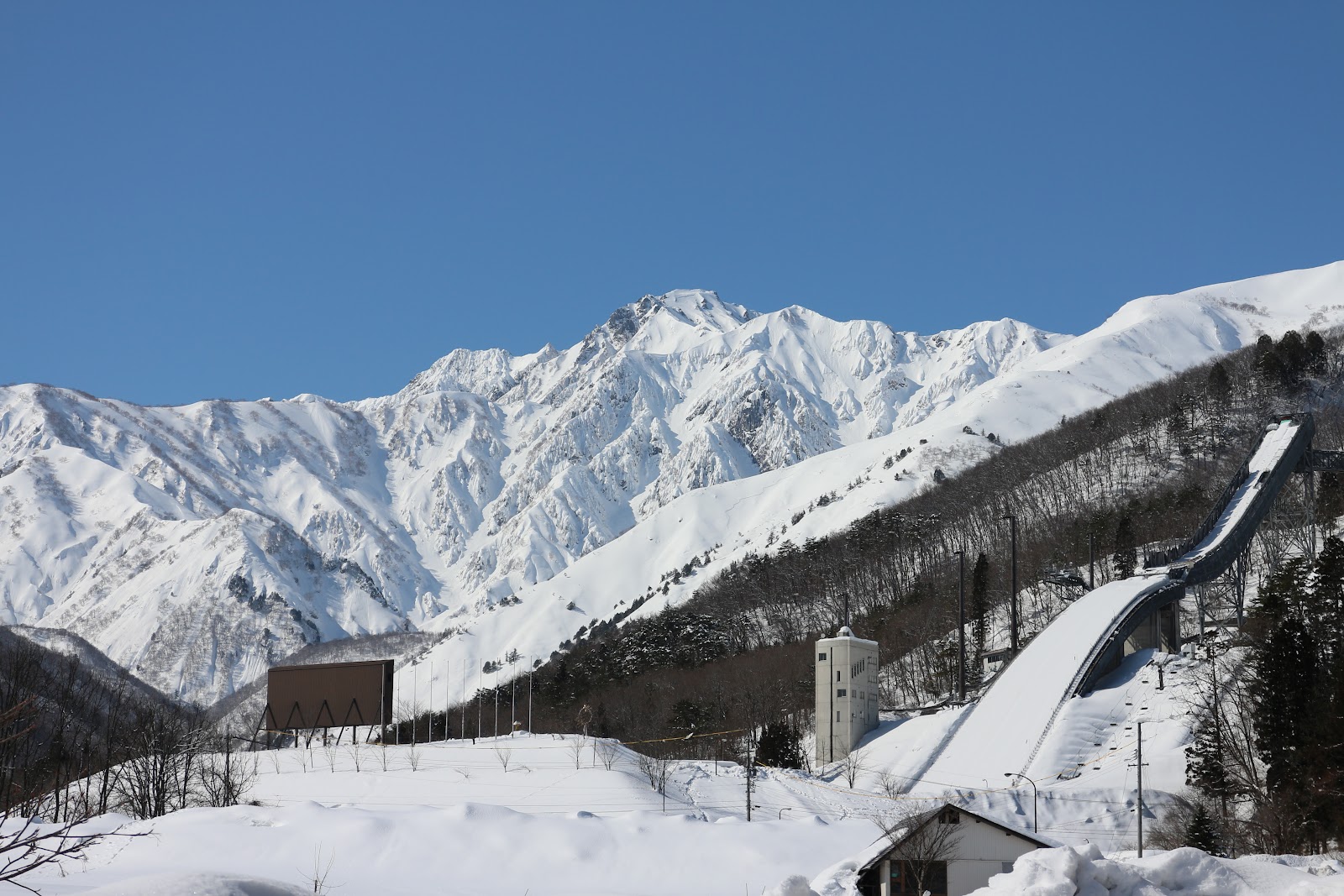
Hakuba Happo One is the biggest and steepest mountain in the Hakuba Valley and the strongest pick for advanced skiers who want Japan's famous snow with real vertical. The figures back it up: around 1,070 m of vertical, a top lift near 1,830 m and roughly 200 hectares of terrain, set below the dramatic Northern Japan Alps, with the 1998 Nagano Olympic downhill run on the hill. Snowfall is enormous, commonly 30 to 40 ft a year of dry Japan powder, and the terrain runs steep, long and demanding by Japanese standards. The honest catch is that Happo One is a serious mountain rather than a gentle one: its best terrain is steep, off piste skiing is restricted to designated gates, and Tokyo is around 3h to 4h away by train and bus. Book it if you are a confident or expert skier chasing big vertical and deep snow; skip it if you want gentle tree skiing, a beginner first trip or a short transfer.
The biggest, steepest mountain in the Hakuba Valley and a 1998 Olympic downhill venue, around 1,070 m of vertical with enormous Japan snowfall.
It pairs serious steep terrain with deep dry powder below the Northern Japan Alps. It suits advanced and expert skiers chasing vertical and snow; it suits beginners and gentle cruisers least.
How it scores for your group
Advanced and experts. Outstanding. This is the reason to come. Happo One has the steepest, longest pitches in the Hakuba Valley, the Olympic downhill terrain and designated off piste gates that open into deep powder fields, a genuinely demanding mountain by Japanese standards and one of the best in the country for strong skiers.
Intermediates. Very good. There is a solid spread of long groomed runs through the middle of the mountain with around 1,070 m of vertical to play with, though confident skiers should be comfortable on steeper, sometimes firm pitches, as the easiest terrain is concentrated lower down.
Beginners. Fair. There are beginner areas near the base and a ski school, but Happo One is steep and exposed by reputation, so true first timers are often better served at the gentler resorts elsewhere in the Hakuba Valley.
Families. Good. Older children and teenage skiers who can handle real terrain will love it, and the wider Hakuba Valley has gentler family resorts on the same lift pass, but Happo One alone is not a soft first family mountain.
Non skiers. Good. The village of Hakuba offers onsen hot springs, dining and the spectacular Alps scenery, and day trips to Nagano and the nearby snow monkey park add interest, though the resort itself is focused on the skiing.
Terrain by ability
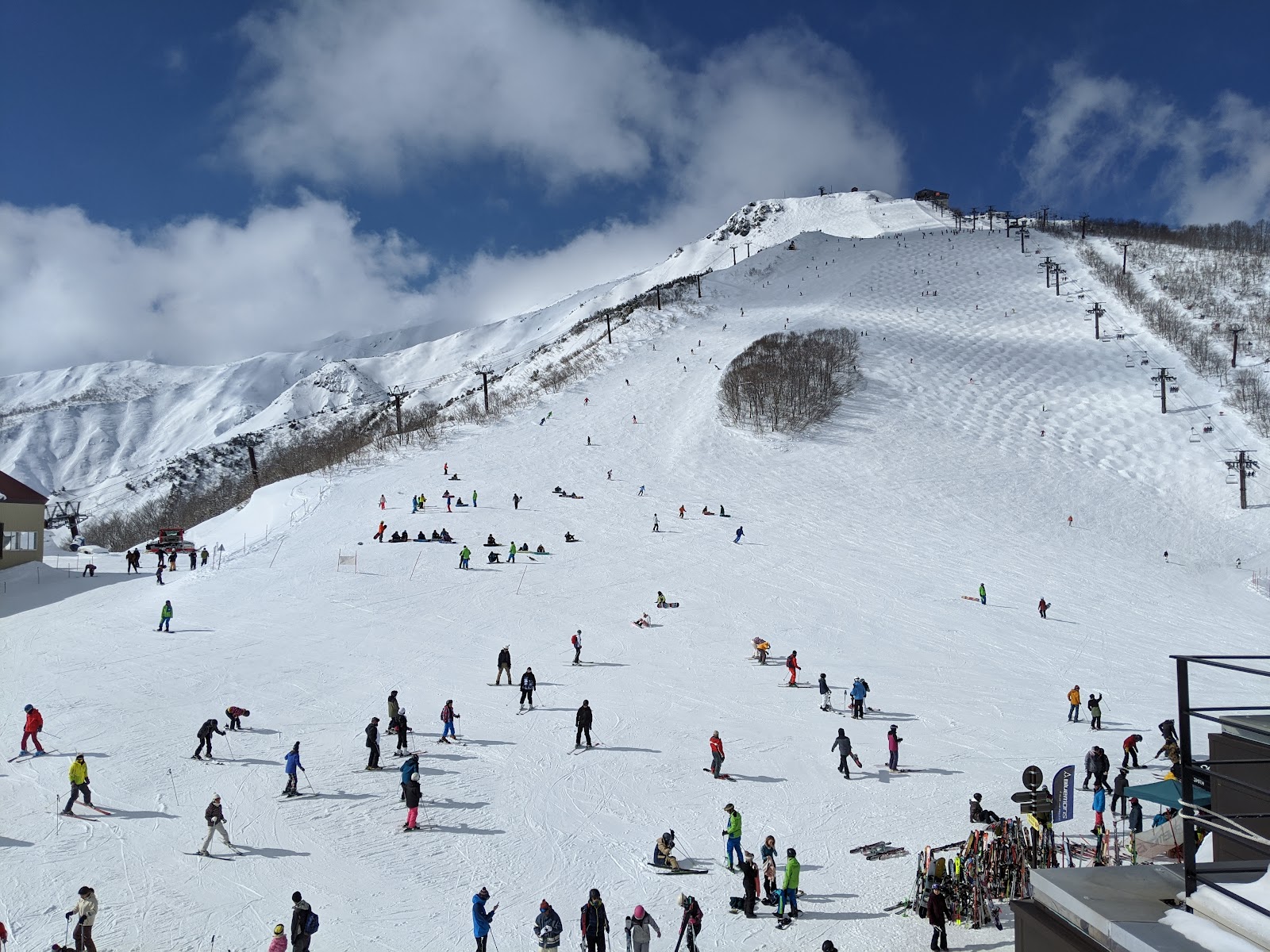
Hakuba Happo One rises from a base around 760 m to a top lift near 1,830 m, giving around 1,070 m of vertical across roughly 200 hectares, the biggest and steepest of the Hakuba Valley resorts. The terrain is weighted toward the top half: long, steep groomed pitches, including the 1998 Nagano Olympic downhill course, with intermediate cruising through the middle and gentler beginner zones near the base.
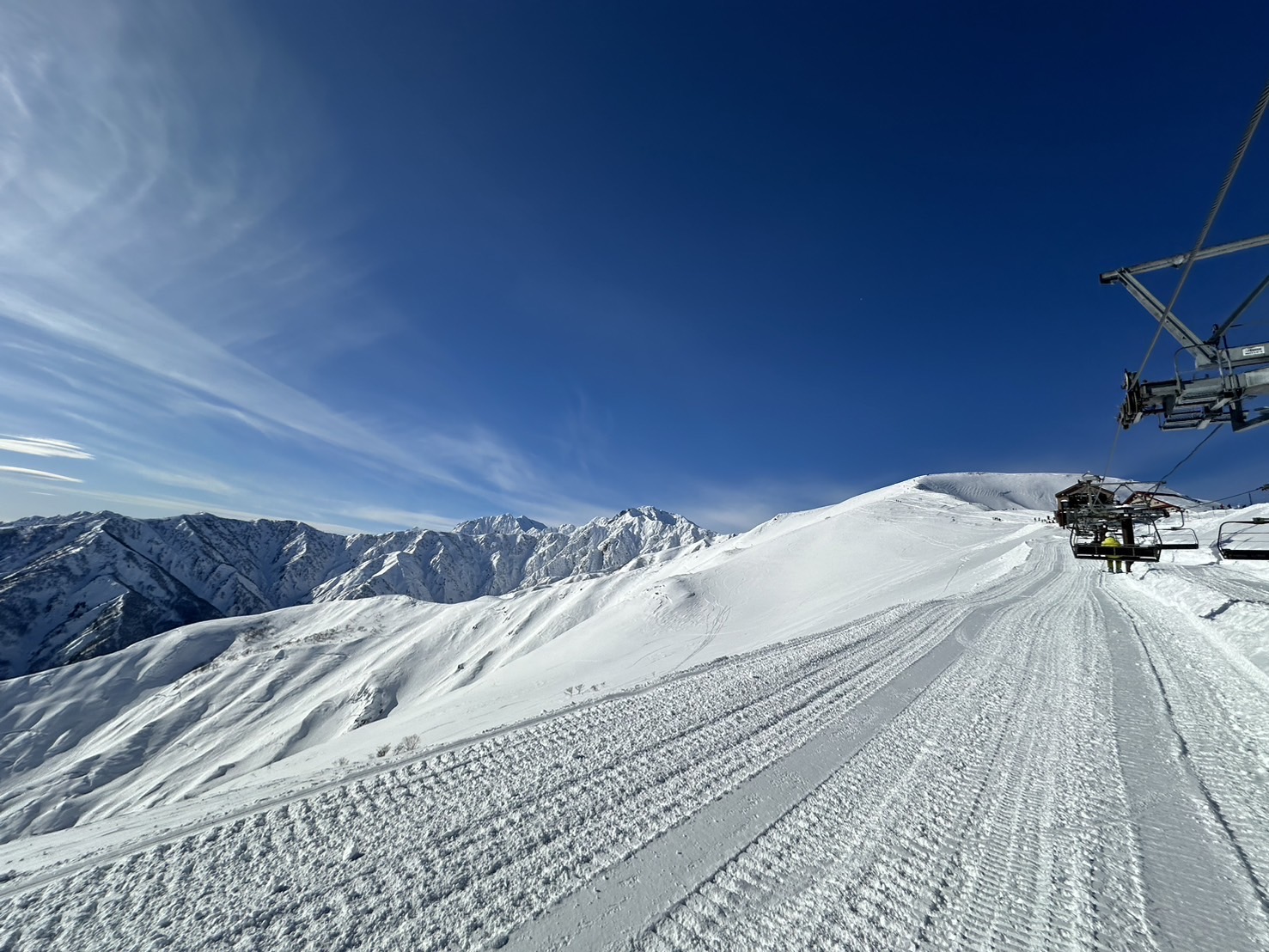
Two facts define the mountain. The snow is enormous and dry, commonly 30 to 40 ft a year, the deep light powder that draws skiers to Japan, set against the dramatic backdrop of the Northern Japan Alps. The off piste is genuinely good but managed through designated gates rather than open everywhere, and the steep upper mountain can be exposed and firm in wind, so this is a mountain that rewards skill and conditions awareness. The honest summary: the best big vertical and steep terrain in Hakuba, on world class snow, for skiers who can handle a serious mountain.
Charm, convenience and the evening
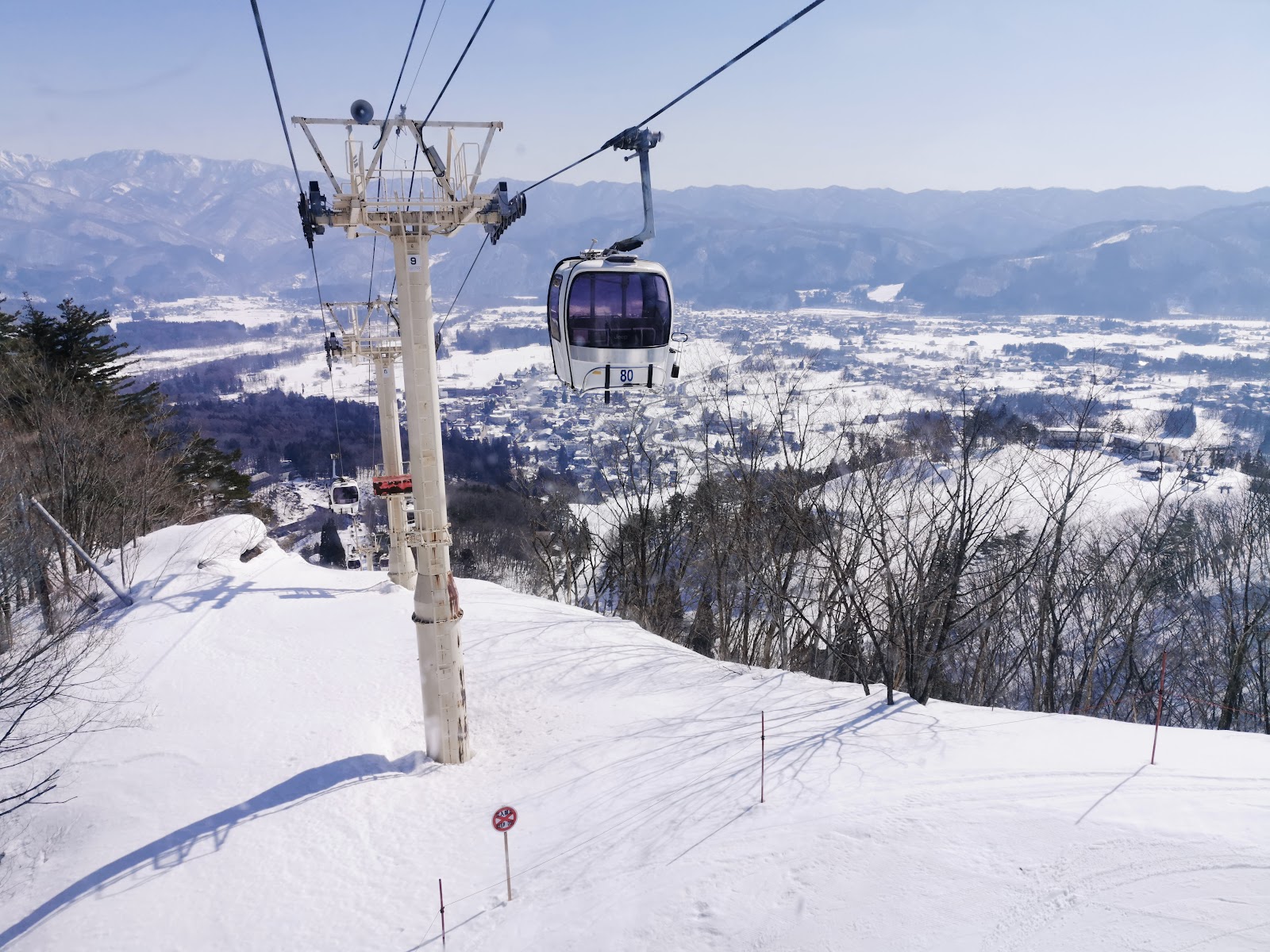
Hakuba is a real mountain town spread along the valley below Happo One and the other valley resorts, with a mix of Japanese inns, hotels, pensions and a growing range of international lodging and dining. It is not a single car free resort base but a dispersed village served by ski buses, which link the lodging to Happo One and the rest of the valley.
The evening scene has grown markedly, with a good range of restaurants from traditional Japanese to international, izakaya bars, and the classic Japanese ritual of an onsen hot spring after skiing. It is livelier and more international than most Japanese resorts, though more relaxed than a big Alpine party town.
The practical play is to base in the Happo area for the easiest access to the main mountain, or elsewhere in the valley and use the ski buses, choosing lodging by how much you value walking to the lifts versus dining and value.
Lodging and chalet quotes
Lodging spreads across the Hakuba Valley, from traditional Japanese inns and pensions to modern hotels and western style chalets and apartments. Stay in the Happo area for the closest access to the main mountain and the liveliest dining, or elsewhere in the valley for value and quiet, using the ski buses to move between resorts. Many visitors choose a chalet or apartment for space and to self cater alongside the local restaurants.
Get chalet quotes
Tell us your resort, dates and group size and we will pass your brief to chalet specialists for tailored quotes. No fee to you.
Prices, lessons and ski hire
A Happo One day ticket runs around $50 to $65, low by Alpine and North American standards, with multi day tickets and a valley wide Hakuba pass that covers several resorts for better value over a week. A week here, with valley lodging, the pass, lessons and rental, typically lands in the $2,000 to $4,000 per person band before international flights, rising toward $4,000 to $8,000 once long haul travel and premium lodging are added. English speaking lessons and ski hire are widely available, a real strength of Hakuba versus less international Japanese resorts.
Book the extras and save
Lift passes, lessons and ski hire are where a trip quietly leaks money. Booking ahead almost always beats the resort window price.
Compare lift passesFind lessonsReserve ski hireTravel insuranceTransfers and access
Most visitors fly into Tokyo and travel on from there, around 3h to 4h to Hakuba. The fastest route is the bullet train from Tokyo to Nagano, around 90 minutes, then a bus or transfer of roughly an hour to the valley. Direct express buses also run from Tokyo and its airports. It is a longer journey than a single airport transfer, but a straightforward and scenic one, and many visitors add a night in Tokyo at either end.
Sort the transfer
A smooth transfer from Tokyo or Nagano sets the tone for the trip. Book ahead, especially over peak powder weeks.
Book a transferThe best weeks to ski Hakuba Happo One
January and early February are the heart of the Japan powder season, with the deepest, driest and most frequent snowfall, the time most powder focused skiers target. Expect cold, regular storms and the famous light snow, with the upper mountain occasionally closed in wind; the 2026 to 2027 season should run from December to early May.
Late February and March bring more settled, sunnier days, longer light and big Alps views, with spring snow lower down and still good conditions up high, a strong choice for those who want a mix of skiing and clear mountain scenery. For the deepest powder target January, for sun and views with good snow target late February into March.
Hakuba Happo One FAQs
Is Hakuba Happo One the biggest resort in Hakuba?
Yes. Happo One is the biggest and steepest of the Hakuba Valley resorts, with around 1,070 m of vertical and roughly 200 hectares of terrain, including the 1998 Nagano Olympic downhill run. It is the main mountain that anchors the valley.
Is Hakuba Happo One good for beginners?
Less so than its neighbors. It is a steep, demanding mountain with its best terrain up high, so true first timers are often better at the gentler valley resorts, which share the Hakuba pass. Beginners can still find learning areas near the base.
How much snow does Hakuba Happo One get?
An enormous amount, commonly 30 to 40 ft a year of dry, light Japan powder. That depth and quality, set below the Northern Japan Alps, is the reason the valley draws international powder skiers each winter.
How do you get to Hakuba from Tokyo?
It is around 3h to 4h. The fastest route is the bullet train from Tokyo to Nagano, around 90 minutes, then a bus or transfer of about an hour to the valley. Direct express buses also run from Tokyo and its airports.
Can you ski off piste at Hakuba Happo One?
Yes, but through designated gates rather than open everywhere. The managed backcountry access opens into deep powder fields for experienced skiers, while skiing outside the marked gates and rules is discouraged for safety. It is excellent terrain for those who follow the system.
How much does a week at Hakuba Happo One cost?
Most groups land in the $2,000 to $4,000 per person band for a week with valley lodging, the pass, lessons and rental before international flights, rising toward $4,000 to $8,000 once long haul travel and premium lodging are added. Lift tickets themselves are low at around $50 to $65 a day.
Nearby alternatives
If Hakuba Happo One is not the right fit, these Japanese mountains offer gentler terrain or a different snow experience. See the full Nagano and Honshu region guide or the wider Japan guide for more options.
Madarao
A Nagano powder and tree skiing specialist with gentler, glade heavy terrain, a softer, snorkel deep alternative to Happo One's steeps.
Zao Onsen
A historic Honshu resort famous for its snow monsters and onsen hot springs, with a charming town and varied terrain.
Niseko
Hokkaido's most famous powder resort and the most international in Japan, with legendary snow and easy gated off piste.
Where should you stay and when should you go?
Tell us the dates. We price the trip.
If you want a Hakuba Happo One trip priced by specialists, valley lodging, the Hakuba pass, lessons and Tokyo to Nagano transfers bundled, tell us your dates and budget and we will route your brief to the right operators.
Every brief is read by a real planner. You will hear back within two working days, in season.
Photos via Google. Contributed by Nabidul Alam, ling Chang, nogoma.
By the Ski Resorts for Kings editorial team · Last reviewed June 2026.