Zao Onsen Ski Resort Review 2026
Zao Onsen is Japan's great hot spring ski town, a historic sulfur bath village in Yamagata wrapped around a sprawling intermediate mountain and famous worldwide for its snow monsters, the frost coated trees that crowd the upper slopes each winter. It suits intermediates, families and culture seekers who want an experience as much as a ski area, with a real onsen town to soak in each evening. Skip it if you chase the lightest, driest powder or want a compact, modern, efficient resort, because the appeal here is atmosphere, baths and spectacle, not the deepest snow.
By the Ski Resorts for Kings editorial team · Last reviewed June 2026
Mountain stats at a glance
| Resort altitude | around 880 m in the village |
|---|---|
| Top lift | around 1,660 m near the Jizo summit |
| Vertical | roughly 780 m |
| Terrain | a large area of around 25 or more courses across several faces |
| Run split | intermediate led, with broad cruising, good beginner areas and some steeper and mogul runs |
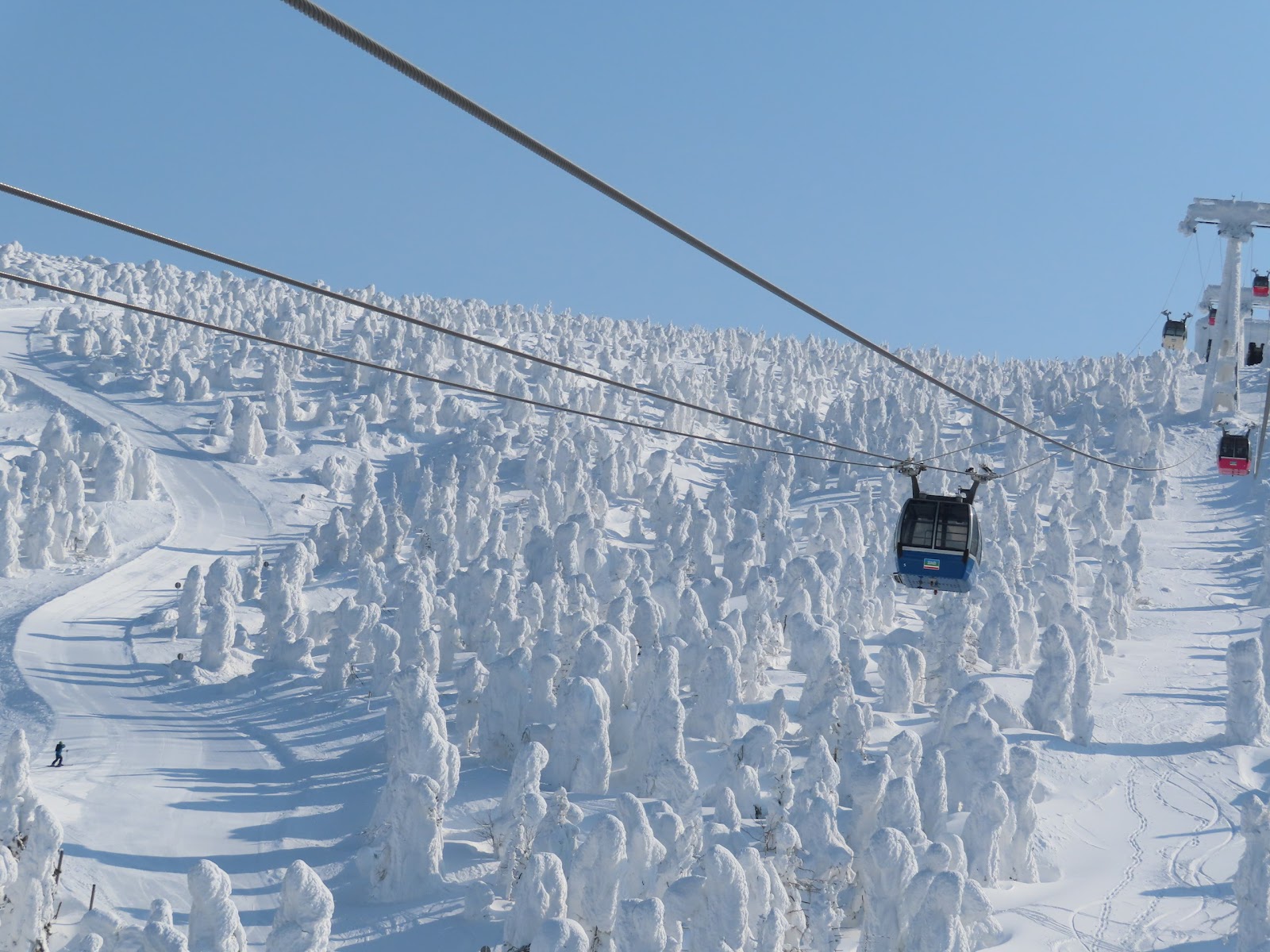
| Lifts | around 30 lifts and ropeways across the area |
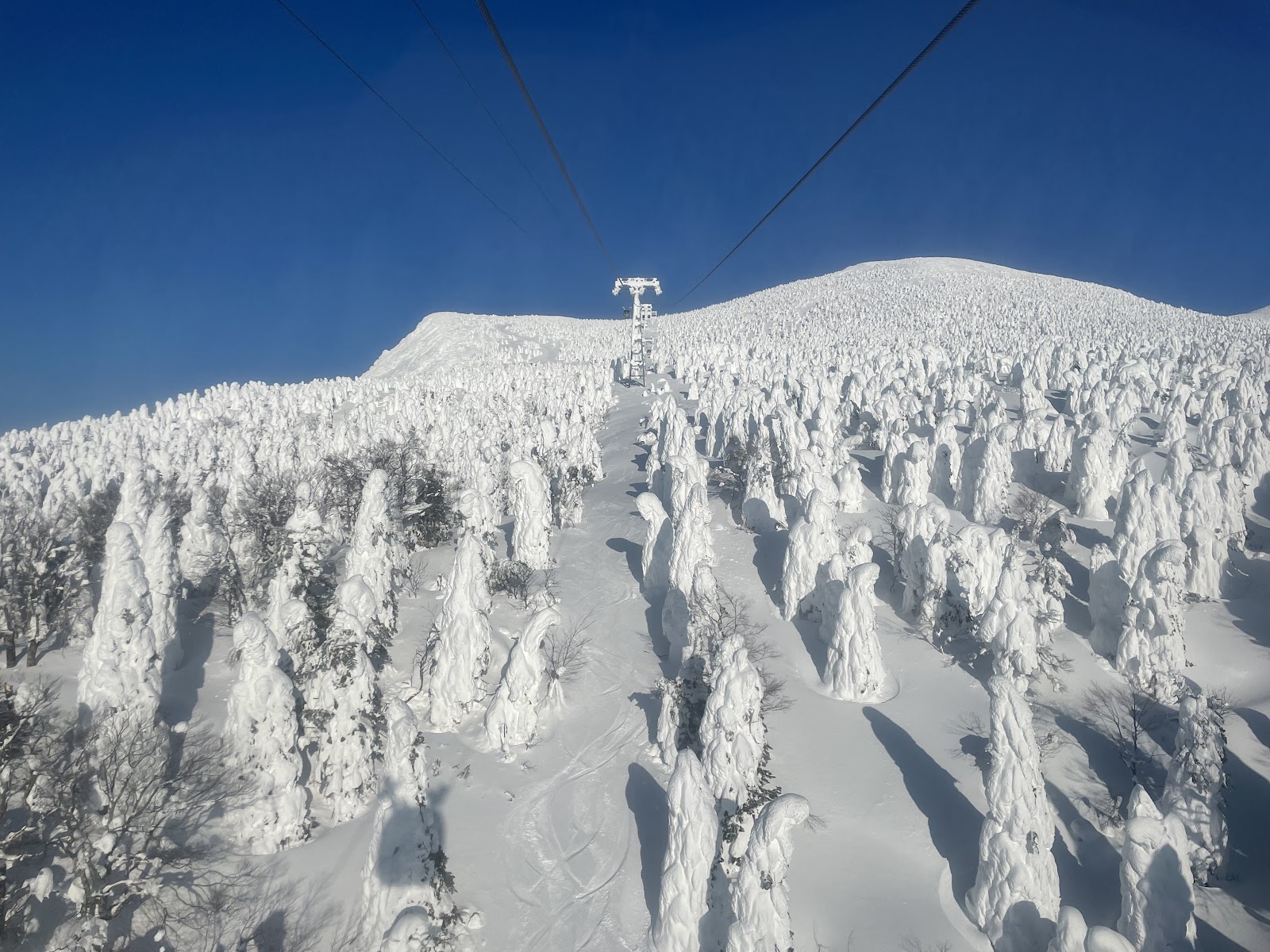
| Signature | the snow monsters, frost covered trees on the upper slopes, plus night skiing |
| Season | roughly mid December to early April |
| Nearest airport | Yamagata, roughly a 40 minute transfer |
| Day pass | around $45 |
Photos via Google. Contributed by T Nagaki, little happiness.
Who it suits
Zao Onsen suits the traveler who wants Japan, not just a ski area. It is one of the oldest and most atmospheric onsen towns in the country, a steaming, sulfur scented village of bath houses and inns set right at the foot of a large, varied mountain. Add the snow monsters, the surreal frost encrusted firs that form on the upper slopes in midwinter, and you have a place that delivers spectacle, culture and skiing in one. For intermediates, families and anyone who treasures the bath as much as the slope, it is unforgettable.
The honest warnings. Being on Honshu rather than Hokkaido, Zao's snow can be heavier and more variable than the famous dry powder of the north, and the large area is a slightly piecemeal patchwork of older lifts rather than a sleek modern resort. Hard core powder hunters and those who want efficiency will be happier elsewhere. Come for the onsen, the monsters and the atmosphere, and accept the snow and the lifts for what they are.
The skiing
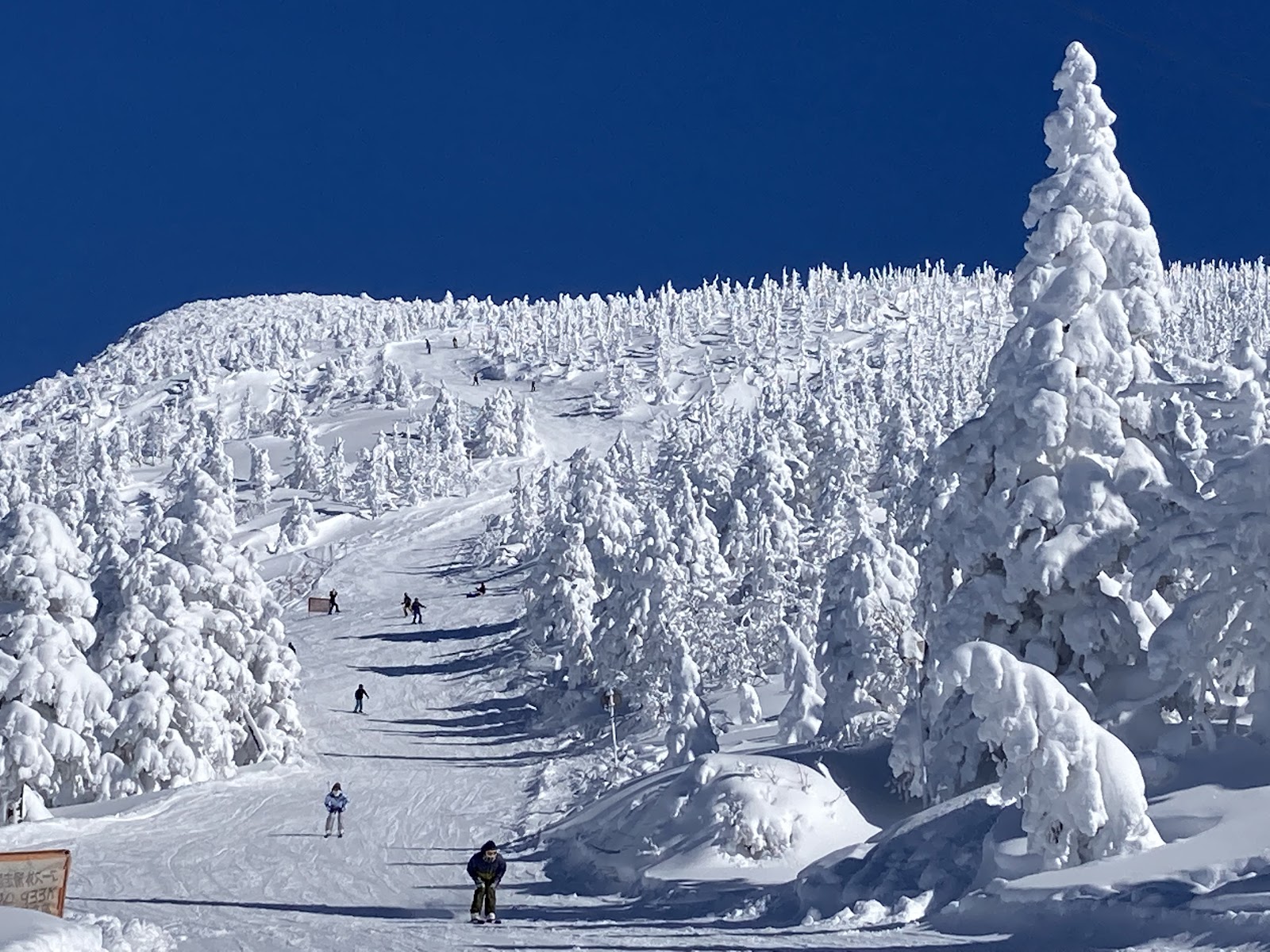
The skiing is broad and generous, a large area spread across several connected faces that is, at heart, a wonderful intermediate playground. There are long, wide cruising runs, gentle beginner zones and the famous tree lined courses that wind down through the snow monsters near the Jizo summit, an experience found nowhere else in skiing.
For stronger skiers there are steeper pitches, mogul runs and ungroomed sections that add interest, and the sheer size of the area means days of varied exploring. Night skiing on the lower slopes, lit beneath the village, is a memorable way to extend the day before retreating to the baths.
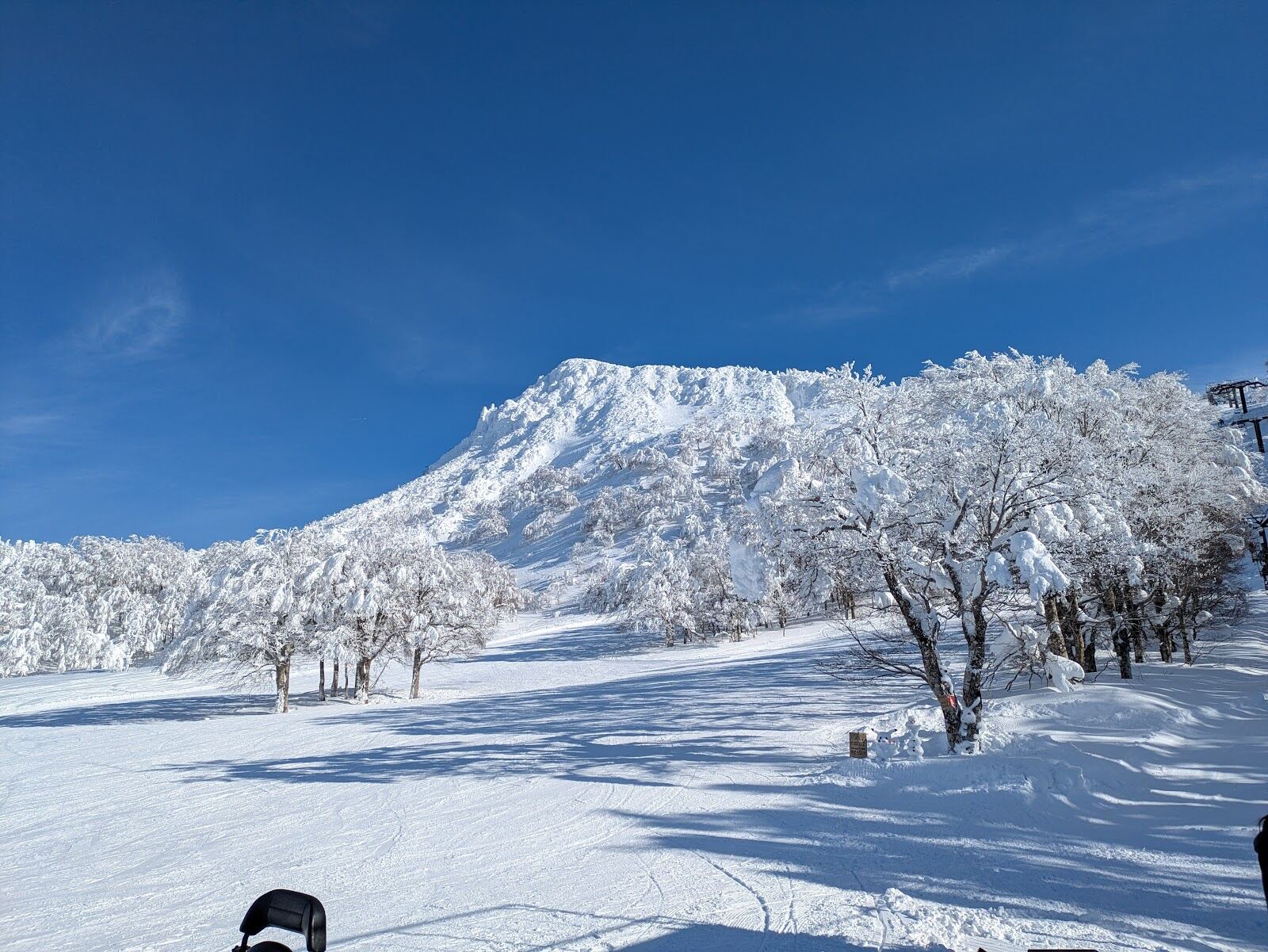
The honest limits are snow and infrastructure. The Honshu location means snow quality varies more than in Hokkaido and the upper mountain can be wild and weather affected, with the famous monsters best seen on a clear day. The many older lifts and ropeways can feel dated and slow. But for variety, scale and spectacle, the skiing more than holds its own.
The village
The village is the heart of Zao and one of the great pleasures of skiing in Japan. A historic hot spring resort dating back centuries, it is a maze of steaming streets, public bath houses and traditional inns, where the sulfur springs are reputed to be wonderfully restorative and the open air baths under the snow are a highlight of any trip. To soak in an outdoor onsen after a day on the monsters is the essence of the place.
Evenings are about the baths, an inn dinner of local Yamagata cuisine and the quiet charm of an old onsen town, a deeper, more cultural experience than any purpose built resort offers, though it is not a party destination. Non skiers are superbly served by the baths, the food and the atmosphere, making Zao one of the best resorts in Japan for a mixed group.
Where to stay
Lodging is in the onsen village itself, ranging from traditional inns with their own hot spring baths to comfortable hotels and pensions, many within walking distance of the lifts. Staying in a ryokan style inn with an onsen, and enjoying a multi course local dinner, is central to the Zao experience and well worth choosing over a more generic hotel.
Our guide to budget ski holidays can help you balance the splurges and the savings on a trip like this. If you would like a Zao Onsen week arranged for your dates, use the form below and we will route your brief to operators who know Japan.
Lift pass prices and how to save
A day pass works out to around $45 in US dollars, excellent value for the size of the area and a fraction of an Alpine or North American resort, with multi day rates cheaper still. The low cost, combined with affordable inns and food, makes Zao one of the better value international ski trips once you have reached Japan.
Compare current prices and buy ahead through our lift pass partner.
Lessons and ski hire
The ski school is well established and the gentle lower slopes make Zao a pleasant place to learn or improve, though English language instruction is more limited than at the big international resorts, so visitors needing English teaching should arrange it ahead. Gear hire is widely available in the village at fair prices.
Arrange lessons through our lessons partner and gear through our ski hire partner.
Getting there
Yamagata Airport is roughly forty minutes away, the closest gateway, with domestic connections, while Sendai is around an hour and a half by road. From Tokyo the bullet train to Yamagata followed by a short bus transfer takes around three hours in total, a smooth and scenic journey that makes Zao very accessible from the capital.
Book an airport transfer or car through our transfer partner, and sort cover through our travel insurance partner before you travel.
When to go
Late January and February are the prime weeks, when the snow monsters are fully formed and at their most spectacular and the snow is deepest. For the best chance of seeing the monsters clearly, aim for a settled spell, since they are most striking under blue sky. The season runs roughly mid December to early April, with March offering quieter slopes and pleasant spring skiing once the monsters have begun to melt.
The honest bottom line
Zao Onsen is one of the most characterful ski experiences in Japan, a centuries old hot spring town with a big, varied intermediate mountain and the unforgettable spectacle of the snow monsters above it. Accept that the Honshu snow is less reliably light than Hokkaido and that the lift network is dated, come for the baths, the atmosphere and the sheer wonder of the frosted trees, and few places will stay with you longer.
If you want this trip priced by specialists, tell us your dates and budget below and we will route your brief to operators who know Japan.
Nearby alternatives
Nozawa Onsen: The other great Honshu onsen ski town, a historic village with big terrain and superb baths. Shiga Kogen: Japan's largest linked ski area in nearby Nagano for vast intermediate mileage and reliable snow. Niseko: The famous Hokkaido powder capital to the north when the lightest, driest snow is the priority.
Common questions
What are the snow monsters at Zao Onsen?
They are the frost and snow covered conifers that form on the upper slopes in midwinter, when wind driven moisture freezes onto the trees and builds up into surreal white shapes. Zao is the most famous place in Japan to see them, and skiing down through them near the Jizo summit is a signature experience.
Is Zao Onsen good for intermediates and families?
Very. The large area is at heart a wonderful intermediate playground with long cruising runs, gentle beginner zones and night skiing, and the onsen village makes it a superb base for families and mixed groups who want more than just skiing.
How good is the snow at Zao Onsen?
It is plentiful but, being on Honshu rather than Hokkaido, can be heavier and more variable than the famous dry northern powder. The skiing is excellent for its variety and scale, but committed powder hunters chasing the lightest snow may prefer Hokkaido.
How do I get to Zao Onsen?
Yamagata Airport is roughly forty minutes away, and Sendai is around an hour and a half by road. From Tokyo, the bullet train to Yamagata plus a short bus takes around three hours in total, making Zao very accessible from the capital.
Is the onsen a big part of a Zao trip?
Absolutely. Zao is one of Japan's oldest and most atmospheric hot spring towns, with public bath houses, ryokan inns and open air baths in the snow. Soaking in an outdoor onsen after a day on the monsters is central to the experience.
Is Zao Onsen expensive?
No, it is good value. A day pass works out to around $45 in US dollars, and inns and food are affordable, so once you have reached Japan a week lands comfortably in the under $2,000 to $4,000 per person range depending on flights and choices.
Plan your Zao Onsen trip with specialists
Send one brief and vetted operators return tailored proposals covering lodging, transfers, passes and lessons. No fee to you, ever.