Myoko Kogen Ski Resort Review 2026
Myoko Kogen records around 13 meters of snowfall a year, among the highest of any lift served area in Japan, across a cluster of linked resorts on northern Honshu. It suits intermediates, families and powder hunters who want deep snow, long runs and onsen towns at roughly half the cost of Niseko or Hakuba. Skip it if you need a polished international resort, lively nightlife or guaranteed English service, because Myoko trades gloss for snow, quiet and value.
By the Ski Resorts for Kings editorial team · Last reviewed June 2026
Mountain stats at a glance
| Base altitude | around 750 m, roughly 2,460 feet at Akakura |
|---|---|
| Top lift | around 1,855 m, roughly 6,090 feet at Suginohara |
| Vertical | up to roughly 1,100 m at Suginohara, one of the largest in Japan |
| Pistes | around 100 km combined across the Myoko area |
| Run split | roughly 30 percent green, 40 percent blue, 25 percent red, 5 percent black |
| Lifts | around 30 across the linked ski areas |
| Annual snowfall | around 13 m, among the highest in Japan |
| Season | early December to early May, one of the longer seasons on Honshu |
| Nearest station | Myoko Kogen, around 2h 30m from Tokyo by bullet train and local line |
| Day pass | around $45 to $50 per area |
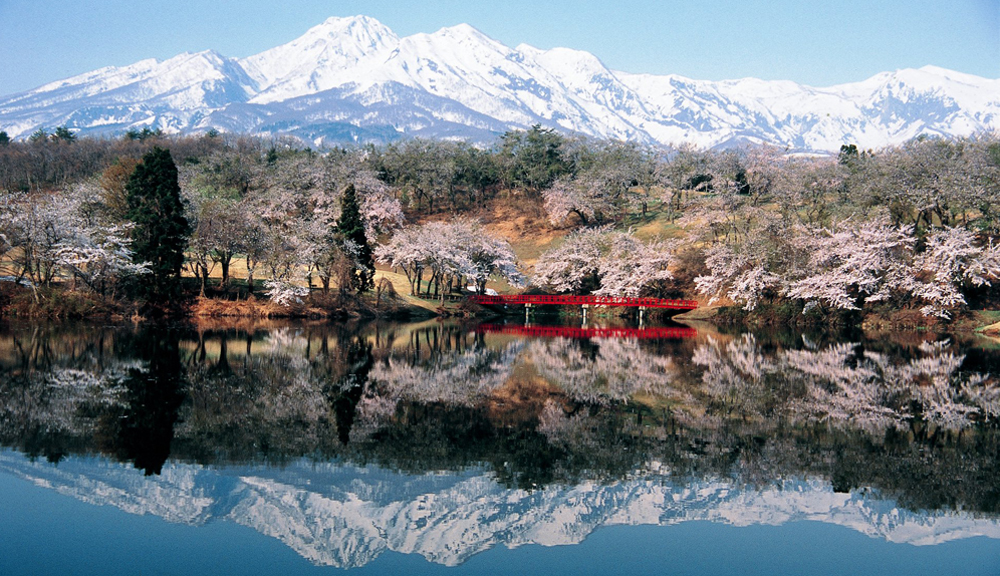
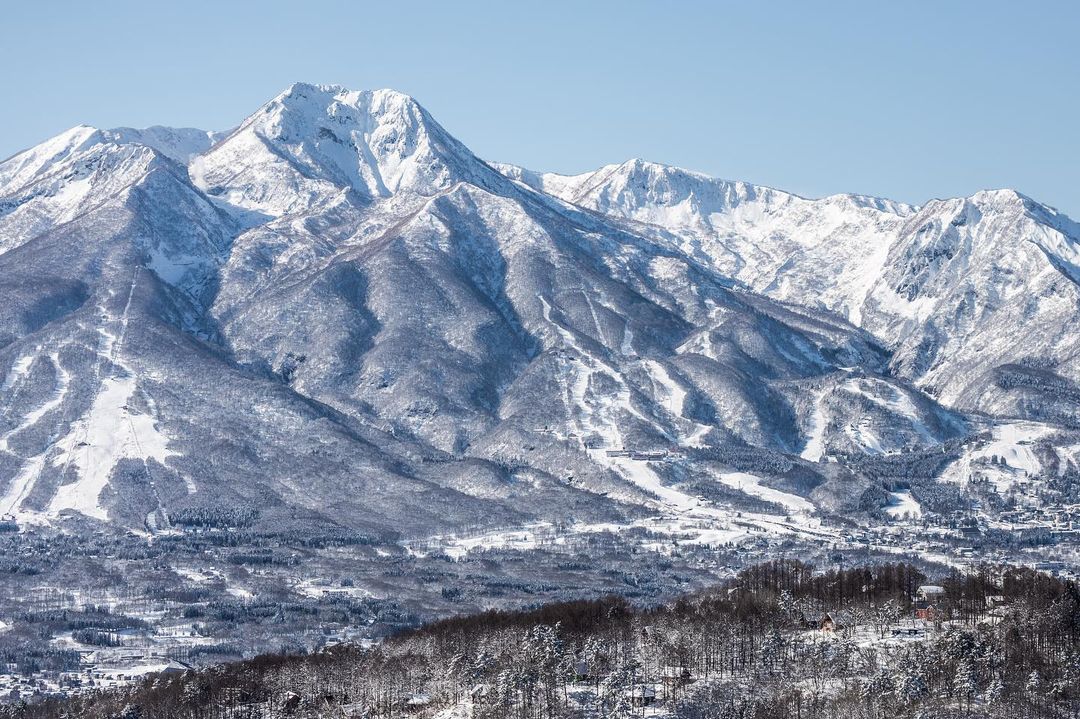
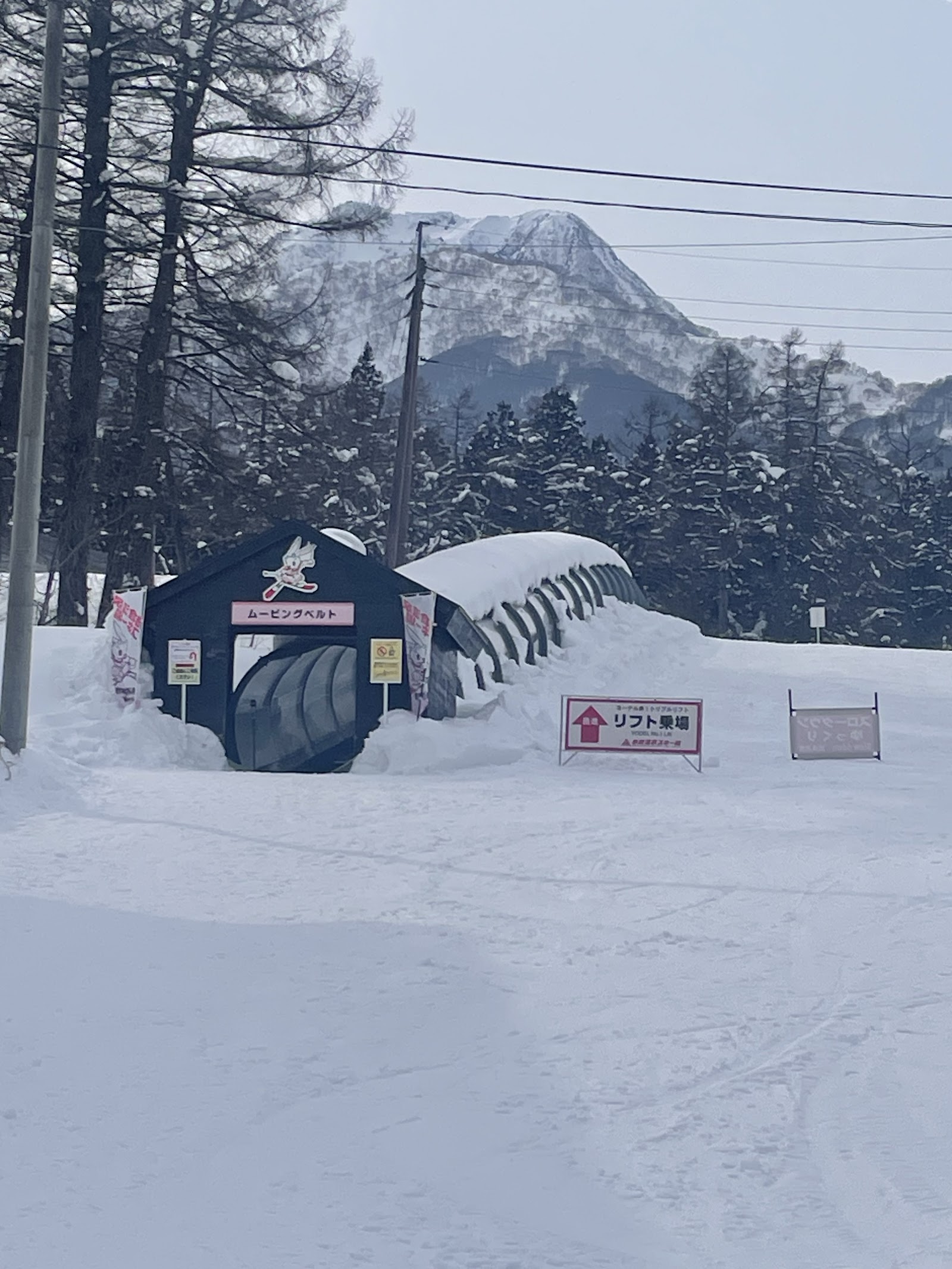
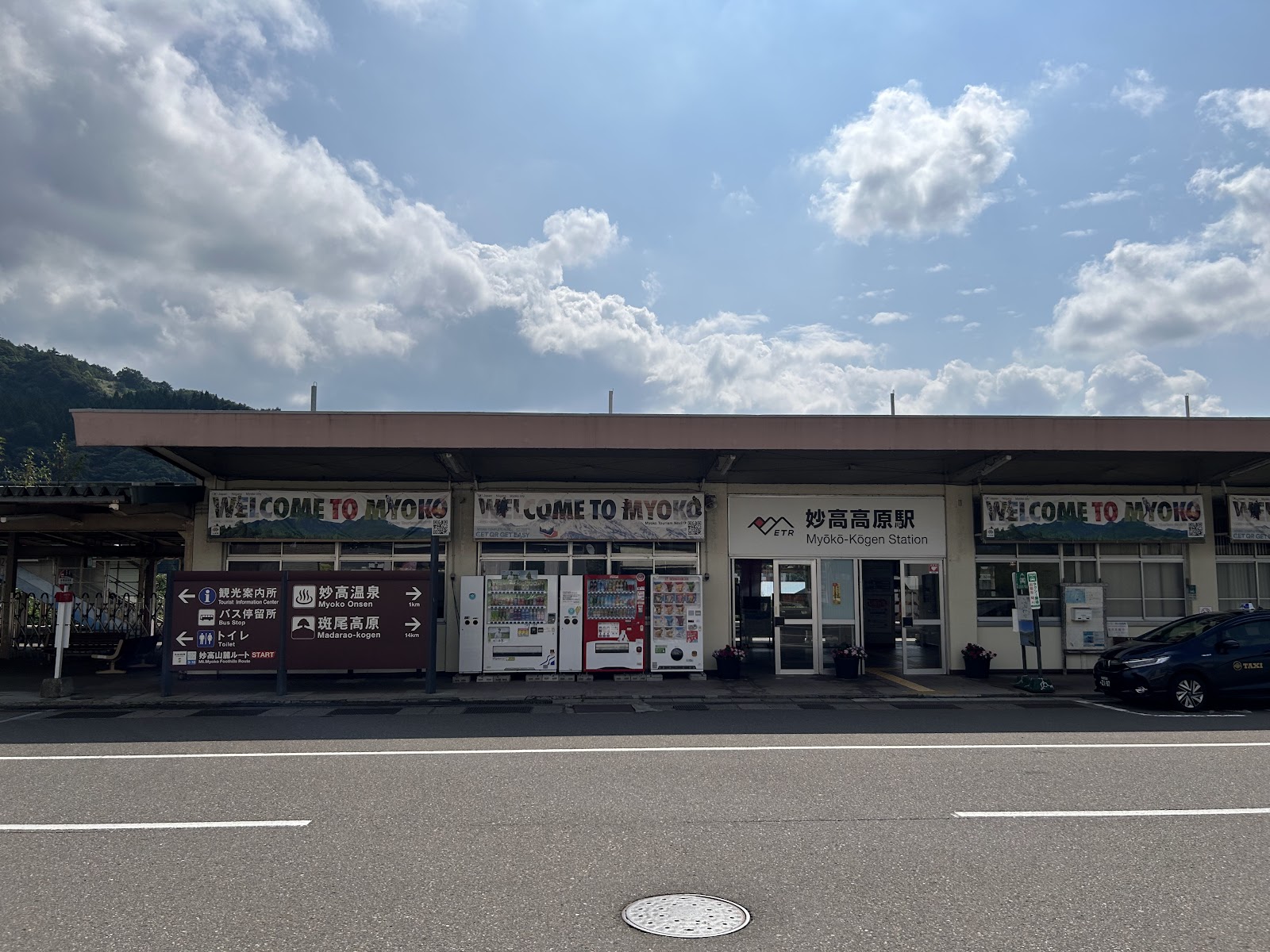
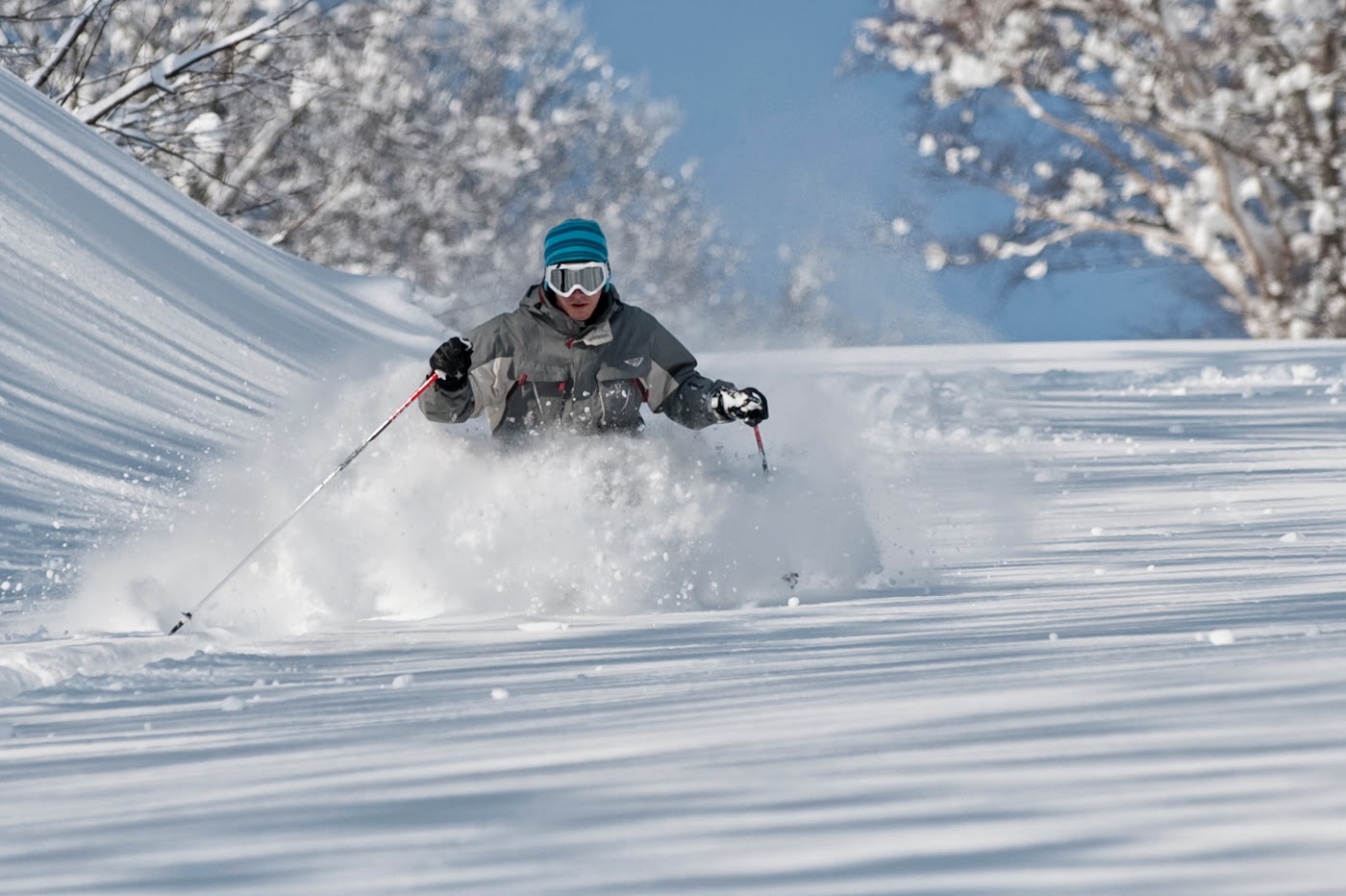
Photos via Google. Contributed by Katarina Gazo, Nic Klar.
Who it suits
Myoko Kogen suits three groups above all: intermediates who want long, varied groomed runs, powder hunters who want deep snow without Niseko prices, and families who want a calm, traditional Japanese base. With around 100 km of pistes spread across linked areas and a run split of roughly 70 percent green and blue, it is a cruiser's mountain first and an expert's mountain second.
It is a weaker fit for two types of traveler. Skiers who want a buzzing international scene, reliable English everywhere and slope side luxury hotels will find Niseko or the Alps a better match. Pure experts chasing steep lift served terrain will find Myoko's gradients gentle, though the tree skiing and the long Suginohara descents still reward them on a powder day.
The skiing
The skiing is spread across a cluster of separate but nearby areas, principally Akakura Onsen, Akakura Kanko, Suginohara, Ikenotaira and Seki Onsen, together totaling around 100 km of pistes. Suginohara holds the headline numbers: a vertical of roughly 1,100 m and a marked run of around 8.5 km, among the longest in Japan, ideal for intermediates who like to link turns for ten minutes at a time.
Snowfall is the real statistic. Myoko sits in one of the snowiest corridors on earth, averaging around 13 meters a season, heavier and slightly denser than Hokkaido's famously dry powder but far more abundant than most of the Alps. The tree skiing at Seki Onsen and Akakura Kanko is the local secret, steep by Myoko standards and rarely tracked out.
Terrain by ability breaks down cleanly. Beginners and lower intermediates have wide, gentle pistes at Akakura Onsen and Ikenotaira. Strong intermediates get the long Suginohara runs and the Kanko glades. Advanced skiers get short pitches and excellent powder between the trees rather than big alpine faces, so set expectations toward quality of snow over scale of vertical.
The village
Myoko is not one village but several onsen towns scattered below the ski areas, the largest being Akakura Onsen. These are working Japanese hot spring towns, not purpose built resorts, with steaming public baths, family run inns and a handful of izakaya rather than a pedestrian shopping street. The atmosphere is quiet, traditional and deeply local.
For the right traveler this is the charm; for others it is the catch. There is no single lively core, the areas are a short drive or shuttle apart, and an evening here means an onsen soak and a quiet dinner rather than a bar crawl. If you value authenticity and calm over convenience and nightlife, Myoko delivers it more honestly than almost any resort in Japan.
Apres and evenings
Let me be precise about the apres, because Myoko is routinely oversold on this point. There is no concentrated apres ski scene comparable to Niseko's Hirafu or any Alpine resort. Bars number in the handful, not the dozens, and most close early. The social center of gravity is the onsen and the inn, not the bar.
What replaces nightlife is, for many, better. The evening ritual is a long soak in naturally heated, mineral rich hot spring water, often outdoors as snow falls, followed by a multi course dinner of local mountain and seafood cooking in your lodging. Akakura Onsen has the most options for a drink afterward, but the honest expectation is a calm, early, restorative evening rather than a late one.
So the verdict on apres is simple. If your trip is built around a party, choose elsewhere. If it is built around deep snow by day and onsen by night, Myoko offers one of the most authentic versions of that in Japan, at a price well below the famous names.
Where to stay
The practical choice is between the onsen towns. Akakura Onsen is the most convenient base, walkable to lifts and with the widest choice of inns, hotels and the few bars. Akakura Kanko sits higher with ski in ski out access to the Kanko trees. Suginohara and Ikenotaira are quieter and better reached by car or shuttle, suiting families who prioritize the long runs over the nightlife.
Most lodging is in traditional inns and small hotels rather than large branded resorts, and half board, with breakfast and dinner included, is both the norm and the best value. For how this style of stay compares with chalets and apartments, see our guide to catered chalet versus hotel versus apartment. If you would like a Myoko and Japan trip priced for your dates, use the form below and we will route your brief to operators who know the country.
Get chalet and lodging quotes
For a faster quote on where to stay in Myoko Kogen, send the short form below and operators who know Myoko and the Nagano and Honshu region will price your dates and group.
Lift pass prices and how to save
A single area day pass runs around $45 to $50, roughly half what you pay at Niseko United, which is the single strongest argument for Myoko. A combined Mt Myoko pass covers several linked areas for a modest premium and is the smart buy for a stay of three days or more, since it lets you ski Suginohara's length and the Akakura trees on one ticket.
The bigger savings are structural. Lodging, food and lessons all cost noticeably less here than at Japan's headline resorts, so a Myoko week lands comfortably in the under $2,000 to $2,000 to $4,000 band per person before flights. Compare current pass options through our lift pass partner.
Lessons and ski hire
Myoko has long catered to visiting skiers, so English speaking instruction is available, though less ubiquitous than at Niseko. Booking ahead matters in the busy January and February window. Group lessons are good value here and a sensible spend for families and improving intermediates who want to make the most of the long runs.
Rental gear is widely available at the base areas and in town, with powder specific skis worth requesting given the snowfall. Arrange lessons through our lessons partner and skis or a board through our ski hire partner.
Getting there
Access is easier than Myoko's quiet reputation suggests. The Hokuriku bullet train from Tokyo reaches Myoko Kogen station in around 2 hours 30 minutes including the local connection, after which shuttles and taxis serve the onsen towns. This rail route is one of the simplest in Japanese skiing and removes any need to drive.
Drivers flying into Tokyo's Narita or Haneda can also reach Myoko by road in roughly 4 to 5 hours, useful for hopping between the scattered areas. Book transfers or a car through our transfer partner, and sort cover through our travel insurance partner before you travel.
When to go
January and February are the core powder months, the coldest and snowiest, when Myoko's 13 meter average does its work and the trees fill in daily. December builds a solid base, and Myoko's relatively high terrain holds the season into April and even early May at Suginohara, which is unusually long for Honshu. For the deepest snow aim for midwinter; for longer days, spring sun and quiet slopes aim for March onward.
The honest bottom line
Myoko Kogen is the value powder destination of Honshu: around 13 meters of annual snow, roughly 100 km of long, varied pistes including one of the longest runs in Japan, and traditional onsen towns, all at close to half the price of the famous resorts. You trade international polish, concentrated nightlife and slope side luxury for deep snow, calm and authenticity.
For intermediates, families and powder hunters watching their budget, it is one of the smartest bookings in Japan; for those who want a lively, luxury international resort, Niseko or the Alps will fit better. If you want this trip priced by specialists, tell us your dates and budget below and we will route your brief to operators who know Myoko and Japan.
Common questions
Why is Myoko Kogen worth visiting?
Myoko Kogen records around 13 meters of snow a year, among the most of any lift served area in Japan, across a cluster of linked resorts with about 100 km of pistes. It offers long runs, deep powder and traditional onsen towns at roughly half the price of Niseko, which makes it one of the best value ski destinations in the country.
Is Myoko Kogen good for beginners and families?
Yes. Roughly 70 percent of the terrain is green and blue, with wide gentle pistes at Akakura Onsen and Ikenotaira, and the onsen towns make a calm family base. Lessons and rentals are cheaper than at Japan's headline resorts, though English service is less widespread than at Niseko.
How does Myoko compare with Niseko?
Myoko gets comparable snowfall to Niseko but costs around half as much for passes, lodging and food, and is far quieter with less nightlife and less English. Niseko offers more international polish, a bigger apres scene and easier access for first time visitors to Japan, while Myoko rewards travelers who value snow, calm and value.
How much snow does Myoko Kogen get?
Around 13 meters in an average season, placing it among the snowiest lift served areas in Japan. The snow is slightly denser than Hokkaido powder but extremely abundant, and the tree skiing at Seki Onsen and Akakura Kanko holds fresh snow well between storms.
How do you get to Myoko Kogen?
The fastest route is the bullet train from Tokyo to Myoko Kogen station in around 2 hours 30 minutes including the local connection, then a short shuttle or taxi to the onsen towns. Driving from Tokyo takes roughly 4 to 5 hours and is useful for moving between the scattered ski areas.
When is the best time to ski Myoko Kogen?
January and February deliver the deepest, most frequent powder. December lays a strong base, and the high Suginohara terrain holds good skiing into April and even early May, so spring visitors get longer days, more sun and quiet slopes.
Where should you stay and when should you go?
Plan your Myoko Kogen trip with specialists
Send one brief and vetted operators return tailored proposals covering lodging, transfers, passes and lessons. No fee to you, ever.