Shiga Kogen Ski Resort Review 2026
Shiga Kogen is the largest connected ski area in Japan, a high, cold, snow sure sprawl of around 18 linked zones gathered onto a single pass in the mountains above Nagano. It suits families, beginners and intermediates who want enormous mileage of gentle cruising, reliable powder and a calm onsen evening rather than a party. Skip it if you need a charming single village, lively apres ski or steep expert terrain, because Shiga Kogen is vast, dispersed and quiet by nature.
By the Ski Resorts for Kings editorial team · Last reviewed May 2026
Mountain stats at a glance
| Base altitude | around 1,300 m, roughly 4,300 feet at the lower villages |
|---|---|
| Top lift | around 2,300 m, roughly 7,500 feet at Yokoteyama |
| Vertical | roughly 1,000 m across the whole linked area |
| Pistes | around 80 km across roughly 18 connected zones |
| Run split | mostly green and blue, plenty of red, limited black |
| Lifts | around 50 lifts on one shared pass |
| Season | roughly late November to early May, one of Japan's longest |
| Nearest airport | Tokyo, then bullet train to Nagano and around 1h by bus |
| Day pass | around $50 for the all mountain ticket |
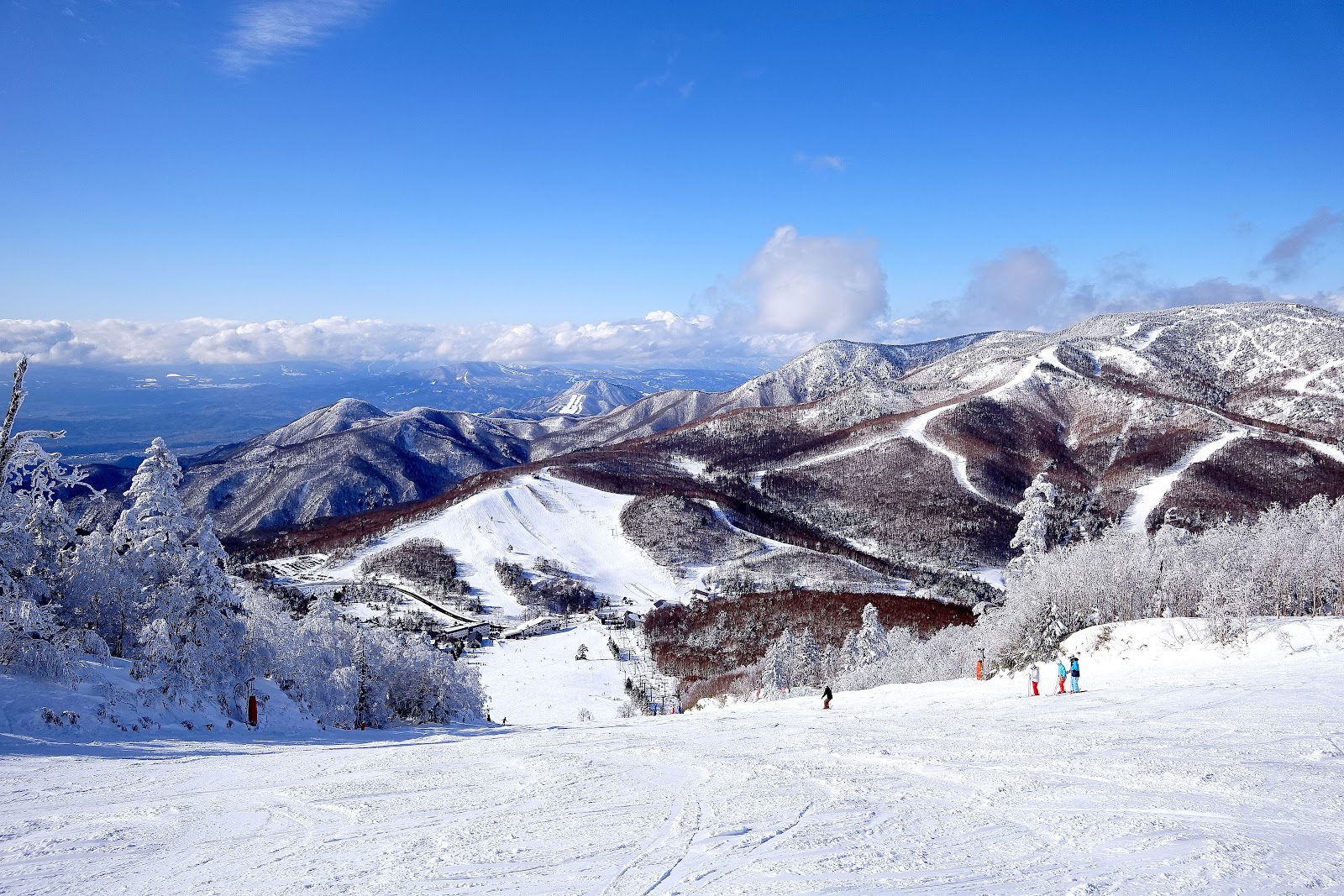
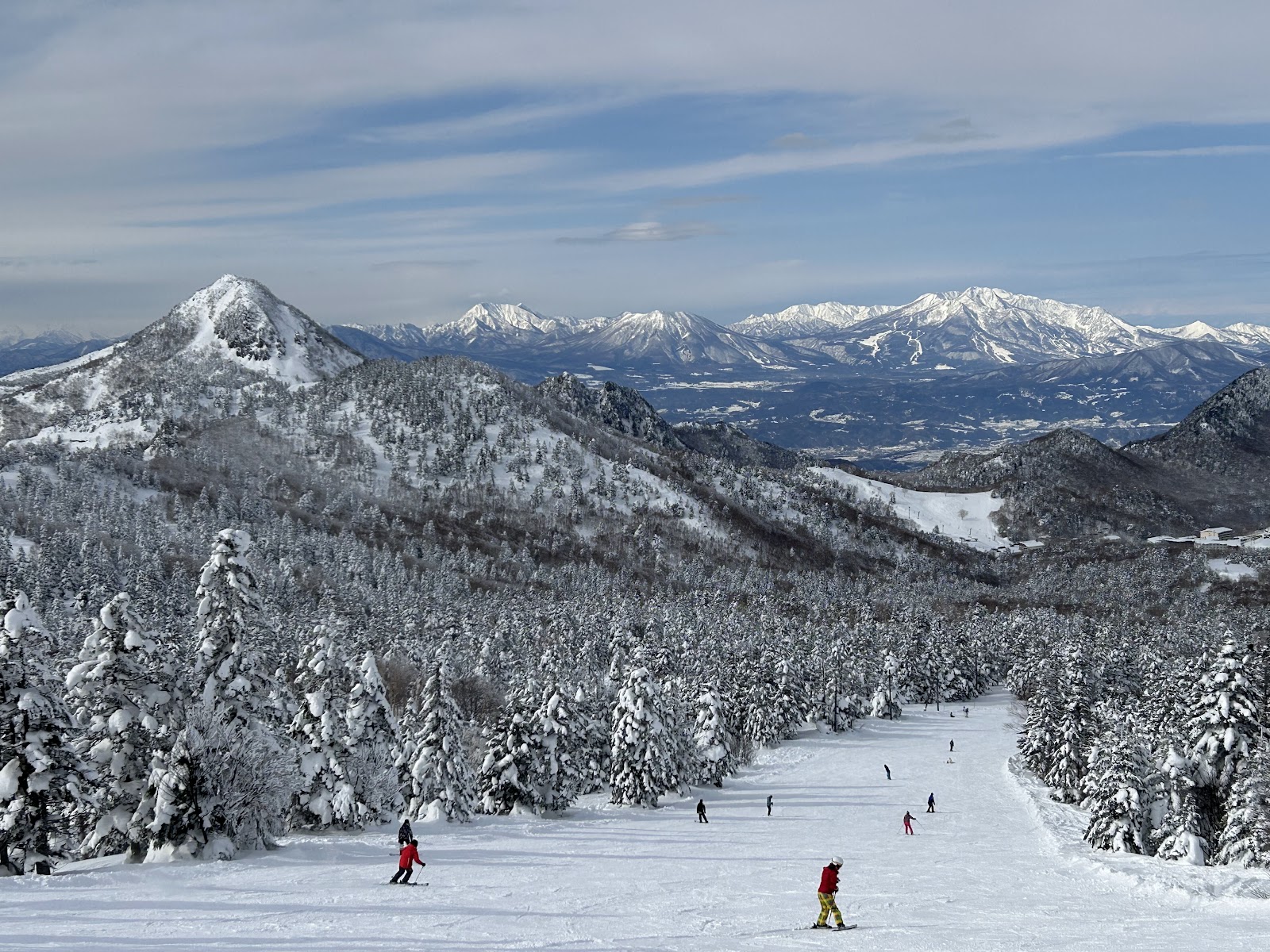
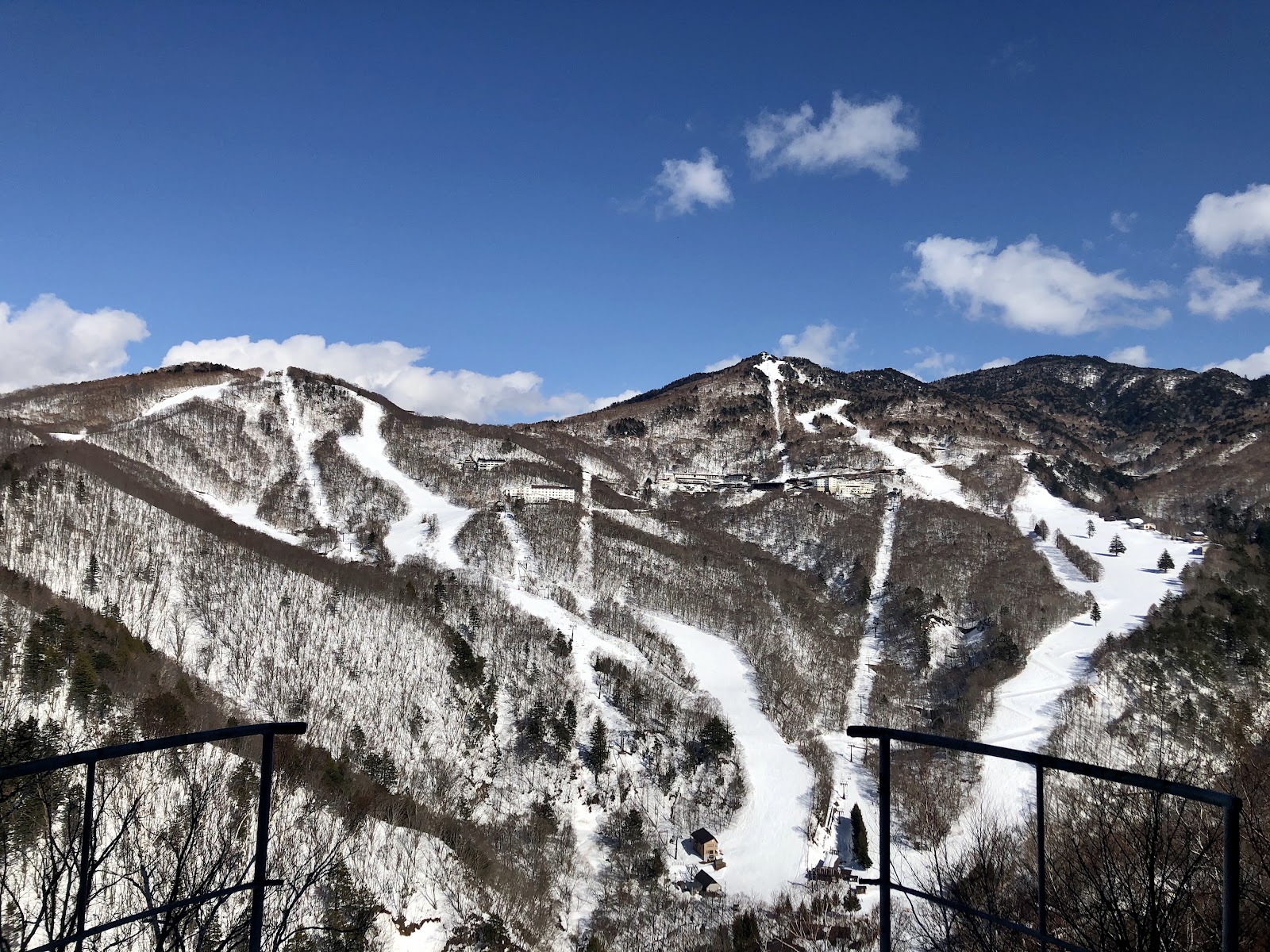
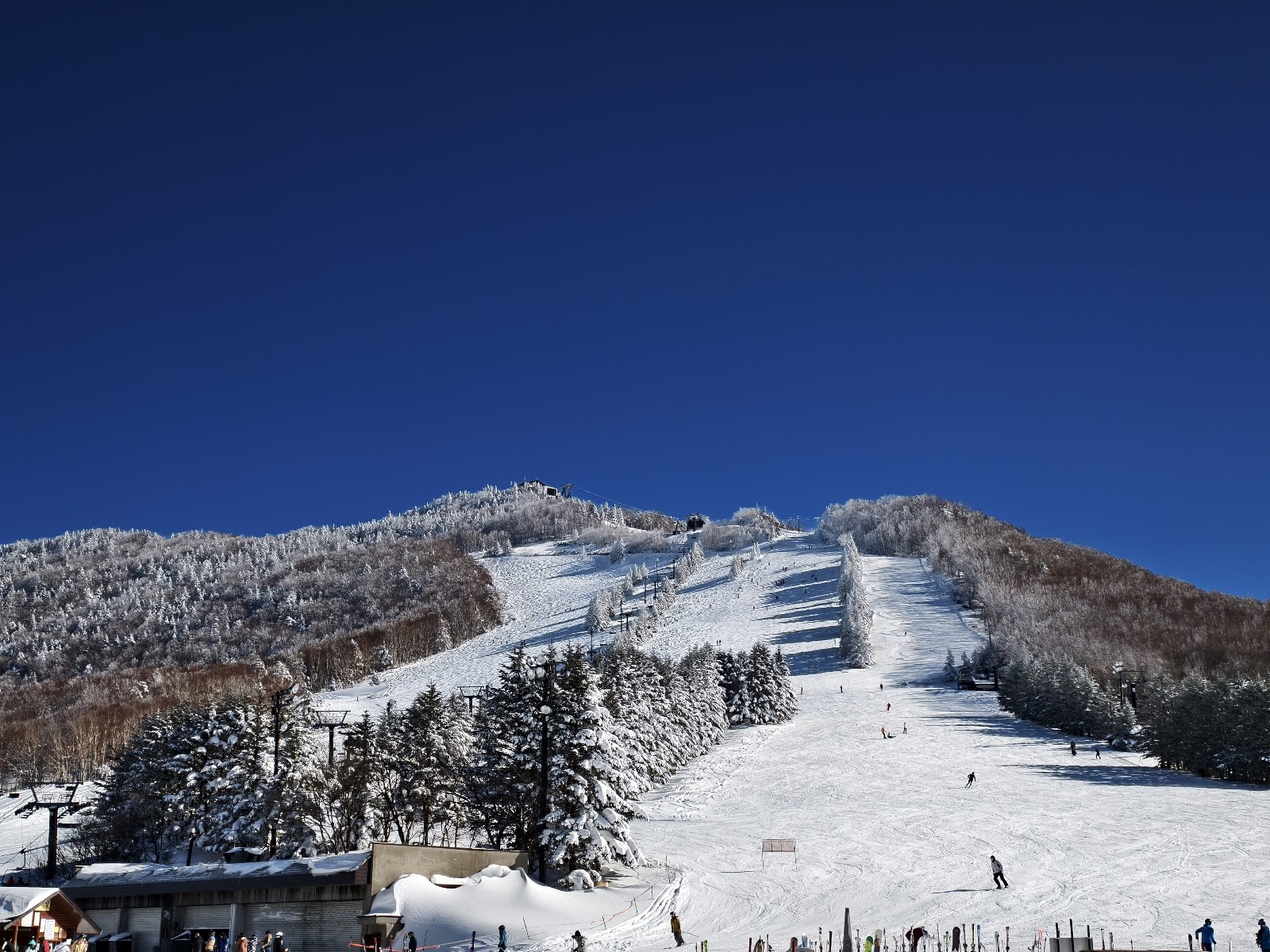
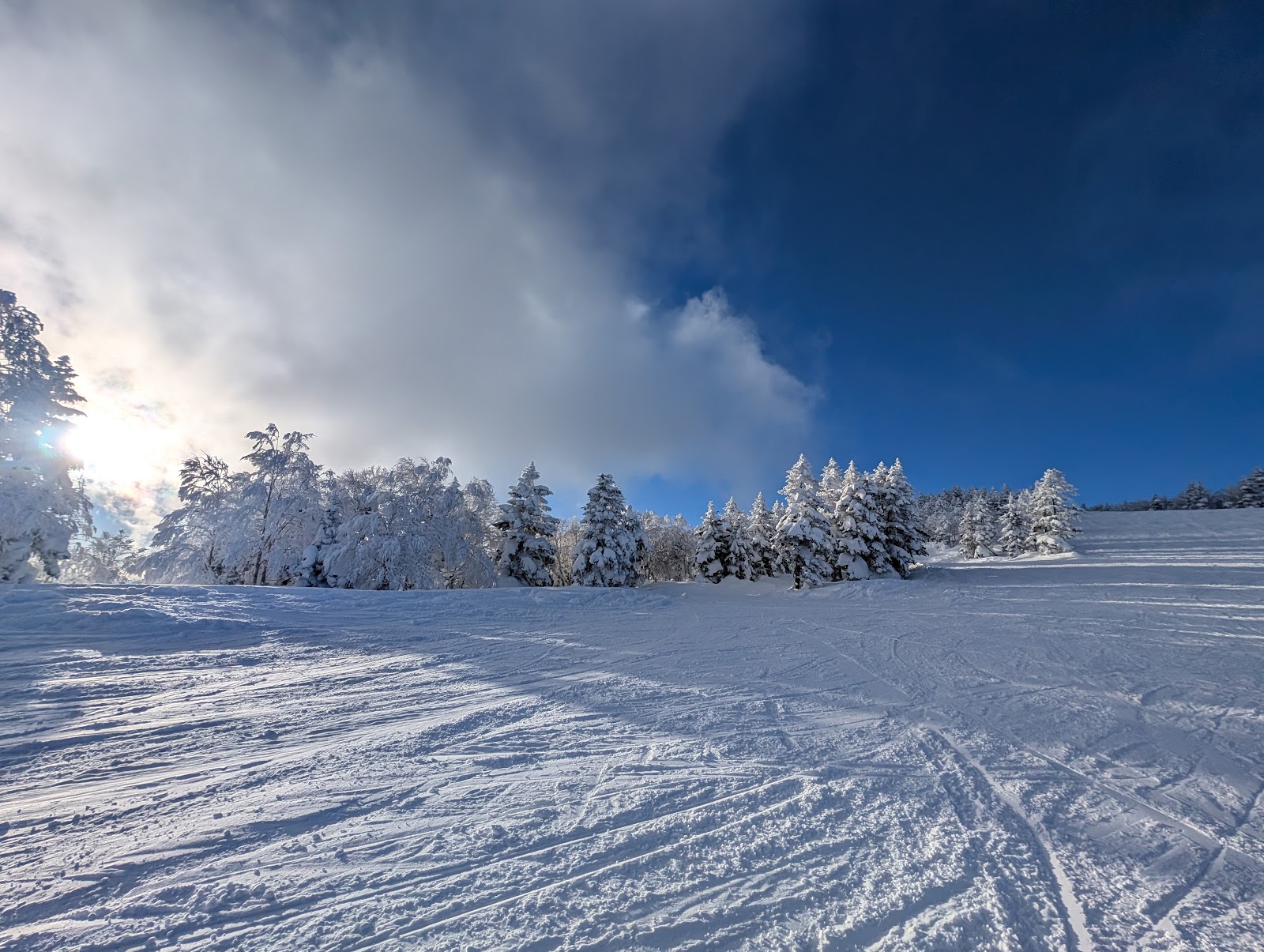
Photos via Google. Contributed by Chris Chan, J T.
Who it suits
Shiga Kogen suits the skier who measures a holiday in miles of relaxed cruising and reliable snow rather than charm or nightlife. Families, beginners and intermediates are the natural fit here, set loose across the biggest connected lift network in the country, where one pass opens around 18 zones of mostly gentle, immaculately cold terrain. Add a long season and a high, snow sure setting and you have one of the most dependable family weeks in Japan.
It is a poor match for two kinds of traveler. Experts will run out of genuine steeps quickly, because for all its size this is a cruising mountain rather than a thrill machine. And anyone hoping for a pretty, walkable village with a humming bar scene will be disappointed, because Shiga Kogen is a scattering of lodges and onsen hotels across a high plateau, not a town. Come for the snow and the space, not the scene.
The skiing
The skiing is about scale and connection. Around 18 separate ski areas link together across a vast high plateau, and a single pass lets you ride from one to the next all day, so the pleasure is exploration, ticking off zones and rarely skiing the same run twice. Most of it is forgiving green and blue cruising with a generous helping of reds, ideal for building confidence and covering ground.
The snow is the quiet headline. Sitting high and cold in the Japanese Alps, Shiga Kogen is genuinely snow sure, holding a deep, dry base from early winter into spring, and on a storm day the quieter trees fill with light powder that lasts longer than at the famous Hokkaido names. Experts will find pockets of steeper pitch and good tree skiing, but they are pockets, not the main event, and the lift infrastructure is dated in places, with plenty of slow old chairs.
What you trade for the mileage is a little romance. This is not a tightly designed modern resort, it is an old, sprawling network that grew over decades, and getting between the far flung zones can mean shuttle buses and patience. Treat it as a touring playground rather than a slick circuit and it rewards you handsomely, especially across a longer stay when you have time to reach the outer corners.
The village
There is no single village at Shiga Kogen, and understanding that is the key to enjoying it. Instead there is a constellation of small lodge clusters and onsen hotels strung across the plateau, places like Hasuike, Ichinose and Okushiga, each a handful of buildings around its own lifts, connected by road and shuttle. It is functional Japanese ski architecture rather than alpine postcard, low slung, snow buried and unpretentious.
The charm here is elemental rather than scenic. You stay in a comfortable lodge, soak in a hot spring, eat well and sleep deeply in the mountain quiet, and the dispersed layout that frustrates anyone wanting a buzzing center is exactly what gives the place its hush. For the real onsen town experience, many visitors base a little down the hill in Yudanaka or near the famous snow monkeys of Jigokudani, then ride up to ski.
Apres and evenings
Let me be honest about the apres, because it is my subject and Shiga Kogen tests every expectation a European skier brings. There is no apres ski here in the noisy sense, no slopeside terrace packed at four o'clock, no bar crawl, no scene to walk between. The lifts wind down, the light goes flat and pink over the snowfields, and the social ski day simply dissolves into something far quieter.
What replaces it is the onsen, and for the right traveler it is the better bargain. You come off the snow stiff and cold, strip down and lower yourself into a steaming volcanic bath, often outdoors with snow settling on your head, and you understand why the Japanese treat this as the true reward of a ski day. Dinner tends to be in your lodge, an unfussy, generous spread of local mountain food, hotpot, grilled fish and Nagano produce, eaten early and washed down with sake or a cold Japanese beer.
So the verdict on the evenings is that they are restorative rather than raucous, and you should know which you want. If your idea of apres is a crowded bar and live music, Shiga Kogen will feel like a ghost town after dark. If it is a hot spring under falling snow, a quiet feast and an early night before more empty powder, it is one of the most soothing ski evenings in Japan, and the snow monkeys bathing in their own hot spring nearby are a strange and lovely day off.
Where to stay
Choose your base by what you value. To ski straight from the door across the most terrain, stay in one of the central lodge clusters like Ichinose or Hasuike, where you trade charm for convenience and ski in ski out access to the network. For atmosphere and proper onsen town character, base lower in Yudanaka and ride the bus up, gaining traditional inns, restaurants and the snow monkeys in exchange for a short morning commute.
Lodging here is mostly comfortable, well run Japanese hotels and pensions rather than grand chalets, and half board is the sensible default given how scattered the dining is. If you would like a Shiga Kogen and Nagano trip shaped around your dates and budget, use the form below and we will route your brief to operators who know Japan. Our guide to booking a catered chalet covers lodging choices for bigger groups.
Lift pass prices and how to save
The all mountain pass runs around $50 a day, which is exceptional value for the sheer scale of terrain it unlocks, and multi day tickets bring the daily rate down further for a longer stay. The smart move is to buy the full area pass rather than a single zone ticket, because the whole point of Shiga Kogen is roaming the connected network, and the saving from a cheaper limited pass is not worth the terrain you lose.
Compare current prices and arrange passes through our lift pass partner.
Lessons and ski hire
Shiga Kogen is a fine place to learn, with gentle, wide nursery terrain and English speaking instruction available at the main bases, though it is worth booking ahead because international ski schools here are smaller than at Niseko or Hakuba. Rental gear is easy to arrange at the larger lodges and is well suited to the cold, dry snow, so first timers and families can travel light and kit out on arrival.
Arrange lessons through our lessons partner and rental gear through our ski hire partner.
Getting there
Shiga Kogen is easier to reach than its remote feel suggests. From Tokyo, a bullet train carries you to Nagano in around 90 minutes, and a direct bus from Nagano station climbs to the resort in roughly another hour, making it one of the more accessible major ski areas from the capital. Drivers can rent a car, though winter mountain roads and the dispersed layout make the train and bus combination the more relaxing choice for most.
Book a transfer or car through our transfer partner, and sort cover through our travel insurance partner before you travel.
When to go
January and February are the heart of the season, the coldest, snowiest months with the most reliable powder and the deepest base. December skis well thanks to the high, cold setting, and because Shiga Kogen holds snow so long, March and April offer sunny, uncrowded spring cruising with skiing often lasting into May at the highest zones. Come midwinter for powder and quiet, come in spring for sunshine, longer days and the best value.
The honest bottom line
Shiga Kogen is the largest connected ski area in Japan and one of its most snow sure, a high, cold sprawl of around 18 linked zones perfect for families and mileage hungry cruisers who want endless gentle terrain and reliable powder. You trade a charming village and any real apres scene for scale, dependable snow and deeply restful onsen evenings. For experts chasing steeps or travelers wanting nightlife it is the wrong mountain, but for a calm, snow sure family week with room to roam it is hard to beat.
If you want this trip priced by specialists, tell us your dates and budget below and we will route your brief to operators who know Shiga Kogen and Nagano.
Nearby alternatives
Nozawa Onsen: A historic onsen village in the same Nagano mountains with real town charm, deep snow and a far livelier evening, the antidote to Shiga Kogen's hush. Myoko Kogen: An old, atmospheric Honshu resort cluster with enormous snowfall and classic tree skiing, snowier and quirkier than Shiga. Hakuba Happo One: The serious, steep, Olympic flagship of the Hakuba Valley, the place to go when you have outgrown Shiga's gentle terrain and want real alpine pitch.
Common questions
Is Shiga Kogen the biggest ski resort in Japan?
Yes. Shiga Kogen is the largest connected ski area in Japan, gathering around 18 separate ski zones across a high plateau onto a single shared pass, with roughly 80 km of pistes and around 50 lifts. The scale and connection are its defining feature.
Is Shiga Kogen good for beginners and families?
Very. The terrain is mostly gentle green and blue cruising with wide nursery areas, the snow is reliable and the single pass gives families enormous room to roam. It is one of the best snow sure family weeks in Japan, though it lacks a charming central village.
Does Shiga Kogen have good apres ski?
No, not in the lively European sense. There is no buzzing bar scene, and the resort is a scattering of lodges rather than a town. The evening belongs to the onsen, a hot spring soak followed by an early lodge dinner, which is restful rather than raucous.
How good is the snow at Shiga Kogen?
Excellent and reliable. Its high, cold setting makes it genuinely snow sure, holding a deep dry base from early winter into spring, and the quieter zones fill with light powder on storm days that lasts longer than at busier resorts. The season is one of the longest in Japan.
Is Shiga Kogen suitable for expert skiers?
Less so. For all its size it is a cruising mountain, with only pockets of genuine steeps and tree skiing rather than sustained challenge. Experts wanting real alpine pitch should look to Hakuba Happo One, while powder hunters may prefer Hokkaido.
How do I get to Shiga Kogen from Tokyo?
Take the bullet train from Tokyo to Nagano in around 90 minutes, then a direct bus from Nagano station that climbs to the resort in roughly another hour. It is one of the more accessible major ski areas from the capital, and the famous snow monkeys are nearby.
Plan your Shiga Kogen trip with specialists
Send one brief and vetted operators return tailored proposals covering lodging, transfers, passes and lessons. No fee to you, ever.