Tignes Village Guide 2026
Tignes is the snow you can count on. It sits high above the treeline at around 2,100 m, a cluster of purpose built villages strung around a glacial lake, with the Grande Motte glacier rising to roughly 3,450 m and around 300 km of linked pistes shared with Val d'Isere on the Espace Killy pass. Come here for one of the most reliable snow records in the Alps, true ski in ski out from your door and a season that runs longer than almost anywhere else. Stay away if you dream of cobbled squares and old stone, because Tignes is a functional high altitude resort built for the skiing, not a postcard. The reward for that bargain is simple: when lower resorts are praying for snow, Tignes is already skiing.
By the Ski Resorts for Kings editorial team · Last reviewed May 2026
Tignes at a glance
| Village altitude | around 2,100 m at Tignes le Lac and Val Claret, among the highest bases in the Alps |
|---|---|
| Ski area | the Espace Killy, roughly 300 km of linked pistes shared with Val d'Isere |
| Top lift | the Grande Motte glacier at around 3,450 m, reached by an underground funicular |
| Village type | a string of purpose built villages around a lake, built high for the snow |
| Best for | snow reliability, intermediates and experts, freestyle, ski in ski out and a long season |
| Nearest airport | Geneva, roughly a 3 hour transfer, with Lyon and Chambery also in range |
| Area day pass | around $70 for the full Espace Killy pass |
| Season | one of the longest in the Alps, with glacier skiing well into spring |
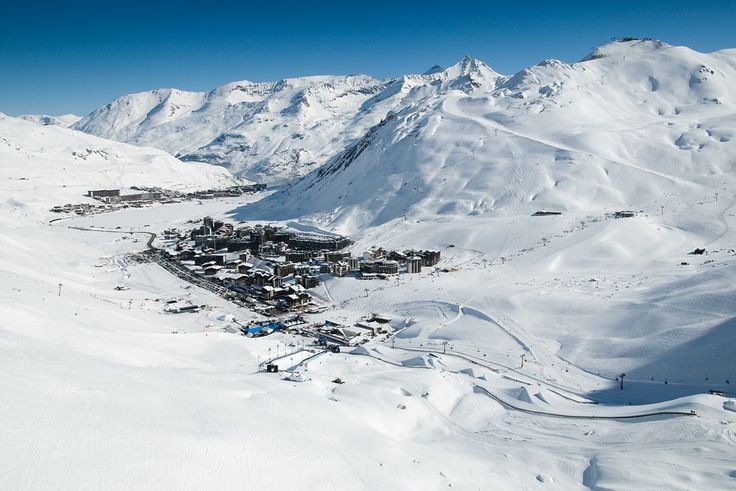
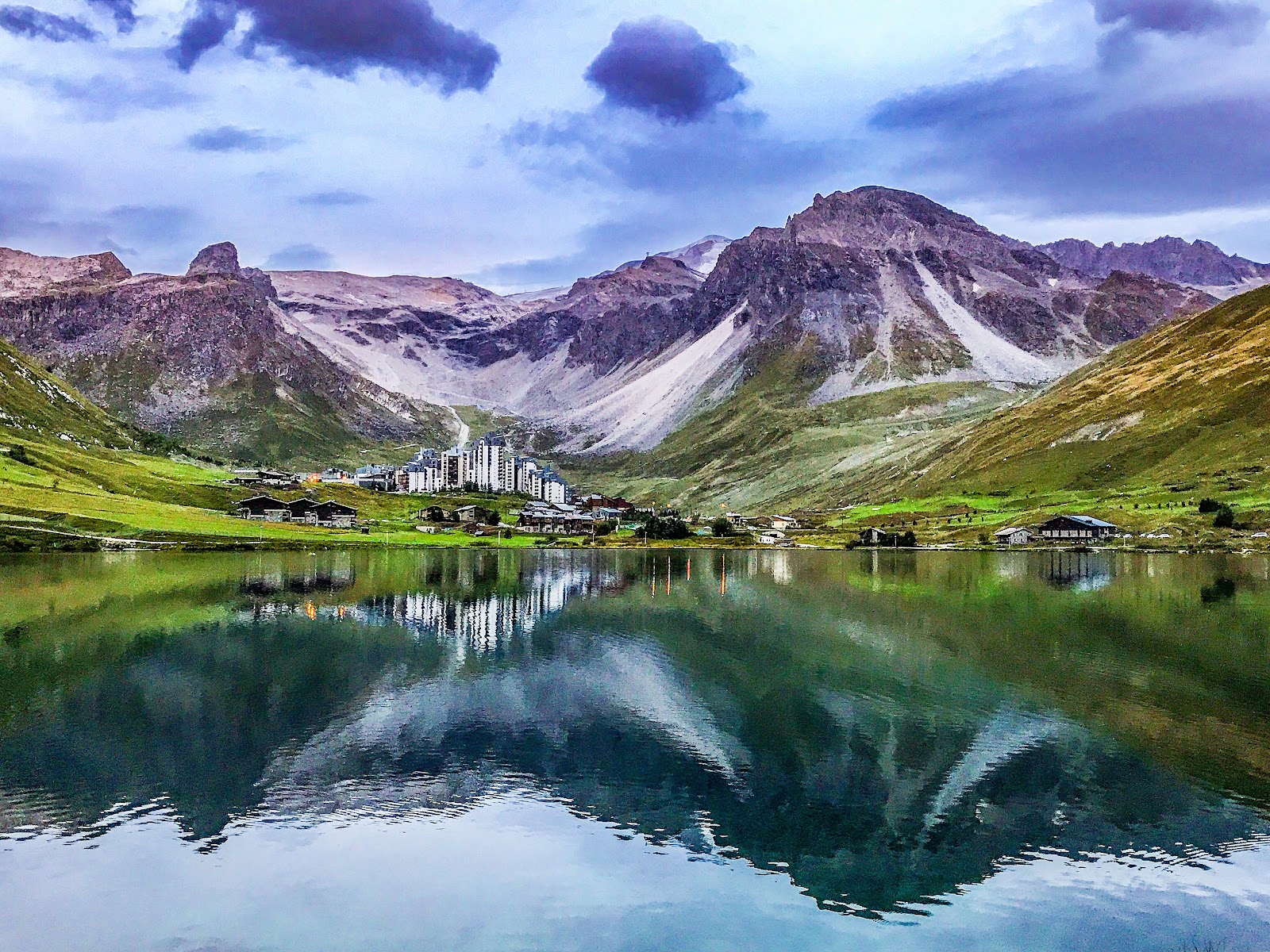
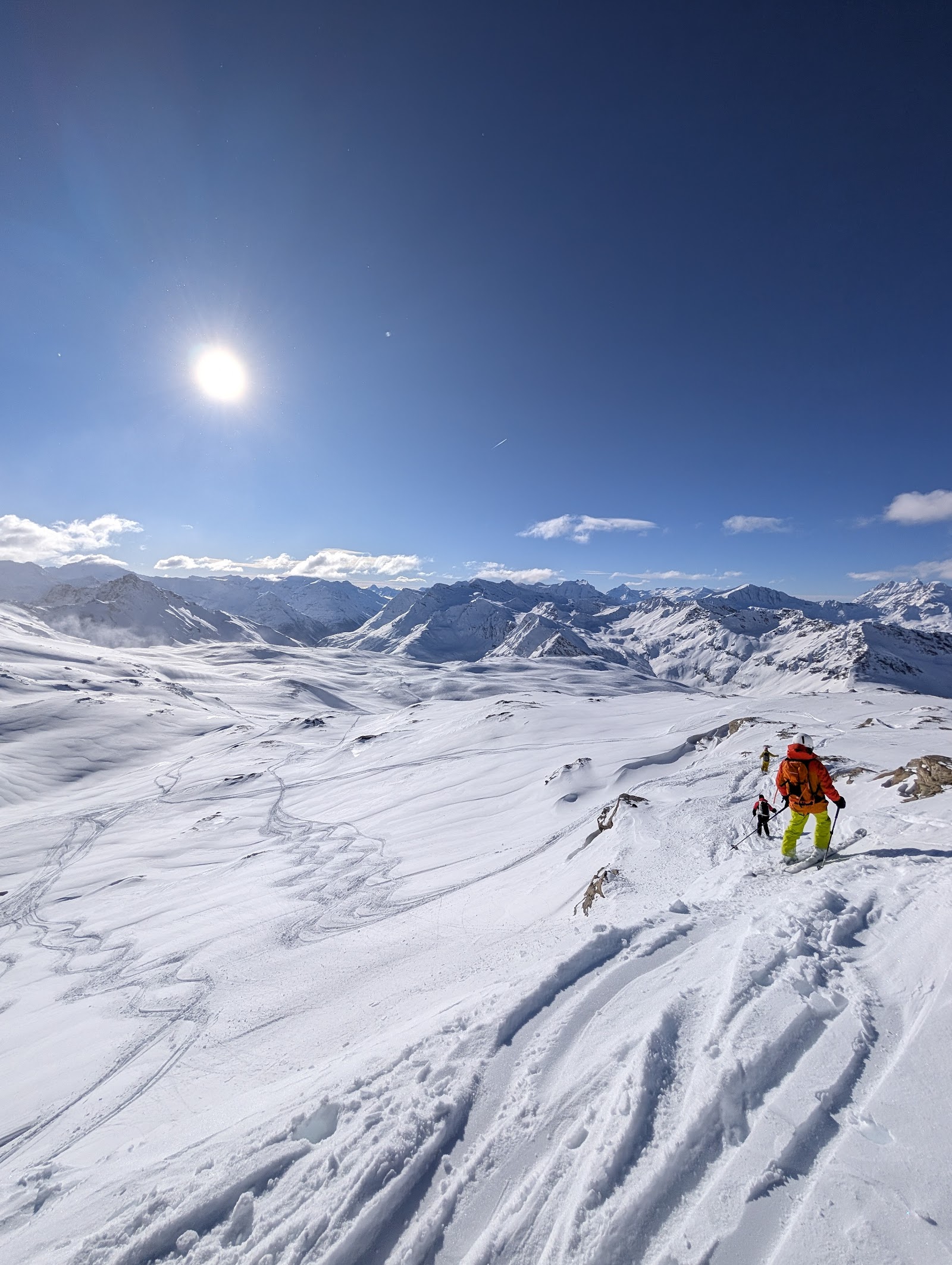
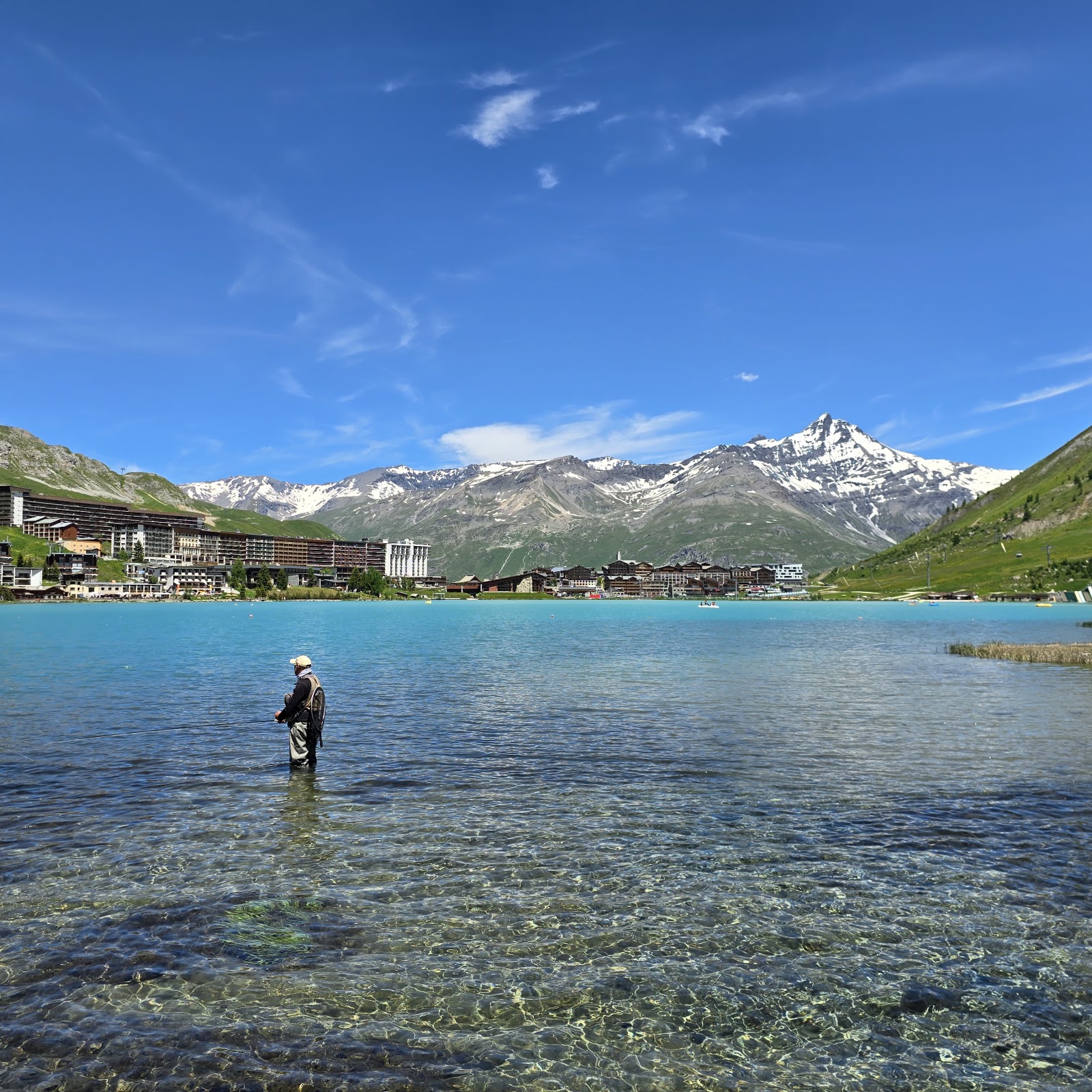
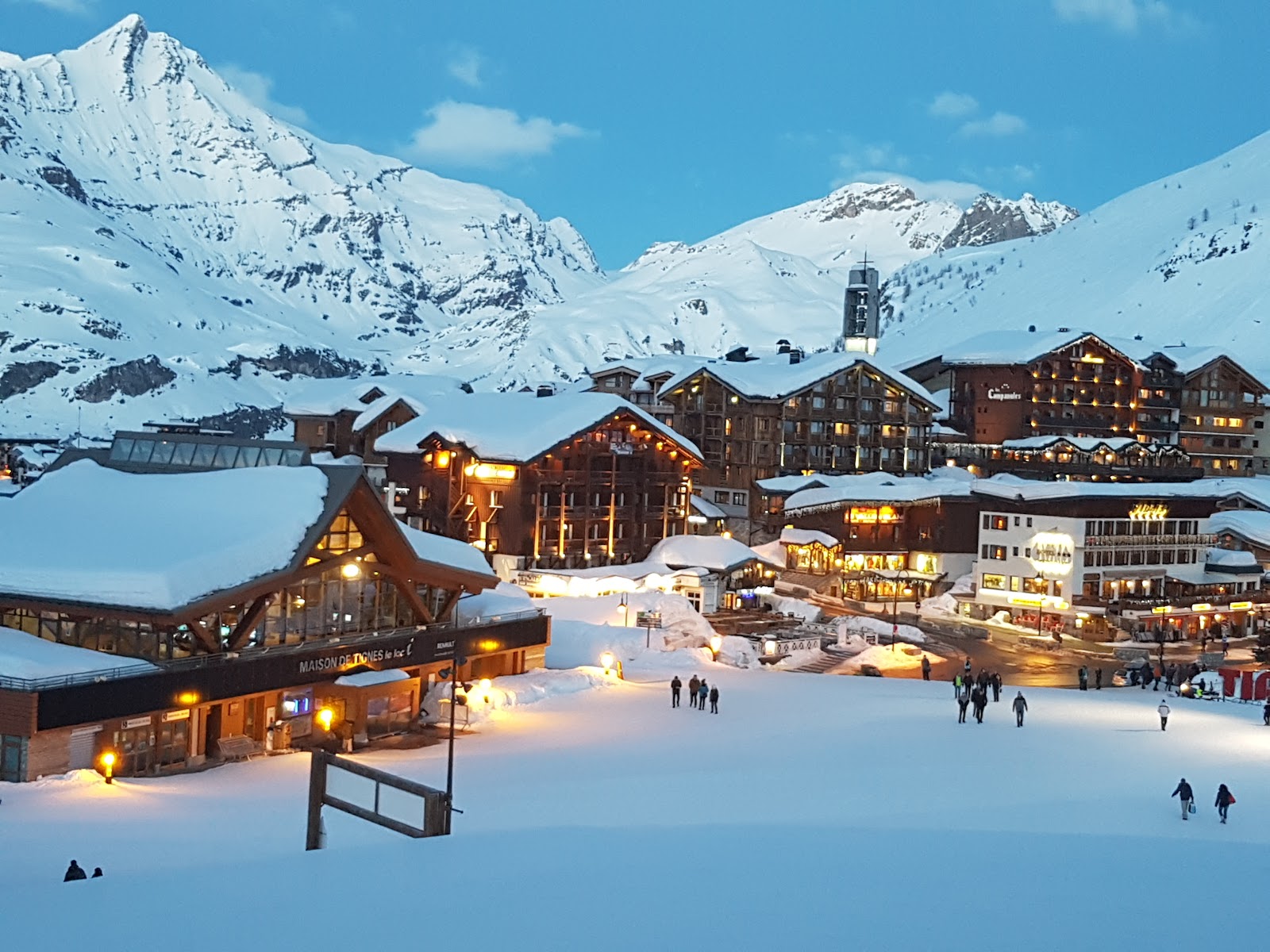
Photos via Google. Contributed by Randolfo Santos, Thomas S, David Zabojnik.
What Tignes is really like
Tignes makes a deal with you and keeps it. In exchange for giving up the chocolate box village, you get altitude, and altitude here means certainty. The bases sit at around 2,100 m and the skiing climbs to the Grande Motte glacier at roughly 3,450 m, so the snow arrives early, lingers late and survives mild spells that leave lower resorts brown. For a skier who measures a holiday in days on snow rather than evenings by a fire, that is the whole argument.
The look is honest about what it is. The villages are practical clusters of apartment blocks and lifts around a lake rather than a single pretty centre, though years of softening have given Tignes le Lac a more welcoming face than its reputation suggests. The point is the mountain, and the mountain is superb. For the full breakdown of terrain and ratings see our Tignes ski resort review.
Where to stay in Tignes
Tignes is really several villages, and choosing the right one matters more here than almost anywhere. Tignes le Lac is the natural heart, lakeside and central, with the most shops, restaurants and lifts on your doorstep, and it suits most first time visitors and families. Val Claret sits a little higher and closer to the glacier funicular, the pick for keen skiers who want the fastest route to the high snow each morning. Le Lavachet is the quieter neighbour of le Lac, handy and calmer.
If charm is what you are missing, look down the valley. Les Brevieres and Les Boisses, the lower villages sometimes branded Tignes 1800, keep more of an old Savoyard feel and a softer setting, with a lift link back up to the main area. A comfortable week across the resort spans the value end to the mid range of the French Alps, with apartments widely available under $2,000 per person and catered chalets reaching the $2,000 to $4,000 band. Because ski in ski out is genuinely possible here, the key question is how close to the lifts you want to wake up. Use the short form below to have your dates and group priced quickly.
Get chalet and lodging quotes
For a faster quote on where to stay in Tignes, send the short form below and operators who know the Espace Killy will price your dates and group, including which of the villages best fits how you ski.
Skiing from the village
From any Tignes base you step onto the full Espace Killy, around 300 km of linked pistes shared with Val d'Isere. This is intermediate and expert heaven. Confident cruisers get endless wide reds and rolling blues that link the two valleys, while strong skiers have the steep faces above Val d'Isere, the long off piste of the Vallon de la Sache and the glacier itself, where the Grande Motte serves high, reliable runs when the rest of the Alps is thin. Tignes is also one of France's freestyle capitals, with a serious park scene and a snow sure halfpipe.
Beginners are well looked after on the gentle slopes around Tignes le Lac and the lake, though the scale of the area is aimed at people who already have their ski legs. The honest caveat is the environment rather than the terrain. Tignes is high and exposed, so in a storm the upper mountain can close and the treeless bowls turn flat and bleak. When that happens you drop to the lower lifts or wait it out, which is the trade for all that altitude. Mixed ability groups do well because nearly everyone finds runs they love.
Apres ski and evenings
Tignes is livelier than its functional looks let on, without ever becoming a circus. Tignes le Lac has the busiest bars and a young, sporty crowd drawn by the freestyle scene and the long season, so there is energy after the lifts close, but it is dialled down from the full throttle nights of its glamorous neighbour over the hill. Val Claret keeps a few good spots of its own for those who want to stay close to the high lifts.
Evenings here are about good simple food, mountain bars and an early night before a big day, rather than dressing up. That suits the people Tignes attracts, who tend to be here for the skiing first. If you want grand dining and a fur lined scene you will lean toward Val d'Isere, which is a quick ski or shuttle away and shares the same slopes.
For families and non skiers
Tignes is a strong, practical family choice, especially for families who ski hard. Ski in ski out keeps the daily logistics simple, the nursery slopes by the lake are gentle and the snow is dependable, which matters most when you have a week booked and little ones learning. The villages are compact and largely car free at their cores, so children can move around safely. For how the area stacks up, see our pick of the best family ski resorts in France.
Non skiers get a more limited but genuine offer. There is a lake side ice rink, snowshoe and winter walking trails, and the spectacular high scenery to take in from the funicular, but this is a place built around the slopes rather than a town with its own life, so a partner who does not ski will find less to fill a week than in a lower resort town. Pair the skiing with a day trip to nearby Val d'Isere for a change of scene.
Getting around
Each Tignes village is compact and walkable, and the cores are largely free of through traffic, so once you arrive you rarely need a car. A free ski bus links Tignes le Lac, Val Claret, Le Lavachet and the lower villages through the day, and the lift network ties the whole resort together so you can often ski between the bases. A guest card from your accommodation covers the bus. A car is useful only for the long transfer in and out, or for a day exploring neighbouring valleys, and parking is set back from the pedestrian centres.
Getting there
This is the one real cost of all that height. Geneva is roughly a 3 hour transfer, with Lyon and Chambery offering similar or slightly shorter runs depending on conditions, and the final climb up the valley can slow in heavy snow. Shared shuttles and private transfers serve the route well, so most people fly in and let someone else drive the mountain road. Arrange a transfer or hire car through our transfer partner, and put cover in place through our travel insurance partner before you travel. For the wider picture see our guide to ski resorts near Geneva.
Lift passes, lessons and ski hire
The full Espace Killy pass runs around $70 a day and covers all of Tignes plus Val d'Isere, which is the one to buy since the whole point of staying here is the linked area. A cheaper Tignes only pass exists for beginners and young families who will spend the week close to home. Compare current pass options through our lift pass partner, book lessons or a guide through our lessons partner, and sort skis or a board through our ski hire partner before you arrive to skip the queues.
When to go
Tignes has one of the widest weather windows in the Alps. The high bases and the glacier mean the resort opens early and stays good late, so December skiing is more reliable here than almost anywhere, and the glacier carries spring skiing long after lower resorts have closed. January and February bring the coldest, deepest snow and the best park conditions, while March and April offer long sunny days and softer afternoons up high. Because Tignes is so exposed, the thing to watch is wind and storm days rather than a lack of snow, so build a little flexibility into a midwinter trip.
The honest bottom line
Tignes is the snow sure heart of one of the great ski areas on earth. For intermediates, experts, freestylers and families who ski hard and want true ski in ski out with a season that runs long, it is one of the safest bets in the Alps, and when the rest of the region is short of snow, Tignes is the place still delivering.
The honest trade off is character and access. This is a high, functional resort with a long transfer, not a pretty old town, and on storm days the exposed upper mountain can shut. If charm and an easy journey matter more to you than guaranteed snow, a lower village will suit you better. If you want this trip priced by specialists, tell us your dates and budget below and we will route your brief to operators who know the Espace Killy.
Common questions
Which Tignes village should I stay in?
Tignes le Lac is the best all round choice, central and lively with the most shops and lifts on your doorstep, ideal for families and first timers. Val Claret is higher and closest to the glacier funicular, the pick for keen skiers, while Les Brevieres and Les Boisses lower down keep more old village charm with a lift link back up.
Is Tignes snow sure?
Yes, it is one of the most reliable resorts in the Alps. The bases sit at around 2,100 m and the skiing reaches the Grande Motte glacier at roughly 3,450 m, so snow arrives early and lasts late, and the glacier offers good runs even in a thin season. The main weather risk is wind closing the high lifts rather than a lack of snow.
How big is the ski area from Tignes?
Large. Tignes shares the full Espace Killy, around 300 km of linked pistes with Val d'Isere, all on one pass. It is best for intermediates and experts, with wide cruising runs, serious off piste and one of the strongest freestyle scenes in France.
How far is Tignes from Geneva airport?
Roughly a 3 hour transfer by road, with Lyon and Chambery offering similar journeys. The final climb up the valley can slow in heavy snow, so most visitors use a shared shuttle or private transfer rather than driving the mountain road themselves.
Is Tignes good for non skiers?
Less so than a lower resort town. There is a lakeside ice rink, snowshoeing, winter walking and spectacular high scenery, but Tignes is built around the slopes rather than as a town with its own life, so a non skier will find fewer ways to fill a week than in a place like Saint Gervais or Megeve.
Is Tignes or Val d'Isere better?
They share the same slopes, so it comes down to the base. Tignes is higher, more snow sure and better value, but functional in looks. Val d'Isere is a touch lower with a prettier centre, grander dining and livelier nightlife at a higher price. Snow first skiers lean to Tignes, style and scene first skiers to Val d'Isere.
Plan your Tignes trip with specialists
Send one brief and vetted operators return tailored proposals covering the right base, chalet, transfers, passes and lessons. No fee to you, ever.