Davos Village Guide 2026
Davos is not a quaint ski village but a full sized mountain town, the highest town in Europe at around 1,560 m in Graubunden, and the base for one of the largest and most varied ski areas in the Alps. Stay here if you want big, high, snow sure skiing across several separate mountains, the long classic Parsenn runs, real off piste, and all the amenities of a proper town, from shops and spas to ice rinks and culture. Look elsewhere if you want a compact, pretty, ski in ski out village with cozy charm, because Davos is spread out, urban in feel and built around its railways and buses, and its strengths are the scale and quality of the skiing and the depth of the town rather than postcard looks.
By the Ski Resorts for Kings editorial team · Last reviewed June 2026
Davos at a glance
| Town altitude | around 1,560 m, roughly 5,120 feet, the highest town in Europe |
|---|---|
| Setting | large high altitude mountain town in Graubunden |
| Ski access | railways and gondolas from town to several separate mountains |
| Linked ski area | Davos Klosters, around 300 km of pistes across six sectors |
| Best for | intermediates, experts, independent skiers, non skiers |
| Lodging style | town hotels, apartments and chalets along the valley |
| Nearest airport | Zurich, roughly a 2 hour 15 minute to 2 hour 45 minute transfer |
| Season | roughly late November to mid April, most reliable December to March |
Photos via Google. Contributed by Parsenn Davos Klosters, Jurg Schustereit, Welt Reisen, Dominik Schwaiger.
The character of the town
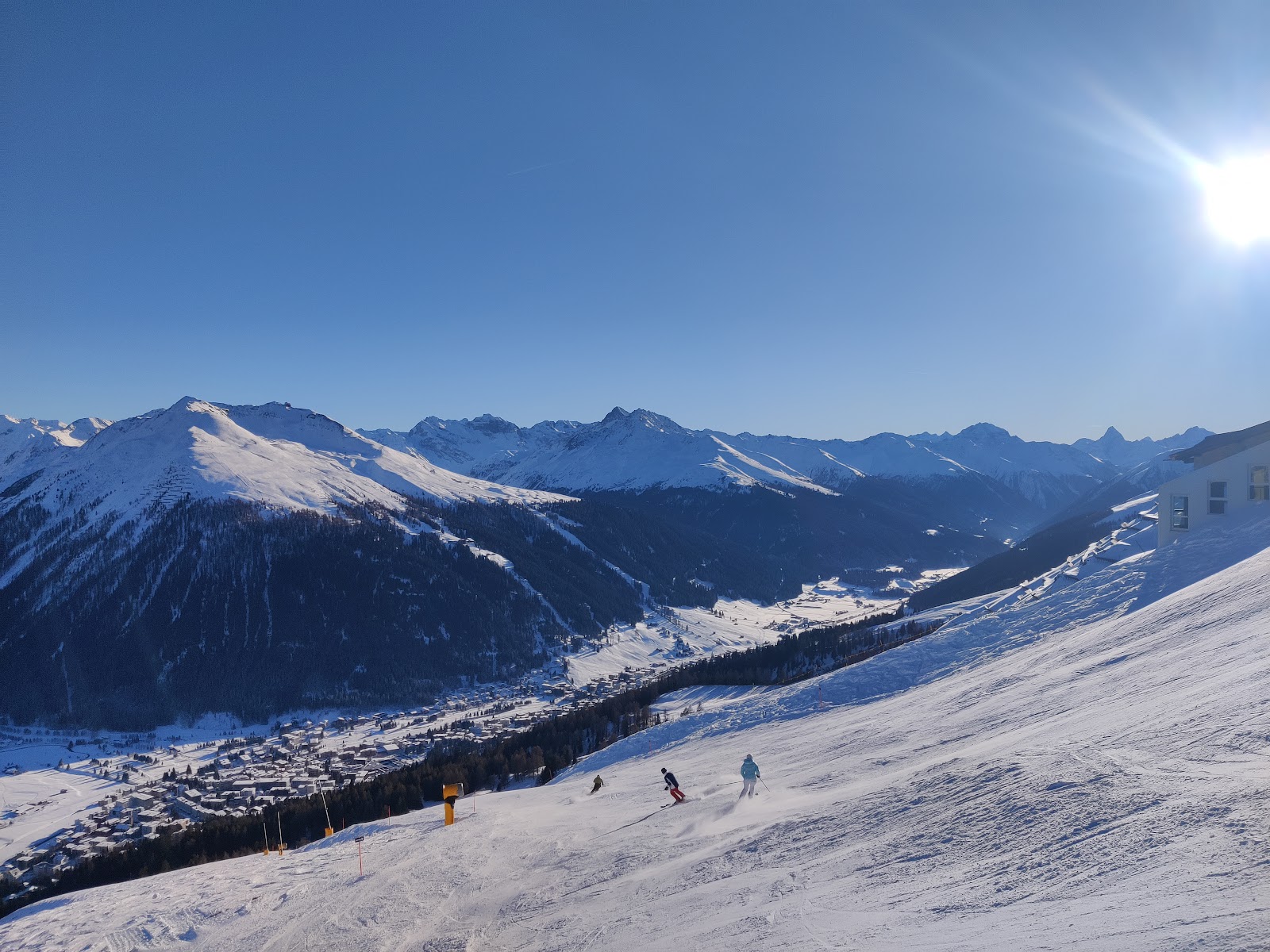
Davos is a working town first and a resort second, a long high valley settlement of hotels, apartment blocks, shops and offices that happens to sit at the foot of superb skiing. It made its name in the nineteenth century as a high altitude health resort, the setting for Thomas Mann's Magic Mountain, and today it is just as well known for hosting the World Economic Forum and the Spengler Cup ice hockey tournament. None of that adds up to a cute village, and Davos does not try to be one.
The mood is busy, practical and self sufficient. The long Promenade through town is more high street than chocolate box, lined with serious shops, restaurants, bars and sports facilities, and the place keeps going day and night with a life beyond tourism. For independent skiers who value substance, amenities and access to a lot of mountain, that urban character is a feature, not a flaw, though anyone after intimate Alpine charm will feel its scale.
Ski access and the slopes
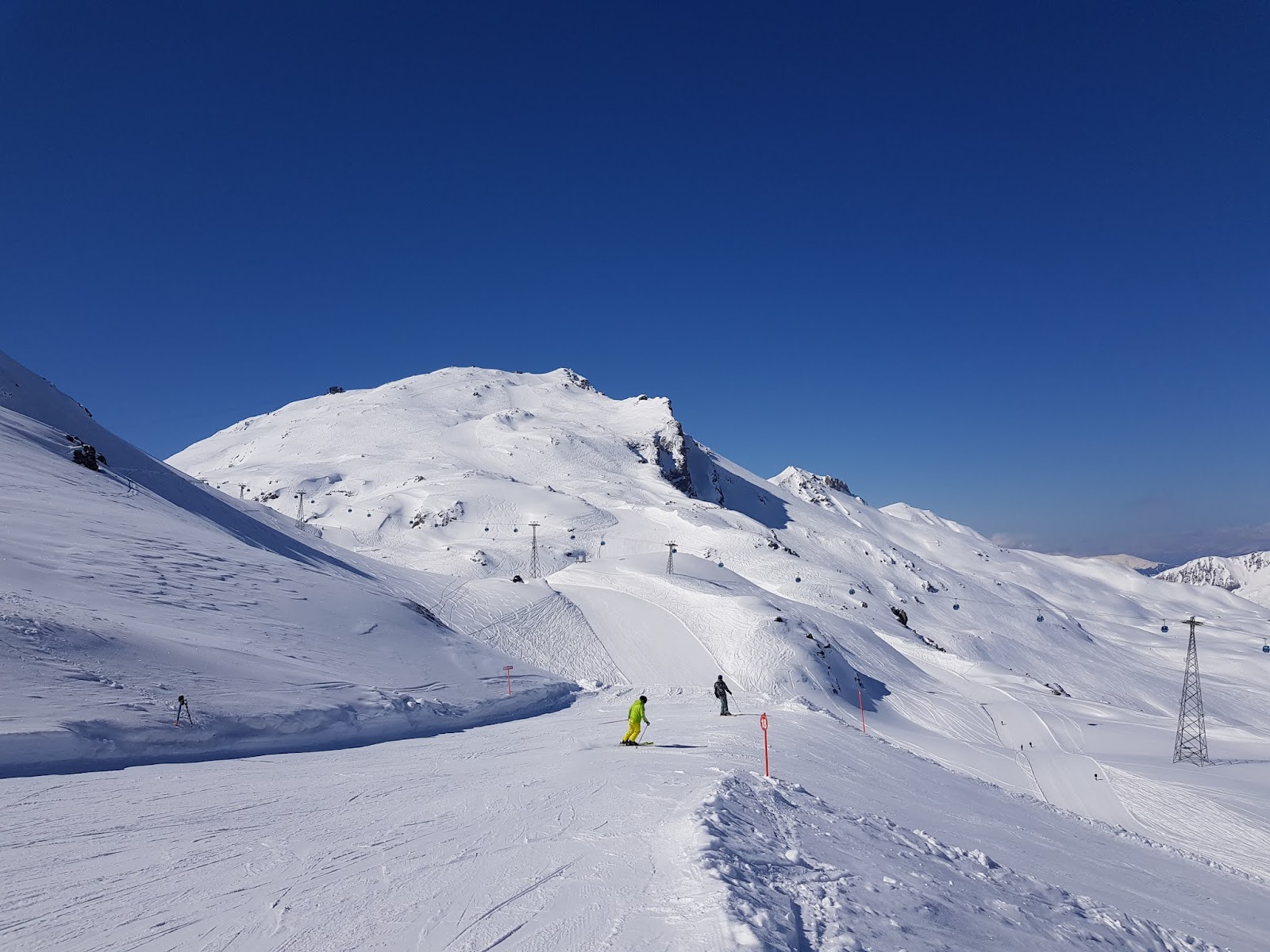
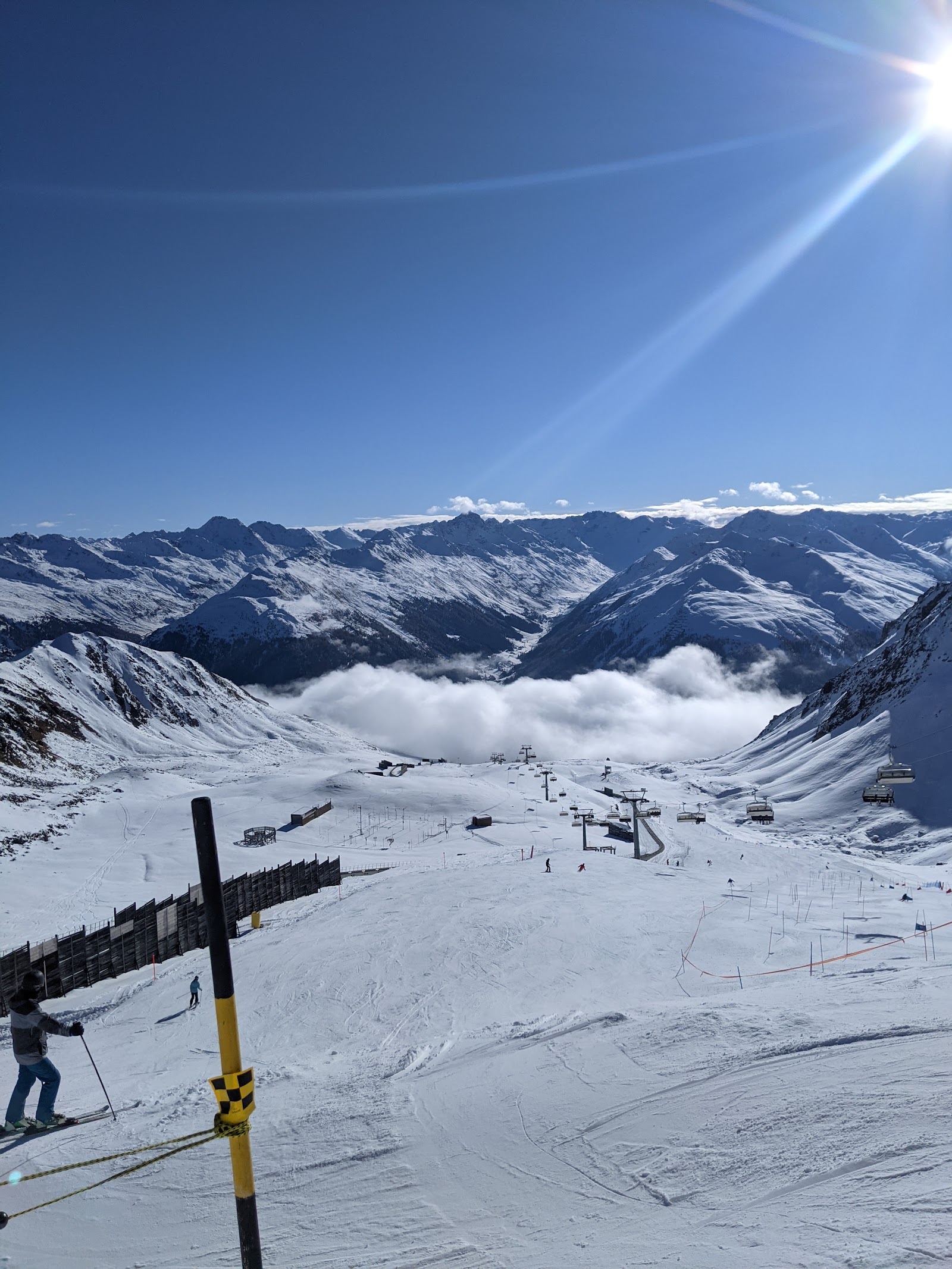
Davos Klosters is one of the biggest and most varied ski areas in the Alps, around 300 km of pistes spread across six separate mountains, chief among them the Parsenn, the Jakobshorn, the Rinerhorn and Pischa on the Davos side, with the Madrisa above Klosters. The Parsenn is the jewel, a vast high area of long, classic descents, including the famous run down to Klosters, that ranks among the great intermediate and advanced cruises in Switzerland. The Jakobshorn is the freestyle and party mountain, while the quieter sectors reward exploration.
This is genuinely good terrain for strong intermediates and experts, with serious mileage, real off piste and renowned ski touring, all at high altitude that keeps it snow sure deep into the season. The catch is that the mountains are not all linked on snow, so moving between sectors means using the railway, the buses or a short drive, which suits skiers who like to roam but frustrates those expecting one seamless network. Beginners are catered for, but the area's heart is its big mountain skiing.
Eating, drinking and apres ski
As a real town, Davos has the broadest choice of any base in the region, from traditional Swiss restaurants and mountain huts serving fondue and rosti to international dining, smart hotel tables and casual cafes along the Promenade. Apres ski ranges from the lively, youthful scene on and below the Jakobshorn to quieter hotel bars in town, so you can find a big night or an early one depending on your mood and your mountain.
Prices are fully Swiss, so eating and drinking out is expensive, but the sheer range means there is something at most levels, and the town's supermarkets make self catering practical for those in apartments. The variety is part of the appeal: unlike a small resort, Davos never runs short of options when you tire of the same handful of restaurants.
Where to stay in Davos
Davos stretches along its valley in two main hubs, Davos Platz and Davos Dorf, each with its own railway station and lift access, Platz toward the Jakobshorn and Dorf toward the Parsenn. Lodging is mostly town hotels and apartments rather than chalets, and because the town is long and the mountains are separate, choosing a base near the station or gondola that serves your favourite skiing makes the week run far more smoothly. Dorf suits those prioritising the Parsenn, Platz those drawn to the Jakobshorn and the town buzz.
A week in Davos typically lands in the $2,000 to $4,000 per person band for apartments and mid range hotels, rising into the $4,000 to $8,000 band and beyond for the grander hotels and larger catered chalets in peak weeks, with Swiss prices keeping the entry point high. Want options for your dates? Send the short brief below and operators who know Davos and Klosters will come back with chalet and hotel quotes.
Getting around the town
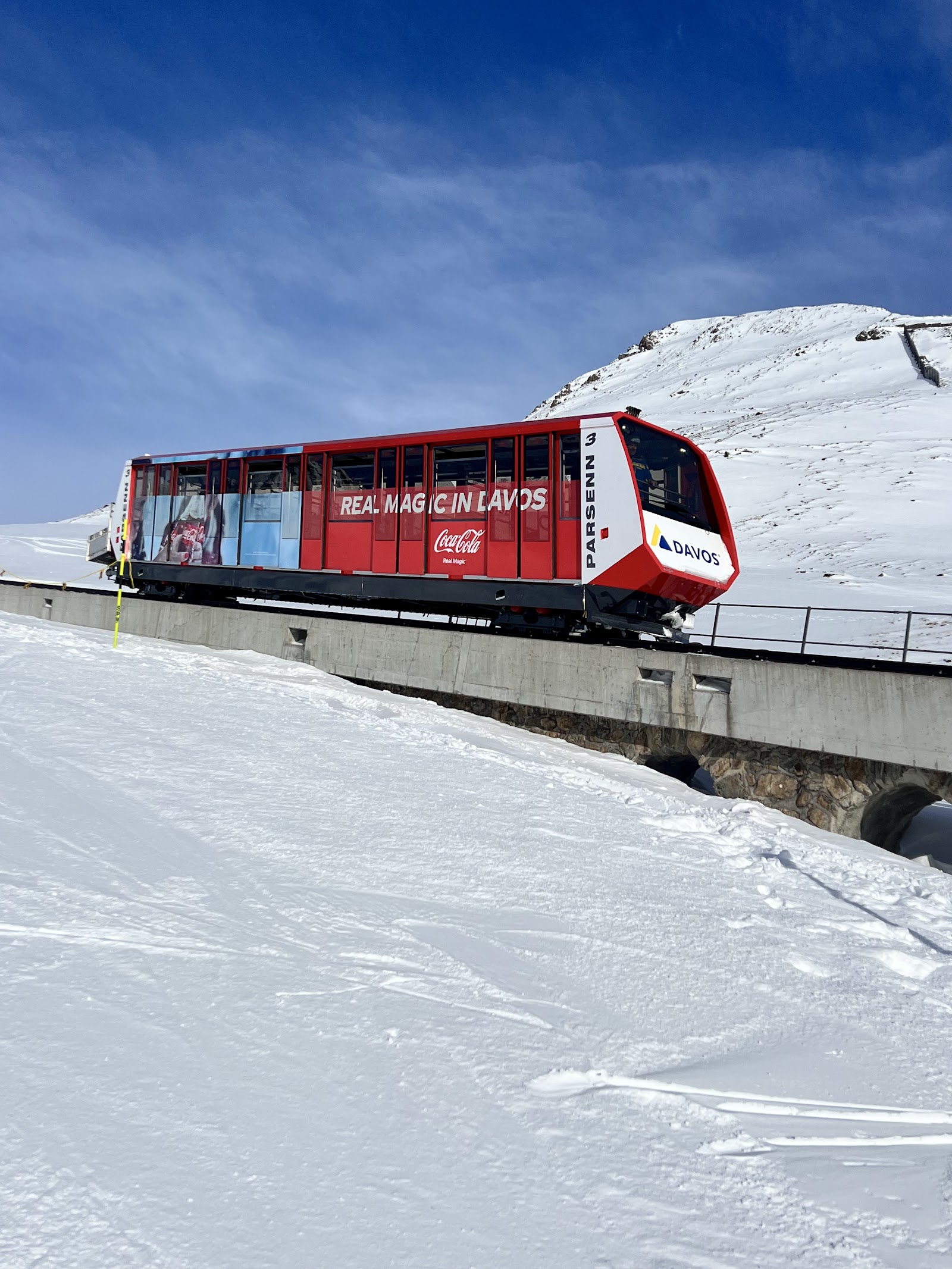
Davos lives by its public transport, and using it well is the key to the week. The Rhaetian Railway runs along the valley between Davos Platz, Davos Dorf and on to Klosters, and an extensive local bus network links the town with every lift base, all covered or discounted by the guest card and ski pass. Because the ski sectors are separate, you will use the train and buses daily to move between mountains, so it pays to learn the timetable and base yourself near a station.
You do not need a car in Davos, and given the town's size and the excellent transport, most visitors are better off without one, though a car can speed up reaching the outlying Pischa or Madrisa sectors. Parking in town is available but urban in feel. Lessons, guiding and rental gear are plentiful given the town's size, with strong ski and touring schools that suit improving intermediates and off piste skiers especially well.
Arrange lessons through our lessons partner and skis, boards and gear through our ski hire partner.
Getting there
Davos is well served by Switzerland's superb rail network, and the train is a relaxing way in. From Zurich airport the journey runs via Landquart and onto the scenic Rhaetian Railway up to Davos, typically around 2 hours 30 minutes door to platform, with frequent connections. The road transfer from Zurich is roughly 2 hours 15 minutes to 2 hours 45 minutes, on good but mountainous roads best driven with winter tires in snow.
Klosters, just over the Wolfgang pass, shares the ski area and the railway, so the two towns are easy to combine. Book a transfer through our transfer partner, sort your lift pass through our lift pass partner, and arrange travel cover through our travel insurance partner before you go.
Who it suits
Davos is a near ideal base for strong intermediates, experts and independent skiers who want a lot of high, varied, snow sure mountain and the amenities of a real town to come back to. The long Parsenn descents, the off piste and touring, the high altitude reliability and the depth of shops, dining, spas and culture make it a substantial, grown up ski destination that rewards skiers who like to explore and value choice. Non skiers also do well, with ice rinks, sledging, walking and the town's facilities.
It suits you less well if you want a compact, pretty, ski in ski out village with intimate charm, or if you find the town's scale and the separate, transport linked mountains off putting. For those, a smaller resort makes more sense. Choose Davos for big skiing, high snow security and the substance of a proper mountain town, and few places in the Alps offer more.
When to go
December to March is the prime window in Davos, and thanks to its high altitude the town and its mountains hold snow more reliably than most Alpine resorts, with the season often opening early and skiing well deep into spring. January and February bring the coldest, most dependable conditions and the best chance for the high off piste and touring, while December adds festive energy and the Spengler Cup. March offers long, bright days with excellent snow up high and lively spring skiing on the Jakobshorn. Early to mid April can still ski well on the higher sectors. The World Economic Forum in January brings disruption and high prices to the town for its week, so it is worth avoiding those dates unless you have a reason to be there.
The honest bottom line
Davos is the base for one of the biggest, highest and most varied ski areas in the Alps, a full sized Graubunden mountain town at around 1,560 m with the long classic Parsenn runs, serious off piste and the depth of a real town behind it. Stay here if you want scale, high altitude snow security, big mountain skiing across several peaks and proper town amenities, ideal for strong intermediates, experts, independent skiers and non skiers. Skip it if you want a compact, charming, ski in ski out village, because Davos is spread out, urban and built around its railways and buses. On those terms, for the quality and quantity of skiing, it is one of the most rewarding bases in Switzerland.
If you want this trip priced by specialists, tell us your dates and budget below and we will route your brief to operators who know Davos and Klosters.
Common questions
How big is the Davos ski area?
Davos Klosters offers around 300 km of pistes across six separate mountains, including the Parsenn, Jakobshorn, Rinerhorn and Pischa above Davos and the Madrisa above Klosters. It is one of the largest and most varied ski areas in the Alps, though the sectors are linked by railway and bus rather than all on snow.
Is Davos snow sure?
Yes, more than most. At around 1,560 m it is the highest town in Europe, and its high mountains hold snow reliably from early in the season deep into spring, with December to March the most dependable window and the upper Parsenn skiing well even in lean years.
Is Davos good for experts?
Very much so. The long Parsenn descents, extensive off piste, renowned ski touring and high altitude terrain give strong skiers a great deal to work with, and a guide is well worth it for the off piste. It is one of the better big mountain bases in Switzerland.
Is Davos a real town or a ski village?
A real town. Davos is the highest town in Europe, a long valley settlement of hotels, shops, offices and sports facilities famous for the World Economic Forum and the Spengler Cup. It offers town amenities and choice rather than compact village charm.
How do you get to Davos?
By train via Landquart and the scenic Rhaetian Railway, roughly 2 hours 30 minutes from Zurich airport, or by road in about 2 hours 15 minutes to 2 hours 45 minutes. The town and its mountains are best explored using the railway and local buses rather than a car.
Davos or Klosters, which should you choose?
They share the same ski area and railway, so it is about character. Davos is a large, lively, amenity rich town, while Klosters is a smaller, prettier, more traditional village. Choose Davos for scale, choice and the town buzz, Klosters for charm and quiet, with both giving access to the Parsenn.
Nearby villages and resorts
The obvious partner is Klosters, the prettier, quieter village that shares the same ski area and railway, while for other Graubunden options the spa village of Scuol in the Lower Engadine offers a different, gentler week. To read the full review or see the wider region, see our Davos resort review, the Davos Klosters guide and the broader Graubunden guide.
Plan your Davos trip with specialists
Send one brief and vetted operators return tailored proposals covering lodging, lift passes, transfers and lessons. No fee to you, ever.