Davos Ski Resort Review 2026
Davos is one of the largest and most varied ski areas in the Alps, six separate mountains above a high, snow sure town better known to the world as the host of its annual economic forum. It is the resort to choose if you want sheer scale, long famous descents like the Parsenn and dependable snow, in a sporting rather than showy atmosphere. Those after a pretty chocolate box village or buzzing slope side apres should look elsewhere.
A vast, high, snow sure ski area spread over six mountains, where the skiing is the star and the town is a functional base rather than a beauty.
Davos pairs around 300 km of pistes across six mountains with reliable high altitude snow and the legendary long Parsenn descents, all on one regional pass shared with neighboring Klosters. It is best for intermediates and adventurous skiers who want endless variety, and for families who value snow and space over polish. Anyone seeking a compact, picture postcard village or a big party scene will be happier in a more traditional resort.
How it scores for your group
Families. Good, with caveats. The snow is reliable, the area is huge and there are gentle slopes and ski schools on several of the mountains, but the skiing is spread out and needs buses or trains between sectors, so it is less convenient than a compact purpose built resort. Families who can handle a little logistics get enormous value.
Beginners. Fine rather than ideal. There is gentle terrain, notably on Bolgen by the town and on the Madrisa above Klosters, with good ski schools. The catch is that the best beginner areas are not all on the doorstep, so first timers should pick their base carefully.
Intermediates. The sweet spot. The Parsenn alone offers some of the longest, most satisfying intermediate descents in the Alps, including the famous run down to Klosters and Kublis, and the other mountains add endless cruising variety. Confident intermediates could ski here for a week and not repeat themselves.
Experts. Better than its reputation. Davos has excellent lift accessed off piste, especially on the Jakobshorn and Pischa, plus serious ski touring and the long unpisted itineraries off the Parsenn. It is a quietly outstanding mountain for adventurous skiers who like to roam.
Non skiers. Decent. Davos is a real town with shops, museums, a famous ice rink, sledging, cross country trails and spa hotels, so non skiers can fill a day. It lacks the glamour of nearby St Moritz, but there is plenty to do.
Terrain by ability
Davos skis as six distinct mountains rather than one linked area. The Parsenn is the heart of it, a broad, sunny intermediate playground famous for its long top to bottom descents, including the celebrated run all the way down to Klosters. Across the valley, the Jakobshorn is the freeride and snowboard mountain, sunnier and steeper, while Pischa, Rinerhorn and the Madrisa above Klosters add quieter terrain and good off piste.
The skiing rewards explorers and mileage hunters above all. The sheer scale, the reliable high snow and the variety across the mountains mean a strong skier can chase fresh terrain all week, and the off piste and touring options are genuinely excellent. The trade off is that linking the mountains takes buses and the town railway, so it is less seamless than a single connected resort.
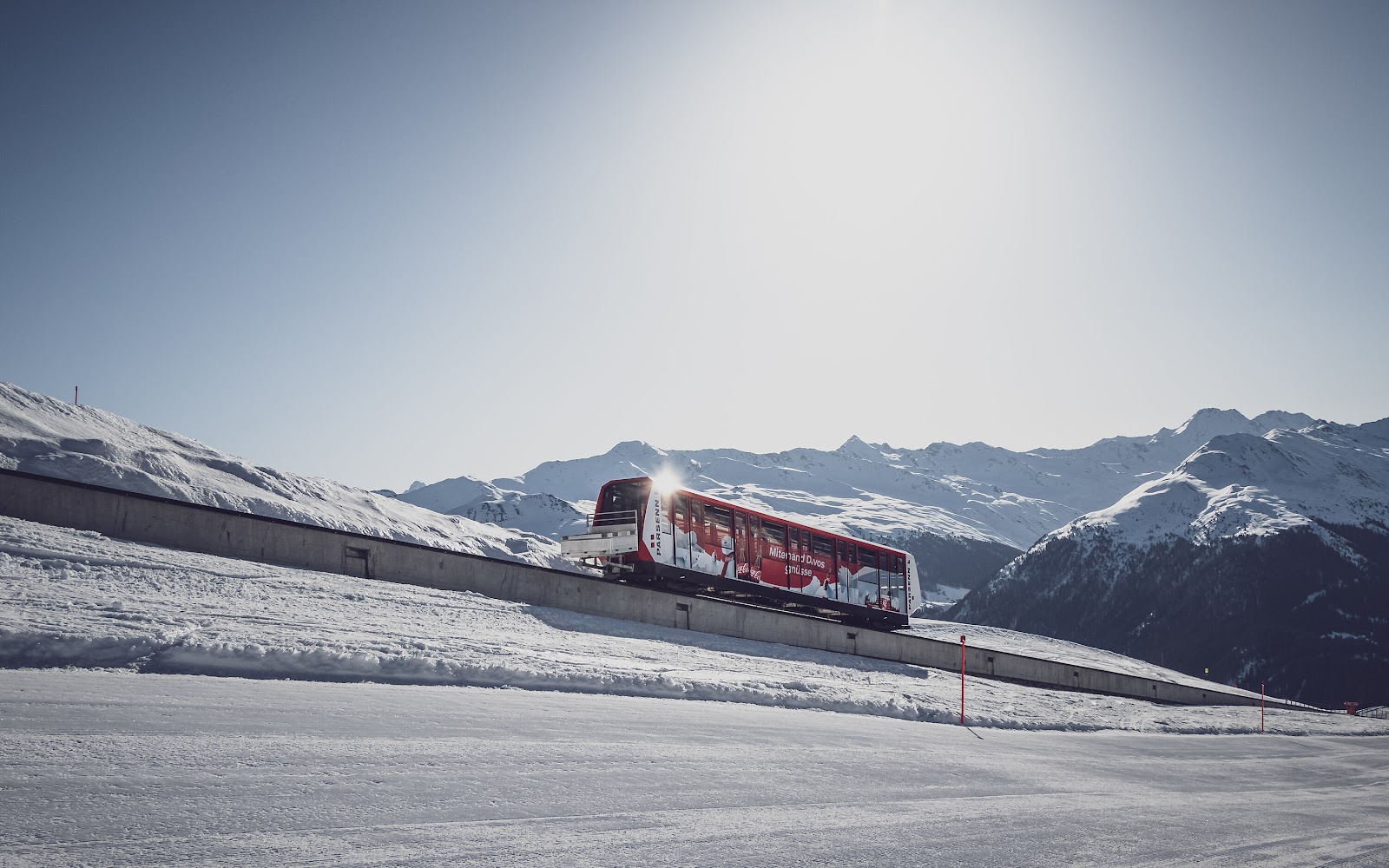
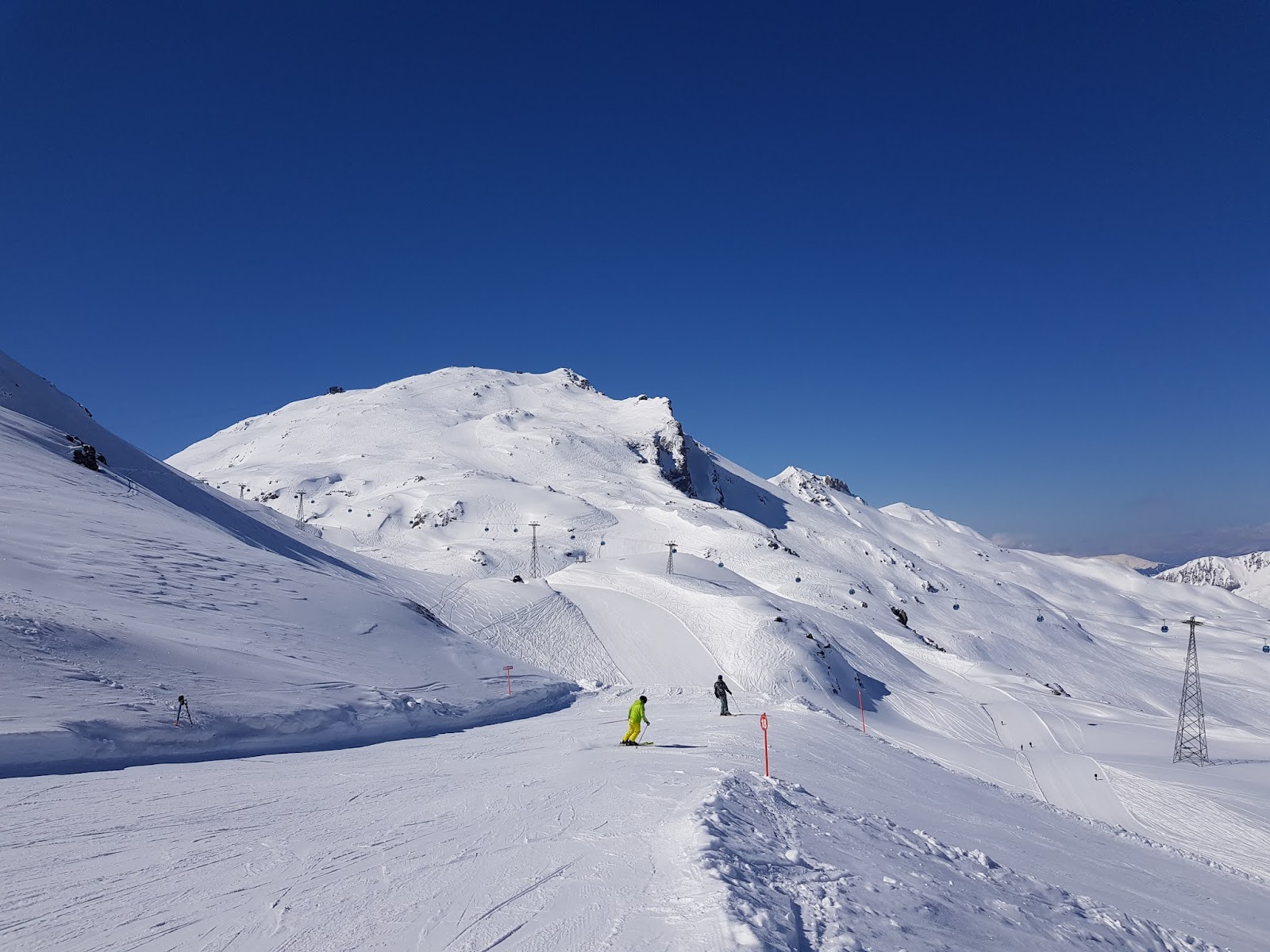
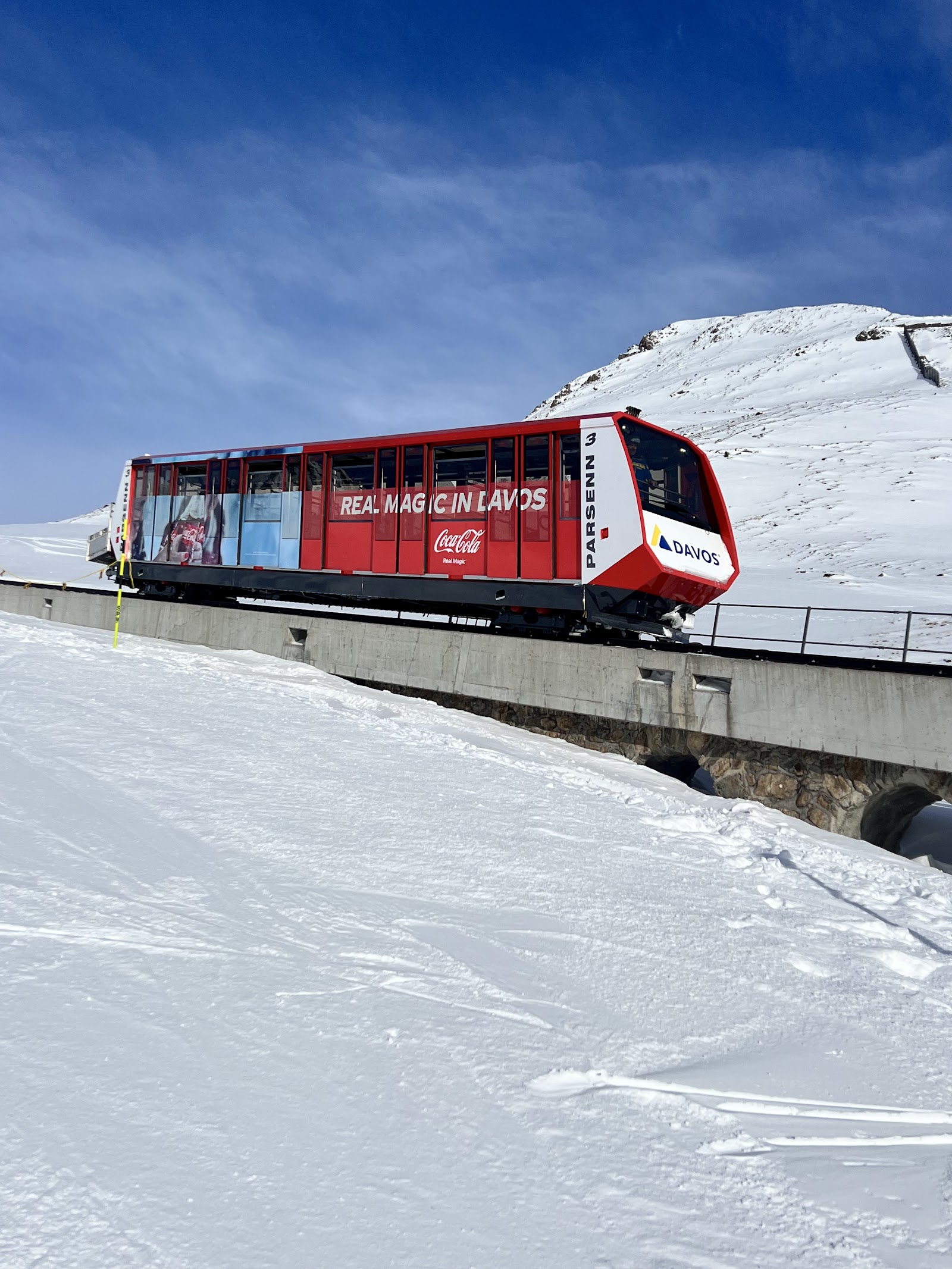
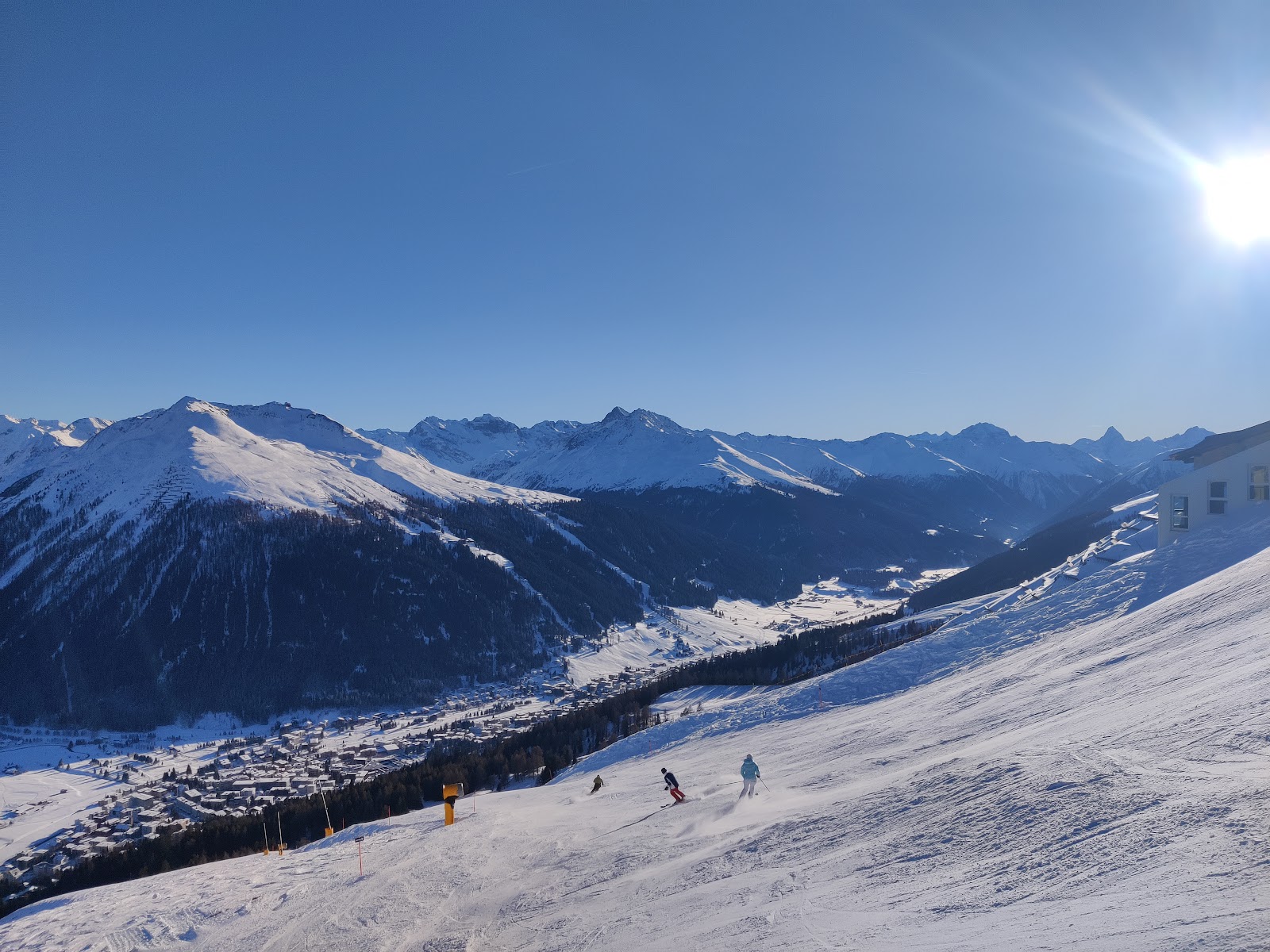
Photos via Google. Contributed by Parsenn Davos Klosters, Jrg Schustereit and Welt Reisen.
Charm, convenience and the evening
Davos is a town rather than a village, a long, high settlement strung along the valley that grew first as a health resort and is now best known for hosting the world's annual economic gathering. It is functional and a little urban rather than chocolate box pretty, with hotels, shops and a working life of its own. What it lacks in cuteness it makes up for in amenities, including a famous ice stadium and a real sense of being a town that lives all year.
Evenings are relaxed and sporting rather than raucous. There are good restaurants, comfortable hotel bars and a handful of livelier spots, but Davos is not an apres ski party town in the mold of St Anton or Solden. Its quieter, prettier neighbor Klosters, on the same pass, offers a more traditional and discreet village alternative for those who want it.
Lodging and chalet quotes
Davos has a broad range of lodging, from large town hotels and spa resorts to apartments and chalets, with the best located near the Parsenn or Jakobshorn lift stations to cut down on travel. For a prettier, calmer base on the same pass, neighboring Klosters offers traditional chalets and a more village feel within easy reach of the Parsenn.
Get chalet quotes
Tell us your resort, dates and group size and we will pass your brief to chalet specialists for tailored quotes. No fee to you.
Prices, lessons and ski hire
The Davos Klosters pass costs around $80 a day and covers all six mountains plus Klosters, which is strong value given how much terrain it opens. Multi day passes lower the daily rate. Switzerland is expensive overall, so booking lift passes, lessons and ski hire ahead is the simplest way to keep the trip in hand.
Book the extras and save
Lift passes, lessons and ski hire are where a trip quietly leaks money. Booking ahead almost always beats the resort window price.
Compare lift passesFind lessonsReserve ski hireTravel insuranceTransfers and access
Zurich is the main airport, and the transfer to Davos is around two and a half hours by road. Many visitors arrive instead by train, and the rail journey up into the Graubunden mountains is scenic and easy, dropping you right in the centre of town with its own local railway linking the lift stations. A private transfer, train or hire car all work well, and the train spares you the mountain driving.
Sort the transfer
A smooth airport to resort transfer sets the tone for the week. Book ahead, especially over peak weeks.
Book a transferThe best weeks to ski Davos
Davos is high and reliably snowy, so the season runs long from late November into April. January and February bring the coldest, most dependable snow and the best conditions on the high Parsenn and Jakobshorn, and it is worth knowing that the town can be busy and pricey during its late January economic forum.
March is a lovely time to ski here, with longer, sunnier days, a strong high altitude base and the full six mountain area open. If you want quieter slopes and softer prices, the weeks either side of the February school holidays are the sweet spot in an otherwise expensive country.
Davos FAQs
Is Davos good for skiing?
Very. Davos is one of the largest ski areas in the Alps, with around 300 km of pistes across six mountains, reliable high altitude snow and the famous long Parsenn descents. It suits intermediates and adventurous skiers especially well, offering huge variety and excellent off piste, though linking the mountains takes buses and the town railway.
Is Davos snow sure?
Yes. The town sits around 1,560 m and the skiing climbs to around 2,840 m, with high, largely north facing terrain that holds snow well from late November into April. It is one of the more dependable resorts in the Alps for cover across the season.
What is the Parsenn at Davos?
The Parsenn is the main mountain above Davos and its signature ski area, famous for long, sweeping intermediate descents, including the celebrated top to bottom runs down to the villages of Klosters and Kublis. It is the heart of the Davos skiing and a highlight for cruising skiers.
Is Davos good for families?
It is good with a little planning. The snow is reliable, the area is vast and there are gentle slopes and ski schools on several mountains, notably Bolgen by the town and the Madrisa above Klosters. The main drawback is that the skiing is spread out, so families should choose a base near their preferred beginner area.
How expensive is Davos?
It is a Swiss resort, so it is not cheap, but it offers good value for the scale of skiing. A week typically lands in the $2,000 to $4,000 per person band, rising into $4,000 to $8,000 for smart hotels and chalets. The regional pass at around $80 a day is strong value given how much terrain it covers.
Davos or Klosters, which should I stay in?
They share the same lift pass and the same Parsenn, so it comes down to atmosphere. Davos is a larger, livelier town with more amenities and easier access to all six mountains, while Klosters is a smaller, prettier and more discreet village. Choose Davos for convenience and scale, Klosters for traditional charm.
Nearby alternatives
Staying in Graubunden but want a different feel? These three neighbors offer their own take on eastern Switzerland.
Klosters
Davos's quieter, prettier neighbor on the same pass and the same Parsenn, a discreet village with royal connections and good tree skiing.
St Moritz
The glamorous Engadin alternative, sunnier and showier, for those who want grand hotels and a famous winter scene as much as the skiing.
Arosa
A sunny, relaxed and family friendly resort, linked to Lenzerheide for a big area and easier on the budget than Davos.
Where should you stay and when should you go?
Tell us the dates. We price the trip.
If you want a Davos trip priced by specialists, give us the dates and budget below. Send one brief and our partner operators return tailored proposals covering lodging, lift passes, transfers and lessons. No fee to you, ever.
Every brief is read by a real planner. You will hear back within two working days, in season.
By the Ski Resorts for Kings editorial team · Last reviewed June 2026.