Skiing in February in Canada
February is the most reliable powder month to ski Canada, delivering the deepest and coldest snow of the season across Whistler, the Banff resorts and the British Columbia interior, with the trade offs being genuine cold, short northern daylight and peak season prices.
Reviewed for the 2026 season by the Ski Resorts for Kings editorial team
What is the snow like in Canada in February?
February is the heart of the Canadian winter and the most dependable powder month of the season. By now a deep settled base is in place from coast to interior, and the cold holds the snow light and dry, which is exactly why Canada has its reputation for bottomless powder. The British Columbia interior, home to Revelstoke, Big White and the like, typically carries the strongest base depths in the country, while the coastal giant Whistler Blackcomb takes the biggest single storm dumps when Pacific systems line up.
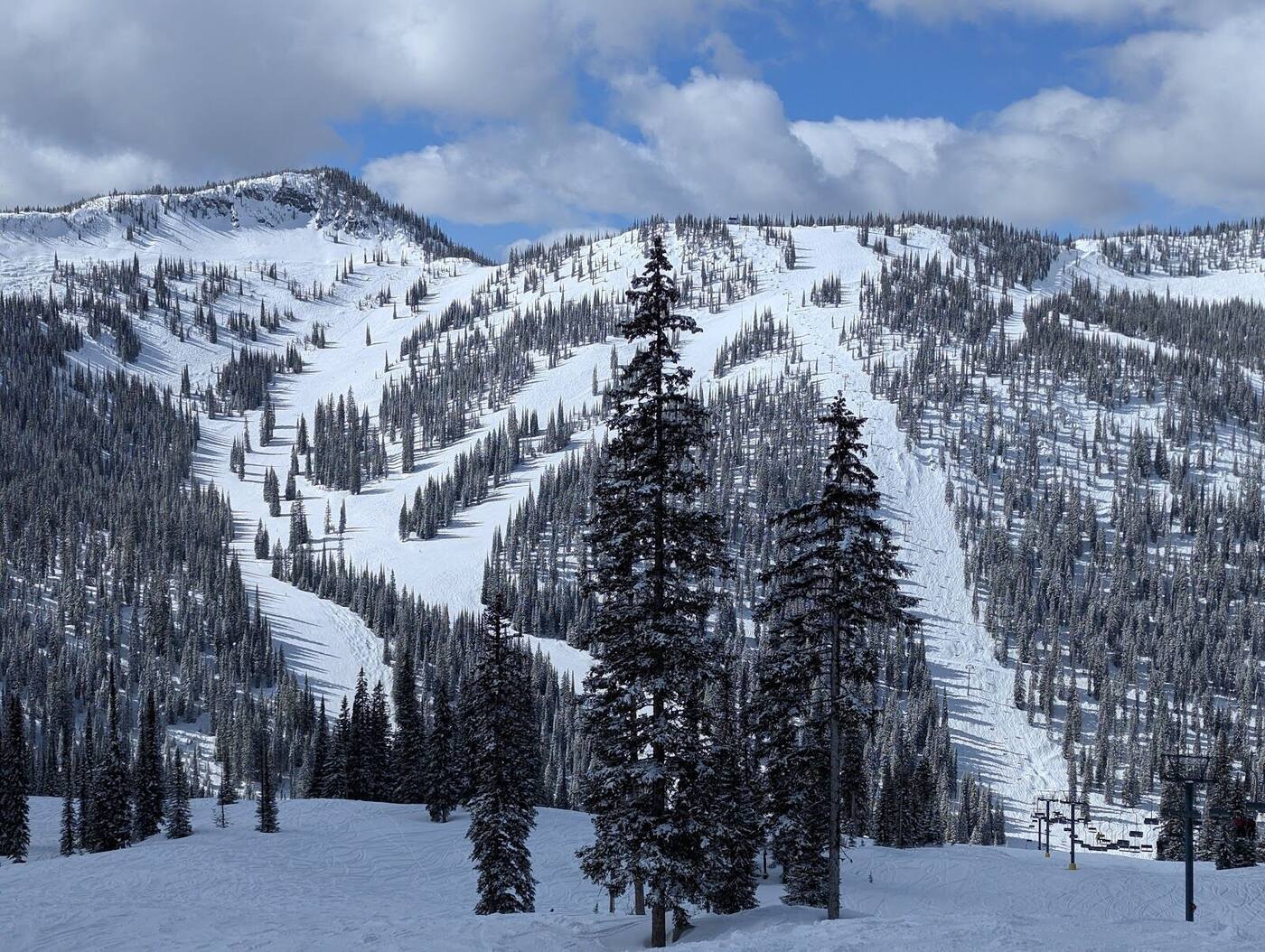
The Rockies tell a slightly different story. Banff Sunshine, Lake Louise and the surrounding resorts get colder, drier and lighter snow than the coast, with smaller storm totals but superb quality and excellent reliability. February is cold enough that the powder stays good for days after a fall on shaded aspects, though it also means deep chill on exposed lifts and a real need for proper layers. Across the country February is the safest bet for finding genuine winter snow underfoot.
How cold does it get skiing in Canada in February?
February is the coldest stretch of the Canadian season, and the cold is part of the deal. In the Alberta Rockies and the colder BC interior, daytime temperatures often sit well below freezing and cold snaps can push summit readings down toward minus 25C or lower for a few days at a time, which is genuinely arctic and demands serious layering, face cover and warm gloves. Coastal Whistler is milder and damper, with temperatures closer to freezing and the occasional wet spell at lower elevations.
The cold is the price of the quality. The same deep chill that makes February uncomfortable on a windy chairlift is what keeps the snow dry and the base solid, and the light dry powder that results is the whole reason skiers travel to Canada in midwinter. Plan your days around it: take indoor breaks when the wind bites, ski sheltered tree runs on the coldest days, and the cold becomes a feature rather than a problem.
How busy and how expensive is February skiing in Canada?
February is peak season, so it is both the busiest and the dearest month, though Canada absorbs crowds better than the Alps. The main pressure points are the Presidents Day week in mid February, which draws heavy North American traffic, and any local school break weeks, when the marquee resorts and their lift lines fill up. Outside those windows the big Canadian resorts still feel relatively spacious thanks to their sheer size, and the interior resorts in particular stay calmer than the headline names.
On cost, a February week at a major Canadian resort commonly lands in the $4,000 to $8,000 per person band once long haul flights, transfers, slope side lodging, passes, lessons and food are counted, with the marquee resorts at the top of that range during the holiday weeks. A quieter interior resort or a midweek non holiday trip can bring a week down toward the $2,000 to $4,000 per person band. Booking lift access, transfers and lessons ahead through the placeholders almost always beats the on mountain window price.
Who should ski Canada in February, and who should wait?
February suits powder hunters above all, along with anyone who only gets one trip a year and cannot risk thin snow, and confident intermediates and experts who want deep tree skiing and reliable cover. It rewards travelers who can handle cold in exchange for the best snow quality of the season, and it is the safest month to plan a long haul trip from overseas when you need the conditions to deliver.
It suits cold averse skiers and families with very small children less well, since the deep chill and short daylight make long learning days hard, and late season March and early April offer softer snow, longer days and lower prices for that crowd. Budget focused travelers should also weigh the peak pricing, especially around Presidents Day. If your priority is sun on a terrace and gentle spring snow rather than cold powder, wait for spring; if it is the deepest, most reliable snow Canada offers, February is the month.
February in Canada: the case for and against
| Why February works | What to weigh |
|---|---|
|
|
Where to ski in Canada in February
For February we would point you first at these, each with our full review:
- Whistler Blackcomb. North America's largest resort takes the biggest coastal storm dumps and offers vast terrain for every level in midwinter.
- Revelstoke. Big vertical and the strongest interior base depths make it a serious February powder destination for strong skiers.
- Lake Louise. Cold dry Rockies snow and huge terrain, with the famous frozen lake and Ice Magic festival alongside the skiing.
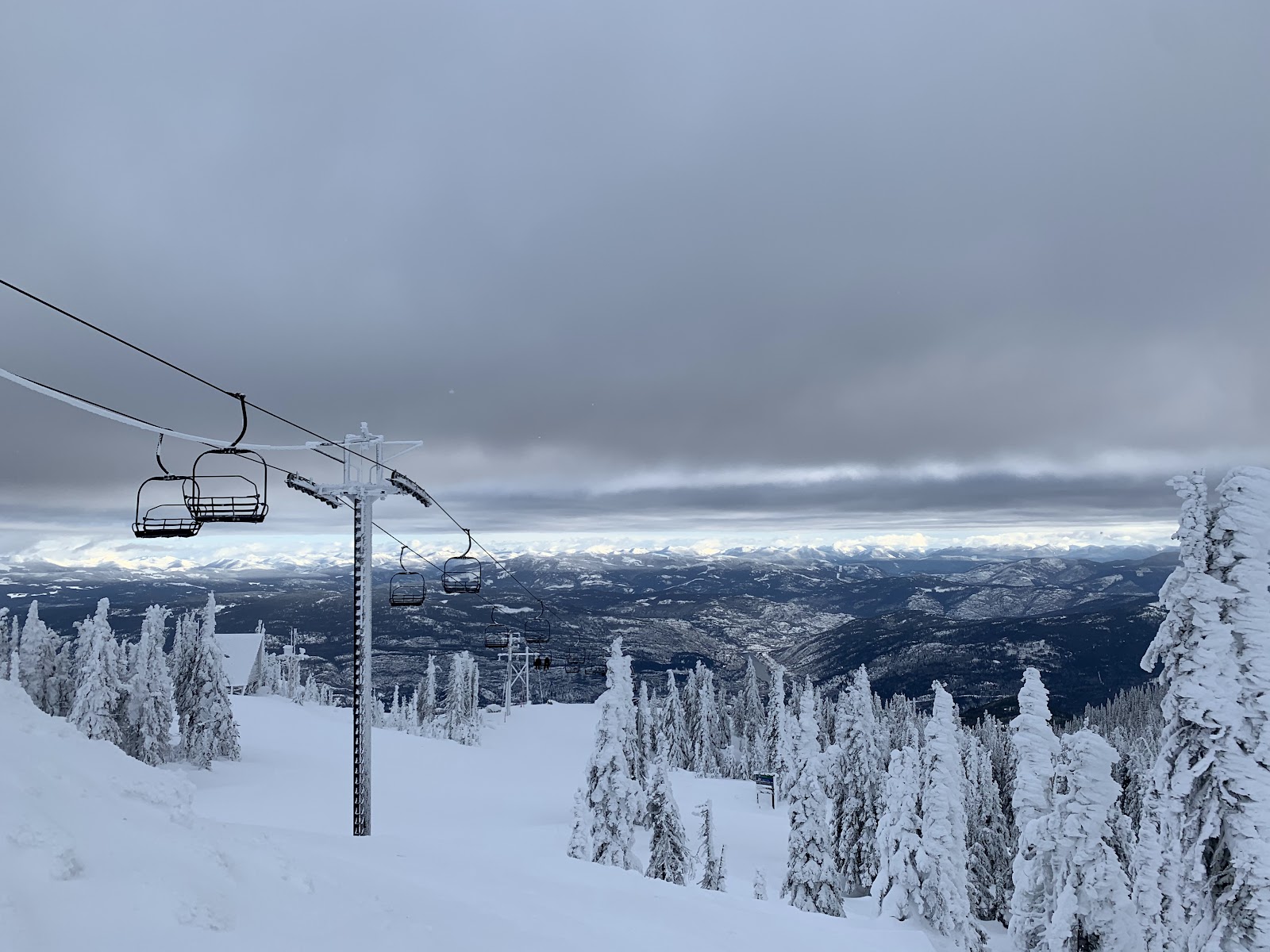
- Big White. Reliable interior powder, ski in ski out village and famous snow ghosts make it a dependable, family friendly February pick.
Sources we checked
Common questions
Is February a good time to ski in Canada?
Yes. February is the most reliable powder month of the Canadian season, with the deepest, coldest and most dependable snow across Whistler, the Banff resorts and the BC interior. The trade offs are genuine deep cold, short daylight and peak season prices, especially around Presidents Day week.
How cold does it get skiing in Canada in February?
February is the coldest part of the season. In the Alberta Rockies and the colder BC interior, daytime temperatures sit well below freezing and cold snaps can push summit readings toward minus 25C or lower for a few days. Coastal Whistler is milder and damper, closer to freezing.
Where is the best snow in Canada in February?
The British Columbia interior, including Revelstoke and Big White, usually carries the deepest and most reliable base, while coastal Whistler Blackcomb takes the biggest single storm dumps. The Rockies resorts near Banff get colder, drier, lighter snow with smaller totals but excellent quality.
How much does a February ski trip to Canada cost?
A February week at a major resort commonly lands in the $4,000 to $8,000 per person range once long haul flights, transfers, lodging, passes and food are counted, peaking during the holiday weeks. A quieter interior resort or a midweek non holiday trip can come down toward the $2,000 to $4,000 per person band.
Book the extras and save
Lift passes, airport transfers and lessons are where a trip quietly leaks money. Booking ahead almost always beats the resort window price.
Compare lift passesBook a transferFind lessonsReserve ski hireTravel insuranceTell us the dates. We price the trip.
Send one brief and vetted chalet companies and tour operators return tailored proposals. Flights, transfers, lift passes and lessons priced for your group. No fee to you, ever.