Skiing in March in Europe
March is the best all round month to ski in Europe, pairing a deep midwinter base with longer, sunnier days and noticeably thinner crowds, which is why so many experienced skiers quietly treat it as their favorite week of the year.
Reviewed for the 2026 season by the Ski Resorts for Kings editorial team
Why is March considered the best month to ski in Europe?
March wins because it combines the two things that usually pull against each other: good snow and good weather. By the start of March the Alps and the other European ranges have banked a full winter of storms, so base depths are often at or near their seasonal peak, while the strengthening sun lifts daytime temperatures and stretches daylight to around 11 to 12 hours, up from roughly 8 hours in January. You get a deep mountain and long, bright days at the same time.
On top of that, the crowds thin out. Once the February half term holidays pass, much of March falls outside the main school breaks, so the big resorts feel calmer and prices ease. For skiers who can travel without children, the middle to late part of March is one of the quiet sweet spots of the whole season, with full lift networks still running across the Alps, the Pyrenees, the Dolomites and Scandinavia.
The honest caveat is altitude. March rewards high resorts and punishes low ones. Up high the snow stays cold and reliable, while lower and south facing slopes can turn soft and patchy in a warm spell, so the month is at its best when you choose a resort that keeps its skiing above roughly 2,000 meters.
What is the snow like across Europe in March?
March snow is the best of both worlds when you pick the right altitude. High resorts above 2,000 to 2,500 meters typically hold a deep, cold midwinter base well into the month, and fresh March storms still drop real powder, so the early part of the month in particular can ski like deep winter. Many high Alpine areas sit on base depths measured in meters by mid March.
Lower down and later in the month, the spring rhythm takes over. Slopes soften through the afternoon and refreeze overnight, giving firm mornings and slushy afternoons on the sunniest aspects, which is classic spring skiing rather than a fault. North facing high runs keep their winter feel longest, while sun trap pistes are best skied before lunch. The further south you go, into the Dolomites or the Spanish Pyrenees, the more spring like and sun soaked the typical March day becomes.
For the most snow sure March, the rule is simple: go high. Resorts with skiing above 2,500 meters such as the highest French and Swiss areas, and the glacier backed Italian resorts, reliably hold excellent snow through March, while the postcard low villages are a gamble in a warm year.
How busy and how expensive is skiing Europe in March?
March is generally quieter and better value than the peak holiday weeks, with one bump in the middle. The February half term crush is over, and outside any local Easter timing the slopes are calmer than December or February, so lift queues shorten and the marquee resorts feel more relaxed. The exception to watch is when Easter falls in late March, which pushes families back onto the mountain for that week.
On cost, a March week at a mainstream European resort typically sits in the $2,000 to $4,000 per person band once flights, accommodation and a lift pass are counted, with value focused weeks at smaller resorts coming in under $2,000 per person and marquee names in peak weeks reaching higher. The combination of softer prices, full open terrain and long days is what makes March such good value. Booking lift passes, transfers and lessons ahead still beats the resort window, and avoiding the Easter week if you have no children locks in the quietest pricing.
Who should ski Europe in March, and who should wait?
March suits almost everyone, which is its real strength. It is ideal for intermediates and improvers who want long days, sociable sunshine and forgiving spring snow in the afternoons, for couples and groups who can dodge the school holidays and want quiet pistes on a deep base, and for early risers who like to chase cold morning snow up high before lounging on a terrace. Powder hunters are well served too, especially in the first half of the month at altitude.
The main people who should think twice are those locked into a late March Easter week, who will pay peak prices and meet bigger crowds, and skiers who insist on a low, picturesque village rather than a high snow sure one, since low resorts are the weak link in a warm March. Those chasing the very deepest, coldest powder with the least risk should still favor January and February at altitude, but they give up the long days and easier crowds that make March so popular.
March in Europe: the case for and against
| Why March works | What to weigh |
|---|---|
|
|
Where to ski in Europe in March
For March we would point you first at these, each with our full review:
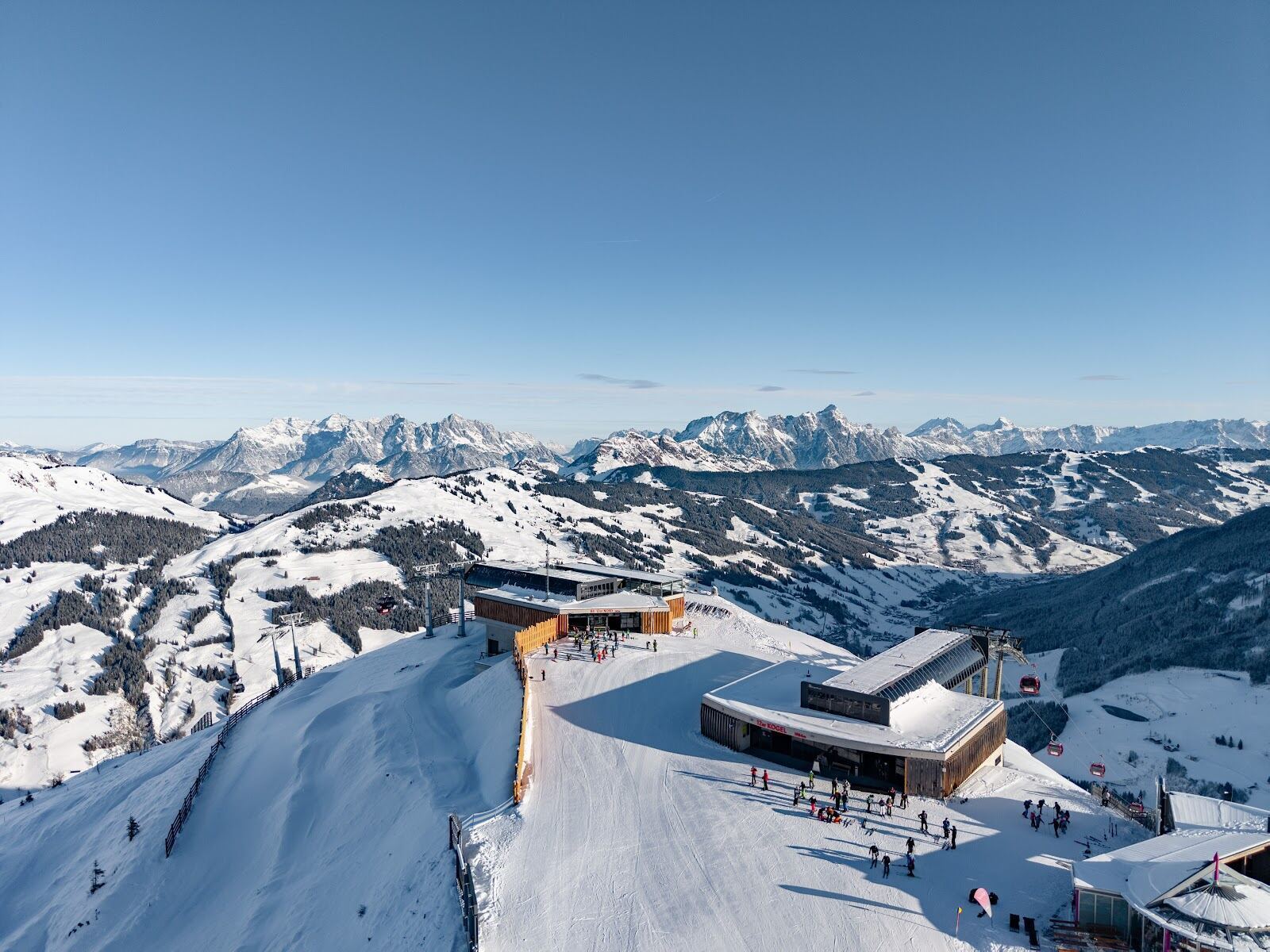
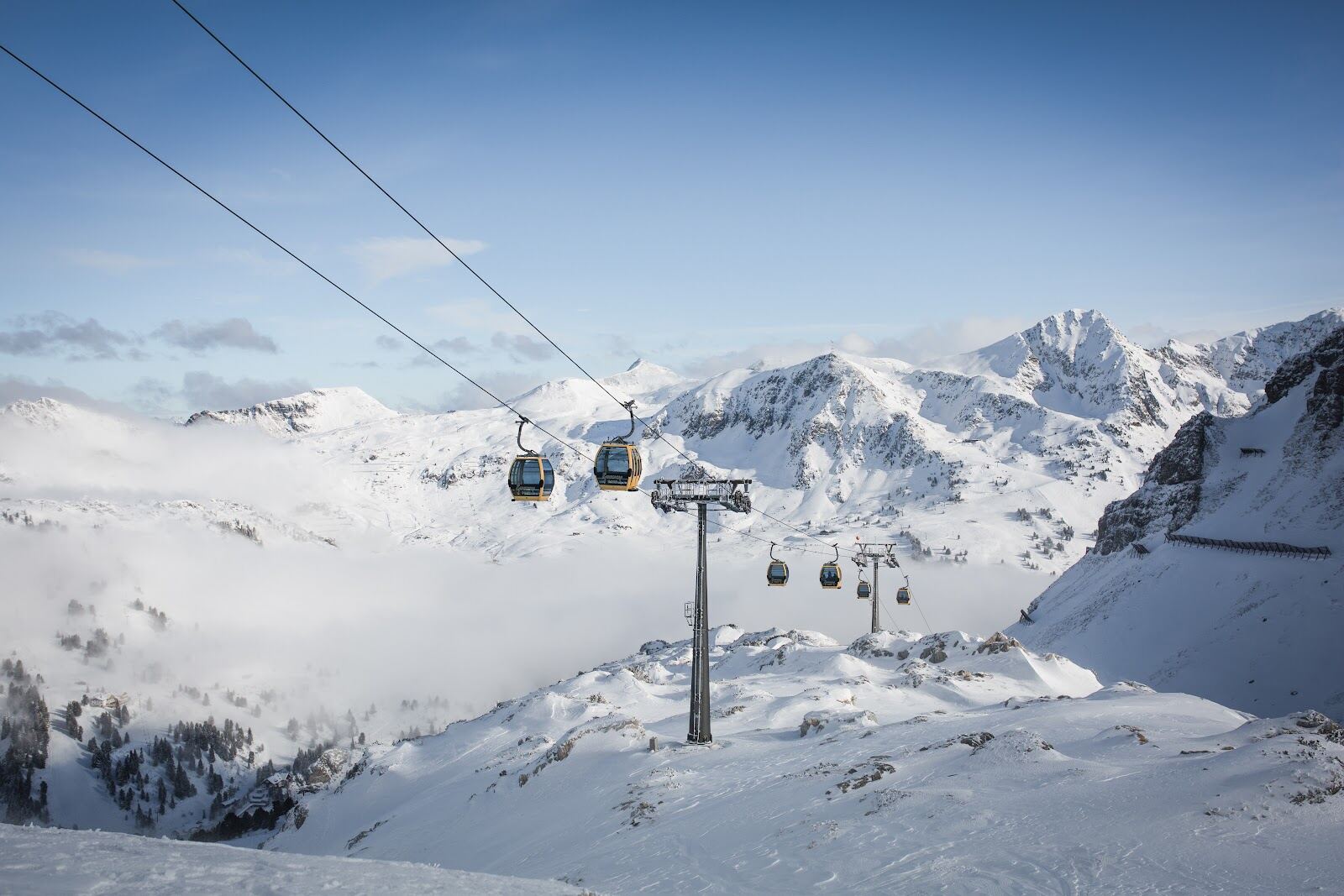
- Val Thorens. Europe's highest major resort holds cold reliable snow through March and links into the vast Three Valleys for endless long sunny days.
- Zermatt. Glacier backed and very high, it is one of the most snow sure March choices in Europe with skiing well above 3,000 meters.
- St Anton. Deep March snow, big terrain and the liveliest apres ski of the picks make it a strong choice for confident skiers.
- Cervinia. High, sunny and linked to Zermatt over the border, it offers reliable spring snow and long cruising on the Italian side.
Sources we checked
Common questions
Is March a good time to ski in Europe?
Yes, March is arguably the best all round month to ski in Europe. It pairs a deep midwinter base at altitude with longer, sunnier days and thinner crowds than the peak holiday weeks. The key is choosing a high resort, since low and south facing slopes can soften in a warm spell.
What is the snow like in the Alps in March?
High resorts above 2,000 to 2,500 meters typically hold a deep cold base through March, and early month storms still bring powder. Lower down the spring rhythm takes over, with firm mornings and slushy afternoons on sunny aspects, so going high keeps the winter feel longest.
Is March cheaper than peak season skiing?
Generally yes. Once the February half term passes, much of March falls outside the school holidays, so crowds thin and prices ease, with many weeks landing in the $2,000 to $4,000 per person band. The exception is a late March Easter week, which brings back family crowds and peak pricing.
Where should I ski in Europe in March?
Favor high, snow sure resorts such as Val Thorens, Zermatt, St Anton and Cervinia, all of which keep cold reliable snow late into the season. These altitude areas reward March with deep cover up high and long sunny cruising days.
Book the extras and save
Lift passes, airport transfers and lessons are where a trip quietly leaks money. Booking ahead almost always beats the resort window price.
Compare lift passesBook a transferFind lessonsReserve ski hireTravel insuranceTell us the dates. We price the trip.
Send one brief and vetted chalet companies and tour operators return tailored proposals. Flights, transfers, lift passes and lessons priced for your group. No fee to you, ever.