Asahidake Ski Resort Review 2026
Asahidake is Hokkaido's highest peak and its wildest lift served powder, a single ropeway rising into a steaming volcanic landscape with no groomed pistes, no nightlife and some of the driest, deepest snow on earth. It suits expert skiers, backcountry tourers and powder purists who want nature and onsen over apres and amenities. Skip it if you need groomed runs, beginner terrain or any kind of resort scene, because Asahidake is a mountain and a hot spring, and almost nothing else.
By the Ski Resorts for Kings editorial team · Last reviewed June 2026
Mountain stats at a glance
| Base altitude | around 1,100 m, roughly 3,600 feet at the ropeway base |
|---|---|
| Top of ropeway | around 1,600 m, roughly 5,250 feet, below the 2,291 m summit |
| Vertical | roughly 500 m of lift served descent, more for tourers |
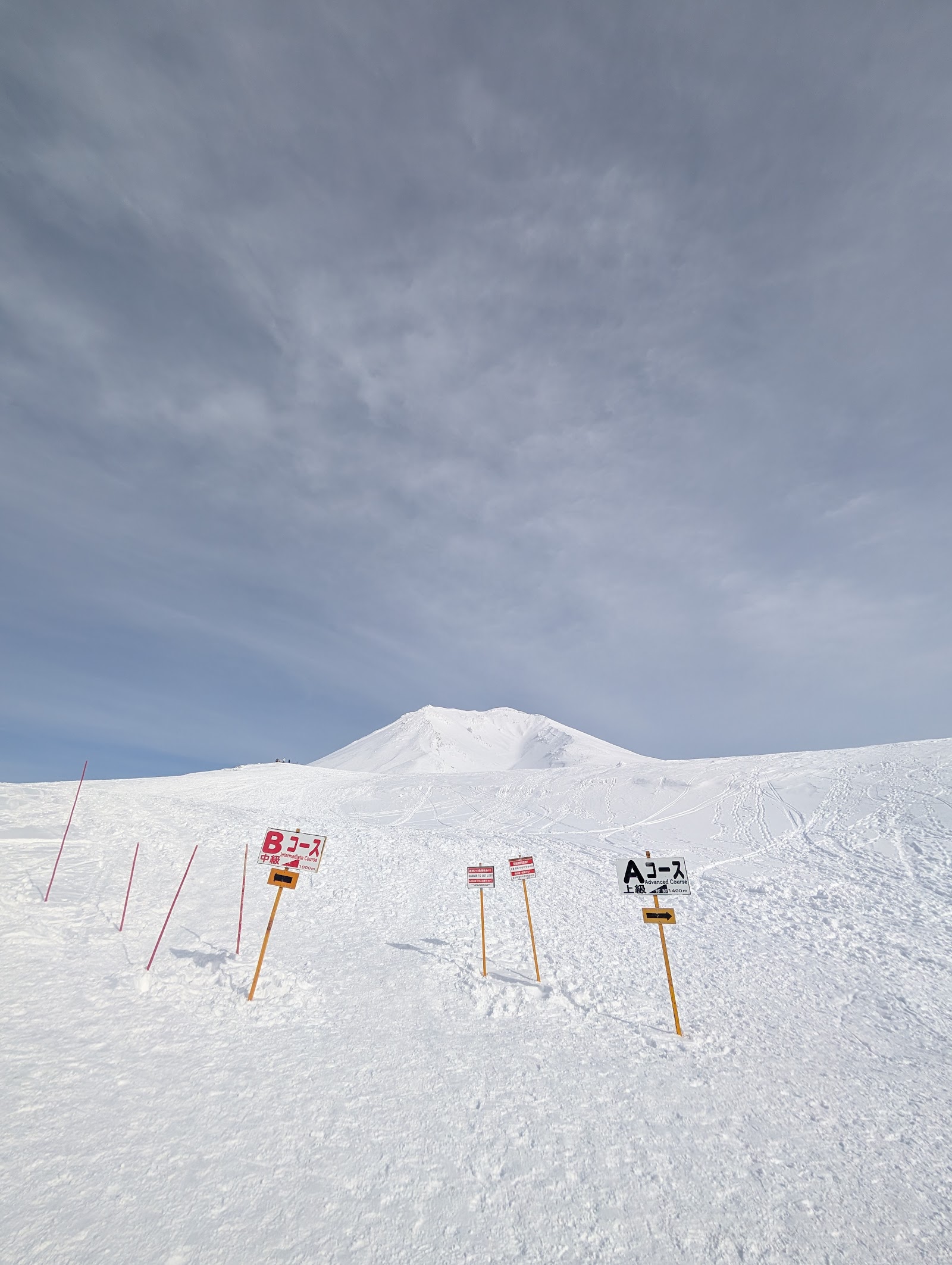
| Terrain | two ungroomed marked courses plus vast backcountry |
| Run split | ungroomed only, effectively advanced and expert |
| Lifts | a single ropeway |
| Season | roughly December to early May, one of the longest in Japan |
| Nearest airport | Asahikawa, around 1h, or Sapporo New Chitose around 2h 30m |
| Day pass | around $40 for the ropeway |
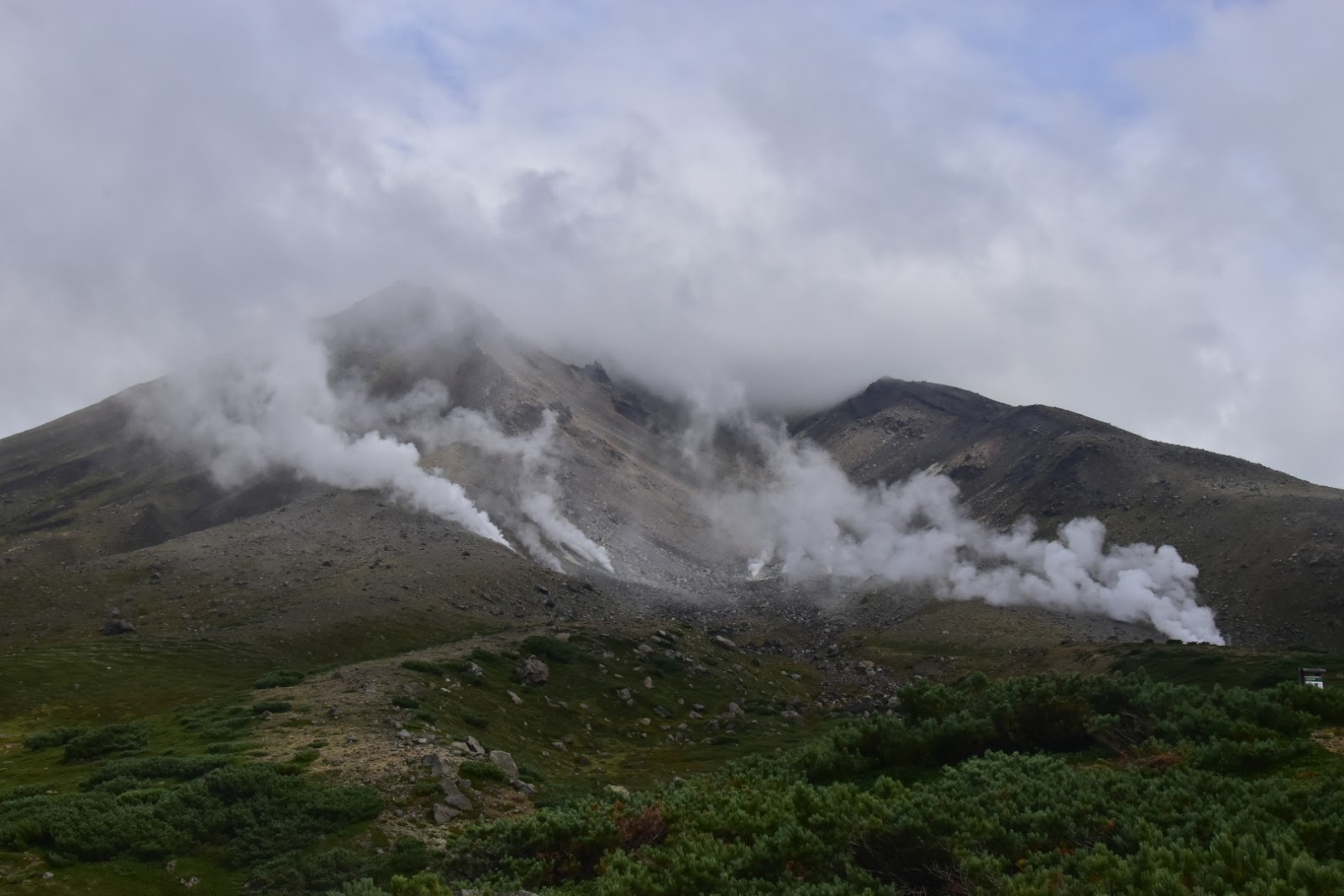
Photos via Google. Contributed by yama p.
Who it suits
Asahidake suits the powder purist and the backcountry skier, no one else. There are no groomed pistes, no beginner runs and no resort to speak of, just a single ropeway lifting you into a raw, beautiful volcanic wilderness where the snow falls light and deep and you are largely responsible for yourself. For an experienced skier who measures a trip by face shots and silence rather than amenities, it is one of the great experiences in Japan.
It is emphatically not for everyone. Beginners and even cautious intermediates have no place here, families will find nothing built for them, and anyone expecting apres ski, restaurants or a buzzing base will be bewildered. The reward is solitude, scenery and extraordinary snow, paid for in self reliance and a complete absence of the usual ski resort comforts. Know which skier you are before you come.
The skiing
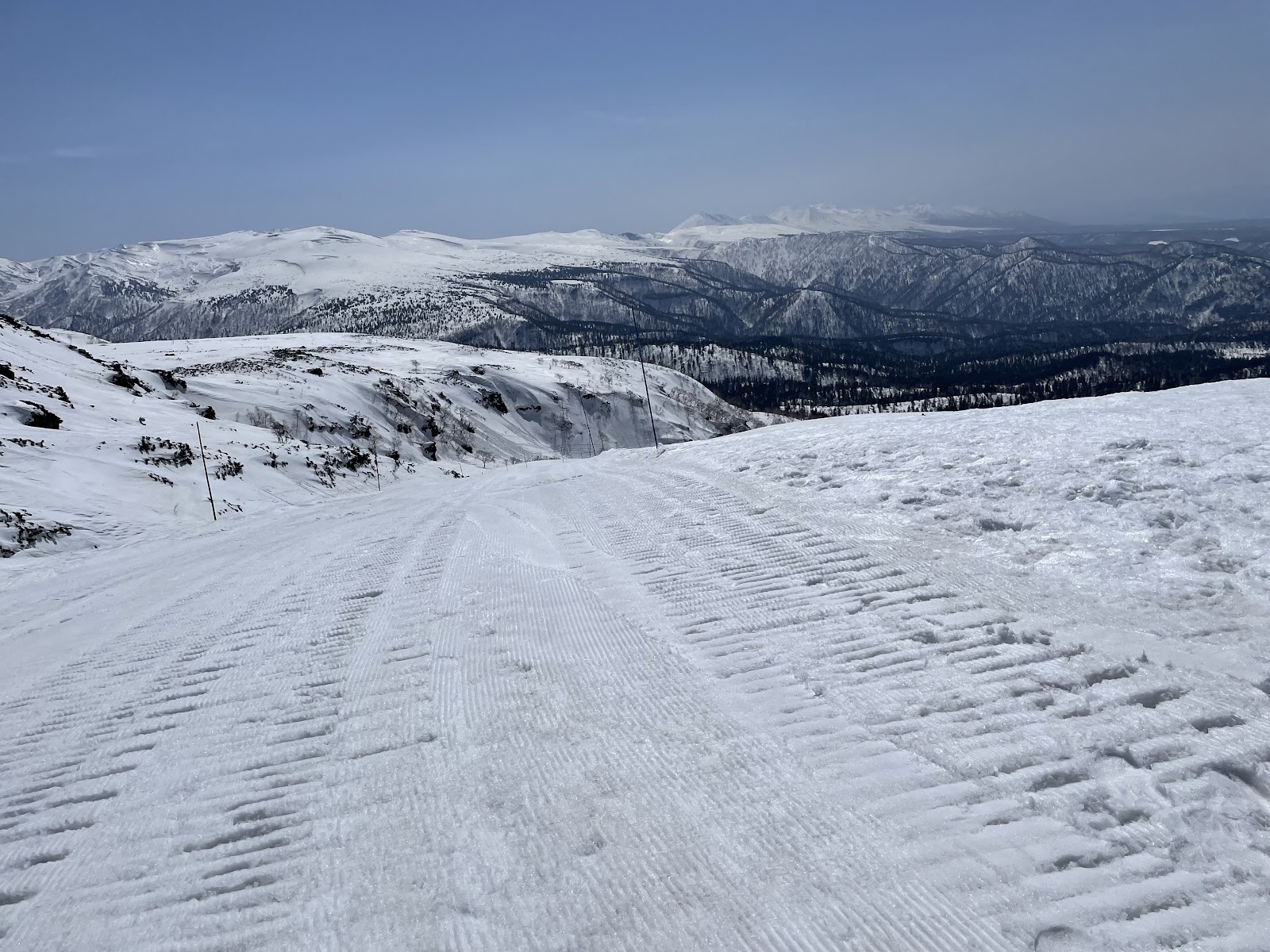
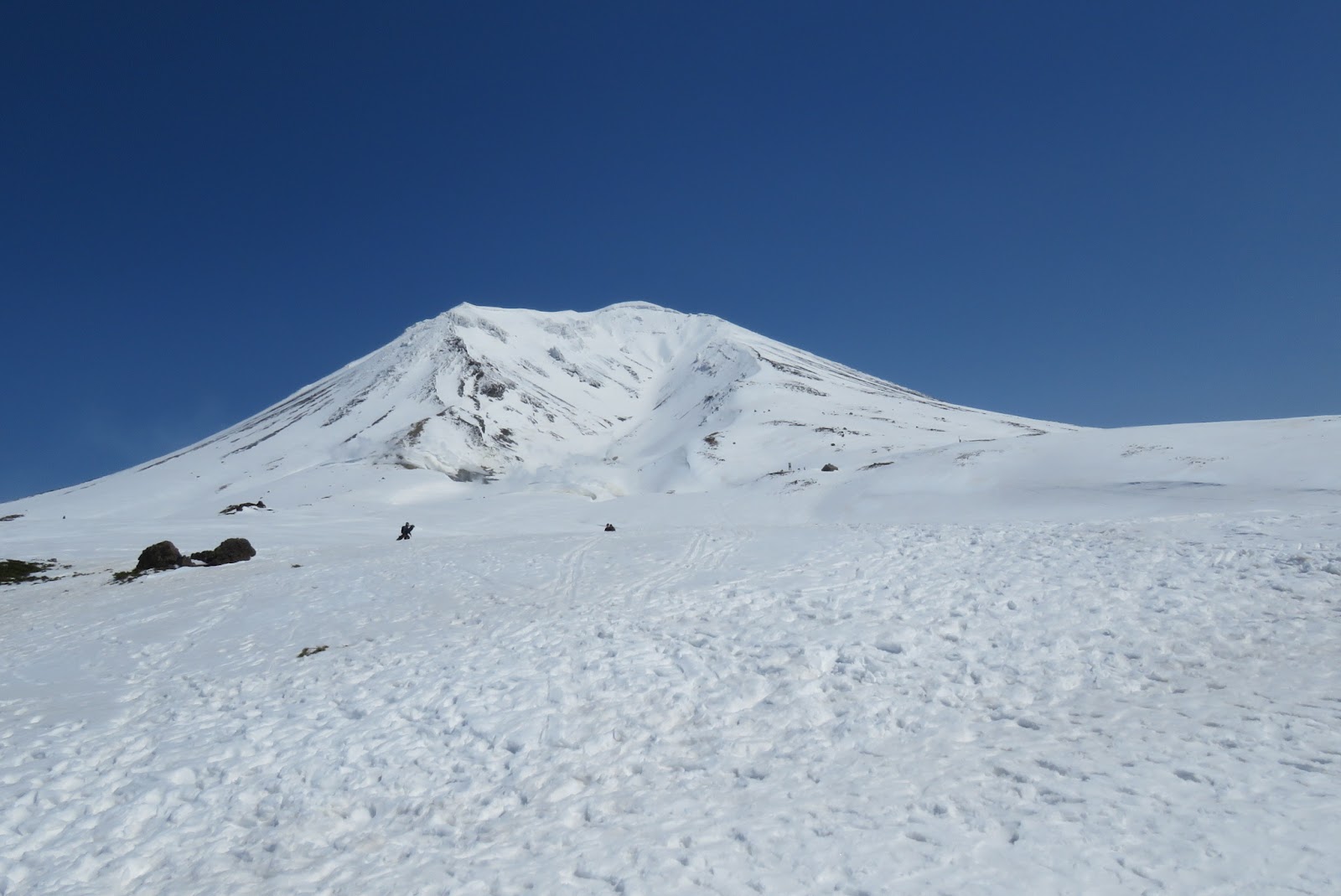
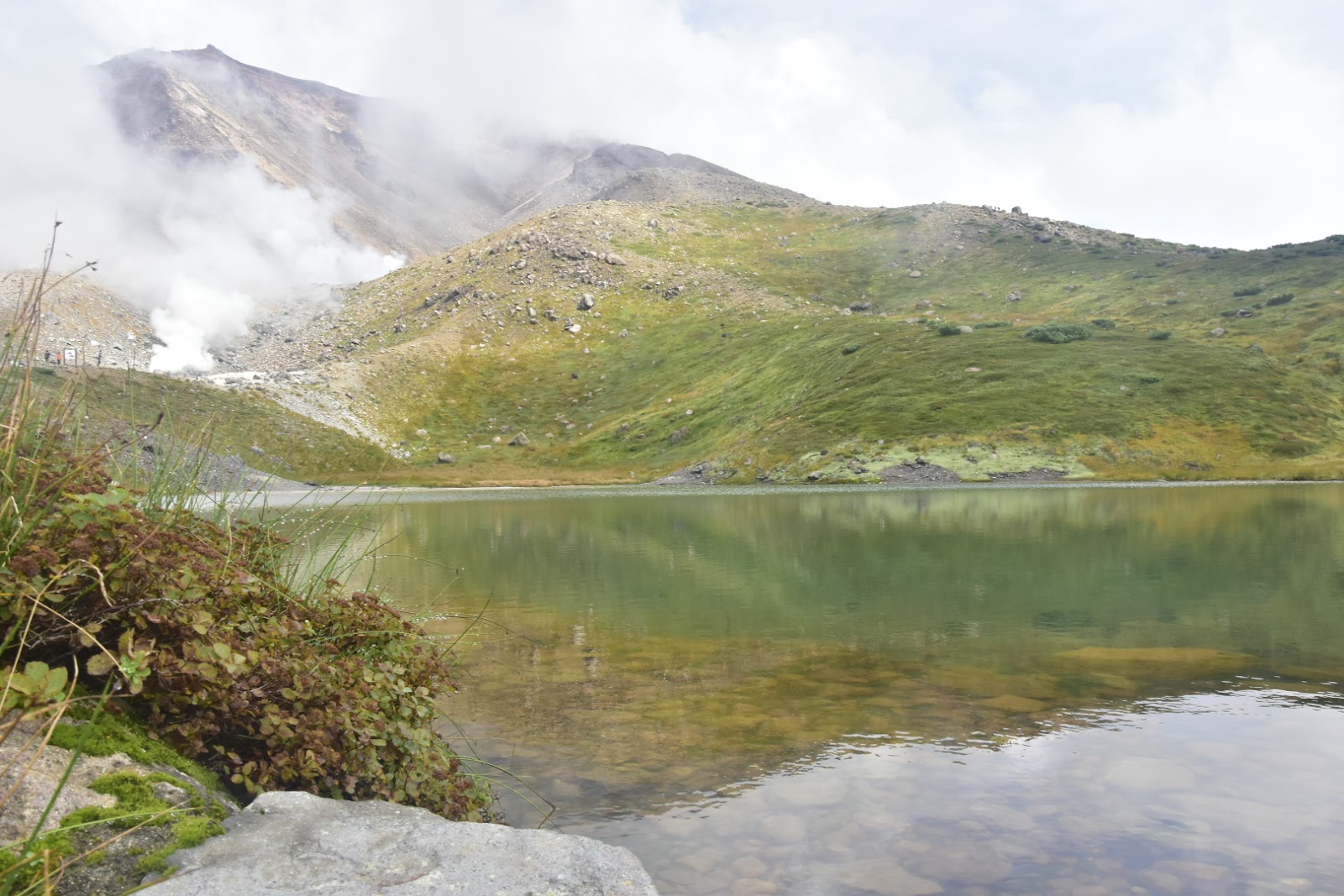
The skiing is wild and ungroomed by design. The single ropeway accesses two marked but unpisted courses through the birch and a vast, open backcountry of bowls and gullies on the flanks of an active volcano, with steam venting from the snow and the summit of Hokkaido's highest mountain looming above. It is terrain that rewards confidence, route finding and proper avalanche awareness, not casual cruising.
The snow is the reason to suffer the lack of everything else, and it is sublime. Sitting high in central Hokkaido, Asahidake catches some of the lightest, driest, most abundant powder in the world, and because there are no groomers and few skiers, fresh tracks last far longer than at the famous resorts. On a storm day, lapping the ropeway through bottomless cold smoke, you understand why people make the pilgrimage.
A serious word on safety. This is a mountain, not a managed ski area, and the marked courses aside it is uncontrolled backcountry with real avalanche, tree well and exposure hazards, often in poor visibility. Carry the gear, know how to use it, and strongly consider hiring a local guide, especially on your first visits. The season is long, running into May, but the terrain demands respect throughout.
The village
The village is a tiny onsen hamlet at the foot of the ropeway, and it is the perfect counterpoint to the savage mountain above it. A small cluster of hot spring hotels and lodges sits among snow laden trees, half buried through the winter, with steam drifting from the volcanic springs and almost no commerce beyond the inns themselves. There are no shops to speak of, no bars, no streets, just snow, trees and the deep quiet of the mountains.
This is one of the most atmospheric places to stay in Japanese skiing precisely because it offers so little. The pleasure is elemental, a hot spring bath as the snow falls, a quiet dinner in your lodge, the hush of a wilderness night. If you crave activity or variety you will be restless here, but if you want to disappear into the mountains for a few days, Asahidake Onsen is close to perfect.
Apres and evenings
Let me be plain, because this is my subject and Asahidake demands honesty about it. There is no apres ski here in any conventional sense. No bars, no terraces, no music, no scene, nothing to walk between. When the ropeway stops, the social ski day simply ends, and what replaces it is something quieter and, for the right traveler, far better.
The evening at Asahidake belongs to the onsen. You come off the mountain cold and spent, and you sink into a steaming volcanic hot spring while snow settles on your shoulders and the temperature plunges, which is one of the great sensory pleasures in all of skiing and a more profound reward than any base bar. Most visitors stay half board in their lodge, where dinner is a generous spread of Hokkaido seafood, hotpot and local produce, eaten early and well.
So the verdict on the apres is that there is none, and that is the point. If your idea of a perfect ski evening is a pint in a crowded bar, you will hate it. If it is a silent soak in geothermal water, a good meal and an early night before more bottomless powder, Asahidake offers one of the most restorative evenings in the sport. For a culture and food minded traveler willing to trade the party for the ritual, it is unforgettable.
Where to stay
You stay in the onsen hamlet at the ropeway base, and you take half board, because there is nowhere else to eat. The handful of hot spring hotels and lodges range from simple to comfortable, all built around their baths, and a stay that includes breakfast and dinner is both the practical and the most rewarding way to do it. Book ahead, because rooms are few and powder season demand is high.
For more variety in your trip, many skiers pair a few wild days at Asahidake with time at a fuller resort elsewhere in Hokkaido. Our guide to booking a catered chalet covers the lodging options for those bigger bases. If you would like an Asahidake and Hokkaido trip priced for your dates, use the form below and we will route your brief to operators who know Japan.
Lift pass prices and how to save
A day on the single ropeway runs around $40, which is remarkable value for the quality of the snow, and there is little to economize on because there is only one lift. The smart spend here is not on the pass but on a local guide and the right avalanche equipment, which transform both the safety and the quality of your skiing on this uncontrolled terrain. Multi day ropeway tickets offer modest savings for a longer stay.
Compare current prices and arrange passes through our lift pass partner.
Lessons and guiding
Forget conventional ski lessons, because Asahidake is not a place to learn. What you want here is a qualified backcountry guide, and hiring one is the single best decision a visitor can make, for safety, for finding the best snow and for understanding a complex and hazardous mountain. Local guiding operations run from the onsen and from nearby Asahikawa, and demand is high in powder season, so book well ahead.
Arrange guiding through our lessons partner and backcountry gear through our ski hire partner.
Getting there
Asahidake is more accessible than its wildness suggests. Asahikawa airport, with domestic flights from Tokyo and connections through Sapporo, is around an hour away by road, and a bus and road link runs up to the onsen. Sapporo's New Chitose airport, the main international gateway to Hokkaido, is roughly 2 hours 30 minutes away. A rental car gives the most freedom in winter, though guided transfers are common.
Book a transfer or car through our transfer partner, and sort cover through our travel insurance partner before you travel, which matters more than usual given the backcountry nature of the skiing.
When to go
January and February are the heart of the powder season, the coldest months with the driest, deepest and most frequent snowfall, the classic time to come. December builds the base, and Asahidake's high, cold setting gives it one of the longest seasons in Japan, with good skiing often running into late spring and even May for tourers. For bottomless powder aim for midwinter, for spring touring and longer days aim for March onward.
The honest bottom line
Asahidake is one of the purest powder experiences on earth, a wild single ropeway peak with sublime snow, a steaming onsen at its foot and absolutely none of the trappings of a resort. You trade groomed runs, beginner terrain, apres ski and every amenity for solitude, scenery, hot spring evenings and the best fresh tracks in Japan. For expert skiers and backcountry tourers it is a dream, while beginners, families and anyone wanting a resort scene should choose a fuller Hokkaido mountain.
If you want this trip priced by specialists, tell us your dates and budget below and we will route your brief to operators who know Asahidake and Hokkaido.
Nearby alternatives
Furano: A snowy, characterful central Hokkaido resort with proper groomed pistes and a real town, the natural fuller base to pair with wild Asahidake. Niseko: Japan's most famous powder resort, with legendary snow, lift served sidecountry and a lively international apres scene, the opposite of Asahidake's solitude. Rusutsu: A snow sure resort of long tree runs and deep powder near Niseko, with more amenities and gentler terrain than Asahidake.
Common questions
Why is Asahidake famous?
Asahidake is famous as Hokkaido's highest peak and its wildest lift served powder skiing. A single ropeway accesses ungroomed courses and vast backcountry on an active volcano, with some of the lightest, deepest snow on earth, a steaming onsen village at the base and almost no resort development. It is a powder purist's mountain.
Is Asahidake good for beginners?
No. Asahidake has no groomed pistes and no beginner terrain, only ungroomed courses and uncontrolled backcountry that demand confident, experienced skiing and avalanche awareness. Beginners and families should choose a fuller Hokkaido resort such as Furano or Rusutsu instead.
Does Asahidake have apres ski?
No, there is no apres ski in the usual sense, no bars or scene. The evening belongs to the onsen, a soak in a volcanic hot spring as the snow falls, followed by a half board dinner of Hokkaido seafood in your lodge. For the right traveler it is more rewarding than any base bar.
Do I need a guide at Asahidake?
Strongly recommended, especially on a first visit. Beyond the marked courses this is uncontrolled backcountry with real avalanche, tree well and exposure hazards, often in poor visibility. A qualified local guide improves both safety and the quality of the snow you find, and carrying avalanche gear is essential.
How much snow does Asahidake get?
An enormous amount of very dry powder. High in central Hokkaido, it catches some of the lightest and most abundant snowfall in the world, and because there are no groomers and few skiers, fresh tracks last far longer than at busier resorts. The season is long, often running into May.
How do I get to Asahidake?
Asahikawa airport is around an hour away by road, with domestic flights and a bus link up to the onsen, while Sapporo's New Chitose airport, the main international gateway to Hokkaido, is roughly 2 hours 30 minutes away. A rental car gives the most freedom in winter.
Plan your Asahidake trip with specialists
Send one brief and vetted operators return tailored proposals covering lodging, transfers, passes and guiding. No fee to you, ever.