Whakapapa Mt Ruapehu Ski Review 2026
Whakapapa is the largest ski area in New Zealand and the best skiing on the North Island, a wild volcanic mountain that trades polish for raw scale and scenery. It rides the flanks of Mt Ruapehu, an active volcano in Tongariro National Park, climbing from a base around 1,600 m to top lifts near 2,300 m, with sprawling natural terrain for every ability and a moonscape backdrop you will not find anywhere else. Book it if you are touring the North Island, want big varied terrain on a budget, or crave dramatic volcanic scenery and can roll with the weather. Skip it if you want guaranteed open lifts, manicured grooming or a slope side village, because Ruapehu is famously storm prone, closures are common and you stay in a town down the road, not on the hill. After years of uncertainty the mountain is running again, with skiing from early July 2026, and on a clear day it is one of the most spectacular places to ski in the Southern Hemisphere.
By the Ski Resorts for Kings editorial team · Last reviewed May 2026
Mountain stats at a glance
| Base altitude | around 1,600 m at the main base |
|---|---|
| Top lift | around 2,300 m on the upper slopes of Ruapehu |
| Vertical | roughly 650 m of lift served vertical |
| Terrain | the largest ski area in New Zealand, wide natural terrain for all abilities |
| Run split | a strong beginner zone at Happy Valley, broad intermediate slopes and steep chutes and bowls up high |
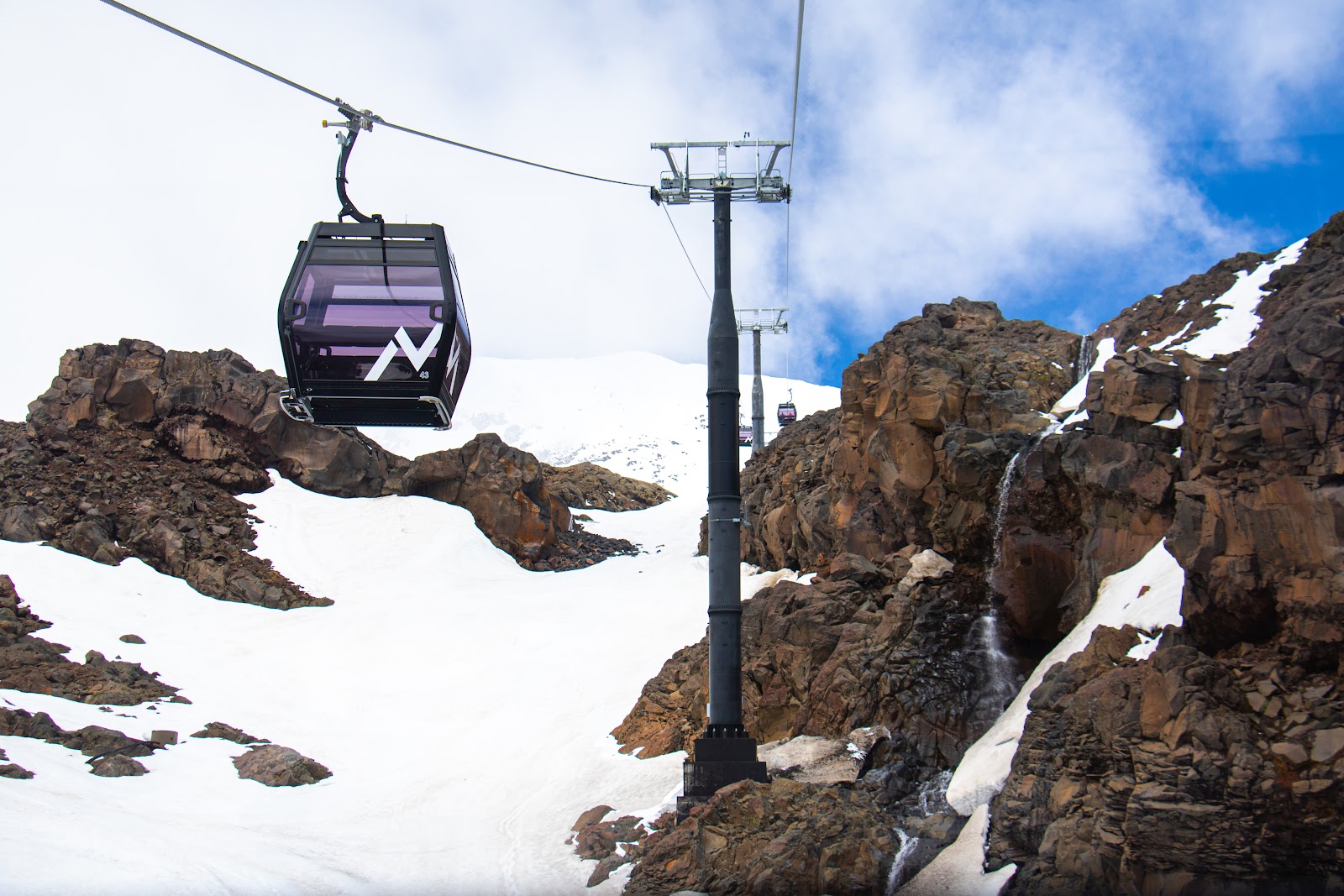
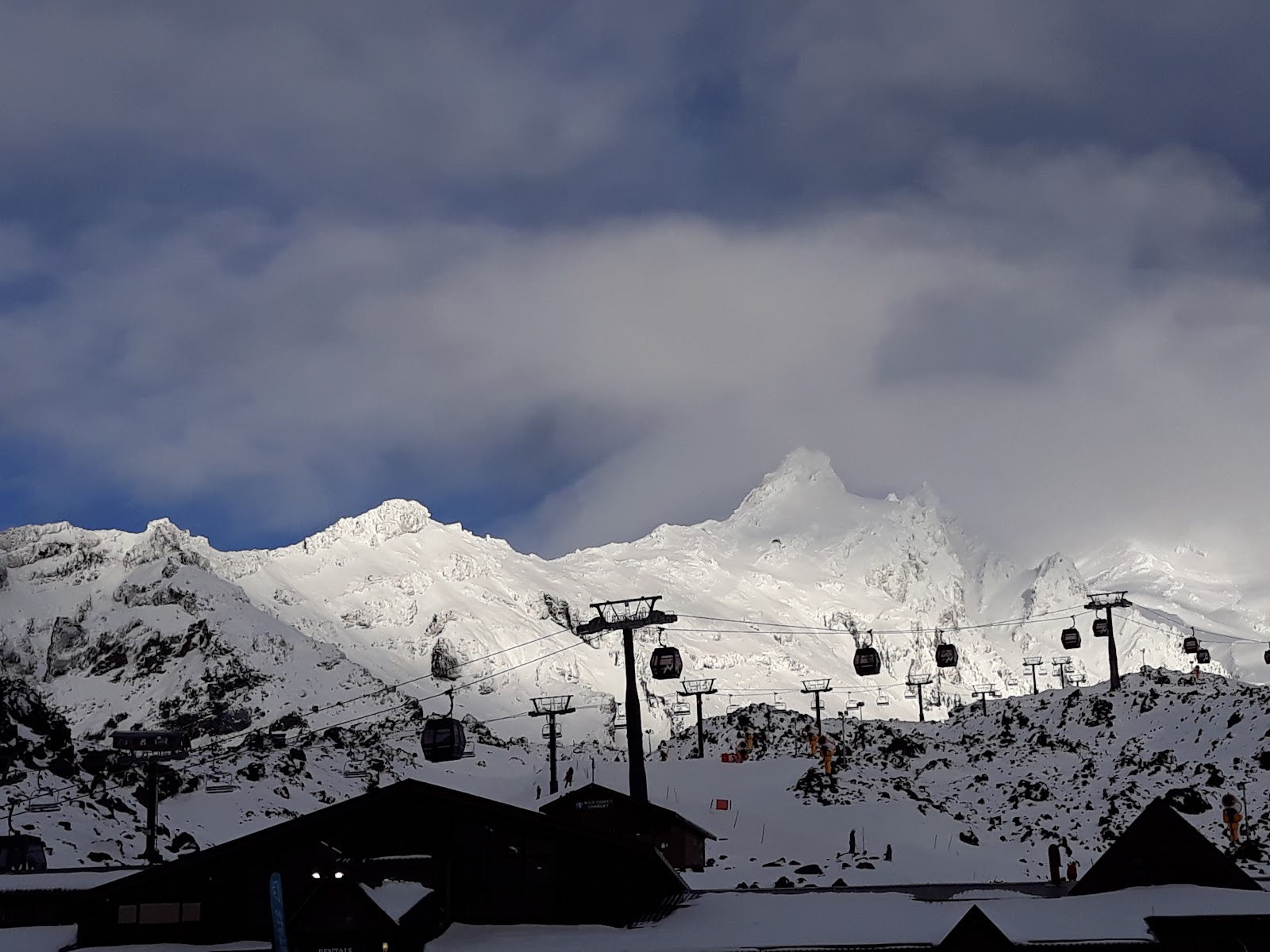
| Lifts | a scenic gondola plus a spread of chairs and surface lifts |
| Season | roughly July to October, weather dependent |
| Nearest airport | Taupo around 1.5 hours, Auckland around 4.5 hours |
| Day pass | around $80 |
Photos via Google. Contributed by Whakapapa, Michelle Heiser, Akshra Ram, Dee P.
Who it suits
Whakapapa suits the adventurous, flexible skier and the North Island traveler above all. It is the biggest, most varied ski area in the country, with a genuinely good beginner zone at Happy Valley, acres of intermediate cruising and a high tangle of chutes, bowls and volcanic gullies that reward a strong skier willing to explore. If you are road tripping the North Island or based in Auckland, Taupo or Wellington, this is your serious skiing, and the scenery of an active volcano under your skis is unforgettable.
It does not suit anyone who needs certainty. Ruapehu sits exposed to wild Tasman weather, and storms, wind and whiteout can shut the upper mountain or the whole field at short notice, so a fixed itinerary built around guaranteed turns is the wrong way to plan it. It is also not the place for a polished, ski in ski out resort experience, because there is no slope side village and the vibe is rugged rather than refined. Come for adventure and scenery with a flexible plan, not for a manicured week.
The skiing
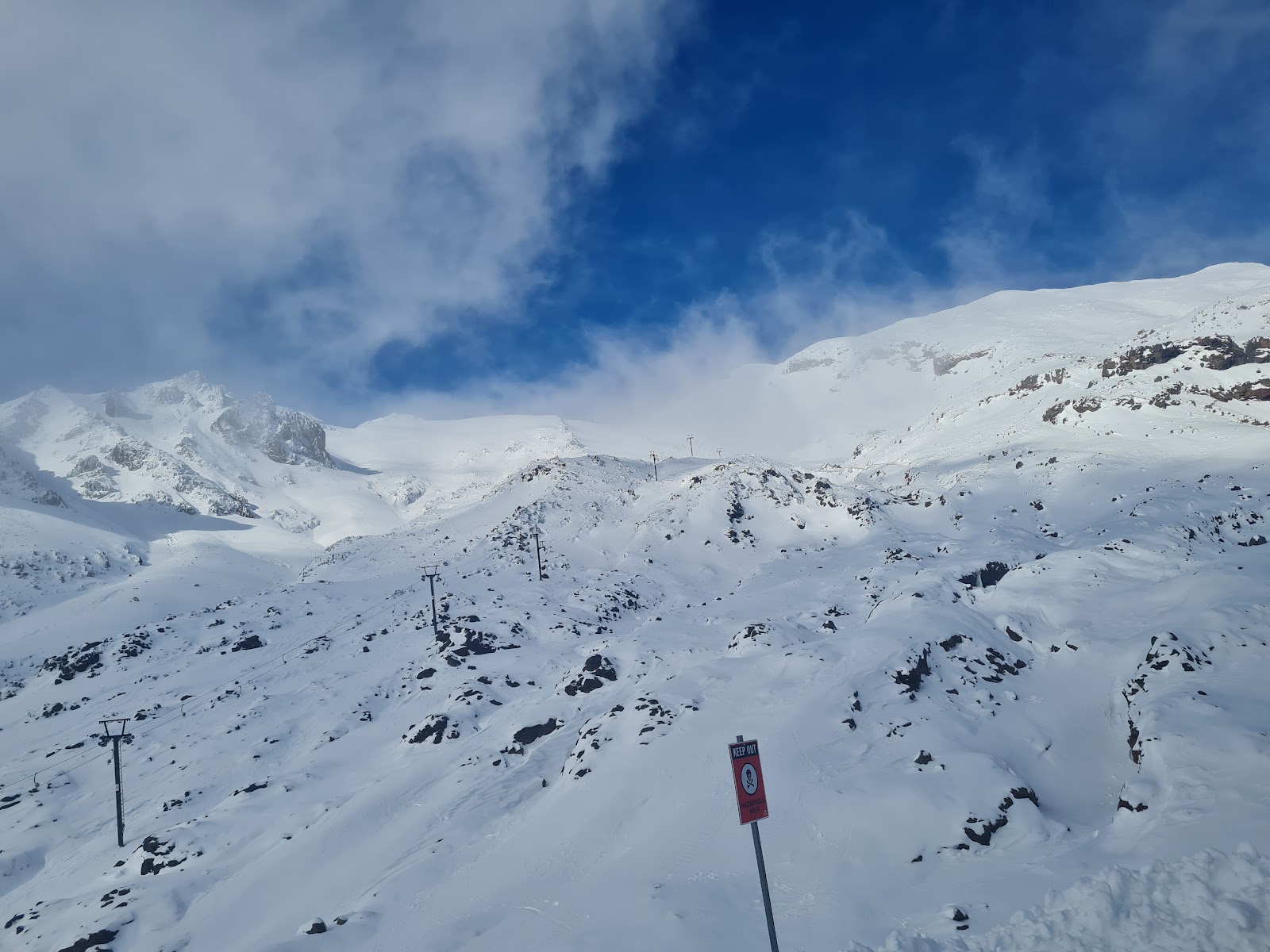
Whakapapa is all about natural volcanic terrain on a big scale. From the base around 1,600 m the mountain fans out into a sprawling network of slopes that top out near 2,300 m, and because it is unmarked by trees the whole upper mountain reads as one vast open canvas of ridges, faces and hidden valleys. Intermediates get long, wide rolling pitches, beginners get the gentle, sheltered Happy Valley to learn on, and strong skiers get steep chutes, wind lips and natural halfpipes carved into the lava landscape. On a clear, calm powder day it is one of the most exciting freeride playgrounds in New Zealand.
The honest catch is the weather and the snow surface. Ruapehu's exposed, oceanic setting means the snow can swing from cold powder to wind crust to spring slush within a few days, and grooming covers only a fraction of the natural terrain, so conditions are more variable than at a tidy Southern Alps resort. Visibility is the real make or break, since the open upper slopes are no fun and can be dangerous in a whiteout. Watch the forecast, pounce on the clear cold windows, and stick to the lower mountain or Happy Valley when the cloud is down. Played right, the scale and adventure are huge. Played rigidly, you will spend days waiting for the lifts to spin.
The village
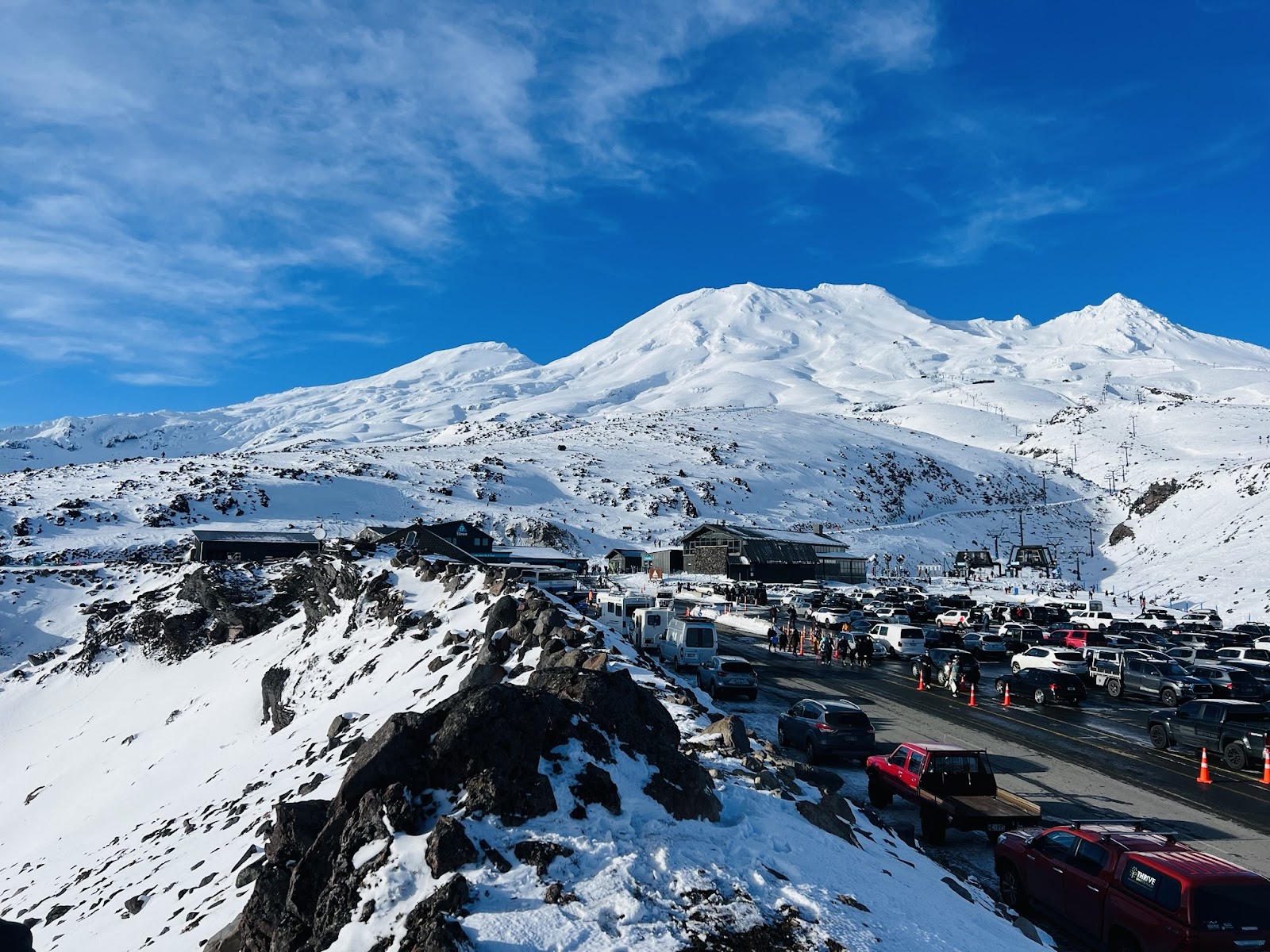
There is no real ski village at the lifts, just the small Whakapapa Village a little below the field with a historic grand hotel and a handful of lodges, and the day base buildings up at the snow. Most skiers stay in the nearby towns, National Park Village close to the access road, Ohakune on the southern side of the mountain with the liveliest bar and food scene, or Taupo and Turangi a longer drive north with lake side amenities. You drive up to ski and back down to sleep.
Evenings happen in those towns rather than on the mountain. Ohakune is the most fun, with a cluster of bars and restaurants that fill with skiers, while National Park Village is quieter and handy, and Taupo offers a proper resort town with hot springs and lake views. For non skiers, Tongariro National Park is a world class playground of volcanic hikes, including the famous alpine crossing in summer, so the setting earns its keep beyond the slopes. If a chic alpine village is your priority, this is not the trip.
Where to stay
Base yourself by your priorities. Ohakune is the pick for food, bars and atmosphere on the southern side, National Park Village is closest and simplest for the Whakapapa access road, and Taupo suits those who want a full resort town with hot springs and a lake, at the cost of a longer daily drive. The historic lodges in Whakapapa Village itself put you nearest the mountain for a first chair dash on a clear morning.
Our guide to booking a catered chalet is more geared to the Alps, but the principles travel. If you want a New Zealand ski trip priced for your dates, use the form below and we will route your brief to operators who know Ruapehu and the wider country.
Lift pass prices and how to save
A Whakapapa day pass runs around $80, reasonable value for the largest ski area in the country, and multi day tickets and early season deals bring the daily rate down. Because weather closures are a real risk, look for flexible or weather guarantee ticket options where offered, and avoid prepaying a rigid block of days you may not get to ski. Buying online ahead of a clear forecast window is the smart play, since fine days draw crowds up the access road.
Compare current prices and buy ahead through our lift pass partner.
Lessons and ski hire
Whakapapa has a ski school with English speaking instruction and the excellent Happy Valley learner area, a sheltered, gentle zone that makes it one of the better places in New Zealand to start. Group and private lessons are straightforward to book, and rental shops at the base and in the nearby towns cover downhill, snowboard and some touring gear. Given the variable surface, decent all mountain skis are worth the upgrade if you intend to explore.
Arrange lessons through our lessons partner and skis, boards and gear through our ski hire partner. If you plan to range across the open upper terrain, read our avalanche safety basics for off piste and respect the volcanic hazard zones.
Getting there
Whakapapa sits in the middle of the North Island, roughly 1.5 hours from Taupo, around 4.5 hours from Auckland and a similar drive from Wellington, so a hire car is essential and the mountain pairs naturally with a wider North Island road trip. The access road climbs to the field from National Park Village, and you should carry chains and check road and field status before driving up, since both can close in bad weather. The central location makes it easy to combine with Taupo's hot springs, Tongariro's hikes and the volcanic scenery of the national park.
Book a car or transfer through our transfer partner, and sort travel cover through our travel insurance partner before you go.
When to go
August is the sweet spot, the heart of the New Zealand winter when Ruapehu has its deepest, most reliable snow and the upper mountain is most likely to be fully open. July can be brilliant but early season cover is less certain, and September into October brings longer, sunnier spring days and softer afternoon snow, a fun time for cruising if the base is holding. Throughout the season the rule is the same, let the forecast pick your days and stay flexible, because a settled high pressure window is worth far more here than any calendar date. Chase the clear, cold, calm days and Whakapapa rewards you.
The honest bottom line
Whakapapa is the biggest, wildest and most scenic ski area in New Zealand, and on a clear day there is nothing like skiing an active volcano. Book it if you are exploring the North Island, want big natural terrain and dramatic scenery on a budget, and can build a flexible plan around the weather. Skip it if you need guaranteed open lifts, groomed perfection or a slope side village, because Ruapehu is storm prone, closures are frequent and you stay in a town down the road. For the adventurous skier who chases the clear windows, it is a genuinely special mountain, and for reliable destination skiing the Southern Alps still win.
If you want a New Zealand ski trip priced by specialists, tell us your dates and budget below and we will route your brief to operators who know Ruapehu and the South Island fields.
Nearby alternatives
On the same mountain, Turoa is the southern Ruapehu field above Ohakune, with the biggest lift served vertical in the country and a sunnier aspect. For the most reliable, accessible Southern Alps skiing near Christchurch, Mt Hutt is the South Island's standout day mountain. For lift linked terrain above a world famous resort town, The Remarkables near Queenstown pairs good skiing with the country's best base.
Common questions
Is Whakapapa the biggest ski area in New Zealand?
Yes. Whakapapa, on the flanks of Mt Ruapehu, is the largest ski area in New Zealand and the best skiing on the North Island, with wide natural terrain for all abilities from the Happy Valley learner zone to steep volcanic chutes up high. Its sister field Turoa sits on the southern side of the same mountain.
Is Whakapapa open for the 2026 season?
Yes. After years of financial uncertainty the mountain is operating again, with scenic gondola rides from late May and skiing and snowboarding from early July 2026, opening progressively as conditions allow. Always check the current field and road status before you drive up, as both depend on the weather.
How reliable is the weather and snow at Whakapapa?
It is variable. Mt Ruapehu is exposed to wild Tasman weather, so storms, wind and whiteout can close the upper mountain or the whole field at short notice, and the snow surface swings between powder, wind crust and spring slush. Plan flexibly and pounce on the clear, calm windows rather than committing to fixed days.
How do you get to Whakapapa?
Whakapapa is in the central North Island, roughly 1.5 hours from Taupo and around 4.5 hours from Auckland or Wellington, so a hire car is essential. The access road climbs from National Park Village, and you should carry chains and check road and field status, as both can close in bad weather.
Where should you stay to ski Whakapapa?
Ohakune on the southern side has the best bars and restaurants, National Park Village is closest and simplest for the access road, and Taupo offers a full resort town with hot springs at the cost of a longer drive. The historic lodges in Whakapapa Village put you nearest the lifts for a clear morning dash.
When is the best time to ski Whakapapa?
August is the heart of the season with the deepest, most reliable snow and the best chance of the upper mountain being fully open. September and October bring sunnier spring days and softer snow, while July can be excellent but less certain early on. Throughout, let the forecast choose your days.
Plan your New Zealand ski trip with specialists
Send one brief and vetted operators return tailored proposals covering lodging, lift passes, transfers and lessons. No fee to you, ever.