Turoa Ski Resort Review 2026
Turoa has the biggest vertical in New Zealand and the best lift served terrain on the North Island, a wild, treeless ski field high on the active volcano of Mount Ruapehu with the cheerful little town of Ohakune for apres. It suits adventurous intermediates and experts who want big, open volcanic terrain and a fun, affordable mountain town below. Skip it if you need a slopeside village, dependable weather or guaranteed groomed snow, because Turoa is exposed, weather prone and has no lodging on the mountain.
By the Ski Resorts for Kings editorial team · Last reviewed May 2026
Mountain stats at a glance
| Base altitude | around 1,600 m, roughly 5,250 feet at the car park |
|---|---|
| Top lift | around 2,320 m, roughly 7,610 feet high on Ruapehu |
| Vertical | roughly 720 m, the biggest in New Zealand |
| Terrain | around 500 hectares of open volcanic slopes |
| Run split | a good spread of beginner, intermediate and advanced, plus serious off piste |
| Lifts | around 9 lifts including high chairs and a learner zone |
| Season | roughly July to October, southern winter |
| Nearest airport | Taupo, around 1h 30m; Auckland, around 4h drive |
| Day pass | around $80 |
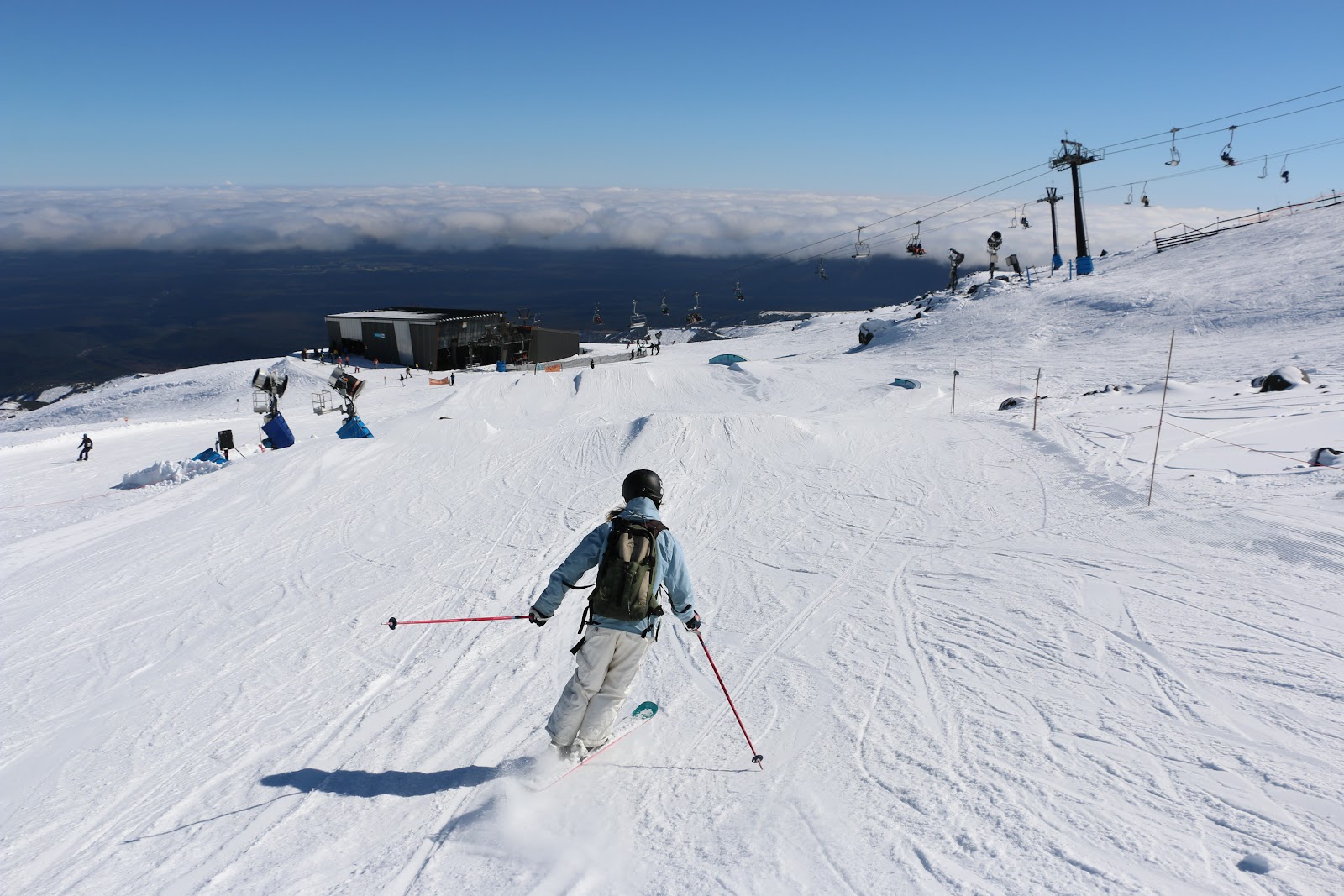
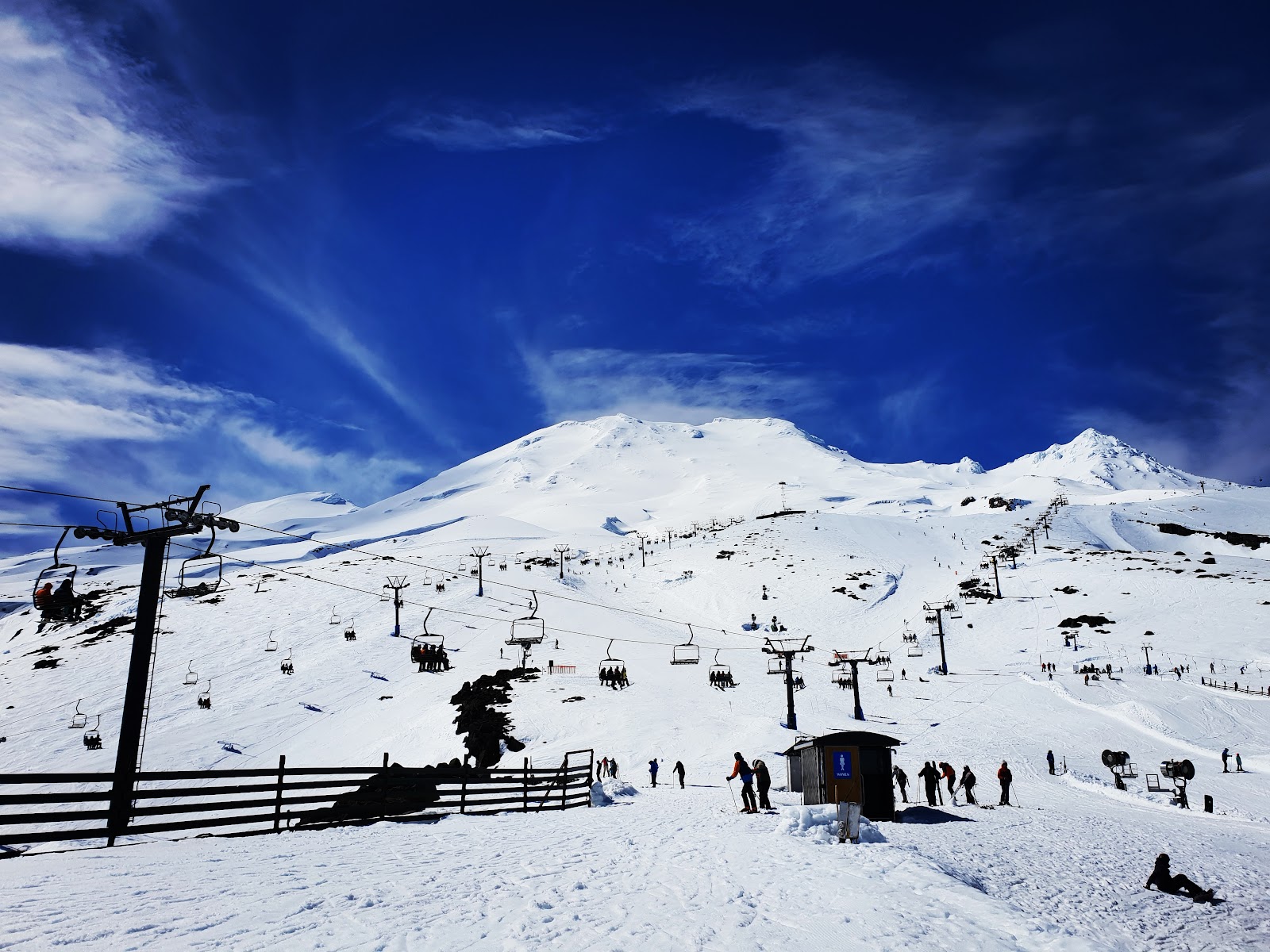
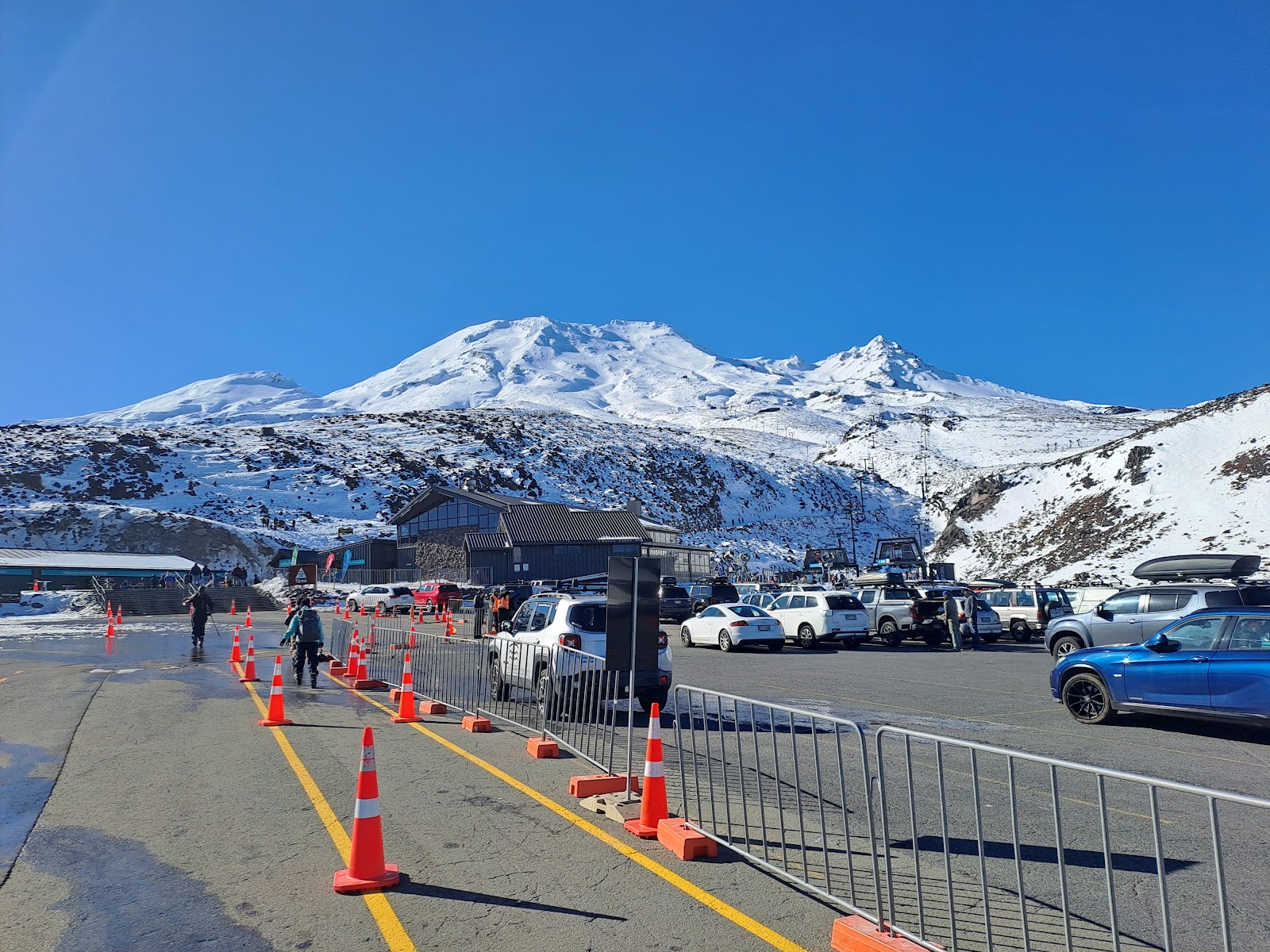
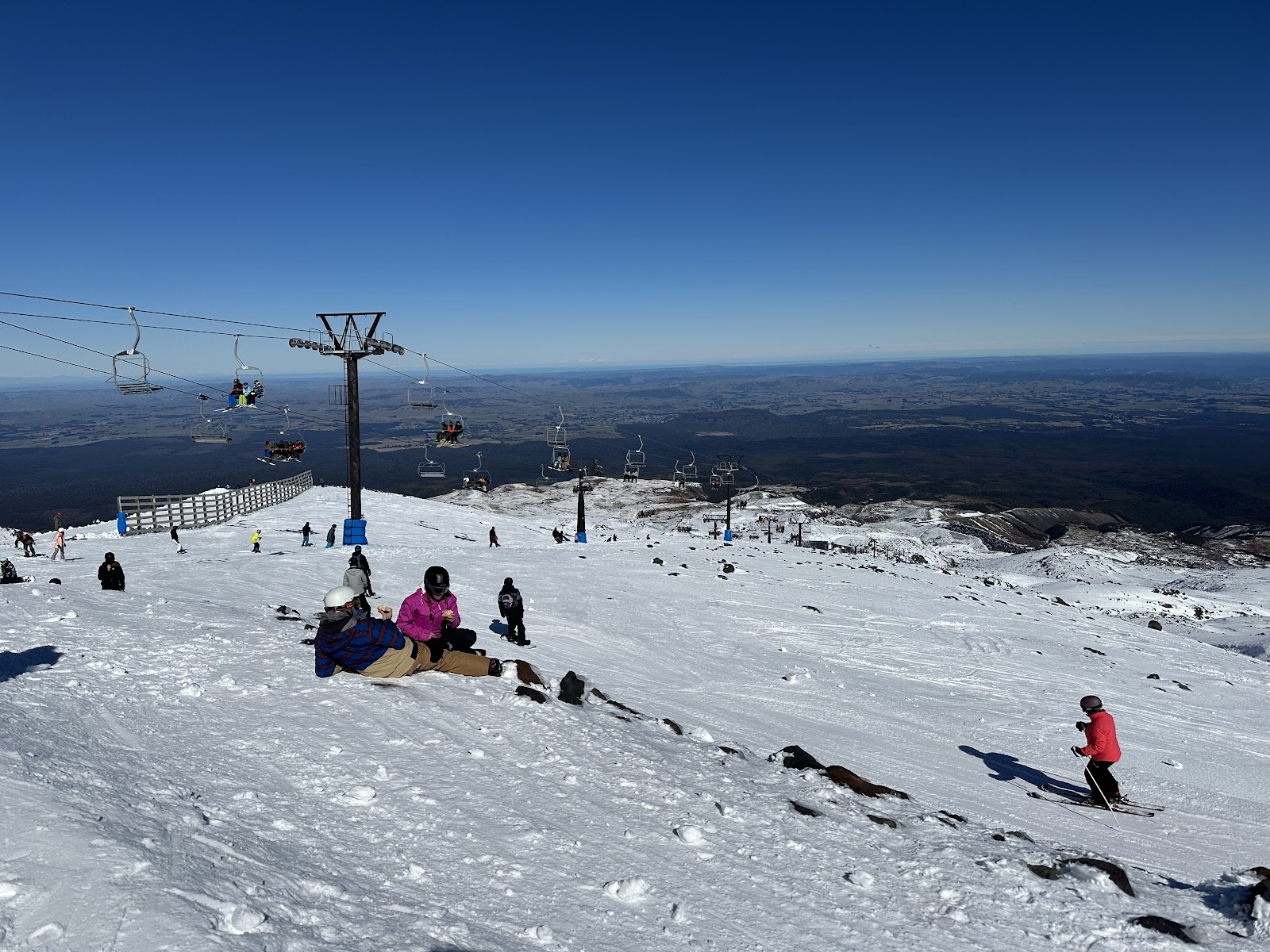
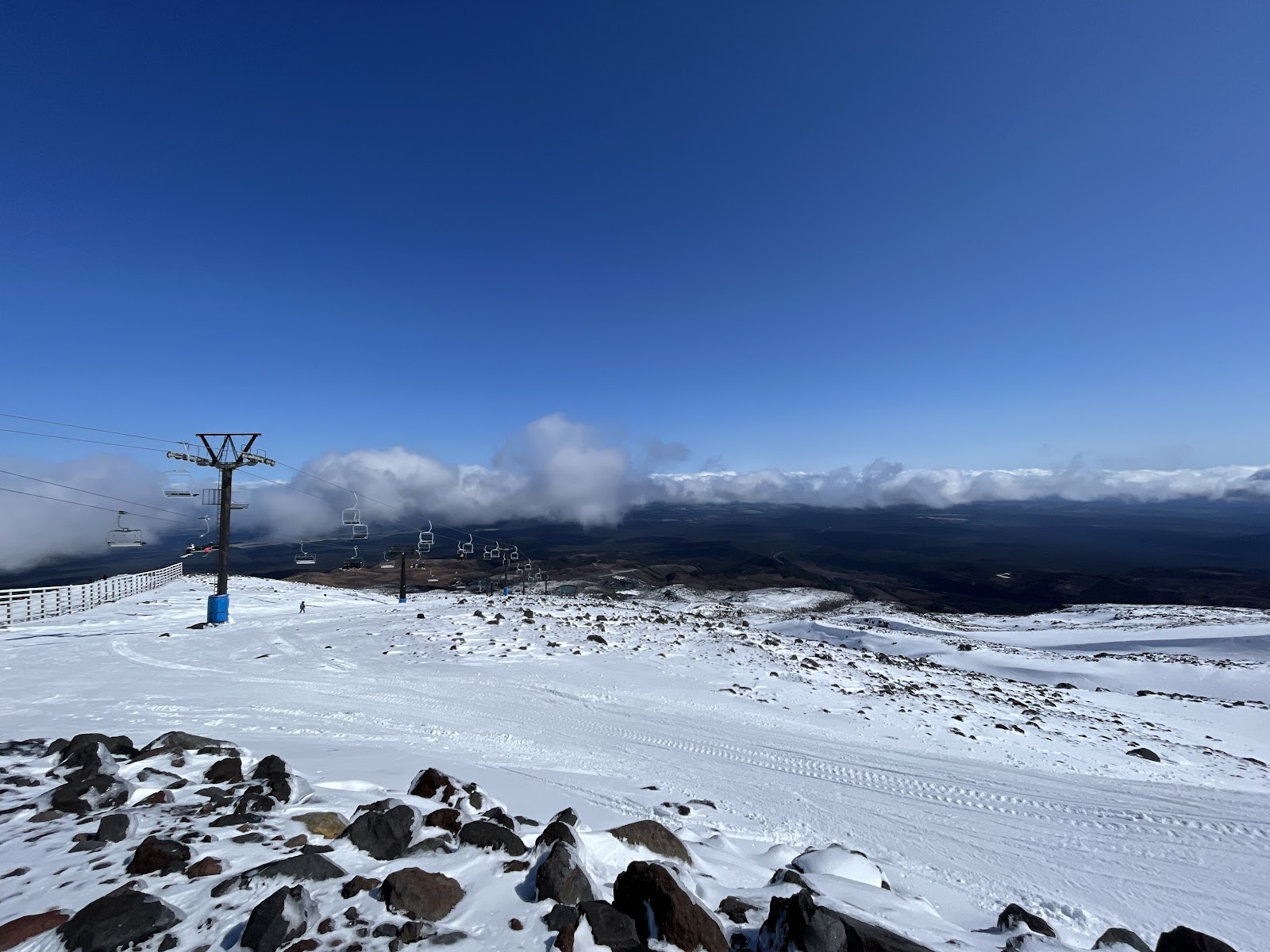
Photos via Google. Contributed by Allister Ngim, Samuel Vorster, David Von Garratt.
Who it suits
Turoa suits the adventurous skier who wants big, open, dramatic terrain and does not mind a little roughness around the edges. Confident intermediates and experts are the sweet spot here, set loose on the longest vertical in the country, wide volcanic bowls and a serious amount of off piste, with a genuinely fun mountain town in Ohakune to come home to. For a skier chasing a wild, distinctive volcano experience on a budget, it is brilliant.
It is not the mountain for those who want comfort and certainty. There is no village on the slopes, no trees for bad weather visibility, and Ruapehu is notorious for high winds and storms that can shut the lifts for days, so flexibility is essential. Beginners are catered for with a good learner area, but families wanting a polished, reliable resort experience will find the Alps or the South Island easier going.
The skiing
The skiing at Turoa is big, open and unlike anywhere else in New Zealand. Spread across the southwestern flank of Mount Ruapehu, an active volcano in the central North Island, it offers around 500 hectares of treeless terrain and the country's biggest lift served vertical at roughly 720 m, from a high base at around 1,600 m up toward 2,320 m. The pitch ranges from a gentle learner zone to wide cruising bowls and genuinely steep advanced lines.
The real prize for strong skiers is the off piste. Above the top lifts the volcano opens into chutes, ridges and high basins that reward those willing to hike a little, with views over the crater lake and across the central plateau that are simply extraordinary. This is adventure skiing on a grand scale, raw and elemental, and the best terrain on the North Island by a distance.
The honest catch is the weather. Turoa is high, exposed and treeless, and Mount Ruapehu sits in the path of fierce weather systems, so storms, wind and whiteout can close the upper mountain or the whole field for days at a time. Snow quality swings with the maritime climate too. When it is good it is spectacular, but you must come with patience and a flexible plan.
The village
Turoa has no village of its own, just a car park and day lodges at the base, so the heart of any trip is the town of Ohakune, around fifteen minutes down the mountain road. Ohakune is a small, characterful railway and farming town that comes alive in winter, a single lively strip of cafes, bars, restaurants and lodges with a friendly, slightly bohemian energy and a giant carrot statue that tells you not to take the place too seriously.
It is one of the more enjoyable ski towns in New Zealand precisely because it is a real place rather than a resort, with good coffee, good food and a warm welcome. The forests and volcanic landscapes of Tongariro National Park surround it, offering some of the country's finest walking and scenery, so non skiers and weather bound days are well covered. This is rustic, genuine and fun rather than smart.
Apres and evenings
Let me be honest about the apres, because it is my subject, and Ohakune is the best apres ski town on the North Island by a wide margin. After the windswept emptiness of the mountain, dropping into the warm little strip of bars and restaurants below feels like a reward, and Ohakune has built a genuine reputation as a winter party town, lively, unpretentious and a lot of fun once the lifts close.
The pleasures are warm and down to earth. The classic Ohakune night starts with a cold craft beer or a glass of New Zealand pinot noir in a buzzing bar, moves on to hearty mountain food, a venison pie, a wood fired pizza, a plate of local lamb, and on the busier weekends spills into late, cheerful dancing in the handful of pubs that anchor the strip. It is sociable and easygoing rather than glossy, the apres of a real town rather than a resort.
So the verdict on the apres is that Ohakune delivers a genuinely good night out, the liveliest in this part of the country, built around craft beer, good food and friendly crowds rather than champagne and exclusivity. If you measure a ski evening by a packed local bar, a great pie and the buzz of skiers swapping stories of a wild day on the volcano, Turoa and Ohakune together give you one of the most enjoyable apres scenes in New Zealand.
Where to stay
Ohakune is the obvious base, with a good range of lodges, motels, holiday homes and a few smarter places to stay, all within easy reach of the mountain road and the bars and restaurants of the town strip. Staying here puts you in the heart of the apres scene and the national park, and is the choice for most visitors who want life in the evening.
For a quieter, more scenic stay, the nearby villages and the grand old Chateau area on the northern side of the mountain offer a calmer alternative, though with less nightlife. If you would like a Ruapehu and central plateau trip arranged around your dates and group, use the form below and we will route your brief to operators who know New Zealand. Our guide to booking a catered chalet covers lodging choices for larger parties.
Lift pass prices and how to save
A Turoa day pass runs around $80, good value for the biggest vertical in the country, and multi day tickets and a combined pass with the sister field of Whakapapa on the other side of the mountain bring the daily rate down and add useful flexibility when the weather closes one side. Given how variable the conditions are, a flexible multi day pass that lets you pick your days is the smart buy here rather than a fixed block.
Compare current prices and arrange passes through our lift pass partner.
Lessons and ski hire
Turoa has a solid learner zone and a ski school used to first timers, so beginners are well served despite the mountain's wild reputation, and lessons are good value by international standards. Rental gear is available at the base and, more conveniently, down in Ohakune, where shops can kit you out with skis, boards and warm weatherproof clothing, which matters a great deal on such an exposed mountain.
Arrange lessons through our lessons partner and rental gear through our ski hire partner.
Getting there
Turoa sits in the central North Island and is most easily reached by road, around four hours drive from Auckland or Wellington and roughly an hour and a half from Taupo, with Ohakune as the base at the foot of the mountain road. There is no airport at the resort, so most visitors fly into Auckland, Wellington or Taupo and drive, or take the scenic main trunk train line that stops at Ohakune. The mountain access road is steep and can require chains in snow.
Book a transfer or car through our transfer partner, and sort cover through our travel insurance partner before you travel.
When to go
The southern winter season runs roughly July to October, and the timing shapes the trip. July and August bring the coldest temperatures and the most reliable snow, the core months for the best conditions, though also the stormiest. September and into October offer longer days, milder spring skiing and a good chance of bluebird days on the high volcanic terrain, often the most enjoyable time to ski Turoa. Whenever you come, build in spare days for weather, because Ruapehu will close lifts when it storms.
The honest bottom line
Turoa has the biggest vertical in New Zealand and the best lift served terrain on the North Island, a wild, open volcanic ski field on Mount Ruapehu paired with the cheerful, lively town of Ohakune for apres. You trade a slopeside village, reliable weather and groomed certainty for huge terrain, serious off piste and a genuinely fun, affordable mountain town. For comfort seekers and nervous families it can be too raw, but for adventurous skiers wanting something distinctive it is one of the great experiences in New Zealand.
If you want this trip priced by specialists, tell us your dates and budget below and we will route your brief to operators who know Turoa and the central North Island.
Nearby alternatives
Mt Ruapehu Whakapapa: The sister field on the northern side of the same volcano, larger and with more varied terrain, the natural pairing for a Ruapehu trip and your backup when one side is closed by weather. The Remarkables: A family friendly field above Queenstown on the South Island, more sheltered and groomed, a gentler, more reliable alternative. Cardrona: The South Island's most polished, sunny and reliable field, with excellent parks and grooming, the choice for comfort and certainty.
Common questions
Why is Turoa worth skiing?
Turoa has the biggest lift served vertical in New Zealand at roughly 720 m and the best terrain on the North Island, a wild, open volcanic ski field on Mount Ruapehu with serious off piste. Paired with the fun town of Ohakune for apres, it is a distinctive, affordable adventure unlike anywhere else in the country.
Is Turoa good for beginners and families?
Partly. Turoa has a decent learner zone and a ski school, so beginners can start here, but there is no village on the mountain, no trees for bad weather visibility, and the weather is unreliable. Families wanting a polished, certain experience may find the South Island fields or the Alps easier going.
How reliable is the weather and snow at Turoa?
It is the honest weak spot. Turoa is high, exposed and treeless, and Mount Ruapehu attracts fierce storms that can close the lifts for days. Snow quality swings with the maritime climate. When it is good it is spectacular, but you must come with patience and spare days built into the trip.
Where do you stay when skiing Turoa?
In Ohakune, around fifteen minutes down the mountain road, as Turoa has no slopeside village. Ohakune is a lively little railway town with lodges, motels and a strip of bars and restaurants, and it is the best apres ski town on the North Island. The car park and day lodges at the base are for day use only.
What is the apres ski like at Turoa and Ohakune?
It is the liveliest on the North Island. Ohakune has a genuine winter party reputation, with craft beer, New Zealand wine, hearty mountain food and late, cheerful pubs on busy weekends. It is sociable and unpretentious rather than glossy, the apres of a real town and one of the most enjoyable in New Zealand.
How do I get to Turoa?
Turoa is in the central North Island, around four hours drive from Auckland or Wellington and roughly an hour and a half from Taupo, with Ohakune as the base. Most visitors fly into Auckland, Wellington or Taupo and drive, or take the main trunk train to Ohakune. The access road is steep and can require chains in snow.
Plan your Turoa trip with specialists
Send one brief and vetted operators return tailored proposals covering lodging, transfers, passes and lessons. No fee to you, ever.