La Molina Ski Resort Review 2026
La Molina is the oldest ski resort in Spain and the friendly, sunny heart of the Catalan Pyrenees, linked to neighboring Masella to form the Alp 2500 area of around 140 km of mostly gentle, well groomed piste. It suits families, beginners and improving intermediates from Barcelona who want easy snow, train access and a warm Spanish weekend mood. Skip it if you need high altitude snow sureness, serious steeps or a postcard alpine village, because La Molina is a practical, lively day resort rather than a charming mountain town.
By the Ski Resorts for Kings editorial team · Last reviewed June 2026
Mountain stats at a glance
| Base altitude | around 1,700 m, roughly 5,600 feet at the resort base |
|---|---|
| Top lift | around 2,540 m, roughly 8,300 feet at Tosa d'Alp |
| Vertical | roughly 800 m of descent |
| Pistes | around 70 km at La Molina, around 140 km linked with Masella |
| Run split | plenty of green and blue, a good share of red, a little black |
| Lifts | around 15 lifts, more across the Alp 2500 link |
| Season | roughly December to early April, snowmaking assisted |
| Nearest airport | Barcelona, around 2h by road or direct train |
| Day pass | around $50 for La Molina, a little more for Alp 2500 |
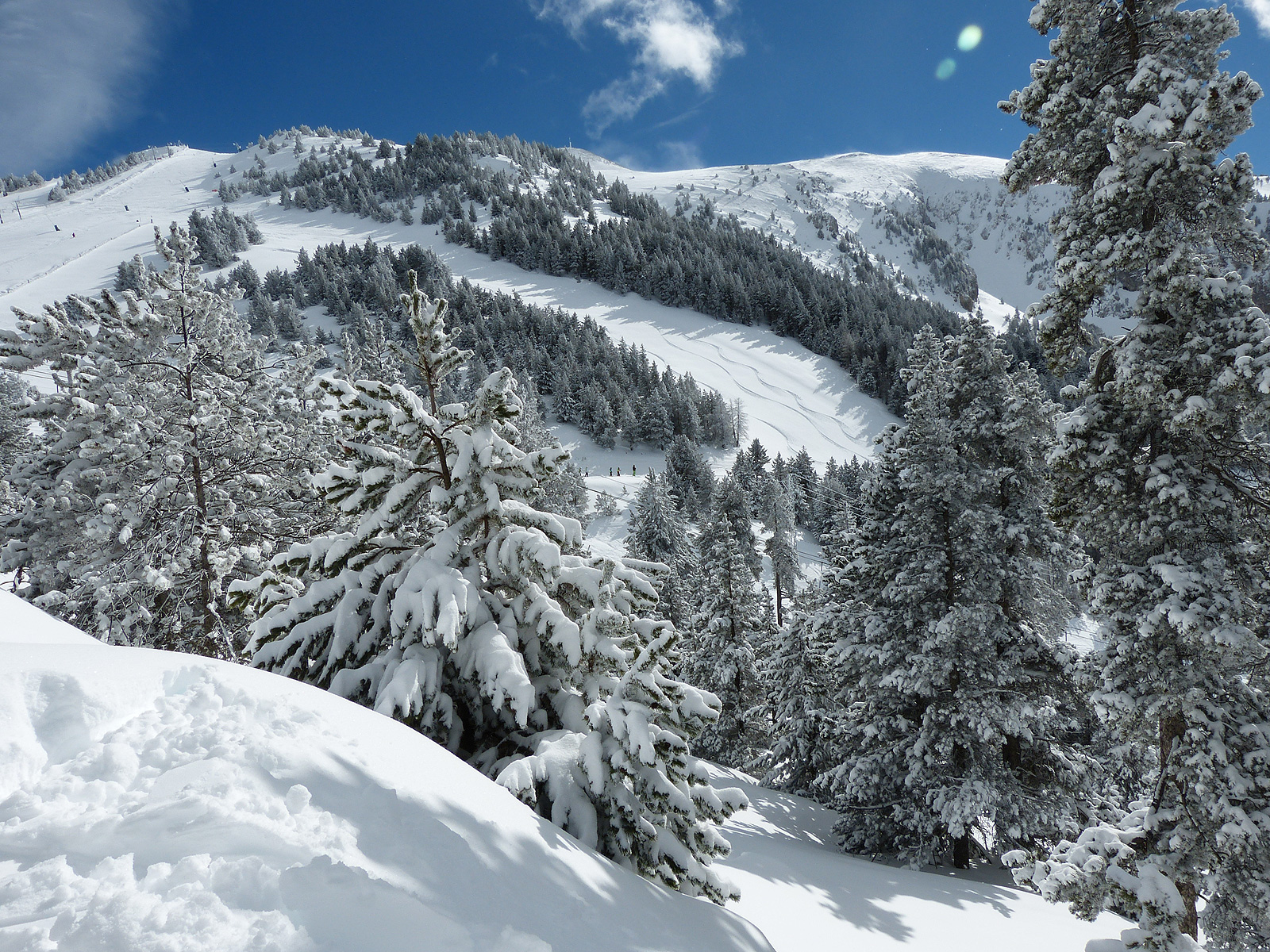
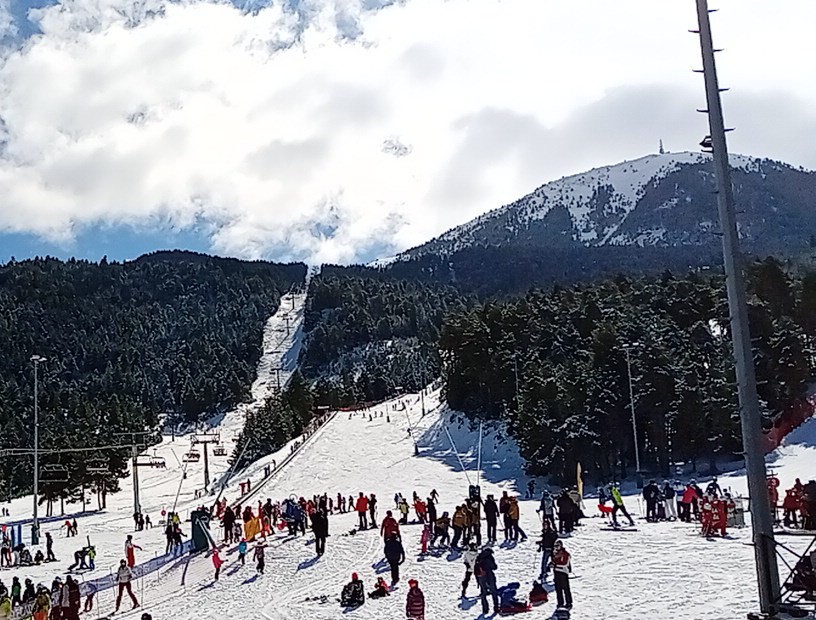
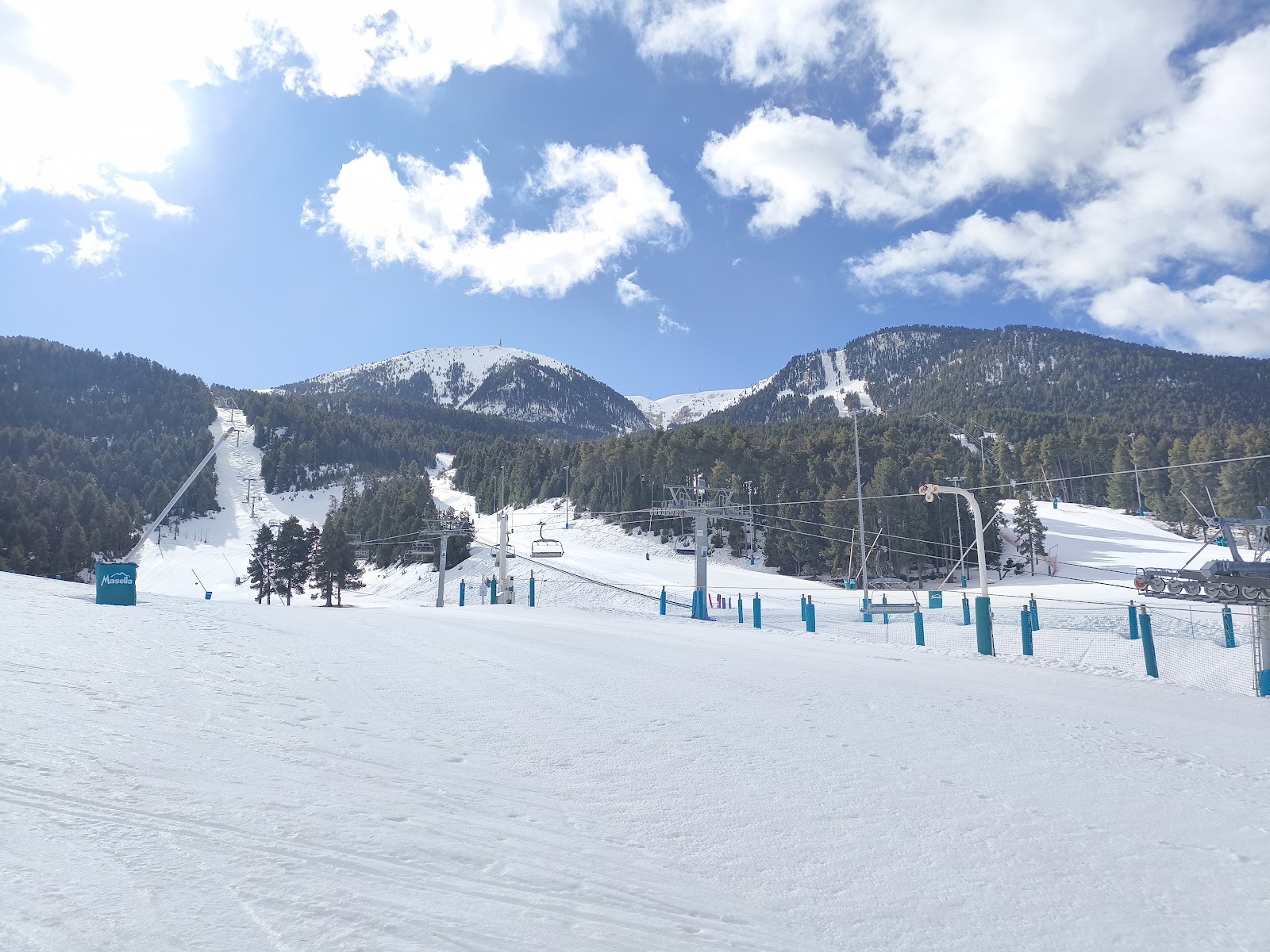
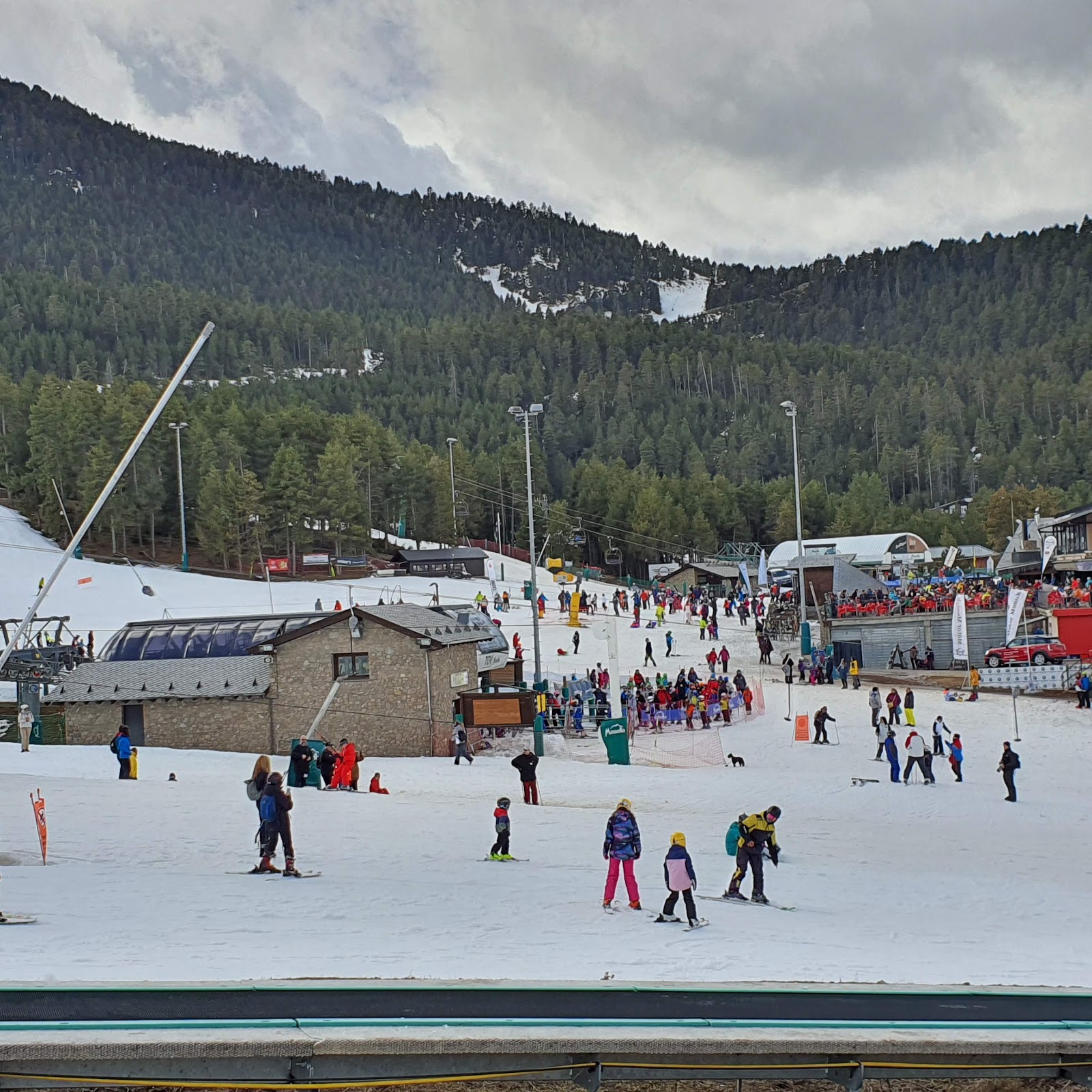
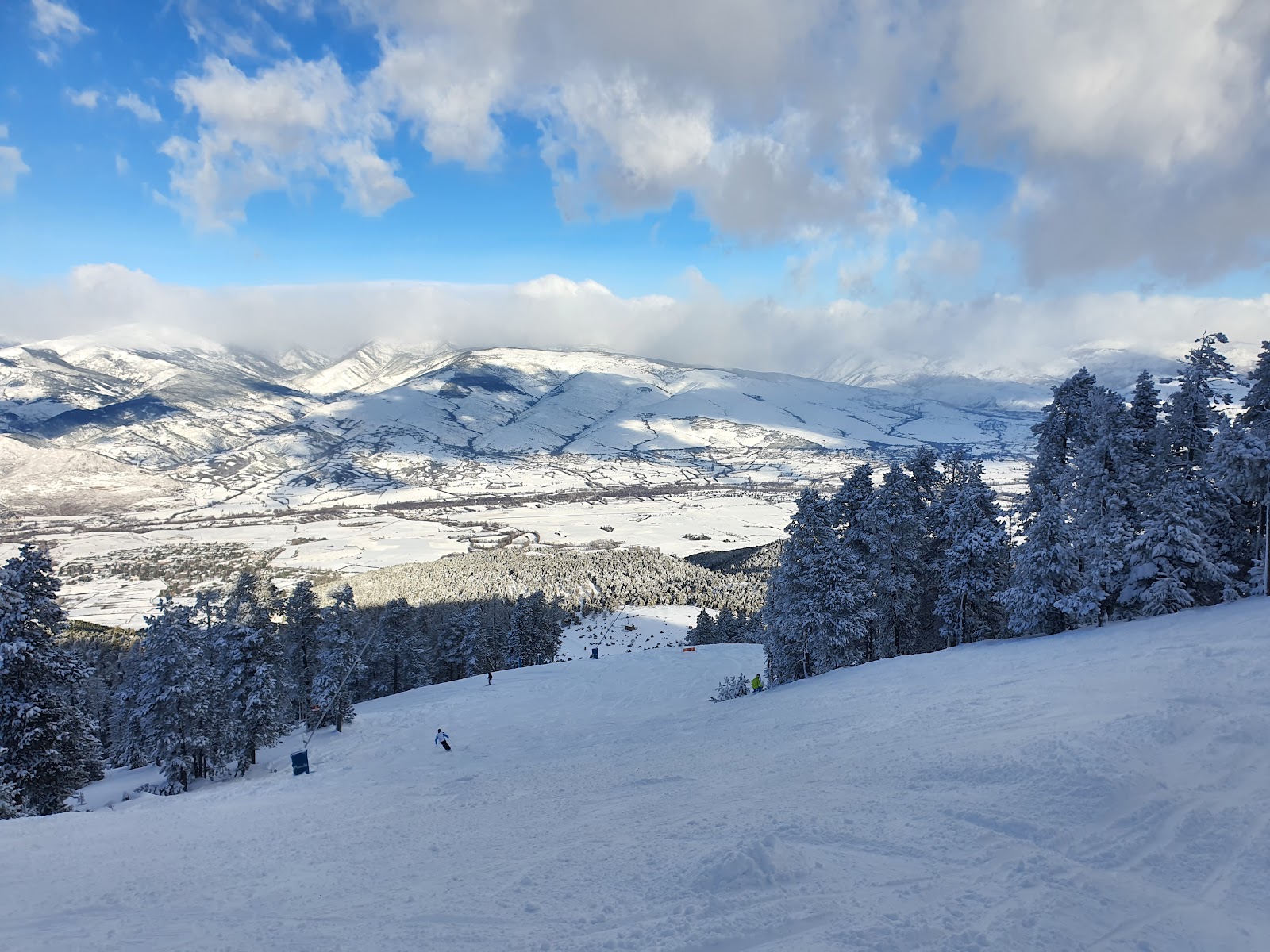
Photos via Google. Contributed by Albert L., Guillem Fajula.
Who it suits
La Molina suits families and improving skiers who want sunshine, easy access and a warm, unpretentious mood over alpine grandeur. As the oldest ski resort in Spain it has had a century to perfect the friendly basics, with broad nursery slopes, gentle cruising and a confidence building network that, linked to Masella, gives intermediates real room to roam across the Alp 2500 area. For a city break on snow from Barcelona, it is close to ideal.
It is not the resort for everyone. Experts will find the genuine steeps thin on the ground, and anyone chasing high altitude reliability should know that the Catalan Pyrenees sit lower than the Alps and lean on snowmaking through warm spells. And if your heart is set on a chocolate box mountain village, La Molina's functional base will feel plain. Come for the snow and the sun, not the storybook.
The skiing
The skiing is sunny, broad and confidence building, with the Alp 2500 link the thing that lifts La Molina above a mere local hill. On its own the resort offers around 70 km of mostly green, blue and red piste spread over wooded and open slopes up to Tosa d'Alp, and a single ticket connects you over the ridge to Masella for a combined area of around 140 km, the largest in the eastern Pyrenees.
The terrain favors intermediates and families above all. There is enough red mileage to keep a competent cruiser happy for several days, particularly once you factor in the Masella side, and the grooming is dependable. Experts, though, will tick off the limited blacks quickly, and the off piste is modest by alpine standards, so this is a place to enjoy the sun and the volume of easy skiing rather than to chase adrenaline.
Be realistic about snow. At a base around 1,700 m this is not a high resort, and while the upper slopes hold well in cold spells, warm Atlantic and Mediterranean weather can soften the lower runs, which is why La Molina invests heavily in snowmaking. In a good cold winter it skis beautifully, in a mild one you lean on the cannons and the higher pistes, so check conditions before you commit a long stay.
The village
La Molina is honest about what it is, which is a practical mountain base rather than a romantic village. The accommodation gathers around the train station and the slopes in a scatter of hotels, apartments and the historic Pla de Barres area, comfortable and convenient but architecturally plain, built for skiing rather than for strolling. The prettier living is down the valley in old Cerdanya towns like Alp and Puigcerda, full of stone houses, squares and good restaurants.
What the base lacks in charm it makes up in ease and warmth. This is Catalan skiing, so the rhythm is relaxed and social, long lunches in the sun, families everywhere, and a generous, good humored crowd up from Barcelona for the weekend. It is a place that feels lived in and friendly rather than curated, and for many that is exactly the appeal.
Apres and evenings
Let me be candid about the apres, because it is my subject and La Molina plays by Spanish rules rather than alpine ones. There is no thumping slopeside bar scene the moment the lifts stop, no Austrian style umbrella party. What there is instead is something gentler and, if you lean into it, genuinely lovely, a long, sunny, food first afternoon that drifts rather than peaks.
The real pleasure is the table. Catalans take lunch seriously, so the mountain restaurants and base bars fill in the early afternoon with families and friends over grilled meats, calcots in season, local cheeses and a glass of Penedes wine or a cold beer, and that easy midday feast is the true social center of the day. Come evening the action moves down to Alp, Puigcerda and the Cerdanya towns, where tapas bars and restaurants stay lively late in the Spanish manner, dinner rarely starting before nine.
So the verdict on the apres is that it exists, but it is Spanish in shape, sociable, food driven and late rather than boozy and immediate. If you want a raucous ski in ski out bar at four o'clock you will not find it here. If you want sunshine, good Catalan cooking, a relaxed glass of wine and a buzzing town dinner, La Molina delivers a warmer, more civilized version of the ski evening than most.
Where to stay
Stay at La Molina itself for ski in ski out convenience and the easiest mornings, choosing one of the hotels or apartment blocks near the lifts and the station. For more character and better dining in the evening, base in the Cerdanya towns of Alp or Puigcerda a short drive down the valley, trading slopeside ease for stone streets, restaurants and a real sense of place, then drive or take the train up to ski.
Lodging here is good value by ski resort standards, more practical hotel than grand chalet, and a flexible base that lets you ski both La Molina and Masella is the smart play. If you would like a La Molina and Catalan Pyrenees trip priced around your dates and group, use the form below and we will route your brief to operators who know Spain. Our guide to booking a catered chalet covers the options for larger groups.
Lift pass prices and how to save
A La Molina day pass runs around $50, and the combined Alp 2500 ticket covering Masella costs only a little more for roughly double the terrain, which makes it the obvious buy for any intermediate planning to roam. Multi day passes and family deals bring the daily cost down further, and midweek skiing is both cheaper and far quieter than the busy Barcelona weekends, so a Monday to Friday trip is the value sweet spot.
Compare current prices and arrange passes through our lift pass partner.
Lessons and ski hire
La Molina is one of the best places in Spain to learn, with a long teaching tradition, wide gentle nursery slopes and well run ski schools used to families and first timers, including instruction in English alongside Spanish and Catalan. Rental shops at the base are plentiful and reasonably priced, so beginners and visiting families can kit out easily on arrival and keep their luggage light.
Arrange lessons through our lessons partner and rental gear through our ski hire partner.
Getting there
La Molina is one of the most accessible ski resorts in Europe from a major city. Barcelona airport sits around two hours away by road, and uniquely, a direct train runs from Barcelona right to La Molina station at the foot of the slopes, making a car optional and a car free trip genuinely easy. Drivers gain flexibility to reach the Cerdanya towns and Masella, but the rail link is a rare and welcome luxury.
Book a transfer or car through our transfer partner, and sort cover through our travel insurance partner before you travel.
When to go
January and February are the most reliable months, the coldest part of the season with the best natural snow and the firmest base on the upper slopes. December can be good in a cold year but leans on snowmaking early, and March brings warm, sunny spring skiing that is glorious up high but soft and slushy down low by afternoon. For the best snow aim for deep winter, for sunshine and value aim for March, and choose midweek to dodge the Barcelona crowds whenever you can.
The honest bottom line
La Molina is the oldest and friendliest ski resort in Spain, a sunny, accessible family mountain in the Catalan Pyrenees that links with Masella into the largest area in the eastern range. You trade alpine altitude, serious steeps and village charm for easy snow, train access from Barcelona and a warm, food first Spanish mood. For families, beginners and cruising intermediates it is a delight, while experts and snow sureness seekers should look higher and to the Alps.
If you want this trip priced by specialists, tell us your dates and budget below and we will route your brief to operators who know La Molina and the Catalan Pyrenees.
Nearby alternatives
Masella: La Molina's quieter, more wooded twin over the ridge, sharing the Alp 2500 pass and famous for its long, tree lined runs and excellent night skiing. Baqueira Beret: Spain's grandest and snowiest resort in the high Val d'Aran, with far more terrain, better snow and a smarter scene, the step up when you have outgrown La Molina. Formigal: A big, sprawling Aragon Pyrenees area with extensive intermediate mileage and a livelier base, a good alternative further west.
Common questions
Is La Molina good for beginners and families?
Yes, it is one of the best learner and family resorts in Spain. As the country's oldest ski resort it has broad, gentle nursery slopes, a long teaching tradition and easy access, and the linked Masella terrain gives improving skiers plenty of room to progress. It is a relaxed, sunny family mountain.
What is Alp 2500?
Alp 2500 is the combined ski area formed by linking La Molina and neighboring Masella over a shared ridge, giving around 140 km of piste on a single ticket. It is the largest ski area in the eastern Pyrenees and the reason intermediates get real mileage here.
Can you reach La Molina by train from Barcelona?
Yes, and it is a rare convenience. A direct train runs from Barcelona to La Molina station at the foot of the slopes in roughly two to three hours, making a car free ski trip genuinely easy. Barcelona airport is around two hours away by road.
Does La Molina have reliable snow?
Reasonably, but with caveats. At a base around 1,700 m it is lower than the Alps, so the upper slopes hold snow well in cold spells while the lower runs can soften in mild weather, which is why the resort relies heavily on snowmaking. January and February are the most dependable months.
Is La Molina suitable for expert skiers?
Less so. La Molina is a cruising and family resort with only limited black runs and modest off piste, so experts will exhaust the genuine challenge quickly. Strong skiers wanting more should head to Baqueira Beret or to the higher Alps.
What is the apres ski like at La Molina?
It is Spanish in style, food first and late rather than a boozy slopeside party. The social heart is a long, sunny mountain lunch, while the livelier evenings happen down in the Cerdanya towns of Alp and Puigcerda, where tapas bars and restaurants run late in the Spanish manner.
Plan your La Molina trip with specialists
Send one brief and vetted operators return tailored proposals covering lodging, transfers, passes and lessons. No fee to you, ever.