Val Thorens Village Guide 2026
Val Thorens is the highest ski resort in Europe, a purpose built village at around 2,300 m sitting at the top of the Trois Vallees, the largest linked ski area in the world. It suits families and keen skiers who want guaranteed snow, true ski in ski out convenience and a huge amount of terrain on one pass, all in a compact, largely car free village. Skip it if you want old world Savoyard charm or low altitude tree skiing, because this is a modern, high and lively station, not a historic market town.
By the Ski Resorts for Kings editorial team · Last reviewed May 2026
Val Thorens at a glance
| Village altitude | around 2,300 m, roughly 7,550 feet, the highest resort in Europe |
|---|---|
| Ski area | Trois Vallees, around 600 km of linked pistes, the largest linked area in the world |
| Top lift | around 3,200 m at the Cime Caron |
| Lifts in the area | roughly 160 across the linked domain |
| Village type | purpose built, compact and largely car free, most lodging ski in ski out |
| Best for | families, intermediates, keen skiers, snow sure trips and apres |
| Nearest airports | Geneva or Lyon, around 2h 30m to 3h by road; Chambery closer |
| Area day pass | around $75 for the full Trois Vallees |
| Season | late November to early May, among the longest and most reliable in the Alps |
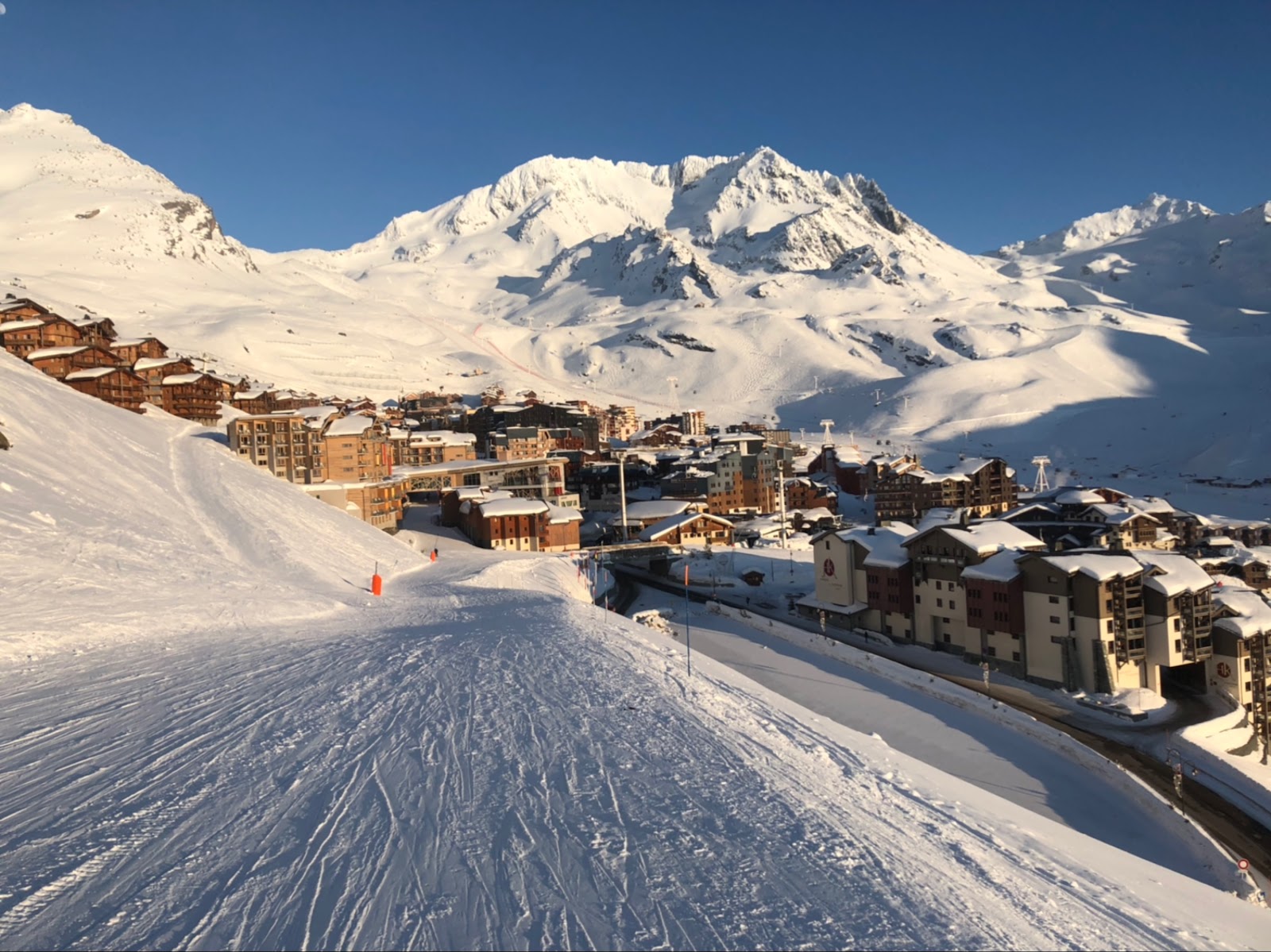
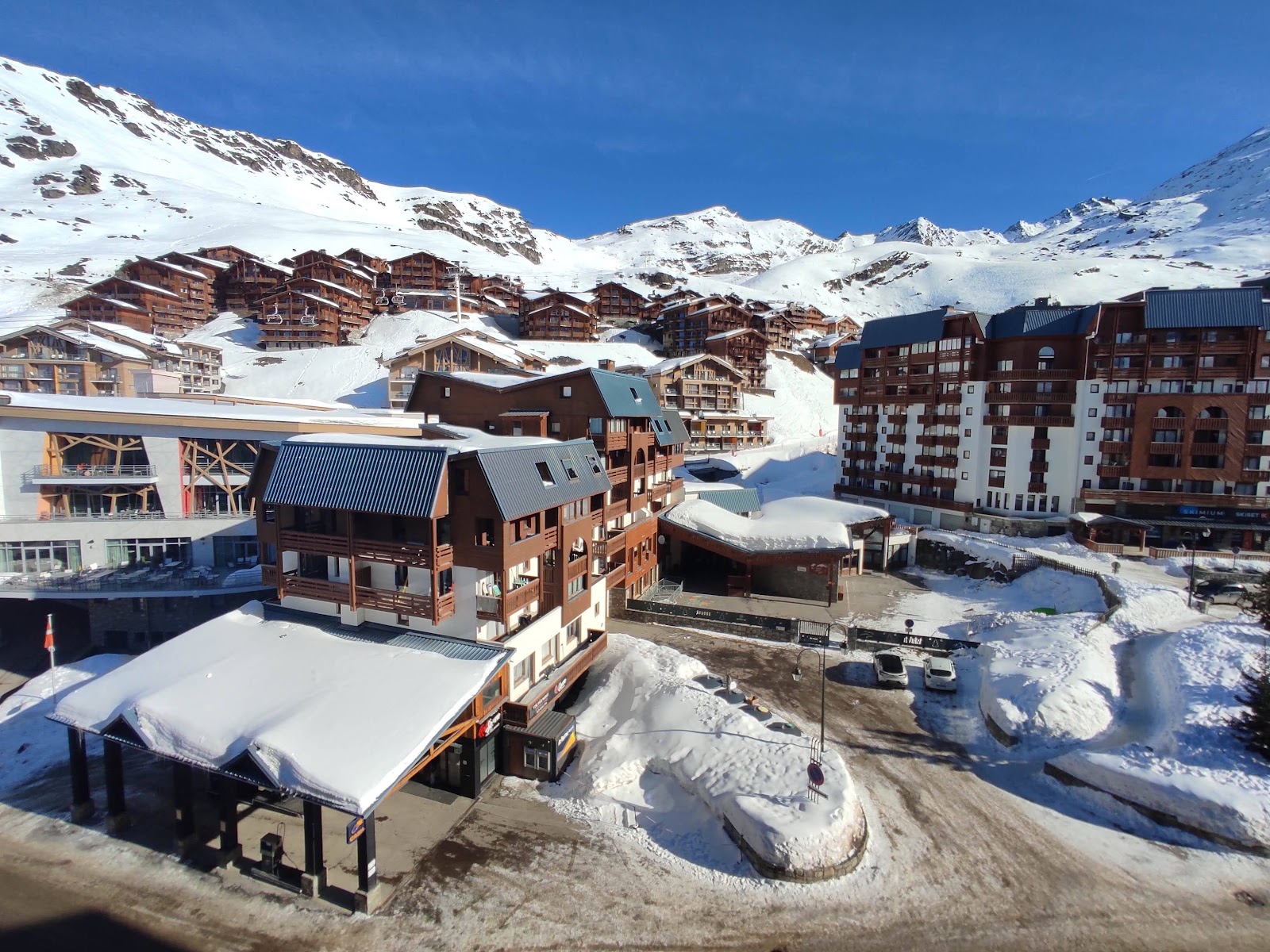
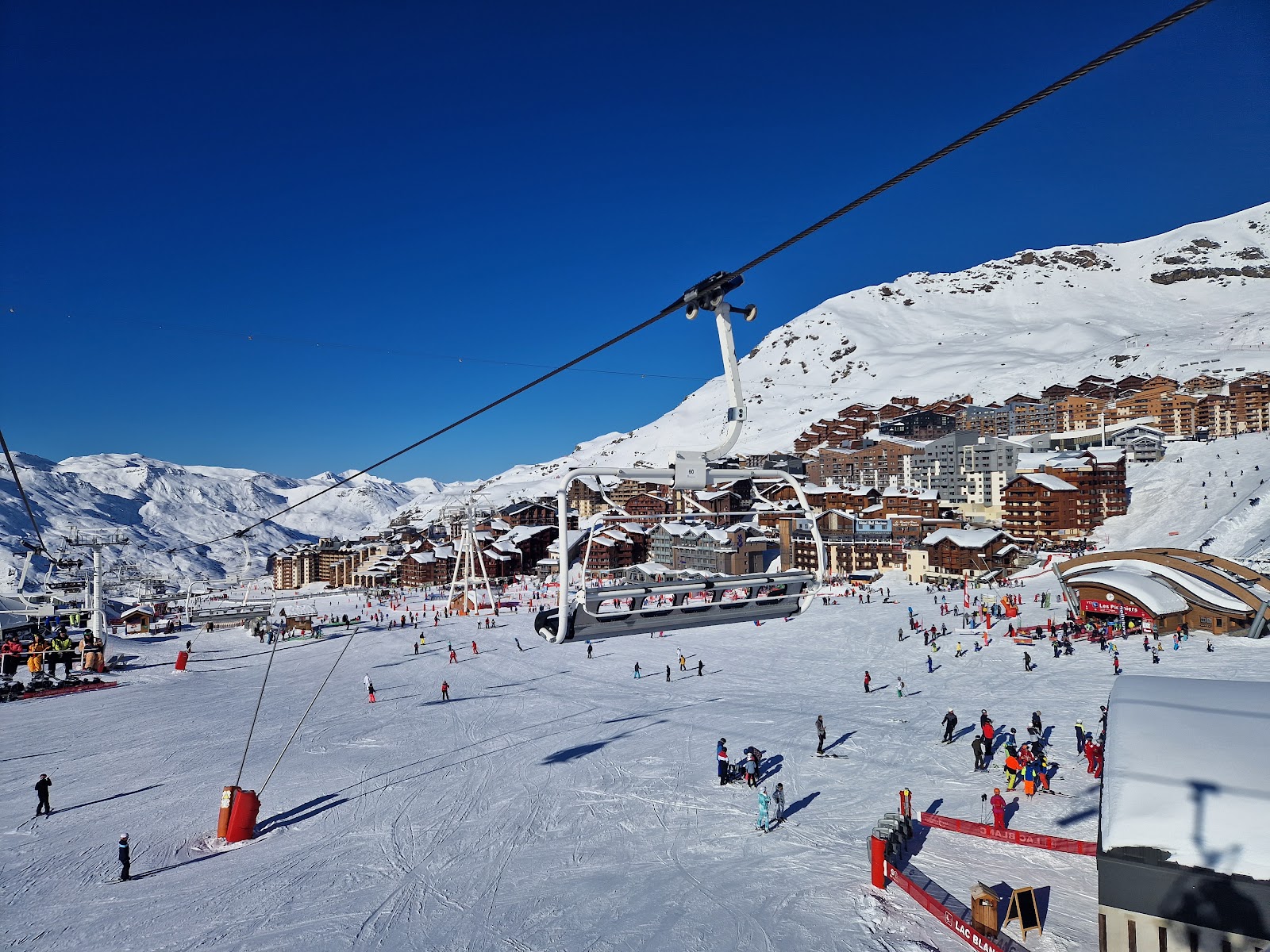
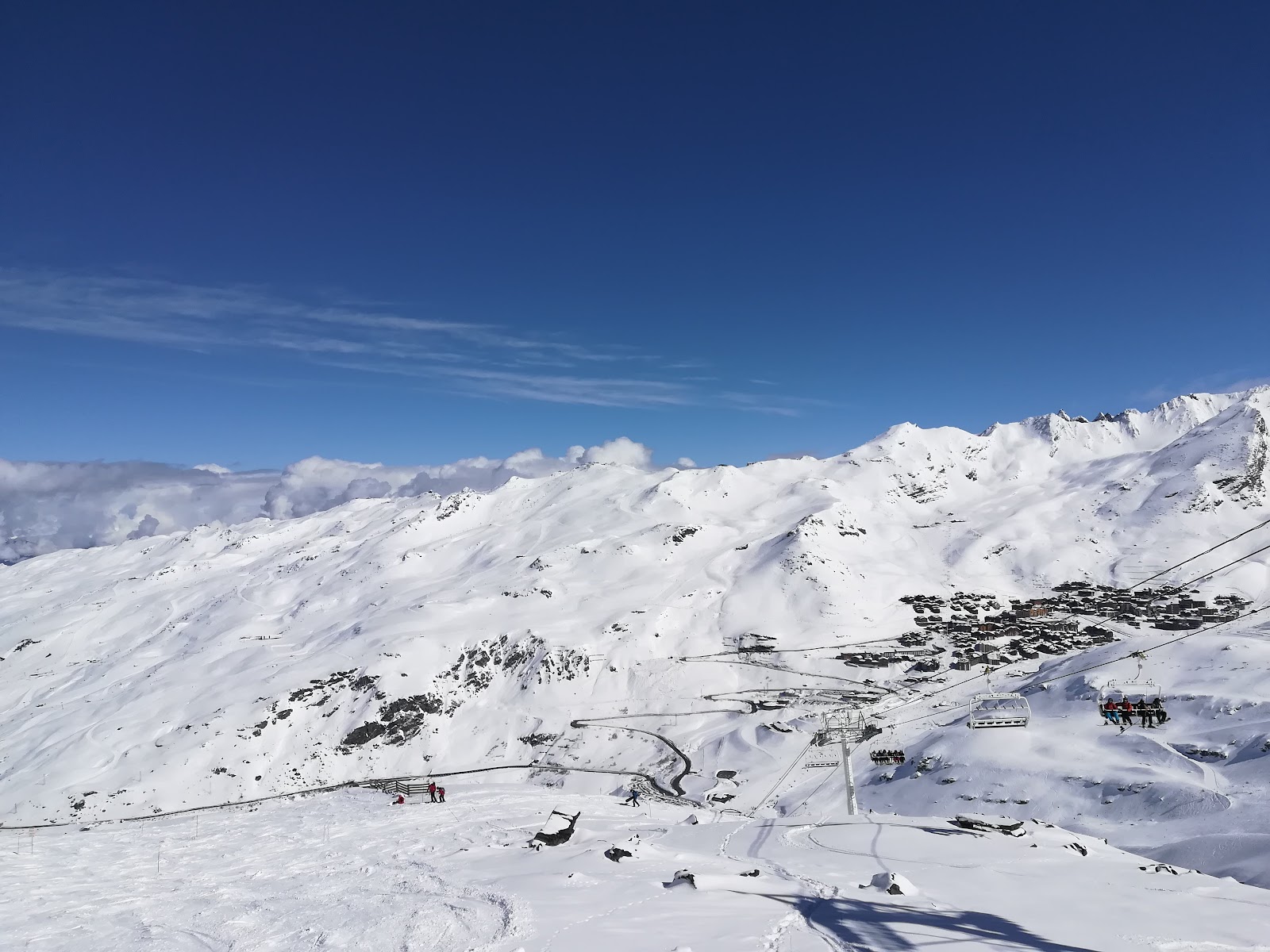
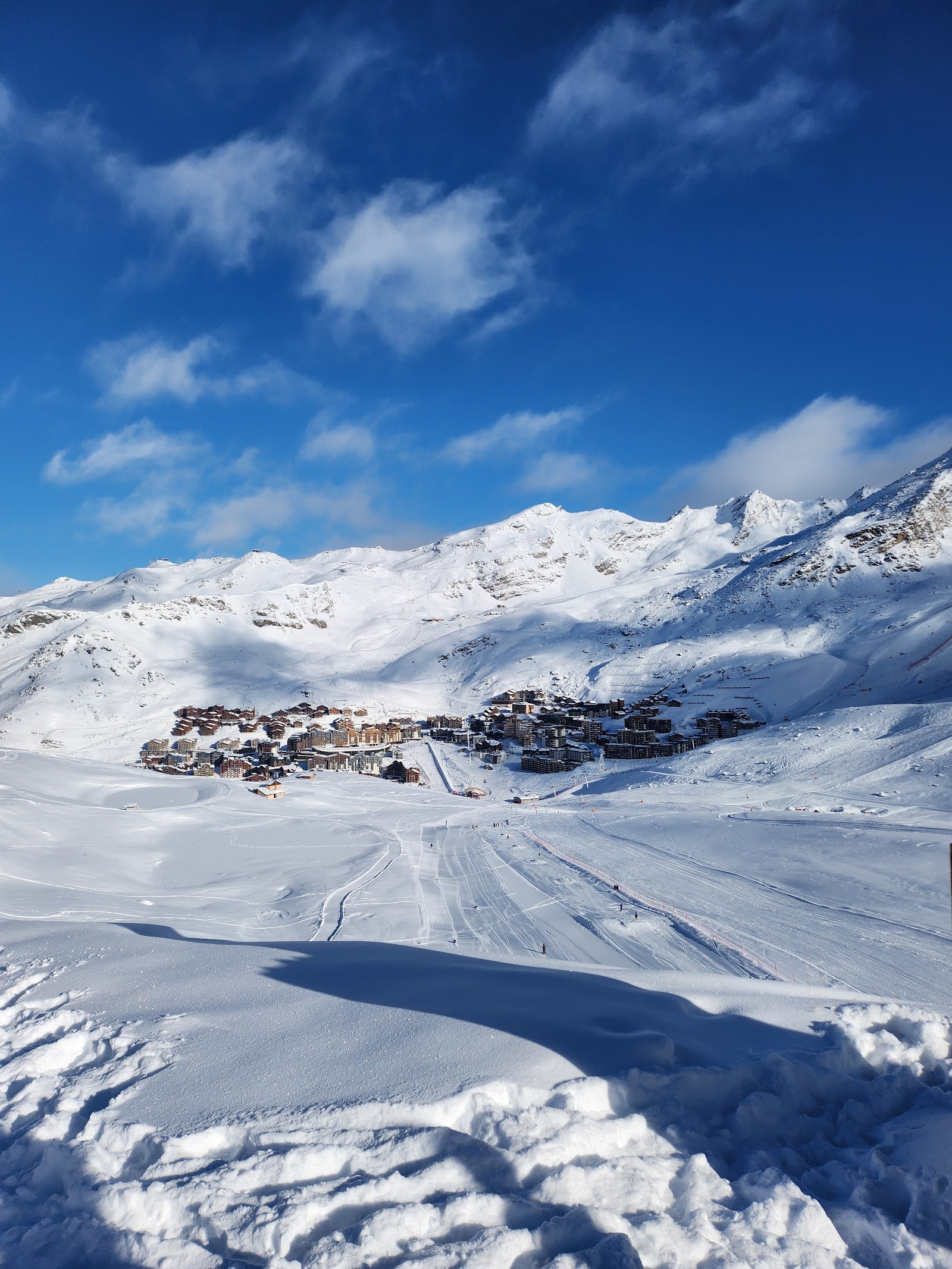
Photos via Google. Contributed by Arnaud Gantzer, Joanna Ratkiewicz, Paul Zuiderduin and Mariia Rybak.
What Val Thorens is really like
Val Thorens is the resort you choose when snow and skiing come first. At around 2,300 m it is the highest ski village in Europe, which means the season is long and the cover is reliable from late November into May when lower resorts are scraping by. For a family booking a winter holiday months ahead, that reliability is worth a great deal, because it removes the single biggest risk of a ski trip.
It is honest to say up front that this is a modern, purpose built station rather than a pretty old village. The architecture is functional, the setting is high and treeless, and the appeal is convenience rather than character. What you get in return is rare: most accommodation is genuinely ski in ski out, the village is compact and largely car free so children can move around safely, and an enormous ski area starts at your door. For the full mountain breakdown see our Val Thorens ski resort review.
Where to stay in Val Thorens
The first decision is how close to the main lifts and the central Place de Caron you want to be. The heart of the village puts restaurants, the sports centre and the principal lifts within an easy walk, which is ideal for families who want to drop tired children back at the apartment at lunch. The upper and outer neighbourhoods are quieter and often newer, with some of the best ski in ski out apartments and chalets, though they sit a short walk or free shuttle from the centre.
Because the village is compact and built for skiing, the proportion of true ski in ski out lodging here is among the highest in the Alps, which is the main reason families pick it. Catered chalets, large modern apartment residences and a growing number of upscale hotels with spas make up the choice. A comfortable catered chalet or premium apartment week typically lands in the $4,000 to $8,000 band per person, with the smartest hotels and private chalets running into the $8,000 plus band. To have your dates and group priced quickly, use the short form below.
Get chalet and lodging quotes
For a faster quote on where to stay in Val Thorens, send the short form below and operators who know the village and the Trois Vallees will price your dates and group, including how close each property really is to the lifts.
Skiing from the village
Lifts rise directly from the village in several directions, so most mornings begin by clicking in within a few steps of your door. The home slopes above Val Thorens are wide, high and mostly blue and red, which makes them superb cruising terrain for improving intermediates and confident families, and the altitude keeps them in good condition all season.
The wider prize is the Trois Vallees, around 600 km of linked pistes across Val Thorens, Les Menuires, Meribel and Courchevel, the largest connected ski area on earth. A strong intermediate can ski over to Meribel or Courchevel for lunch and home again on a single pass, while the Cime Caron lift at around 3,200 m and the steeper faces around the resort give experts plenty to chew on. Quieter Les Menuires and traditional Saint Martin de Belleville sit just down the valley on the same pass.
Apres ski and evenings
Val Thorens has one of the biggest apres ski reputations in the Alps, anchored by a famous slopeside bar that draws a lively afternoon crowd, plus a broad mix of restaurants, a few late night venues and an excellent sports and leisure centre with a pool. The energy is sociable and the village stays busy, which families and couples can enjoy without being swept into it, because the bigger party scenes are easy to step around.
For a luxury family week the range works well: a private chef most nights, one or two memorable mountain restaurants by day, and enough on the doorstep that teenagers and grandparents are both occupied. It is a resort with a pulse rather than a sleepy retreat, and that suits a mixed group.
For families and non skiers
Val Thorens is a genuinely strong family base. The ski in ski out layout means short, safe journeys between the apartment, the ski school meeting points and the lifts, the home runs are gentle and snow sure for learners, and the ski schools are large and used to English speaking children. Off the snow there is a big leisure centre with a pool, a toboggan run, an ice driving circuit nearby and a zip line, so non skiers and rest days are well covered. One honest note for families with very young children or anyone sensitive to altitude: at around 2,300 m the village is high, so take the first day gently and keep everyone hydrated. For the wider regional picture see our guide to the best Trois Vallees resorts.
Getting around
Val Thorens is compact and largely car free, with free shuttle buses linking the village ends and the main lift stations, so once you arrive a car is not needed and is often best left in the covered parking at the village entrance. Because most lodging is ski in ski out, daily logistics with children are about as easy as Alpine skiing gets, which is the whole point of choosing a high purpose built station over a lower traditional one.
Getting there
The trade off for the altitude is a longer transfer. Geneva and Lyon airports are both around 2 hours 30 minutes to 3 hours by road, with Chambery a little closer and Grenoble also an option, and the final climb up the valley is a scenic mountain road best done in daylight. Private transfers and shared shuttles run all season, and the rail station at Moutiers down the valley offers a train and transfer combination. Arrange a transfer through our transfer partner, and put cover in place through our travel insurance partner before you travel. For a wider view of the options see our guides to ski resorts near Geneva and ski resorts near Lyon.
Lift passes, lessons and ski hire
Most visitors buy the full Trois Vallees pass at around $75 a day, which unlocks the entire linked domain and is the right choice for anyone who wants to explore across the valleys. A cheaper Val Thorens and Orelle area pass exists for those happy to stay on the home sector, which is plenty for a family of mixed abilities. Compare current pass options through our lift pass partner, book lessons through our lessons partner, and sort skis or a board through our ski hire partner.
When to go
Val Thorens opens early, often by late November, and stays good into late April or May, which gives it one of the longest dependable seasons in the Alps. January gives the coldest, quietest snow outside the school holidays, February half term is the busiest and priciest stretch, and March and April bring long, bright days with the high altitude protecting the snow when lower resorts soften. For a family balancing snow certainty with value, the weeks either side of the February peak are the sweet spot.
The honest bottom line
Val Thorens is the most snow sure, most convenient big resort in France, a high, compact, largely car free village where most lodging is ski in ski out and the largest linked ski area in the world starts at your door. You trade traditional charm and tree level scenery for guaranteed snow, a long season, easy daily logistics and a lively but manageable village, which is exactly the trade many families and keen skiers want to make.
For families who value convenience and snow certainty, and for intermediates and experts who want endless terrain on one pass, it is one of the first names we recommend in France. Travellers chasing old world village character should look instead to a traditional Savoyard town lower down the valley. If you want this trip priced by specialists, tell us your dates and budget below and we will route your brief to operators who know Val Thorens well.
Common questions
Why is Val Thorens so popular for families?
Val Thorens combines snow sure skiing with true ski in ski out convenience in a compact, largely car free village, so daily logistics with children are unusually easy. The home runs are gentle and reliable for learners, the ski schools are large and English friendly, and a big leisure centre keeps non skiers and rest days covered. The main caveat is the altitude, so take the first day gently.
Is Val Thorens ski in ski out?
Mostly yes. Because the village is purpose built for skiing, the proportion of genuine ski in ski out apartments and chalets is among the highest in the Alps, with lifts rising directly from the village. A few outer properties sit a short walk or free shuttle from the nearest lift, so confirm the exact distance when you book.
How high is Val Thorens and does that matter?
The village sits at around 2,300 m, the highest in Europe, which is why the snow is so reliable and the season so long. The main practical effect is that the air is thin, so families with very young children or anyone sensitive to altitude should take the first day easy and stay hydrated, after which most people feel fine.
How far is Val Thorens from the airport?
Geneva and Lyon are both around 2 hours 30 minutes to 3 hours by road, with Chambery a little closer and Grenoble also usable. The final climb up the valley is a mountain road best driven in daylight, and a train to Moutiers followed by a short transfer is a comfortable alternative.
Is Val Thorens good for non skiers?
Yes, better than most high resorts. There is a large sports and leisure centre with a pool, a toboggan run, a zip line and an ice driving circuit nearby, plus plenty of restaurants and a lively village to enjoy. It is not a quiet spa retreat, but a non skier will find enough to fill a week.
How much does a week in Val Thorens cost?
A comfortable catered chalet or premium apartment week typically lands in the $4,000 to $8,000 band per person, with the smartest hotels and private chalets running into the $8,000 plus band. The final figure depends on the standard of lodging, the dates and whether a chef and extras are included, all of which we can price for your group.
Plan your Val Thorens trip with specialists
Send one brief and vetted operators return tailored proposals covering the right ski in ski out chalet, transfers, passes and lessons. No fee to you, ever.