Skiing in November in New Zealand
November is effectively the end of the New Zealand ski season, with the Queenstown, Wanaka and Canterbury fields almost all closed by mid to late October, so realistic November snow exists only on the high volcanic slopes of Mt Ruapehu in a strong year, and even that is no longer dependable.
Reviewed for the 2026 season by the Ski Resorts for Kings editorial team
Can you ski in New Zealand in November?
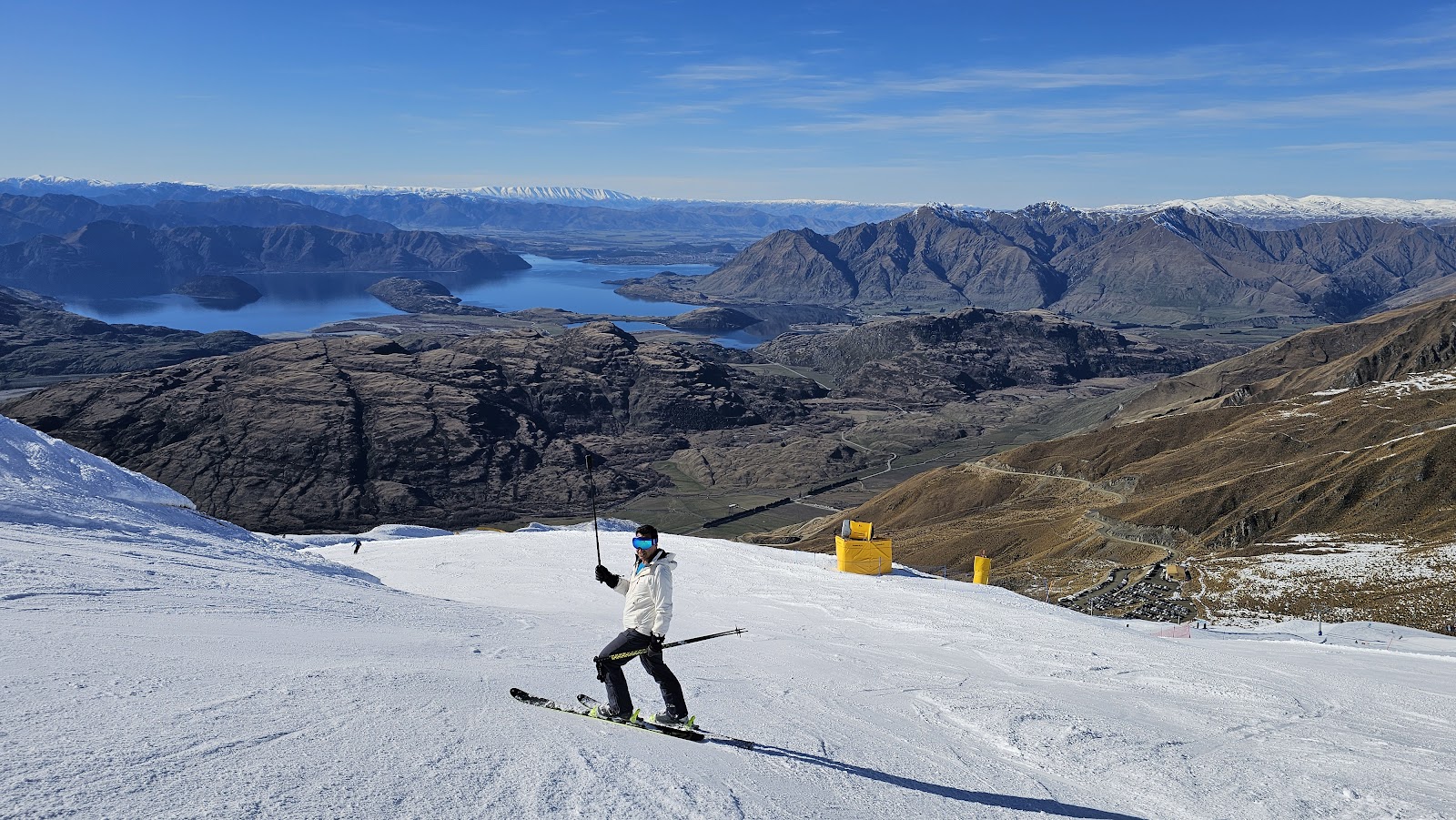
For most of the country, no. The headline New Zealand resorts, Coronet Peak, The Remarkables, Cardrona, Treble Cone and Mt Hutt, all close their lifts in October, most by the middle of the month and the latest, Cardrona, usually by around the second week. By November they have moved into their green season, the snow has receded from the runs and the lifts that turn are for sightseeing and summer activity rather than skiing. The main South Island ski experience is over for the year.
The one historic exception is Mt Ruapehu in the central North Island, whose two high volcanic fields, Whakapapa and Turoa, sit at altitude and in big snow years used to run into November on lingering spring snow. That late season tail is the only realistic place to click into skis in New Zealand this month, but it comes with a heavy honesty caveat: the Mt Ruapehu operation has faced serious financial and operational uncertainty in recent seasons, closing dates have moved and a long November tail can no longer be assumed. If you are pinning a trip on it, you must confirm directly that the field is open and skiing before you travel.
If your goal is reliable November skiing rather than a chance at lingering spring snow on a single mountain, the honest answer is to look elsewhere.
Why is New Zealand's ski season over by November?
The calendar is the simple reason. New Zealand's ski season runs roughly from June to October, peaking in July and August, and by November the southern spring is well advanced. Lengthening days and rising temperatures melt the snow off the runs, and the daily freeze and thaw that defines late season skiing gives way to steady warming that the snowpack cannot survive at most resort elevations. The lower and sunnier fields lose their cover first, which is why the season unwinds through October.
Altitude buys a little extra time, which is why the high Mt Ruapehu fields historically lasted longest, but even there the trend by November is melt rather than skiing. Unlike the uncertain edges of an early season opening, the close of the New Zealand season is a predictable seasonal fact: the resorts plan to wind down in October and pivot to summer, not to ski into November.
So the New Zealand winter is a June to October affair, and November sits firmly in the closing, melting half of the year, with only the highest snow holding on at all.
Where can you ski instead in November?
November is early season in the Northern Hemisphere, which is where the momentum in world skiing shifts this month. The high glacier resorts of the Alps begin or continue their snow sure early season, and the first proper storms start opening North American resorts for their winter. For a reliable November snow fix, the Northern Hemisphere is the better bet than chasing the last of the southern spring. Within New Zealand, the only candidates are the high Mt Ruapehu fields, Whakapapa and Turoa, and only if you confirm they are open.
If you specifically want a New Zealand ski trip, the practical move in November is to plan and book for the coming southern winter rather than travel now. The best weeks of July and August fill up, and using November to secure lodging in Queenstown or Wanaka and lock in your dates puts you ahead of the rush. Our guide to skiing in New Zealand sets out the resorts and the season so you can plan the trip properly.
Either way, a November ski holiday means looking north for snow now, or south for snow next winter, rather than expecting a full New Zealand season this month.
What should you do in New Zealand in November if not skiing?
November is a beautiful time to be in New Zealand's mountains, just not for skiing. Late spring brings warming days, the resort towns of Queenstown and Wanaka shift into their excellent summer mode, and the same alpine landscapes that frame a ski trip are perfect for hiking, biking, lake activities and wine country touring. It is quieter and often cheaper than the ski season peak, and the long daylight makes for big days outdoors.
It is also a smart time to plan the winter trip. New Zealand's best ski weeks, the July and August peak in particular, book up well in advance, so using November to secure lodging and confirm your dates gives you the best choice and the calmest planning. If you are considering a premium stay near Queenstown or Wanaka, this is a sensible window to start the enquiry while there is no time pressure.
So November in New Zealand is a clear no for a real ski holiday but a strong yes for late spring in the mountains, and an ideal moment to lock in the southern winter trip you actually want.
November in New Zealand: the case for and against
| Why November works | What to weigh |
|---|---|
|
|
Sources we checked
Common questions
Can you ski in New Zealand in November?
Almost never. The main resorts near Queenstown, Wanaka and in Canterbury all close in October, most by mid month. The only historic exception is the high Mt Ruapehu fields, Whakapapa and Turoa, which in strong years ran into November, but their late season operation is no longer dependable and must be confirmed directly before you travel.
Why is there no skiing in New Zealand in November?
Because November is late spring in the Southern Hemisphere. Lengthening days and rising temperatures melt the snow off the runs, and the season that peaks in July and August unwinds through October. The resorts plan to close in October and pivot to summer, so November sits in the melting, closed half of the year.
Where can you ski in November instead of New Zealand?
The Northern Hemisphere, which is opening for winter. The high glacier resorts of the Alps run snow sure early season skiing and the first storms start opening North American resorts. For reliable November snow this is a far better bet than chasing the last of the southern spring on a single uncertain New Zealand field.
When is the best time to ski in New Zealand?
The New Zealand season runs from June to October, with July and August the peak for the deepest, most reliable snow. If you want a proper New Zealand ski trip, plan for midwinter and book early, since the best weeks fill up well in advance. Use November to plan rather than to ski.
Book the extras and save
Lift passes, airport transfers and lessons are where a trip quietly leaks money. Booking ahead almost always beats the resort window price.
Compare lift passesBook a transferFind lessonsReserve ski hireTravel insuranceTell us the dates. We price the trip.
Send one brief and vetted chalet companies and tour operators return tailored proposals. Flights, transfers, lift passes and lessons priced for your group. No fee to you, ever.