Skiing in October in The Southern Hemisphere
October is the final stretch of the southern hemisphere season, when most fields have closed but a shortlist of high New Zealand and Andes resorts run spring skiing, trading deep snow for soft conditions, quiet slopes and low prices.
Reviewed for the 2026 season by the Ski Resorts for Kings editorial team
Can you still ski the southern hemisphere in October?
Yes, you can still ski the southern hemisphere in October, but the map shrinks to a high altitude shortlist. The bulk of the southern season ends in early to mid October, so by the back half of the month most fields in New Zealand, Australia and the Andes have closed. What remains open is the higher terrain with the deepest base: in New Zealand the high fields run into early and sometimes mid October, with the North Island Mt Ruapehu fields occasionally going latest of all into late October, while a few high Andes resorts in Chile and Argentina can hold on into early October.
So October is a real ski month in the south, just a late season one. You are skiing a settled spring base under a strengthening spring sun rather than chasing deep midwinter snow. For travelers who value soft forgiving conditions, quiet slopes and low prices over outright snow depth, that can be an appealing and affordable way to close out a southern winter, especially if paired with a wider New Zealand or South America trip as spring arrives.
The honest caveat is that closing dates move with the weather every year. A warm spell can shut a field early, while a cold snowy spring can extend it. Always check the individual field operating status before you fix your dates, because in October you are skiing on the margin of the season.
What is the snow like in the southern hemisphere in October?
October snow in the south is spring snow, and timing your day matters. The deep base that built through July and August does not vanish at once, so the high fields still carry cover, but the surface now freezes hard overnight and softens through the morning. The reward is smooth, forgiving corn snow by late morning on sunny days, easy and fun to carve, especially for intermediates. The cost is that afternoons turn heavy and slushy, and lower runs thin out as the month goes on.
Fresh snow still falls in October, particularly on the higher New Zealand fields and the high Andes, so a late cold front can briefly return a few centimeters of soft snow to the upper slopes, a welcome bonus rather than the rule. South facing and shaded slopes hold the best snow longest in the southern hemisphere, while sun exposed aspects soften first, so you can move around the mountain to chase the better surface as the day warms. Early starts pay off, and by late October the realistic plan is morning corn rather than all day skiing.
Conditions vary year to year and field to field more than at any other point in the season, because you are at the very tail of the winter. Treat October as a spring skiing bonus rather than a guaranteed full mountain, and lean toward the highest fields with the deepest base for the best odds.
How busy and how expensive is October skiing in the south?
October is one of the quietest and best value times to ski the southern hemisphere. The July and August crowds and the school holiday rush are long gone, the domestic season has wound down, and the high fields that stay open do so in front of near empty slopes. Lift lines are short to nonexistent, the access roads are quiet, and you can lap the open terrain in peace, a striking contrast to the midwinter crush at the marquee fields.
Prices follow the crowds down. Spring lift tickets are often discounted, lodging in the Queenstown and Wanaka area eases well below the midwinter peak, and a late season trip can come in noticeably cheaper than a July or August one. For an international visitor the long haul flight still dominates the budget, so a trip typically lands in the $4,000 to $8,000 per person band once flights are counted, but the on snow and lodging portion is at its cheapest of the season. A regionally based skier without that flight can ski an October spring weekend for well under $2,000 per person.
The trade off for those low prices and empty slopes is the snow risk: you are skiing a shrinking, softening mountain that could close early if spring arrives fast. That is the deal October offers, and for the right traveler it is a good one.
Who should ski the southern hemisphere in October, and who should wait?
October suits intermediates and families who enjoy soft, forgiving spring snow, sunshine and quiet slopes, and especially travelers who want to fold a few late season ski days into a wider New Zealand or South America trip as spring arrives. It rewards anyone who values empty pistes, low prices and a relaxed pace over deep snow, and anyone whose only window falls at the tail of the southern winter. As an affordable, low stress way to close out a season, October is hard to beat.
It is the wrong month for powder hunters and for anyone who needs a guaranteed full mountain. The deep reliable snow of the southern winter belongs to July and August, and skiers chasing that should come then and accept the crowds and higher prices. Advanced skiers wanting the full upper terrain and off piste will find the open footprint too limited by late October. And anyone unwilling to risk an early closure should either ski early in the month at the highest fields or move the trip back to the snow sure heart of the season. For a dependable southern winter, July and August remain the answer.
October in The Southern Hemisphere: the case for and against
| Why October works | What to weigh |
|---|---|
|
|
Where to ski in the Southern Hemisphere in October
For October we would point you first at these, each with our full review:
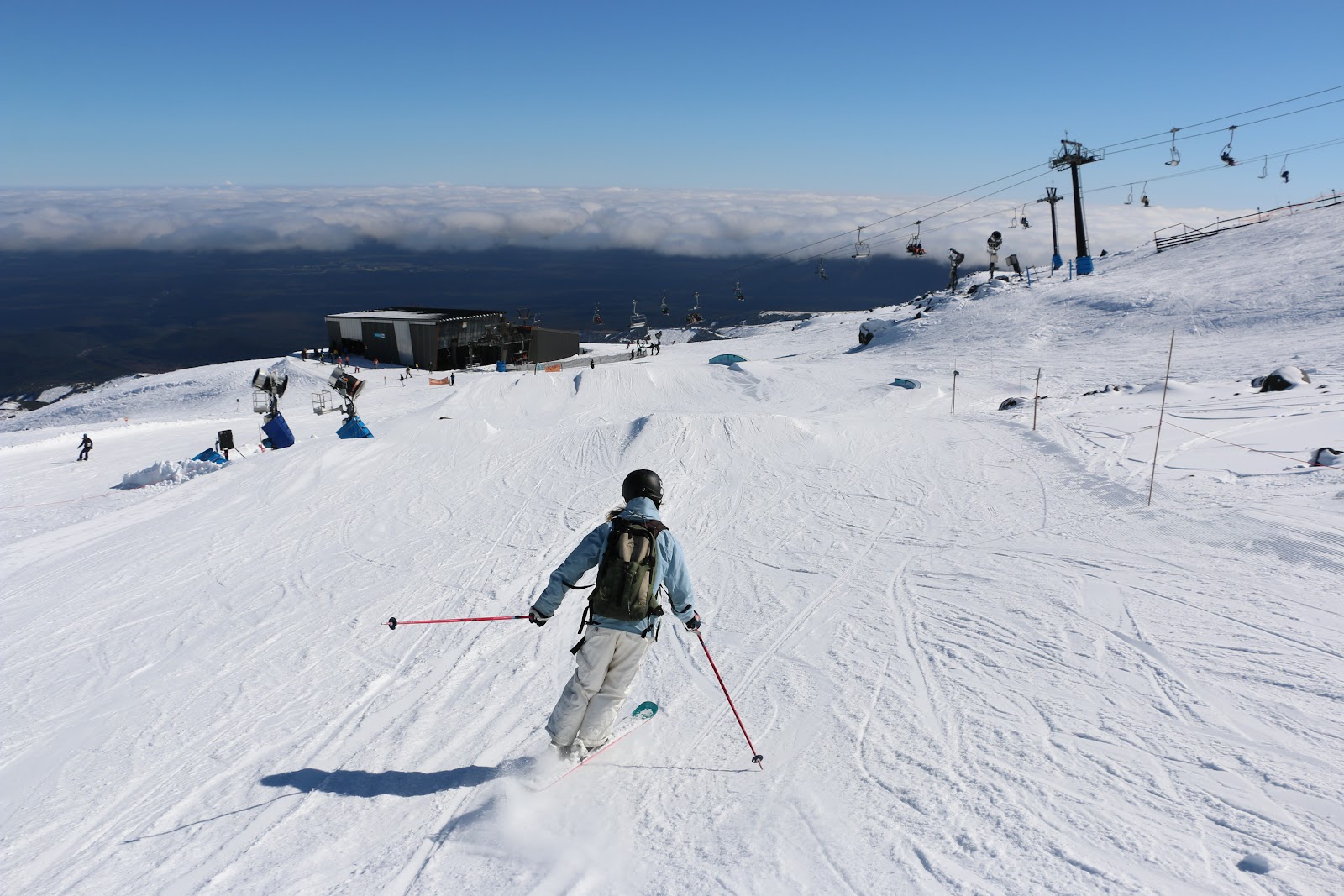
- Mt Ruapehu Whakapapa. The high North Island volcano field that often runs latest of all the New Zealand fields, sometimes into late October, the best bet for late spring turns.
- Turoa. The other Mt Ruapehu field, high and snow holding, frequently among the last in New Zealand to close for the season.
- Mt Hutt. A high exposed Canterbury field that holds a deep natural base well into October most years, a reliable early October choice.
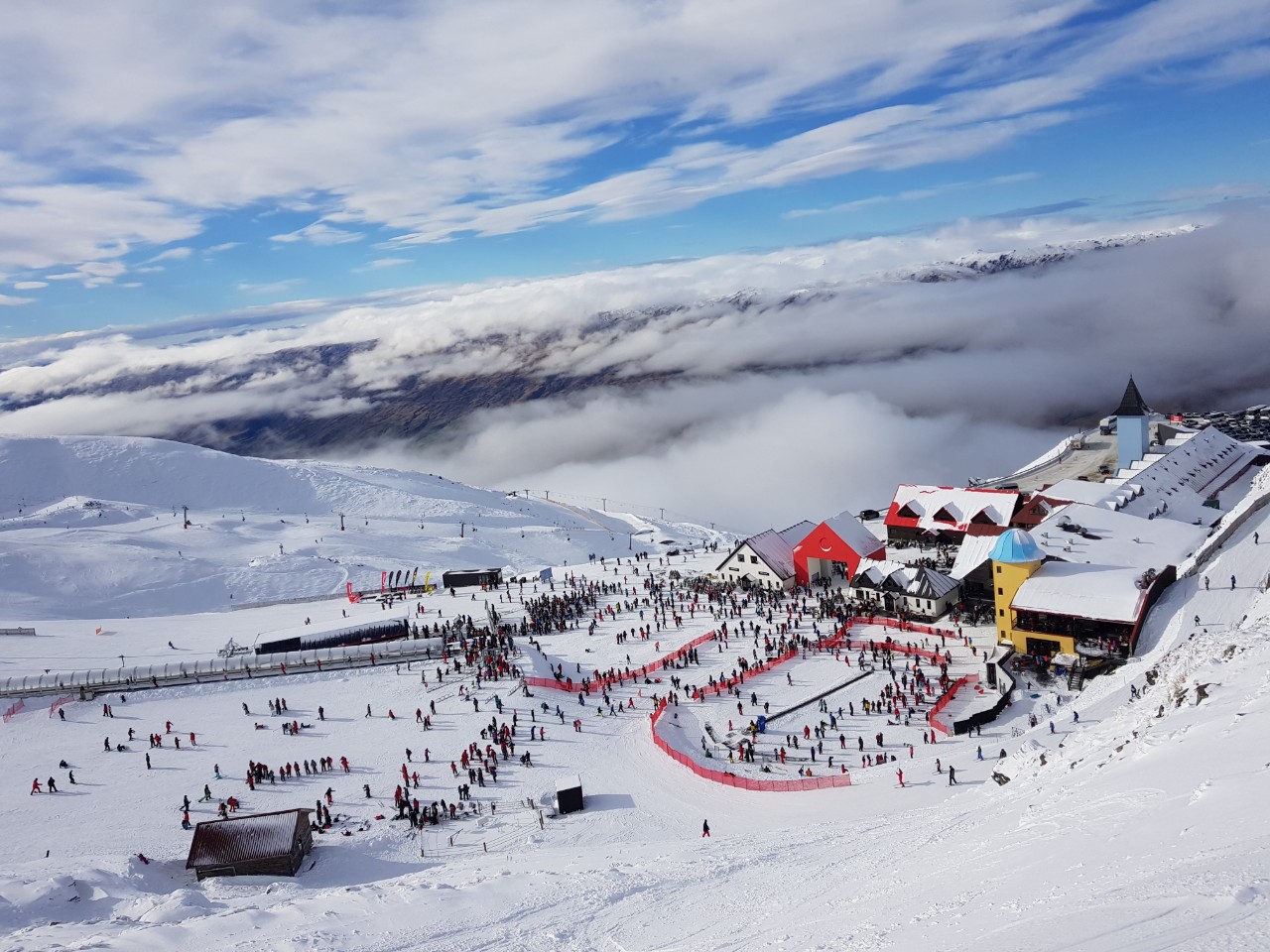
- Cardrona. A high Wanaka field with strong snowmaking that typically runs to around the second week of October, good for early month spring skiing.
Sources we checked
Common questions
Can you ski the southern hemisphere in October?
Yes, but only at a high altitude shortlist. Most southern fields close in early to mid October, leaving the highest New Zealand and Andes resorts running spring skiing. The North Island Mt Ruapehu fields sometimes go latest, into late October. Always check each field status before booking.
What is the snow like in the southern hemisphere in October?
It is spring snow. The deep winter base survives at the high fields, but the surface freezes hard overnight and softens to smooth corn by late morning, then turns slushy in the afternoon. Late cold fronts can briefly return a little soft snow to the upper slopes, but morning corn is the realistic plan.
Is October too late for a powder trip to the southern hemisphere?
Yes. The deep reliable snow belongs to July and August. By October it is spring skiing, soft and sunny on a shrinking map rather than deep and cold across the full mountain. Powder hunters should come in midwinter and accept the crowds and higher prices.
Where can you ski the southern hemisphere in October?
The high fields are the picks. In New Zealand the Mt Ruapehu fields, Whakapapa and Turoa, often run latest into late October, while Mt Hutt and Cardrona hold spring snow into the first half of the month. A few high Andes resorts can also stay open into early October.
Book the extras and save
Lift passes, airport transfers and lessons are where a trip quietly leaks money. Booking ahead almost always beats the resort window price.
Compare lift passesBook a transferFind lessonsReserve ski hireTravel insuranceTell us the dates. We price the trip.
Send one brief and vetted chalet companies and tour operators return tailored proposals. Flights, transfers, lift passes and lessons priced for your group. No fee to you, ever.